Wood Finishing Guides
Species-specific staining, sealing, and maintenance instructions.
Showing 50 guides
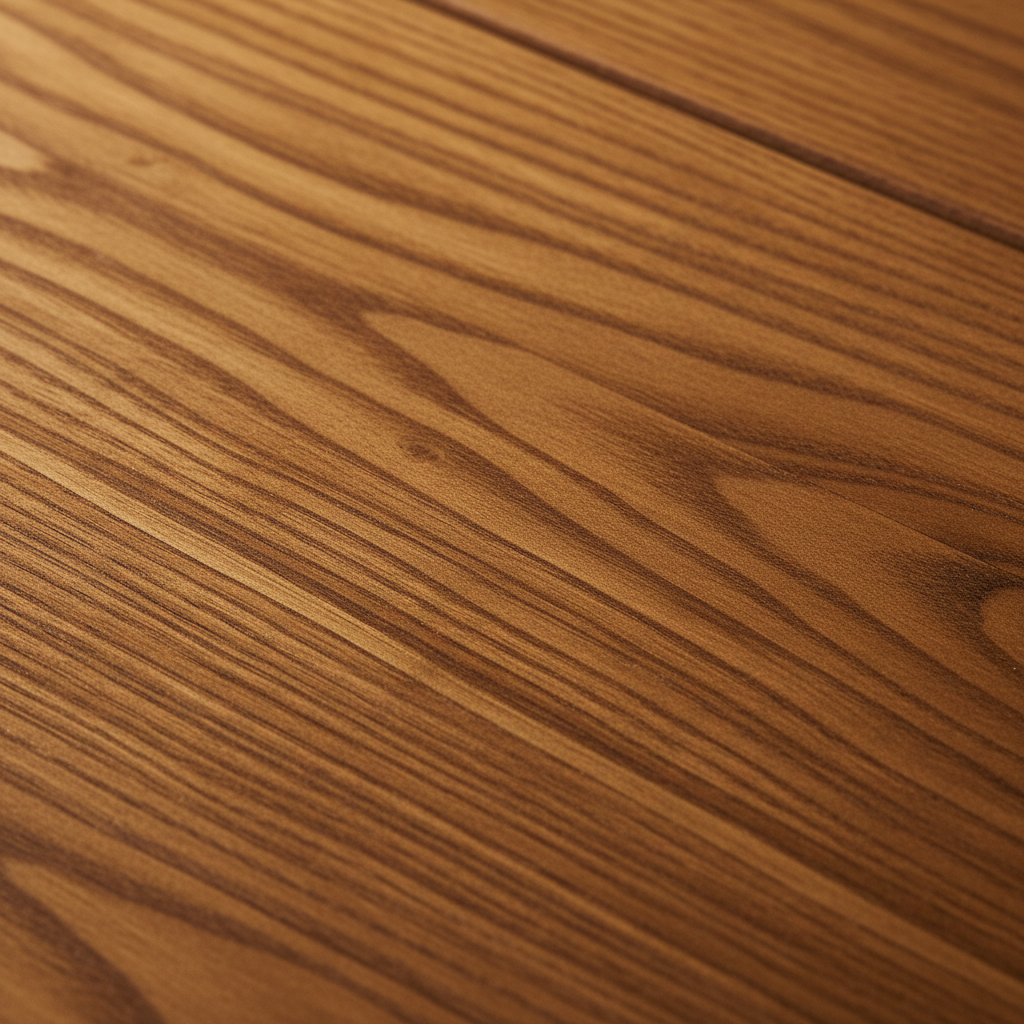
Pressure-Treated Wood
Pressure-treated wood is the most common decking and fencing material in North America, chemically treated to resist rot and insects. Finishing PT wood requires waiting for it to dry sufficiently to accept stain, then choosing products compatible with the treatment chemicals.
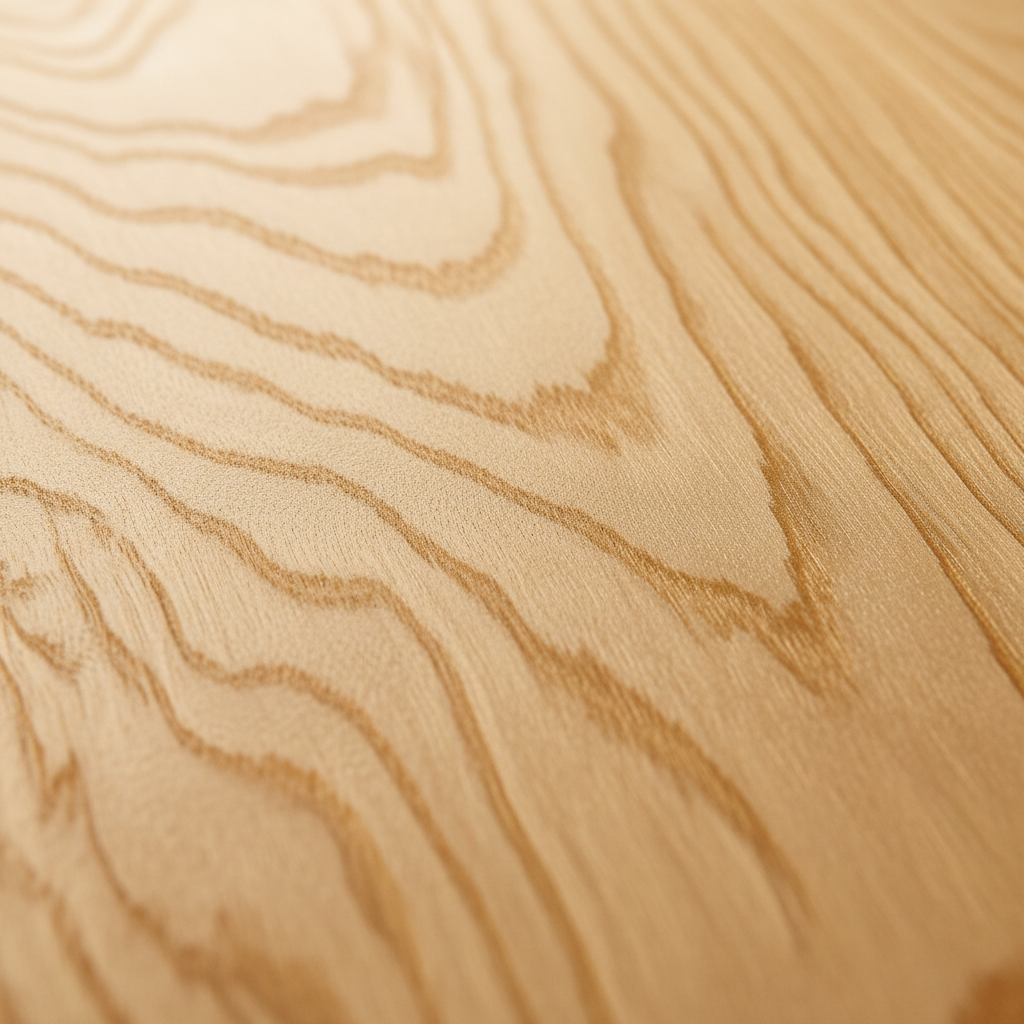
White Ash
White ash is the most common and commercially important ash species in North America, long prized for its strength, flexibility, and attractive light color. It is the traditional choice for baseball bats, tool handles, and increasingly popular for modern light-toned flooring and furniture.
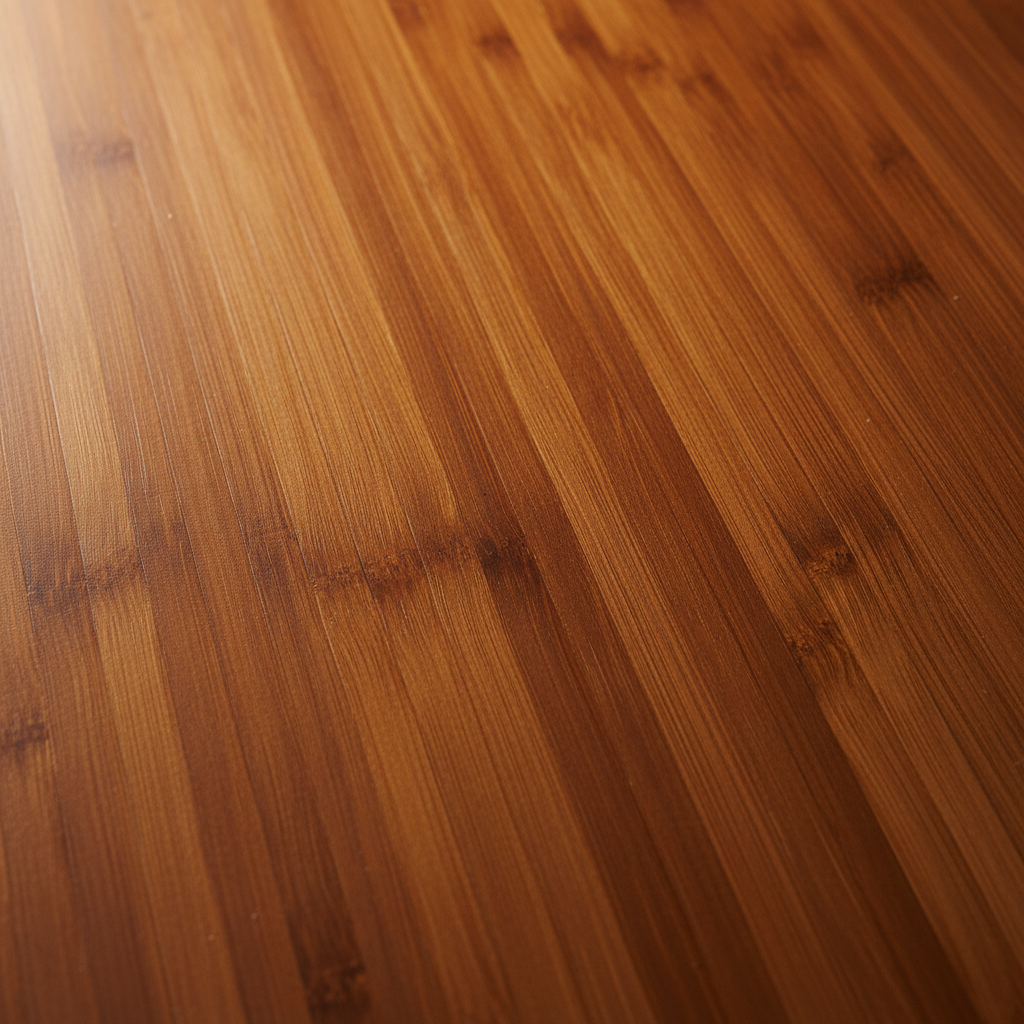
Bamboo
Bamboo is technically a grass, not a wood, but it is processed into flooring, furniture, and cutting boards that look and perform like hardwood. Bamboo finishing varies significantly between natural, carbonized, and strand-woven products, each requiring different approaches.
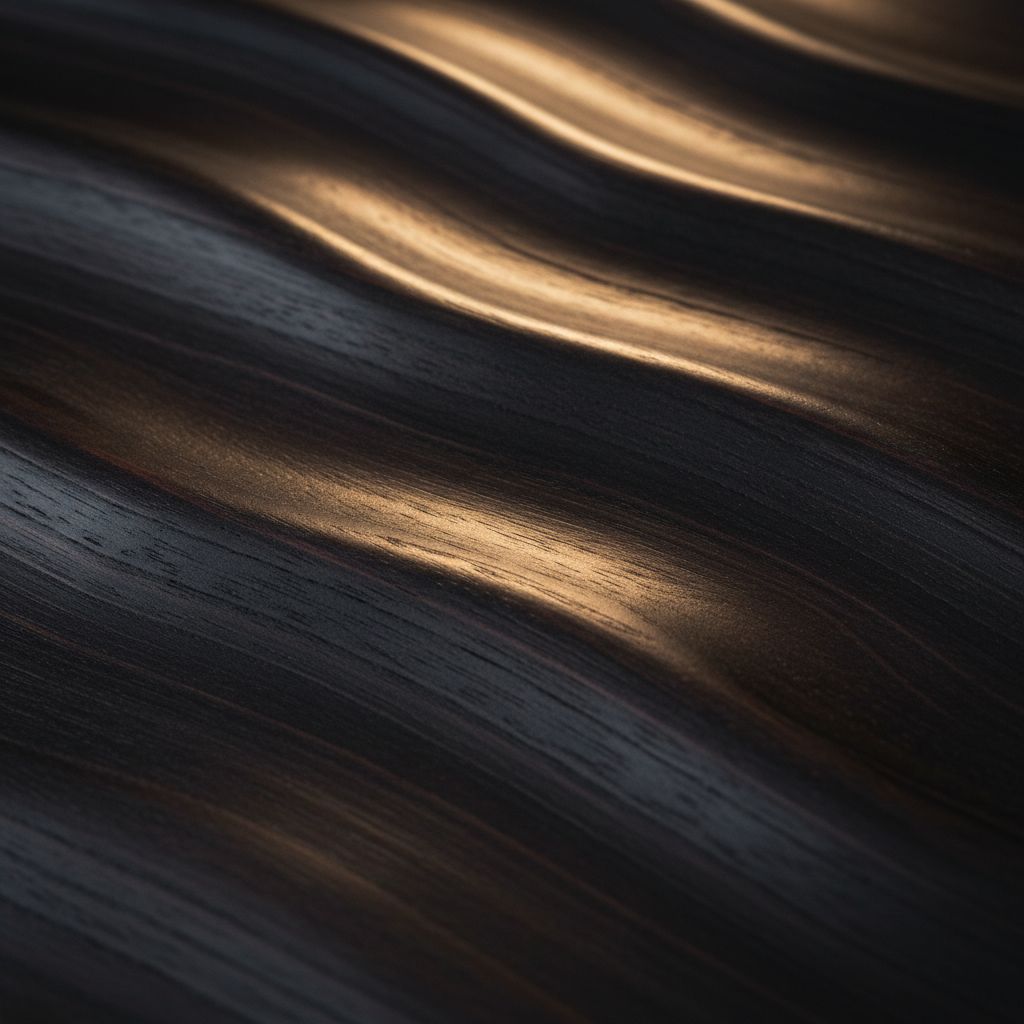
Ebony
Ebony is the classic luxury wood, prized for millennia for its jet-black color, extreme hardness, and ability to take a mirror polish from sanding alone. It is primarily used for musical instrument parts, inlays, and small decorative objects where its density and color make it irreplaceable.
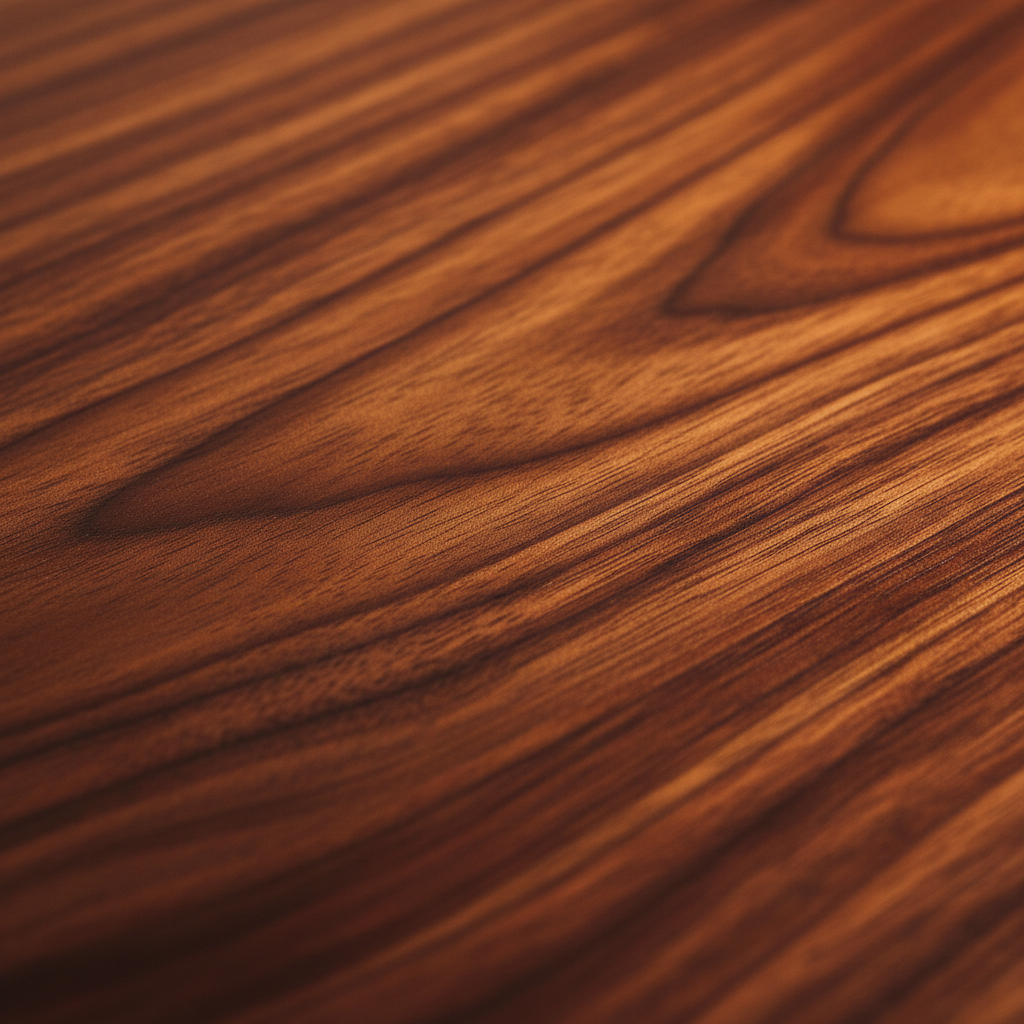
Santos Rosewood
Santos rosewood (Machaerium scleroxylon) is a beautiful South American wood that serves as an alternative to true rosewoods, many of which are now CITES-restricted. Its rich chocolate-brown color with darker streaks and subtle fragrance make it a prized material for furniture and musical instruments.
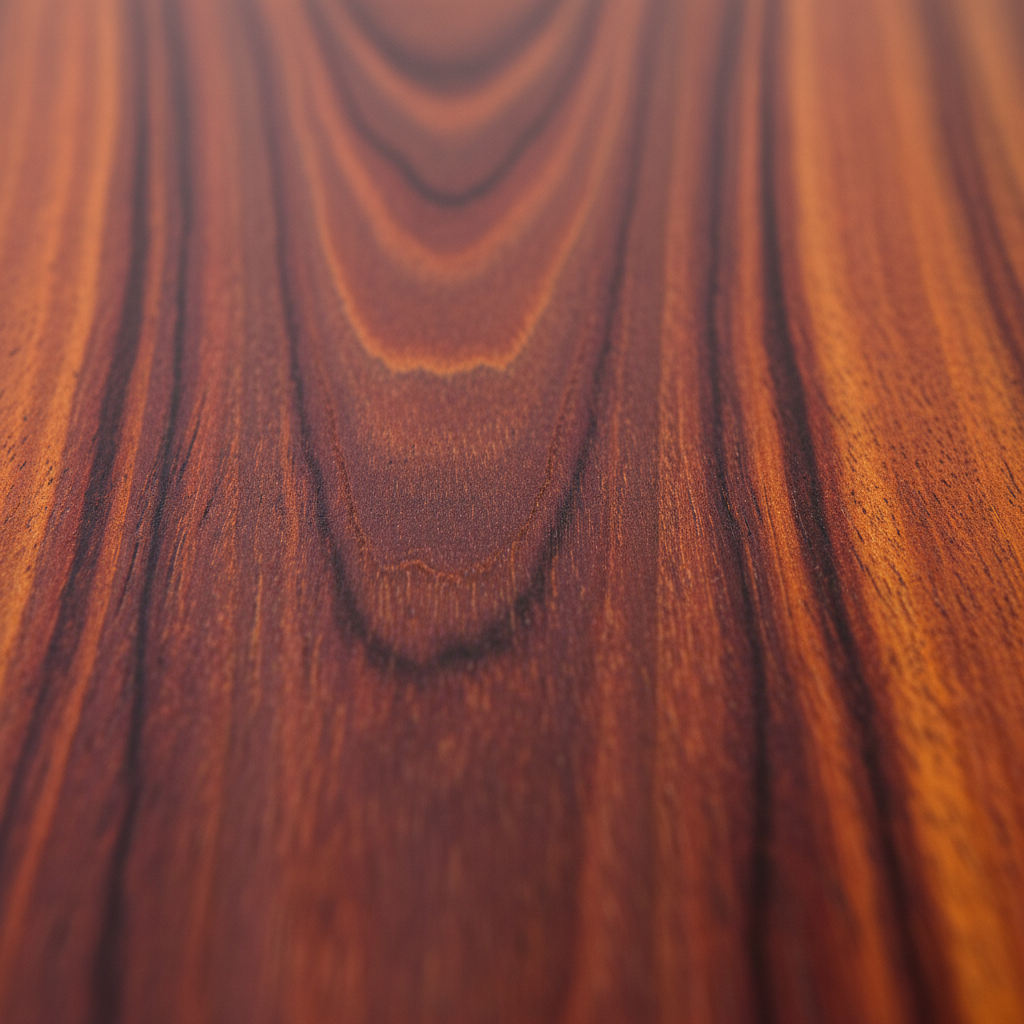
Cocobolo
Cocobolo is one of the world's most beautiful and challenging woods to finish. Its stunning mix of orange, red, and purple colors is matched by extremely high natural oil content that prevents most finishes from adhering. Successfully finishing cocobolo requires specific techniques to overcome its oiliness.
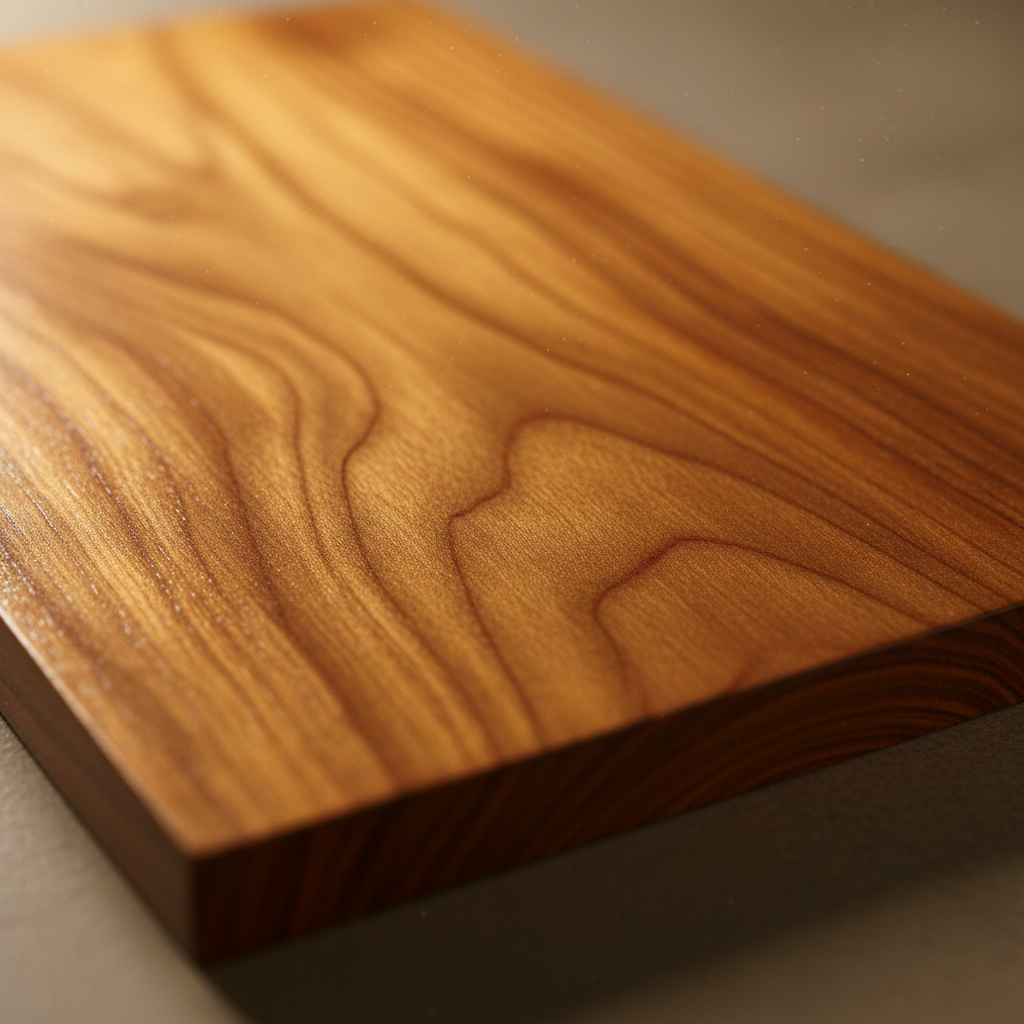
Butternut
Butternut, also known as white walnut, is a soft, easily worked hardwood related to black walnut. It shares walnut's attractive grain pattern but in lighter, warmer tones. Its softness and workability make it a favorite for carving and rustic furniture.
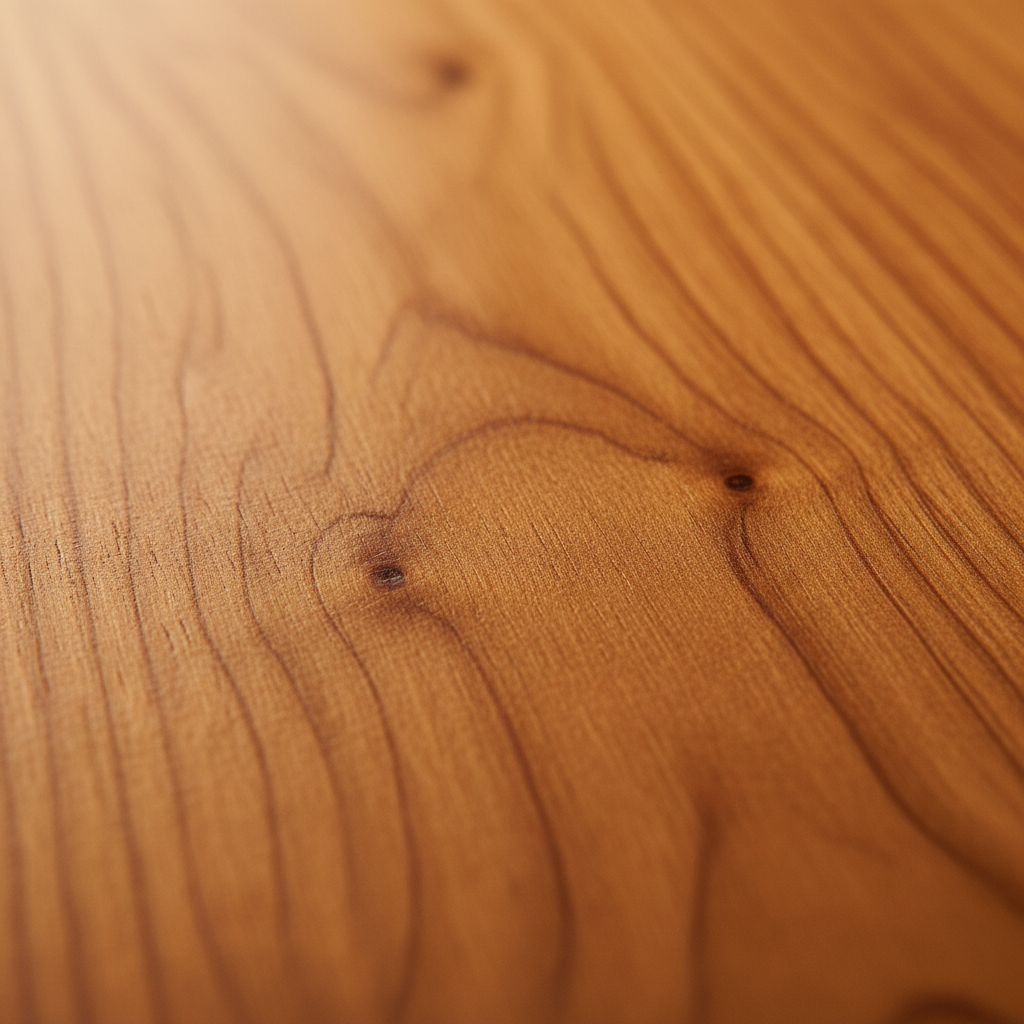
Basswood
Basswood is one of the softest and lightest domestic hardwoods, prized above all for hand carving due to its uniform texture and clean cutting properties. Its bland natural color makes it an ideal canvas for painted finishes and detailed decorative work.
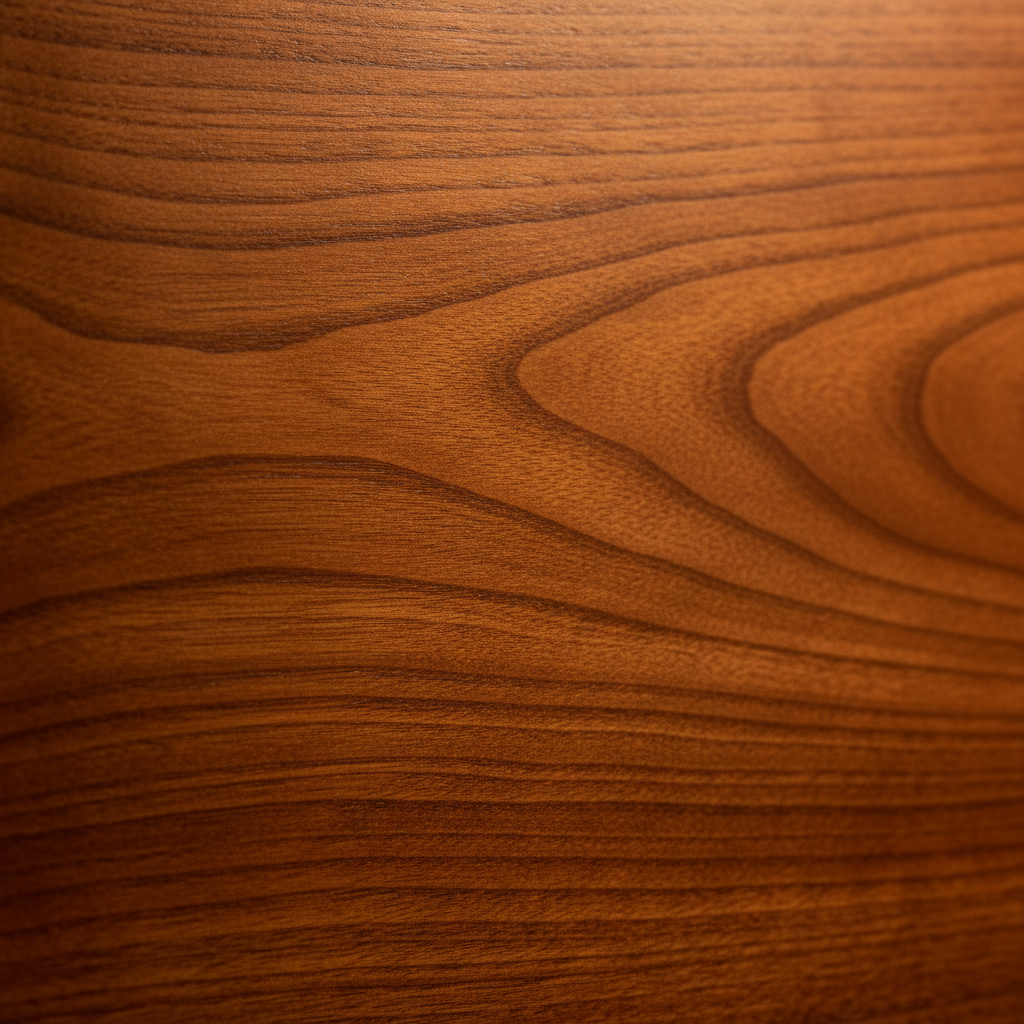
Alder
Alder is a soft, fine-grained hardwood from the Pacific Northwest that has become extremely popular for cabinetry. Its even texture and warm tone make it an excellent canvas for staining, and it readily accepts finishes that mimic more expensive hardwoods like cherry.
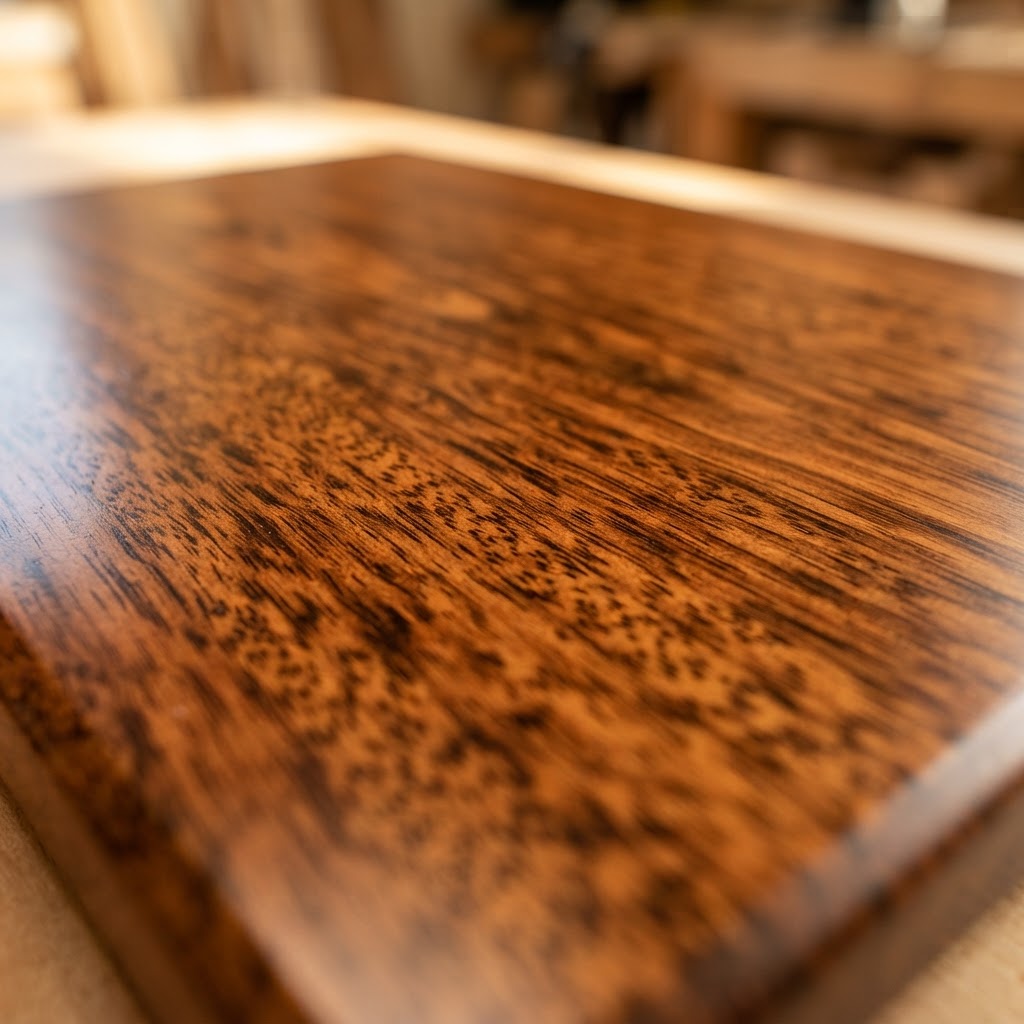
Leopardwood
Leopardwood features a distinctive spotted or flecked pattern that resembles a leopard's coat, created by large rays visible on quartersawn surfaces. Similar to lacewood but with darker, more pronounced spots, it makes a stunning accent wood.
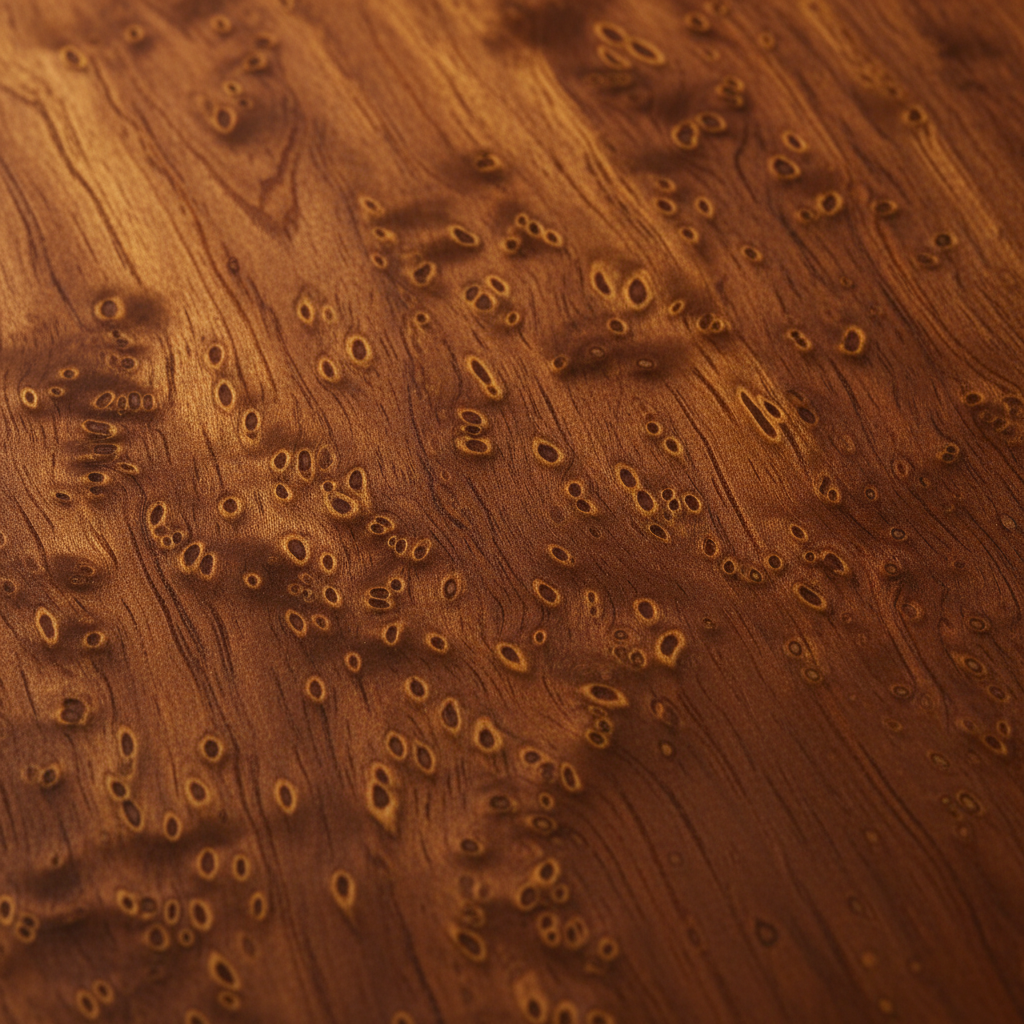
Lacewood
Lacewood is named for its distinctive lace-like pattern created by large medullary rays visible on quartersawn surfaces. This unique figure makes it a striking choice for decorative panels, furniture accents, and turned objects.
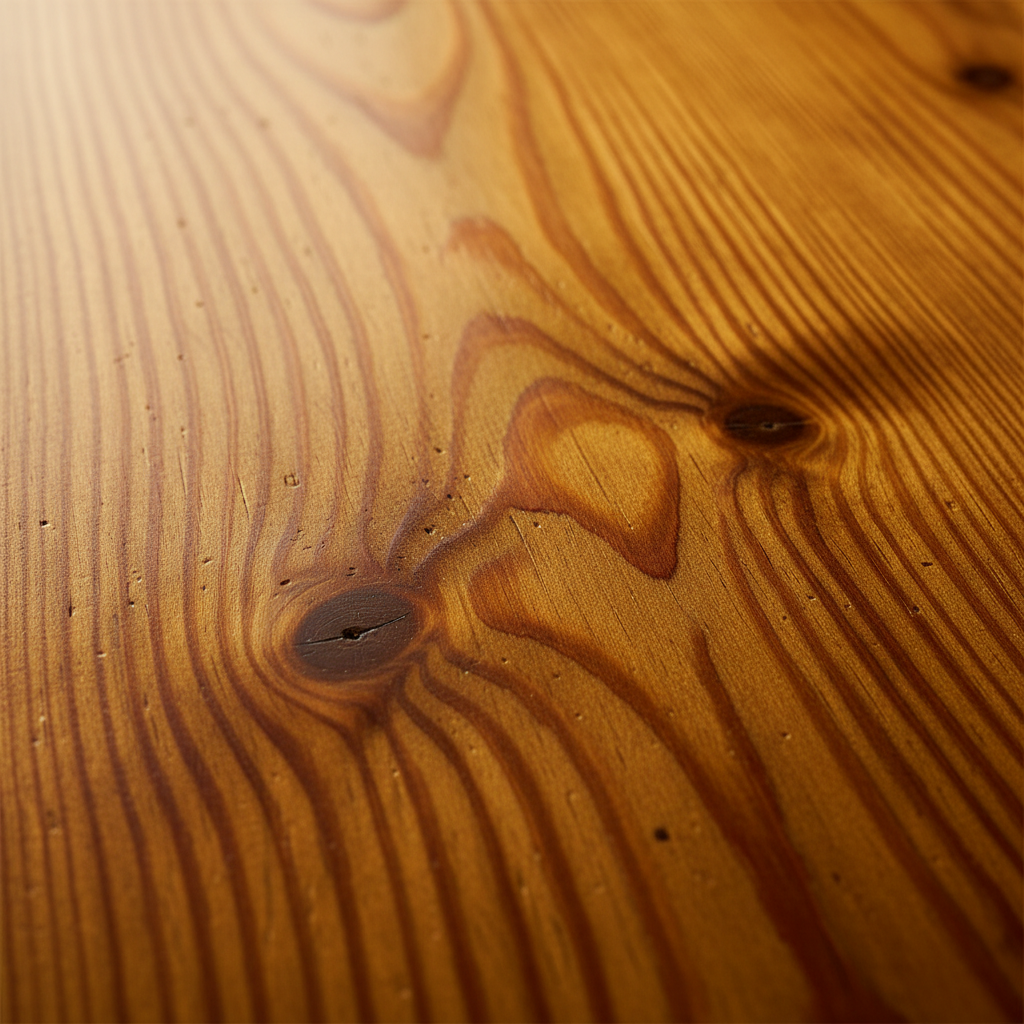
Southern Yellow Pine
Southern yellow pine is the workhorse softwood of the southeastern United States, stronger and harder than most softwoods. Its pronounced grain contrast and high resin content create distinctive finishing challenges, but proper technique yields beautiful results.
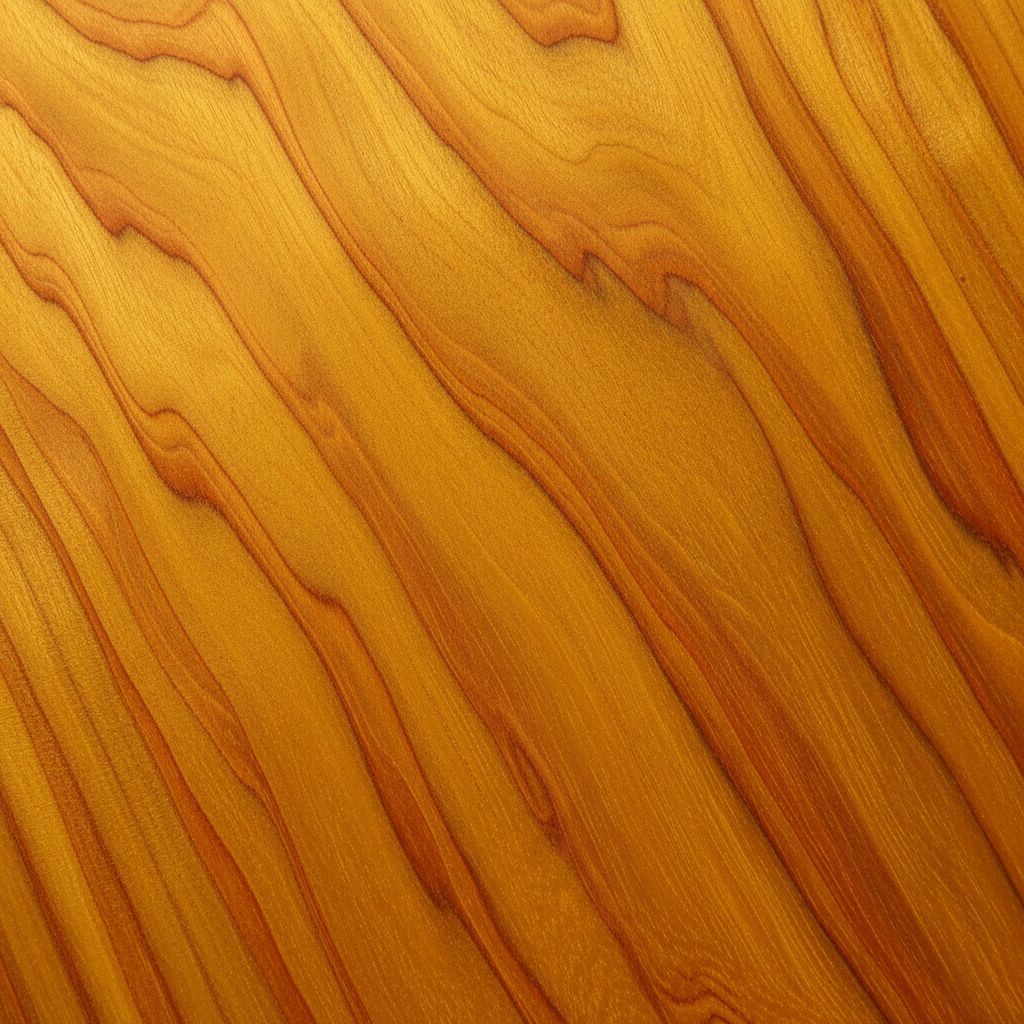
Canarywood
Canarywood is one of the most colorful woods available, displaying a vibrant mix of yellow, orange, red, and purple hues often within the same board. This South American hardwood makes dramatic furniture and accent pieces.
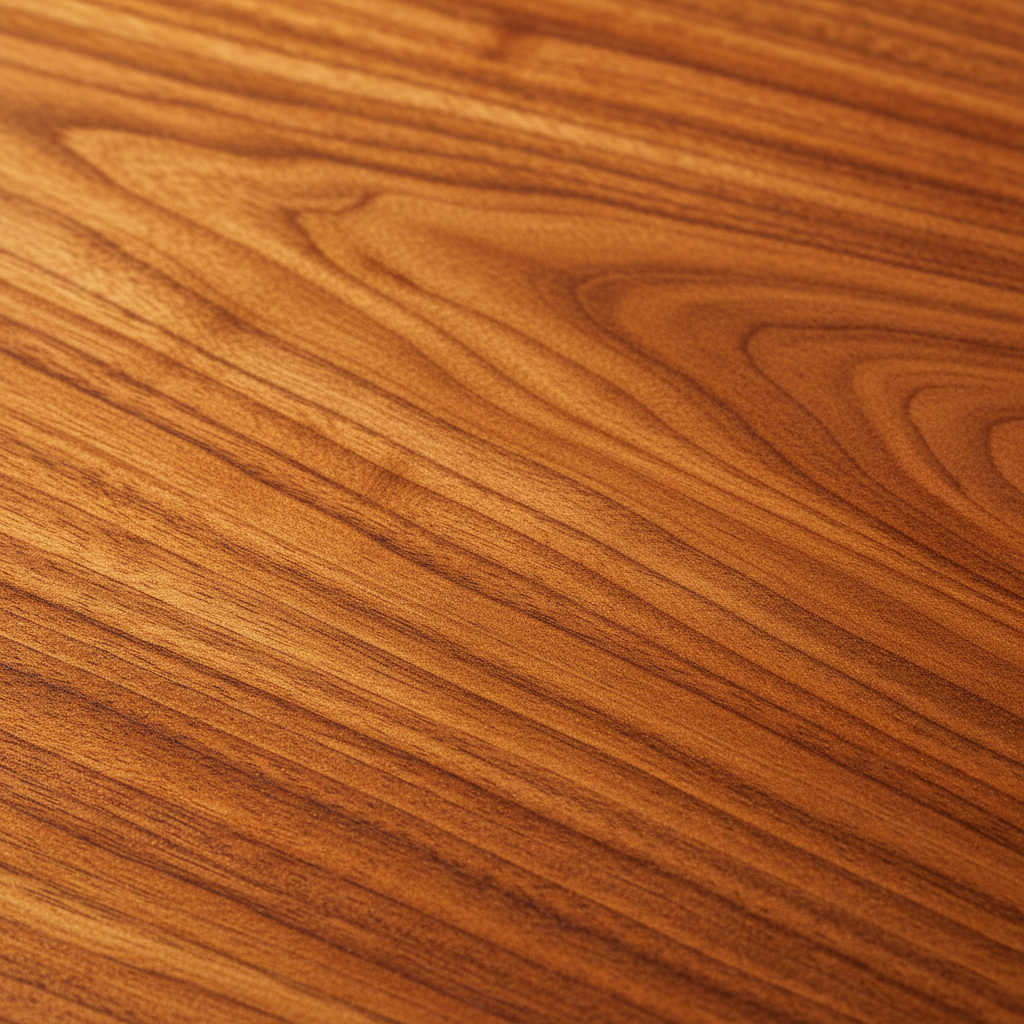
Angelim Pedra
Angelim pedra is a heavy, durable Brazilian hardwood used primarily for decking, heavy construction, and marine applications. Its natural resistance to decay and insects makes it an excellent value alternative to ipe for structural outdoor applications.
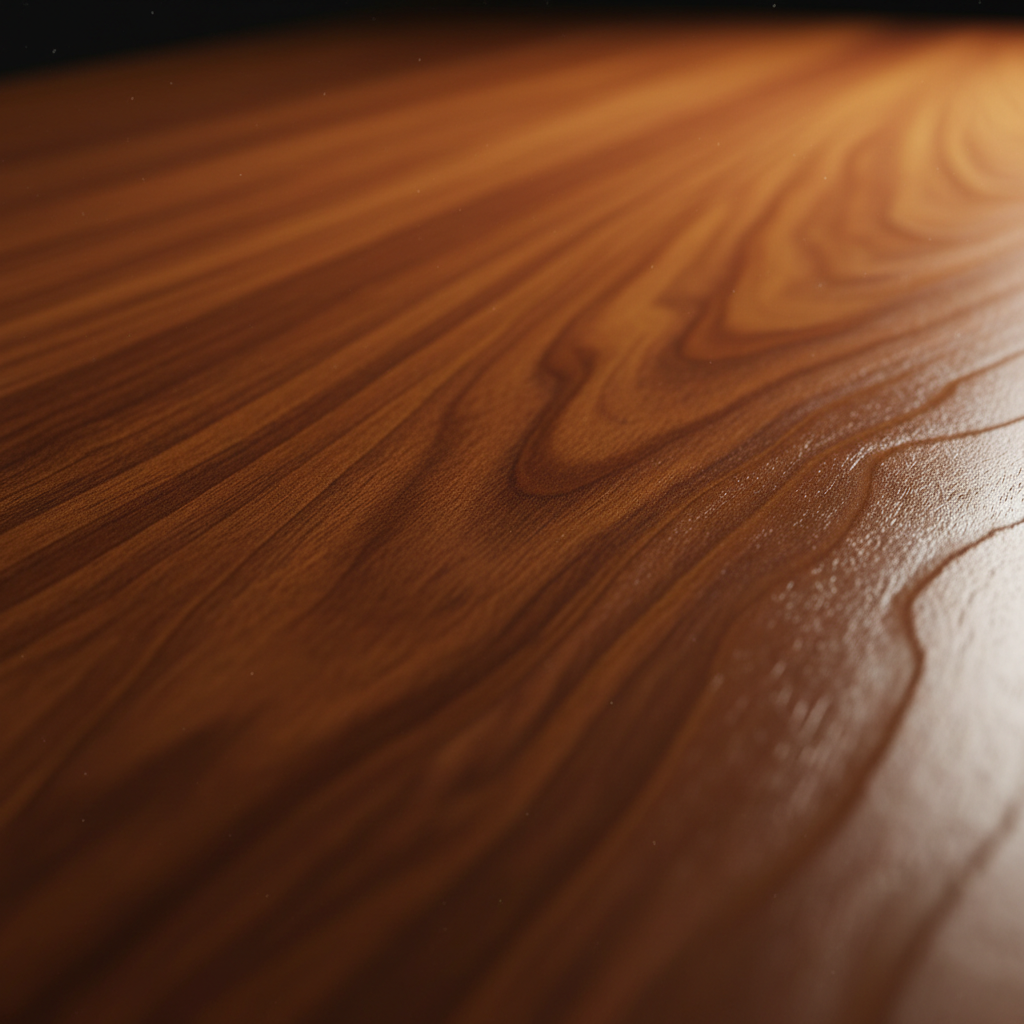
Afrormosia
Afrormosia is a premium African hardwood considered one of the best alternatives to genuine teak. Its golden-brown color, natural durability, and fine grain make it excellent for both interior furniture and exterior applications.
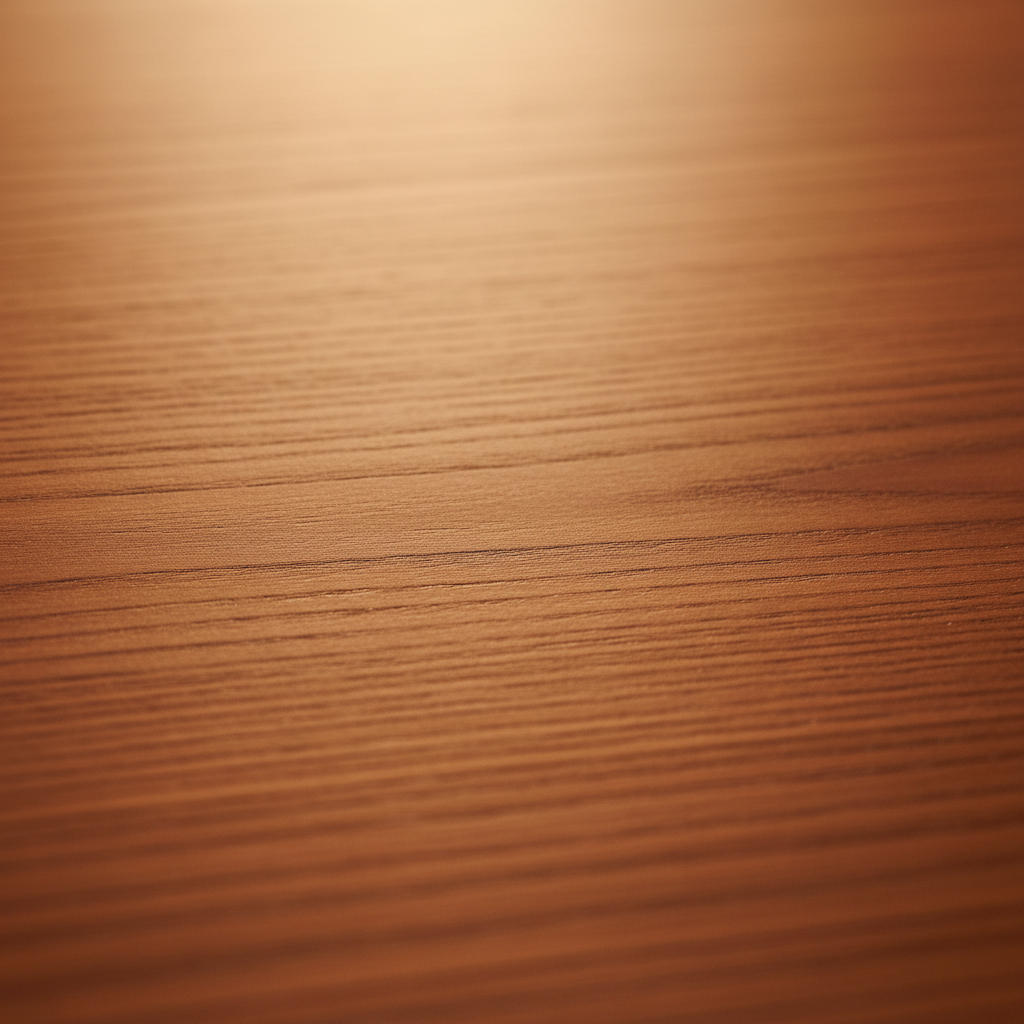
Hemlock
Hemlock is a moderately dense softwood popular for timber framing, interior paneling, and sauna construction. Its light color, straight grain, and relative lack of pitch make it easier to finish than many other softwoods.
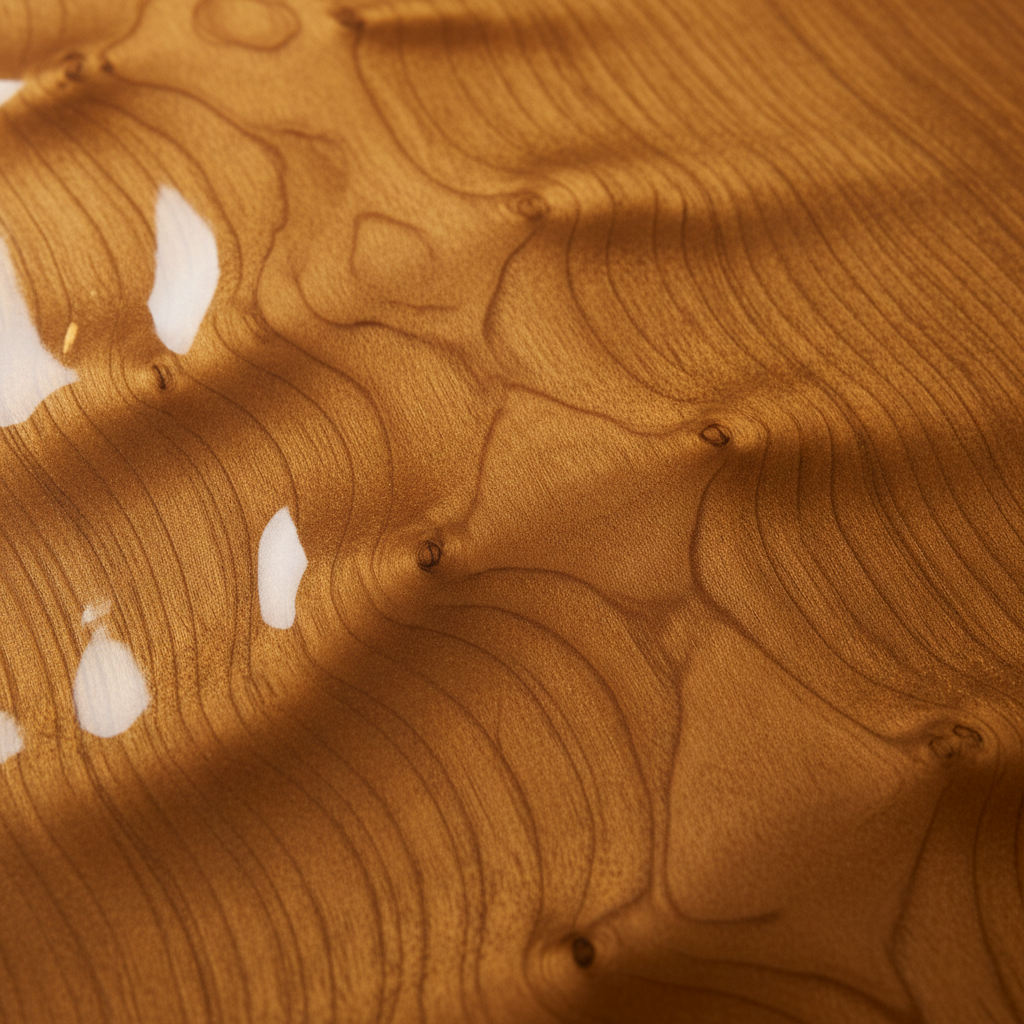
Spruce
Spruce is a widely used softwood valued for its light weight, even grain, and excellent resonance properties. It is the primary wood for guitar soundboards and a common choice for construction lumber, interior trim, and paneling.
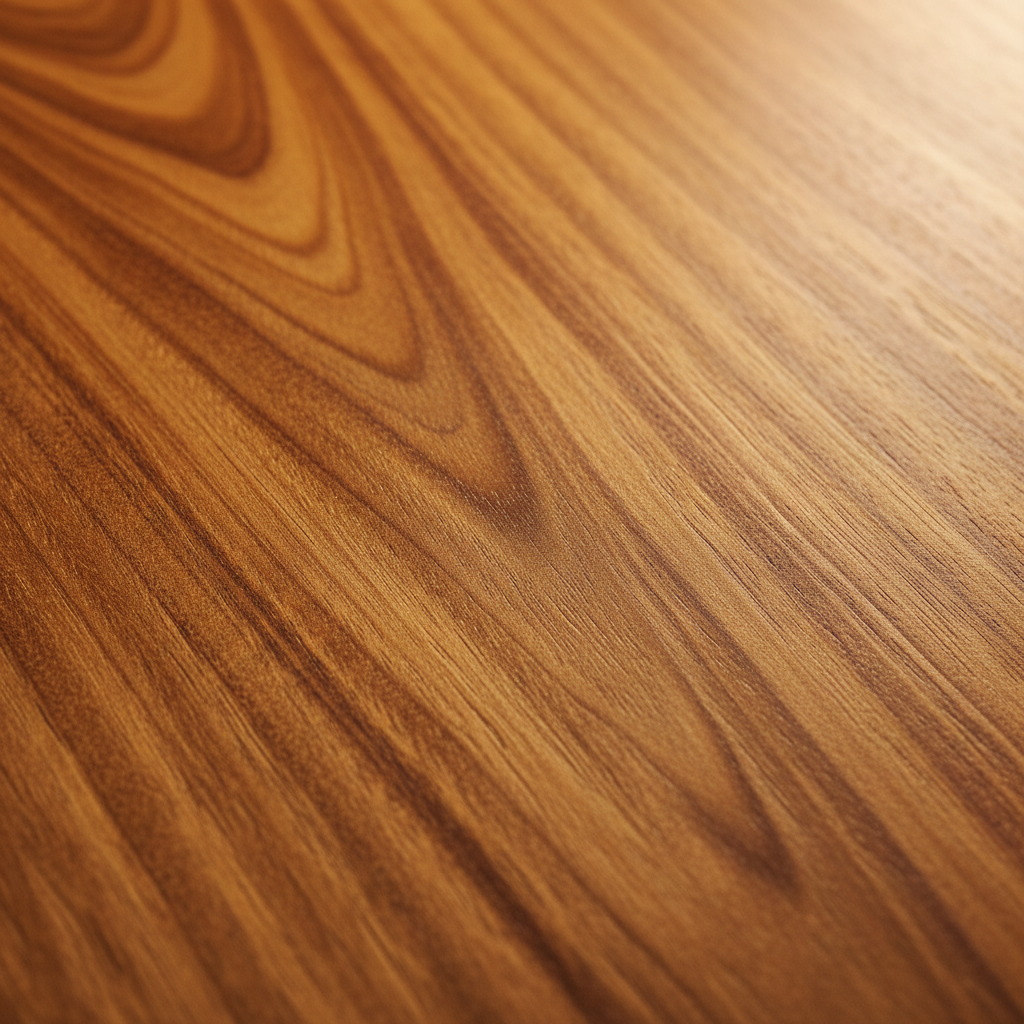
Iroko
Iroko is a durable African hardwood often called African teak for its similar outdoor performance, though the two species are unrelated. Its golden-brown color and natural weather resistance make it popular for countertops, outdoor furniture, and joinery.
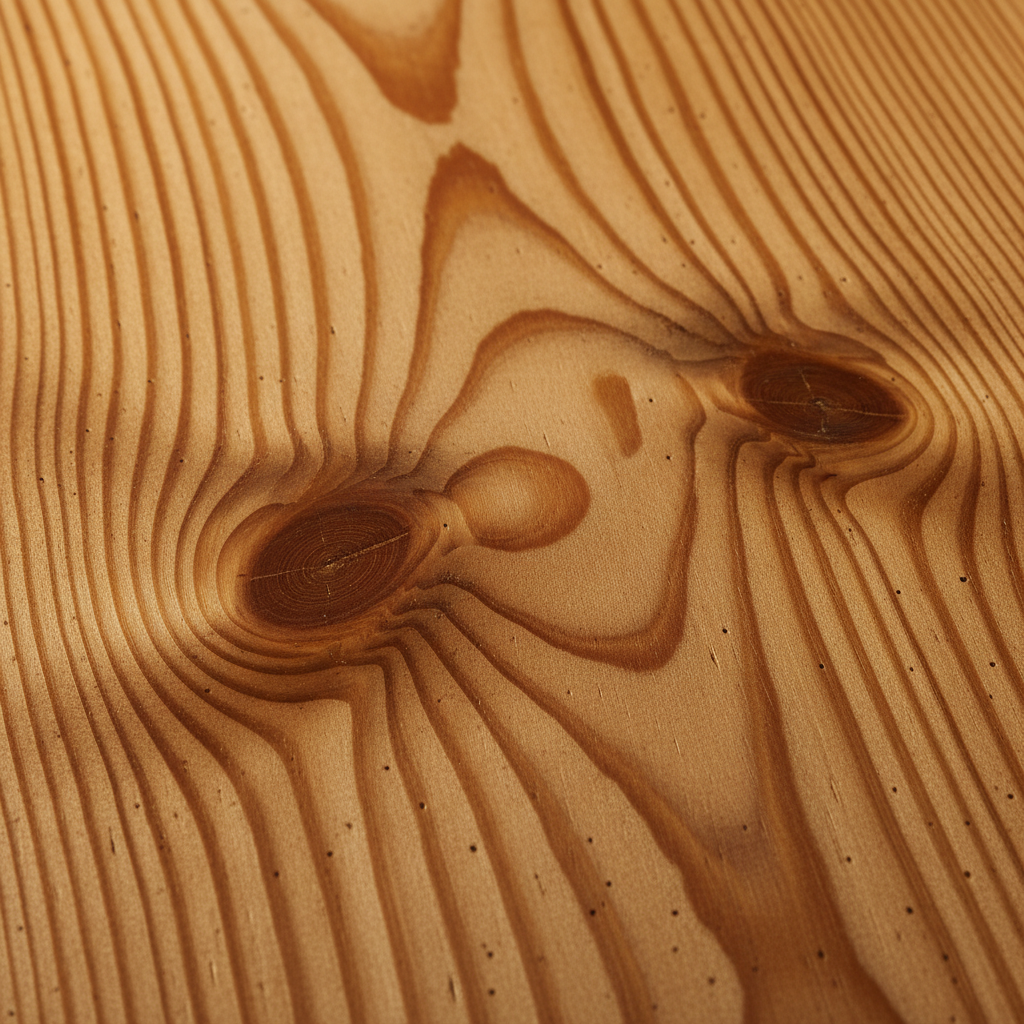
Eastern White Pine
Eastern white pine is one of America's most cherished softwoods, used for centuries in colonial-era homes, furniture, and paneling. Its soft, workable nature and warm creamy color make it ideal for rustic and traditional projects.
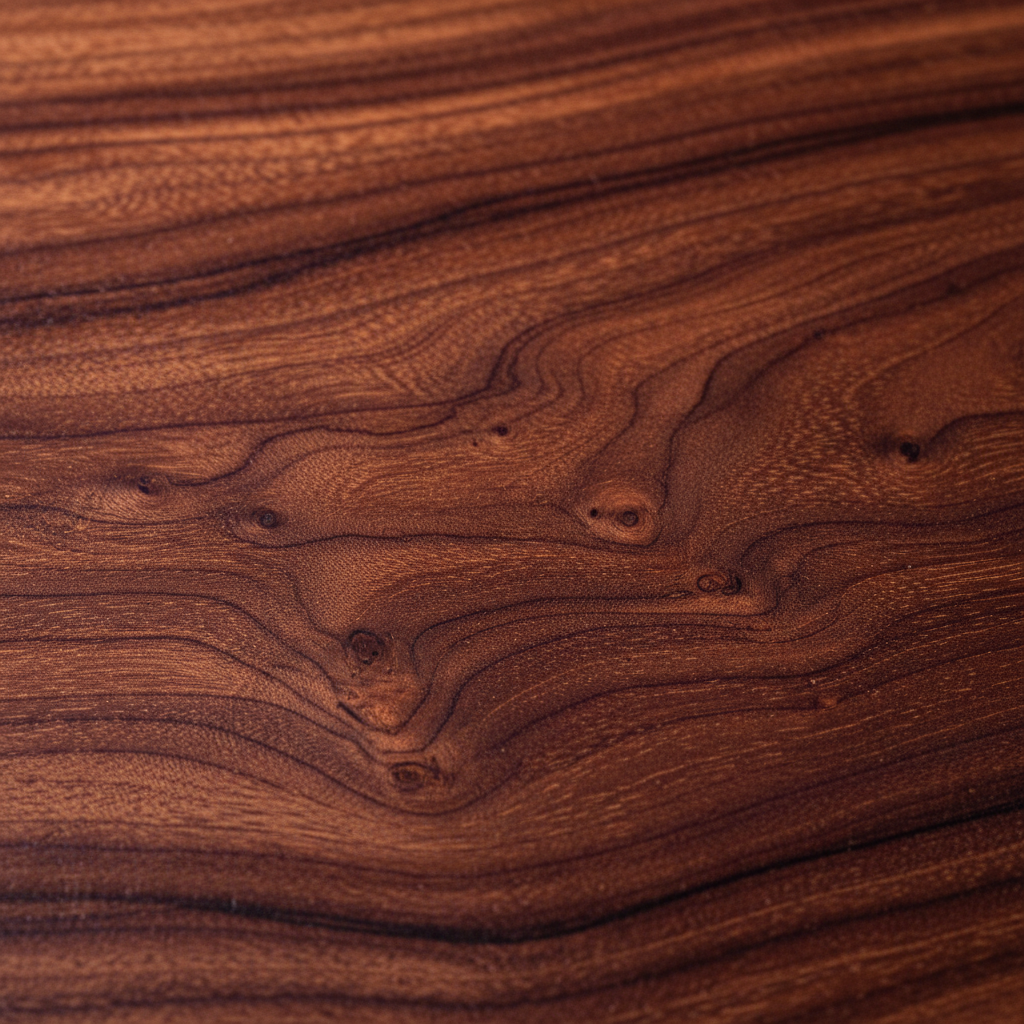
Bubinga
Bubinga is a prized African hardwood known for its rich reddish-brown color, often with striking figured grain including pommele, waterfall, and quilted patterns. Its beauty and workability make it a favorite for high-end furniture and musical instruments.
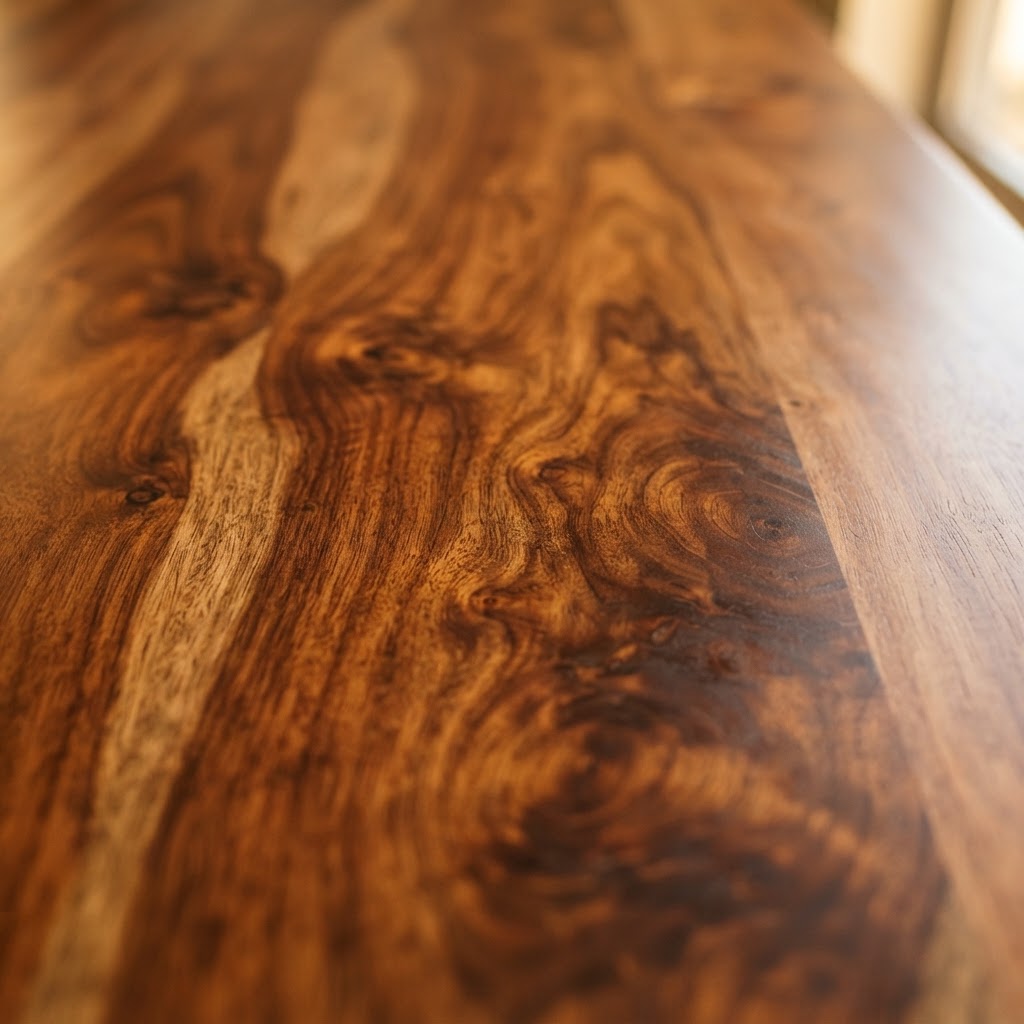
Acacia
Acacia encompasses a wide group of hardwoods known for their dramatic color variation, natural durability, and attractive grain patterns. Most commonly available as live-edge slabs or engineered flooring, acacia brings warmth and character to any project.
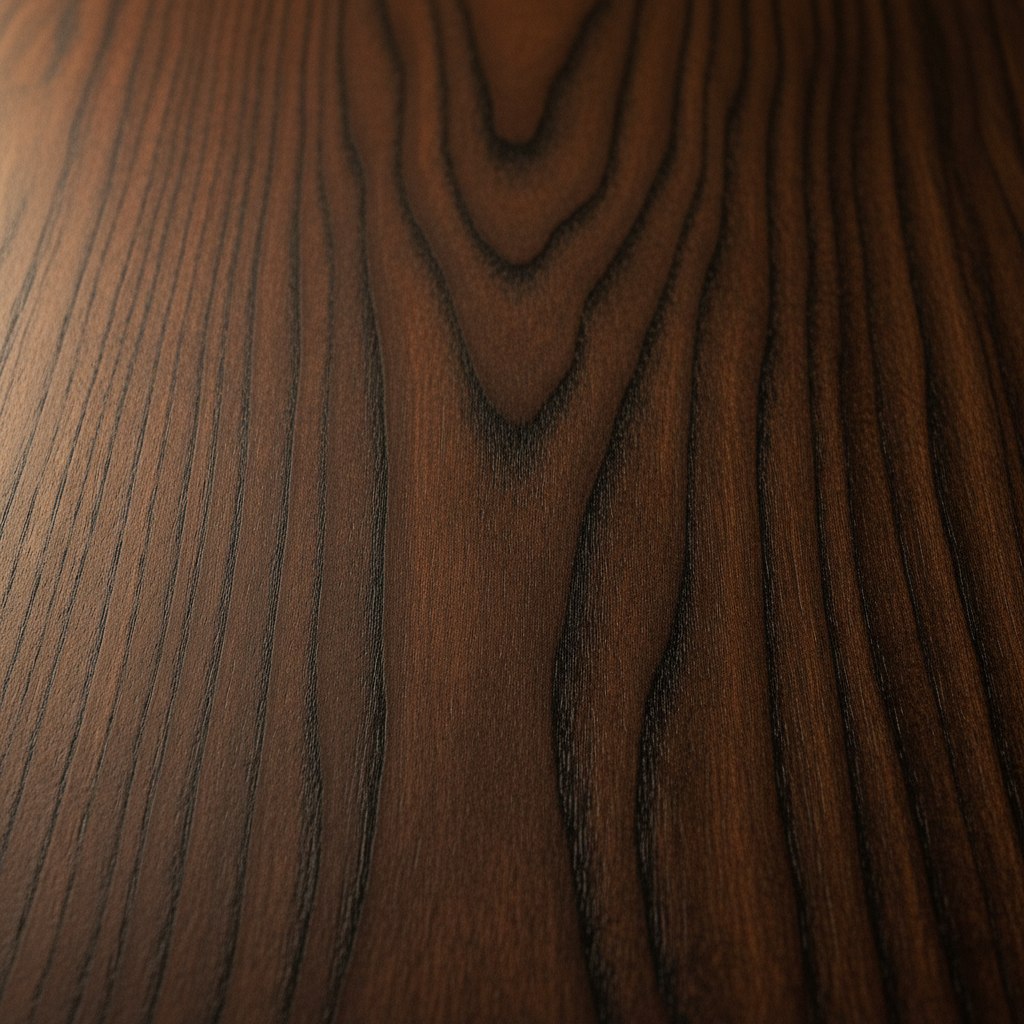
Wenge
Wenge is a dramatic, nearly black African hardwood with bold, coarse grain that creates a striking modern aesthetic. Its very dark color and large pores make it unique among exotic hardwoods, and finishing it properly enhances its dramatic appearance.
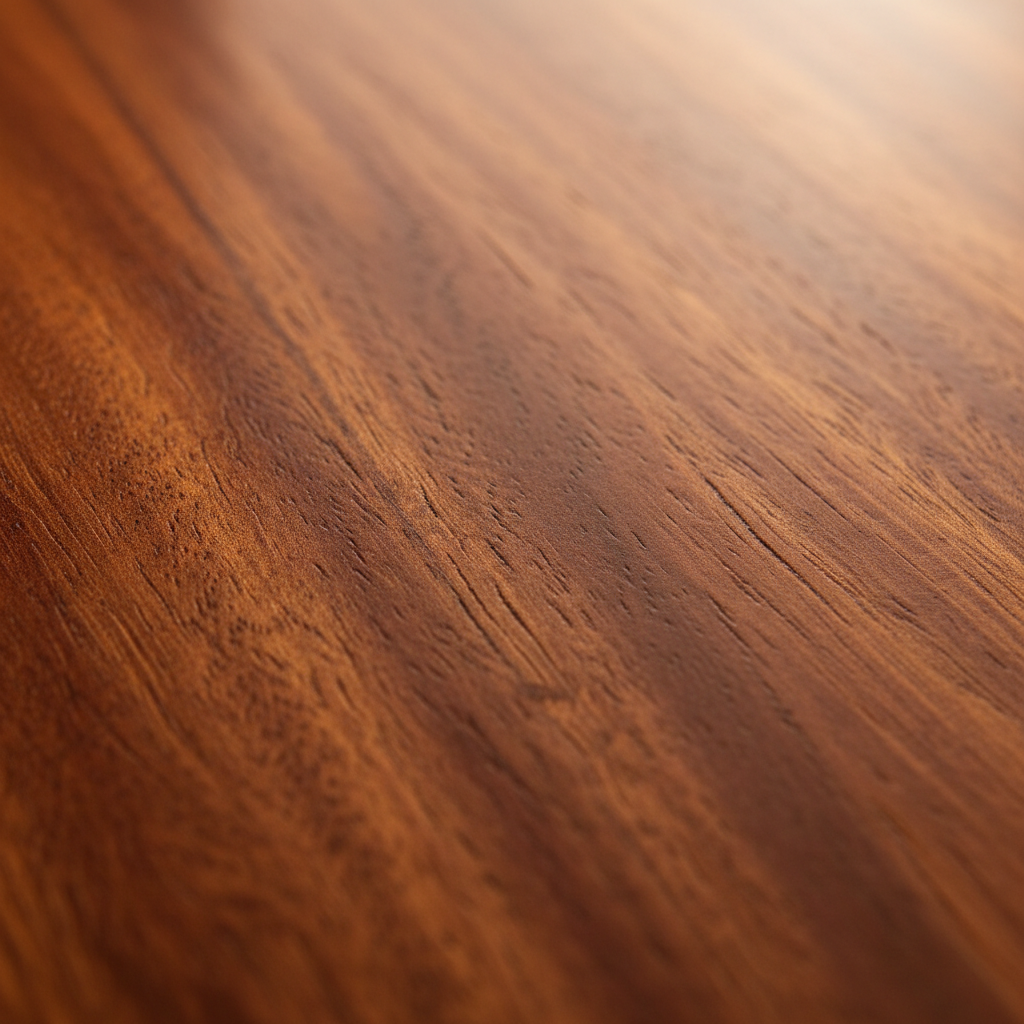
Jatoba
Jatoba, commonly marketed as Brazilian cherry, is one of the hardest commercially available flooring woods. Its rich reddish-brown color deepens dramatically with light exposure, developing a warm, cherry-like patina.
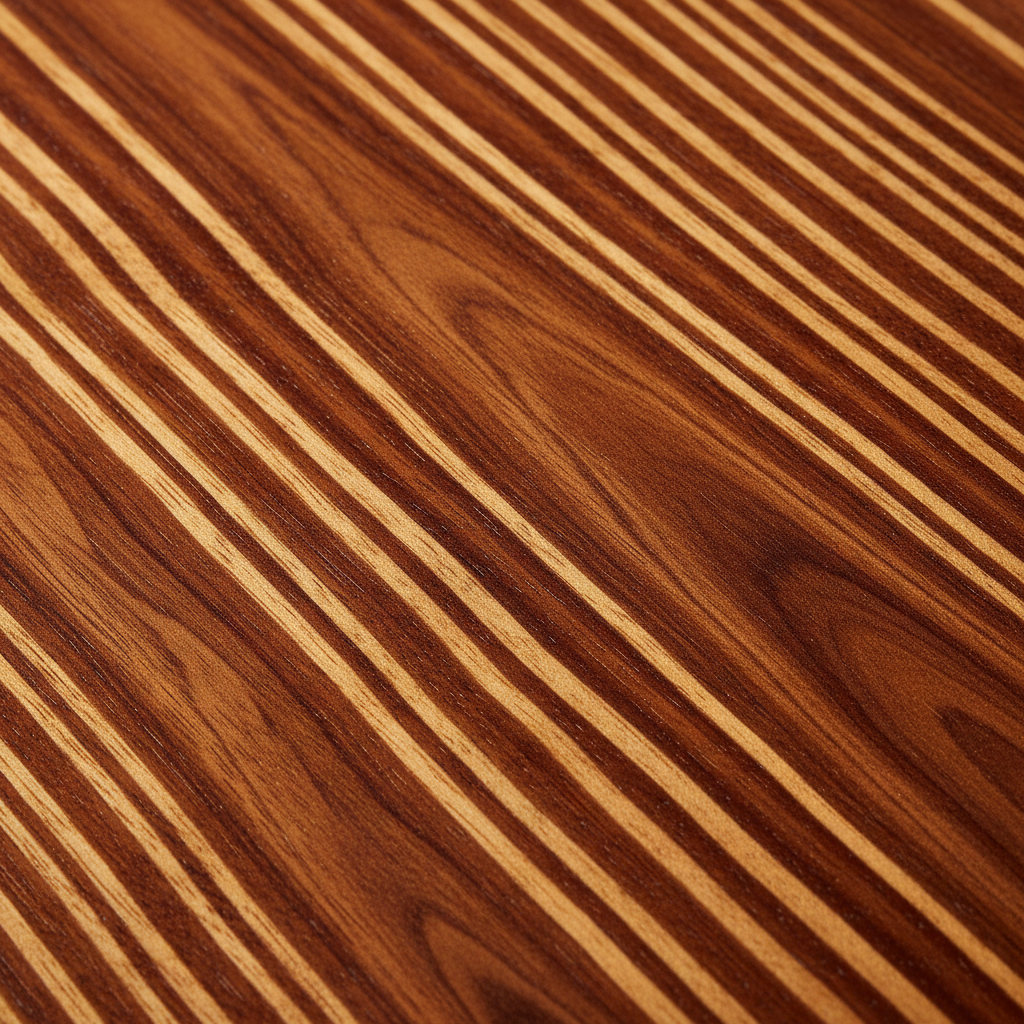
Zebrawood
Zebrawood is one of the most visually dramatic exotic woods, featuring bold dark brown to black stripes against a light golden-tan background. Its eye-catching pattern makes it a popular choice for accent pieces and decorative applications.
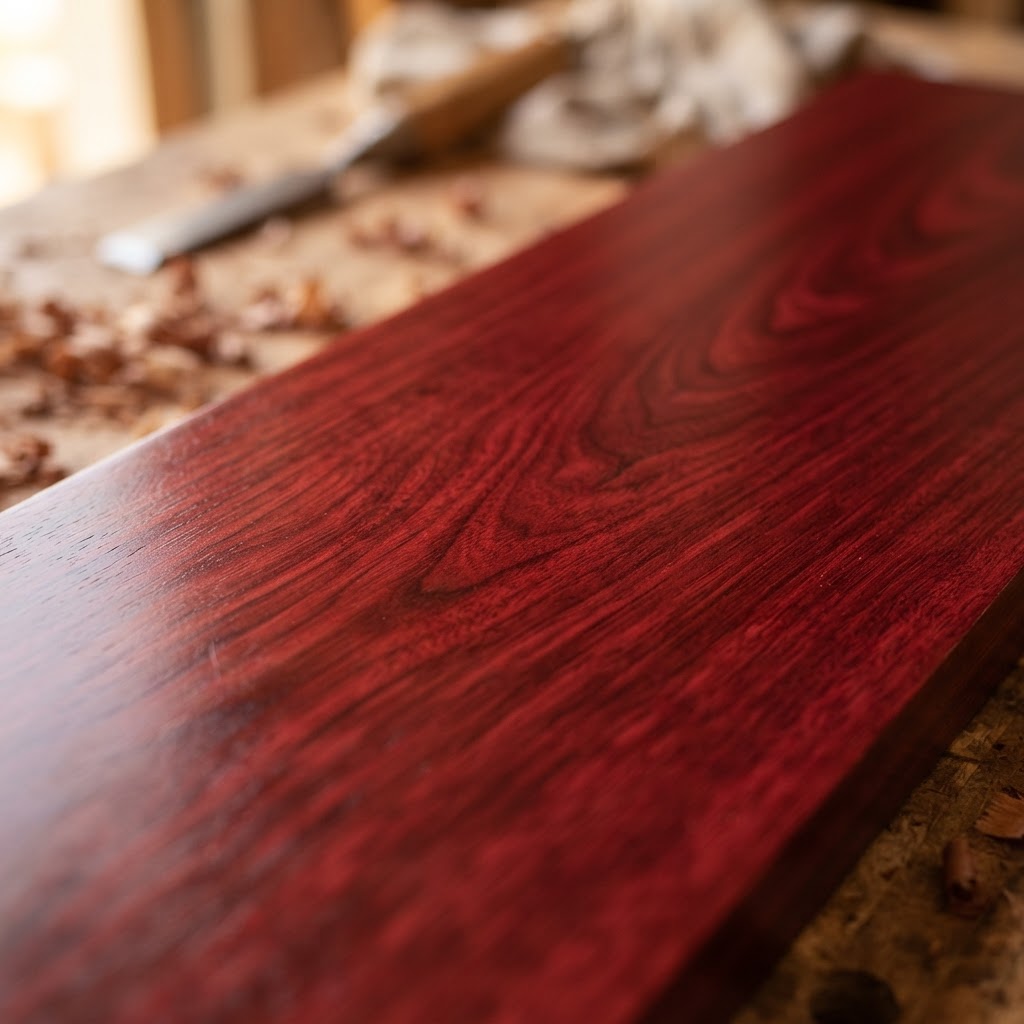
Bloodwood
Bloodwood is aptly named for its vivid, saturated red color that is among the most intense of any wood species. This South American hardwood holds its color better than padauk or purpleheart, making it a popular choice for accent work.
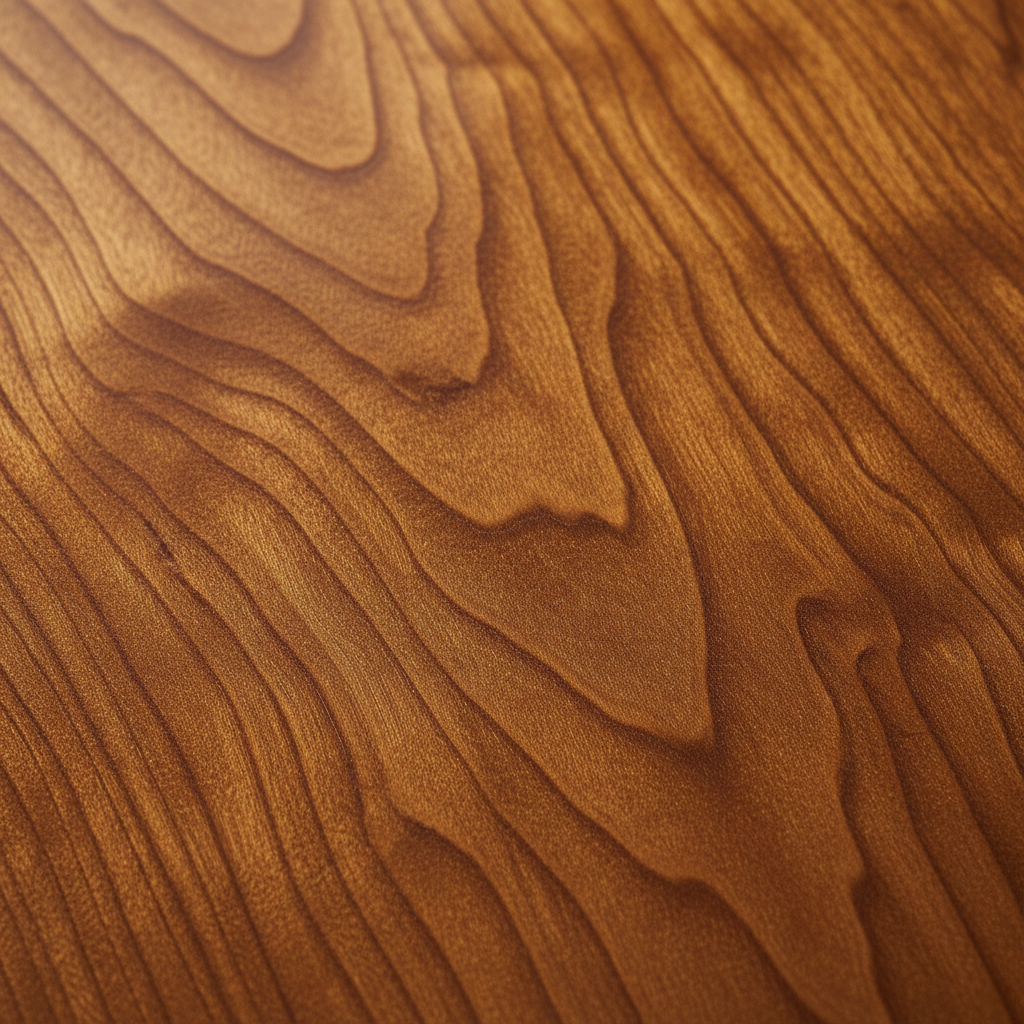
Elm
Elm is a distinctive hardwood known for its interlocked grain, which creates dramatic figure patterns especially in live-edge slabs. Though devastated by Dutch elm disease, reclaimed and salvaged elm remains popular for rustic furniture and statement pieces.
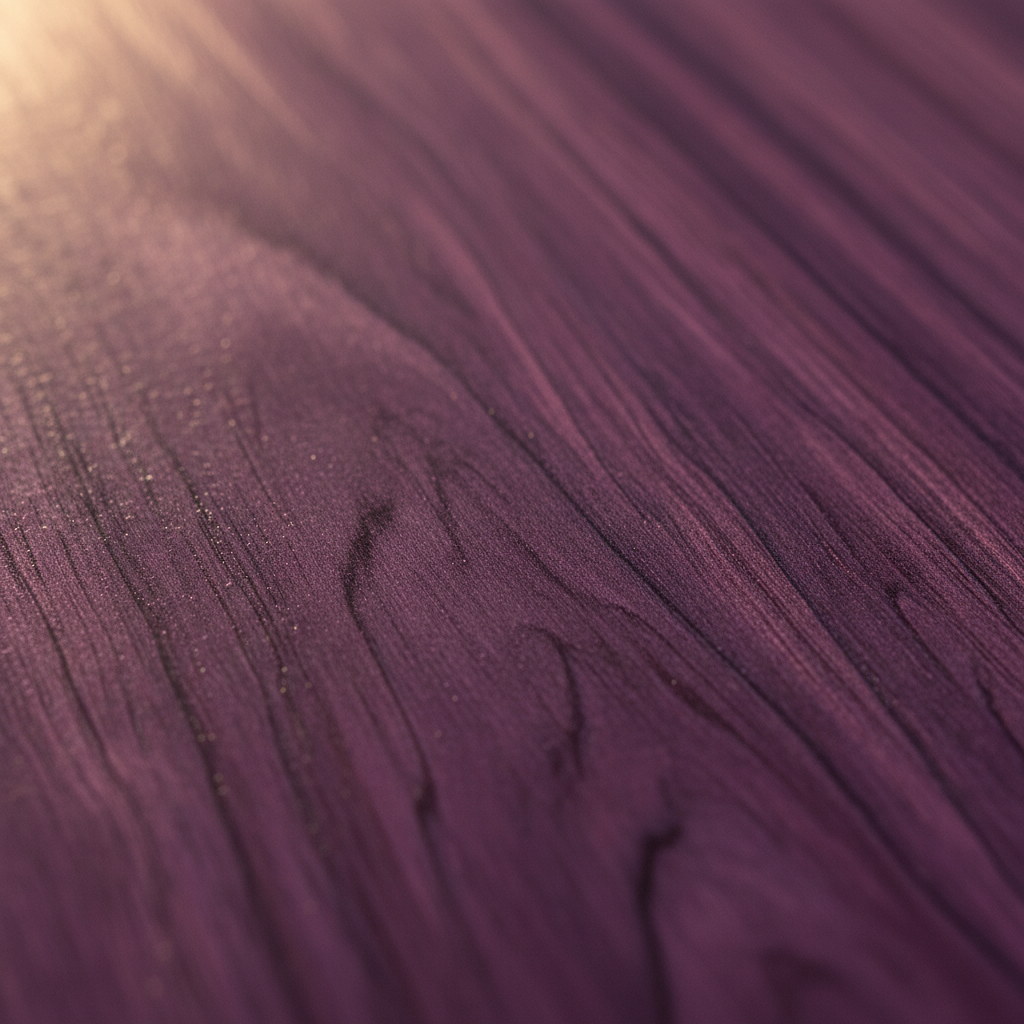
Purpleheart
Purpleheart is one of the most visually striking exotic woods, famous for its vivid violet color that develops upon UV exposure. Fresh-cut purpleheart is actually dull brown. The primary finishing challenge is preserving this dramatic purple color.
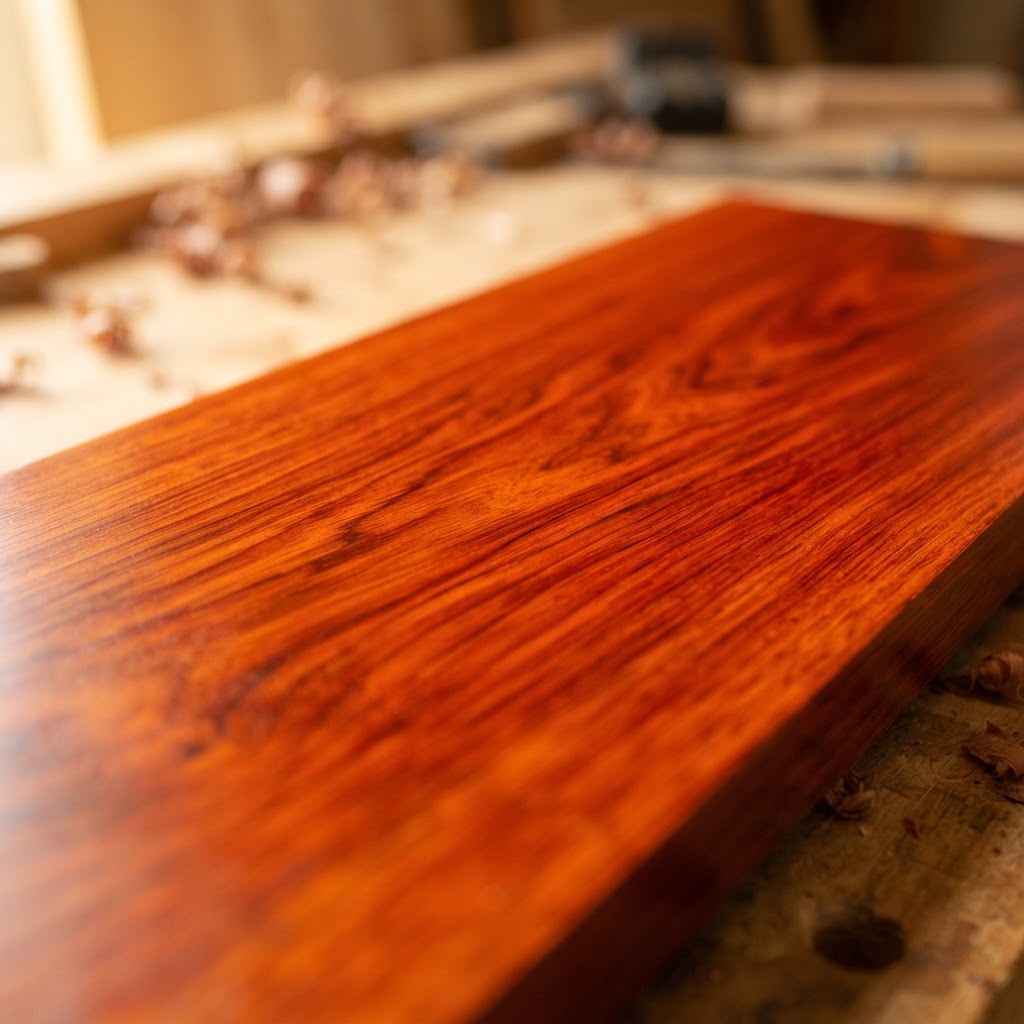
Padauk
African padauk is one of the most vividly colored woods in the world, with a fresh-cut surface that glows brilliant orange-red. Like purpleheart, padauk's color is its main attraction and biggest finishing challenge.
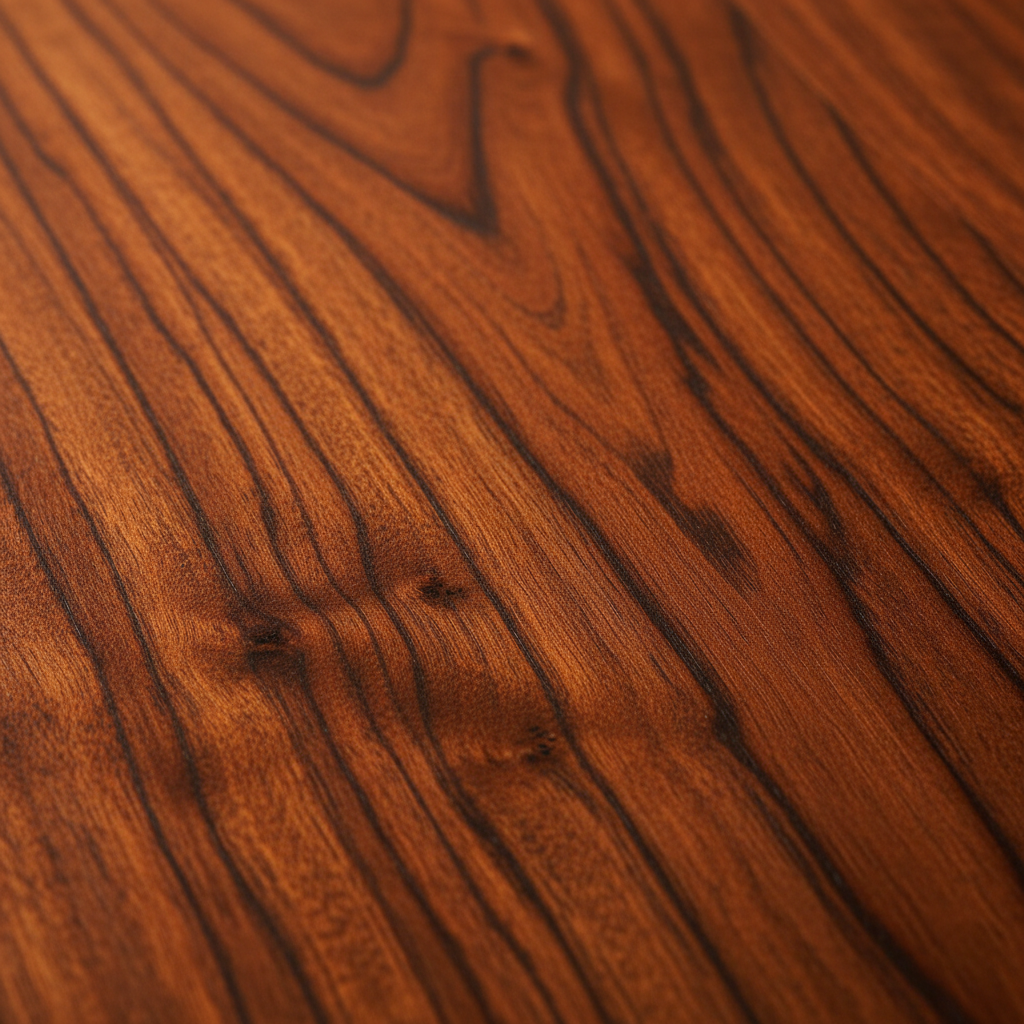
Tigerwood
Tigerwood is a dramatic tropical hardwood known for its striking orange-brown color with dark streaks resembling tiger stripes. Its bold appearance makes it a showpiece wood for decking and flooring.
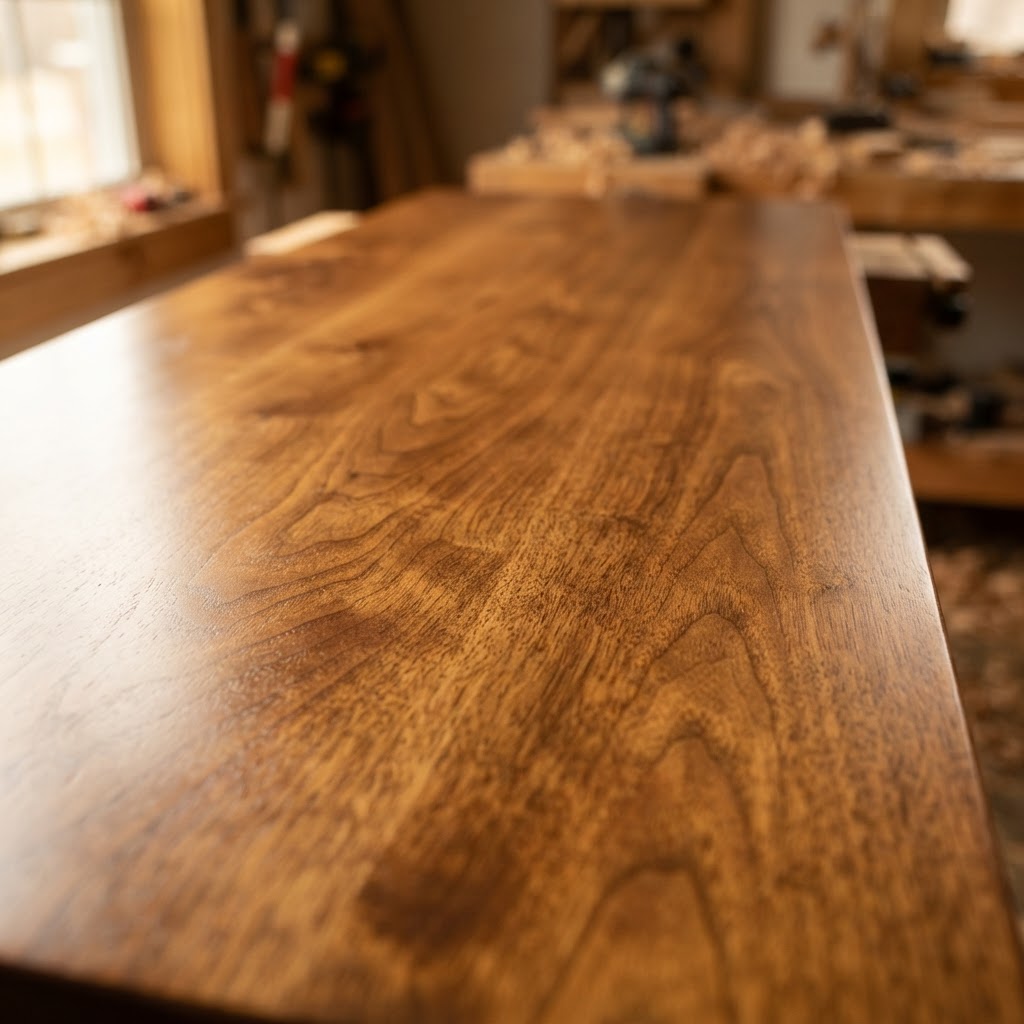
Beech
Beech is a strong, dense hardwood used extensively in European furniture, tool handles, and food-contact surfaces. Its fine, uniform grain and excellent workability make it versatile for many projects.
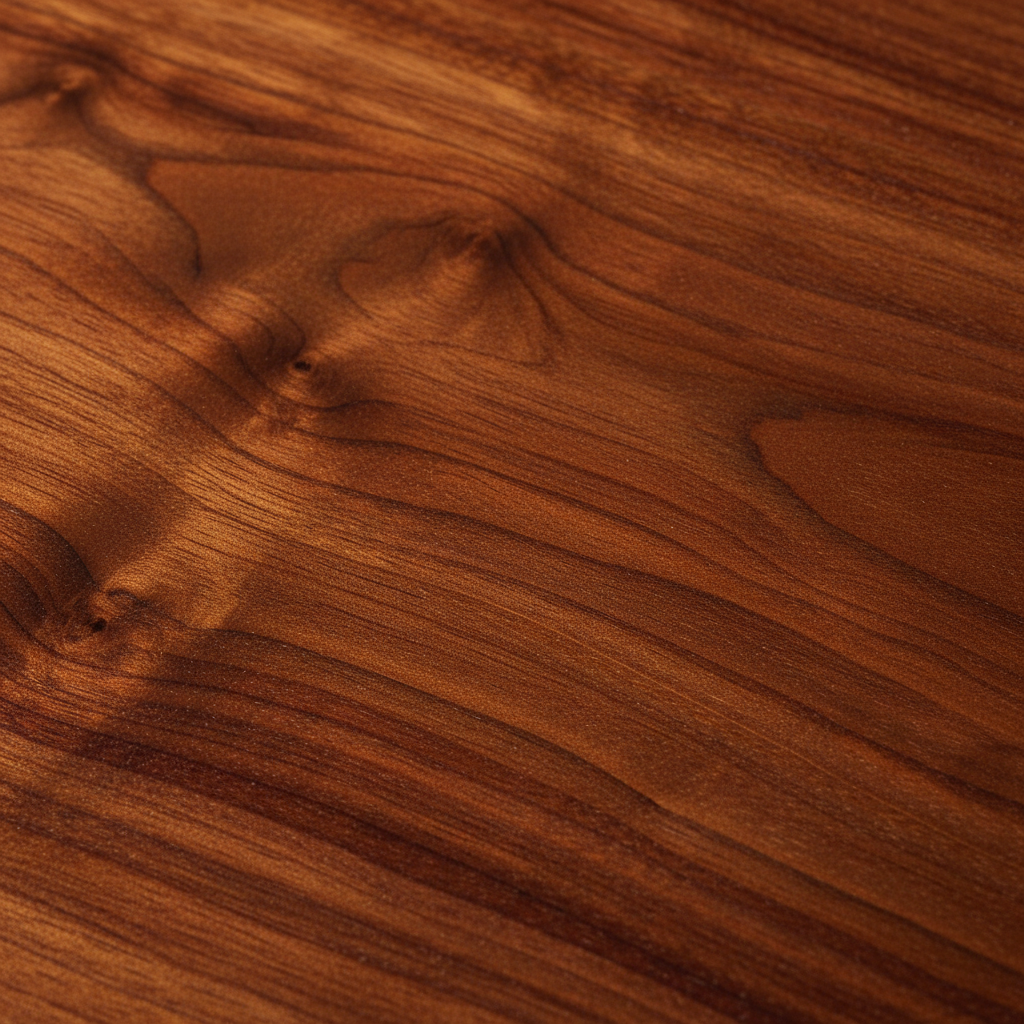
Sapele
Sapele is an African hardwood often used as an alternative to genuine mahogany, offering similar rich color at a more accessible price. Its distinctive ribbon-stripe figure on quartersawn surfaces makes it visually striking.
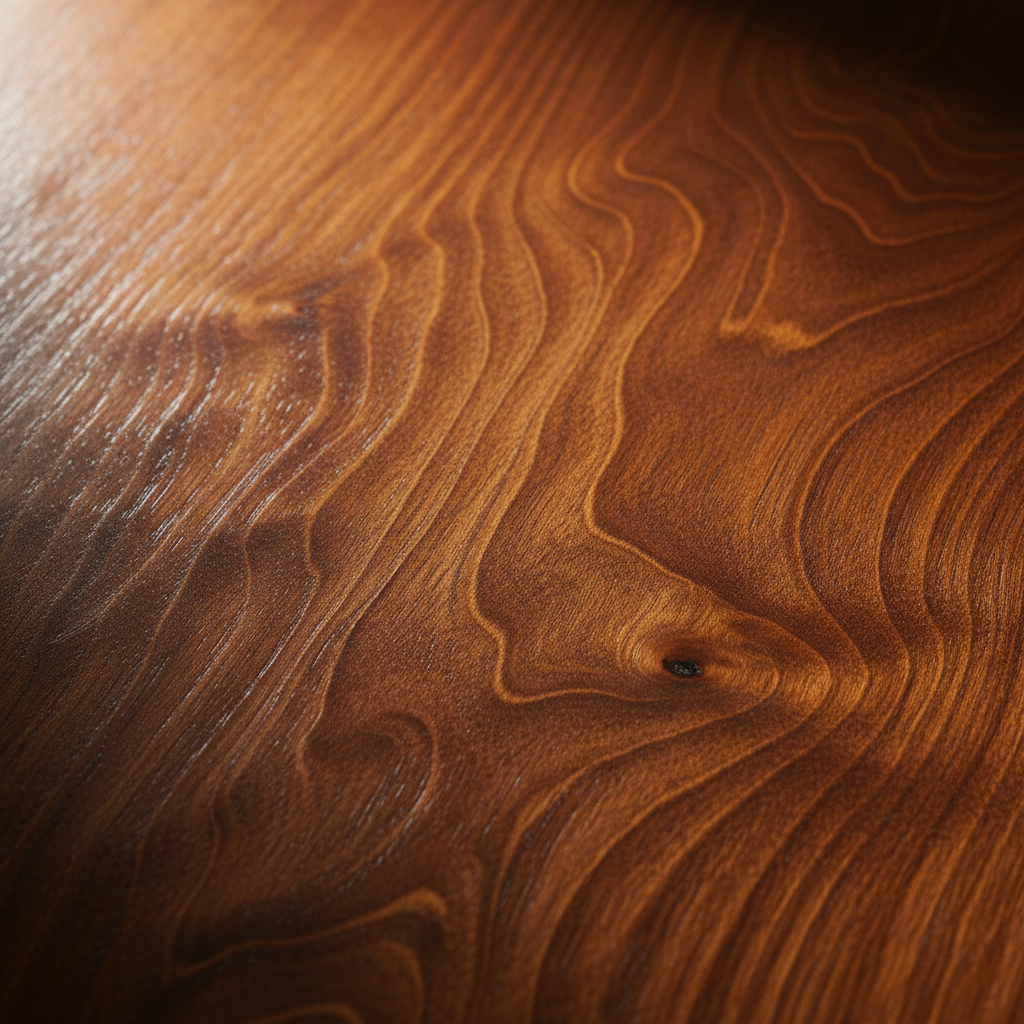
Douglas Fir
Douglas fir is one of America's most important structural and finish-grade softwoods, valued for its strength, warm color, and dramatic grain pattern. Its distinctive contrast between soft earlywood and hard latewood creates finishing challenges but also bold, rustic beauty.
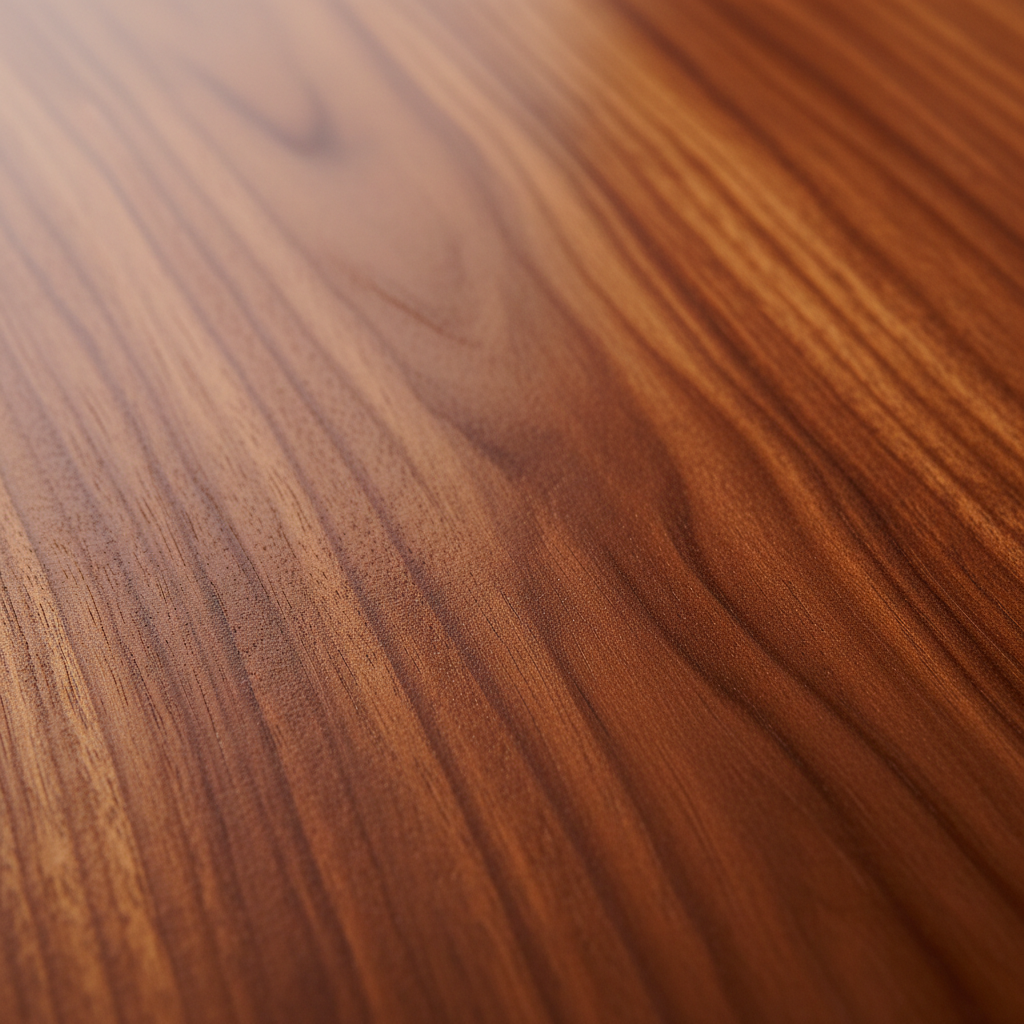
Redwood
Redwood is one of America's most beautiful and naturally durable softwoods, prized for its rich reddish-brown color and outstanding weather resistance. Its natural tannins provide insect and decay resistance, making it ideal for outdoor projects.
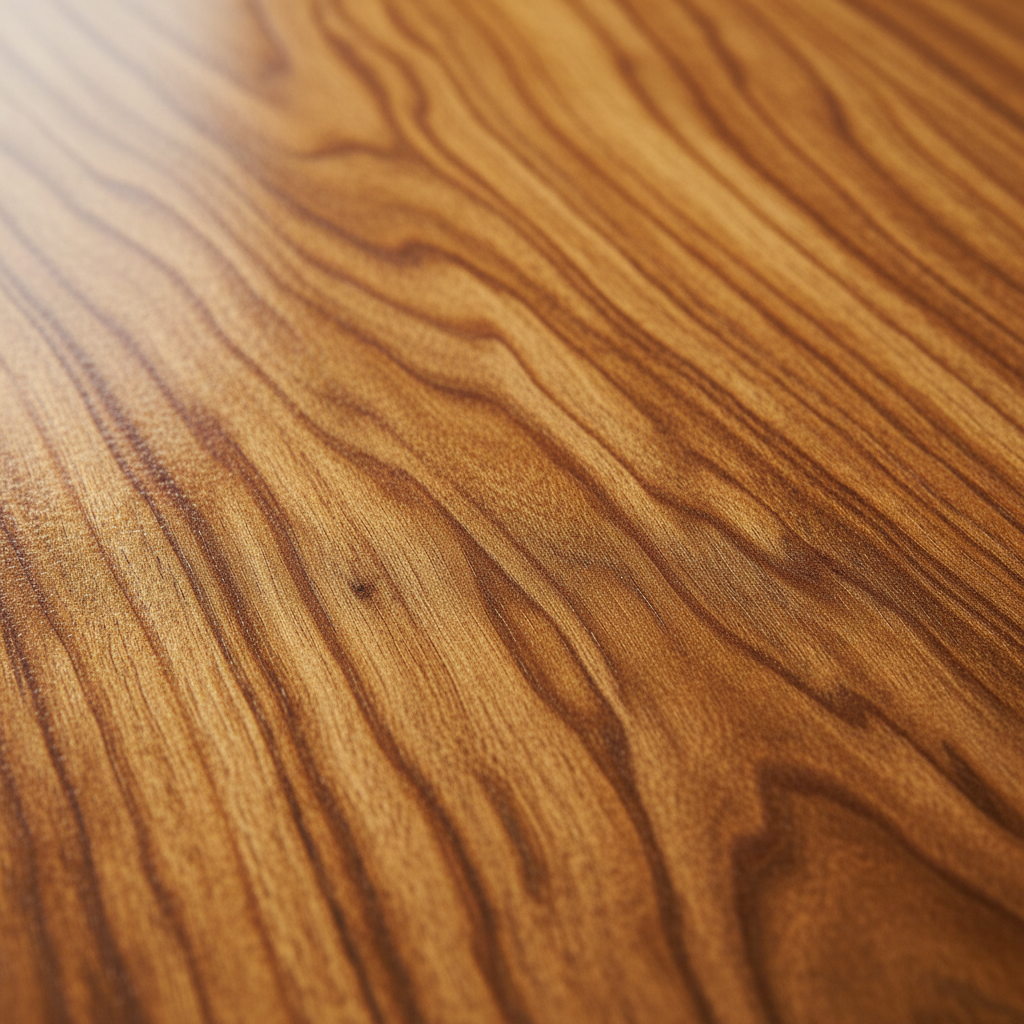
Hickory
Hickory is the hardest and strongest common North American hardwood, known for dramatic color variation between its white sapwood and brown heartwood. Its bold grain and exceptional durability make it a top choice for rustic flooring and cabinetry.
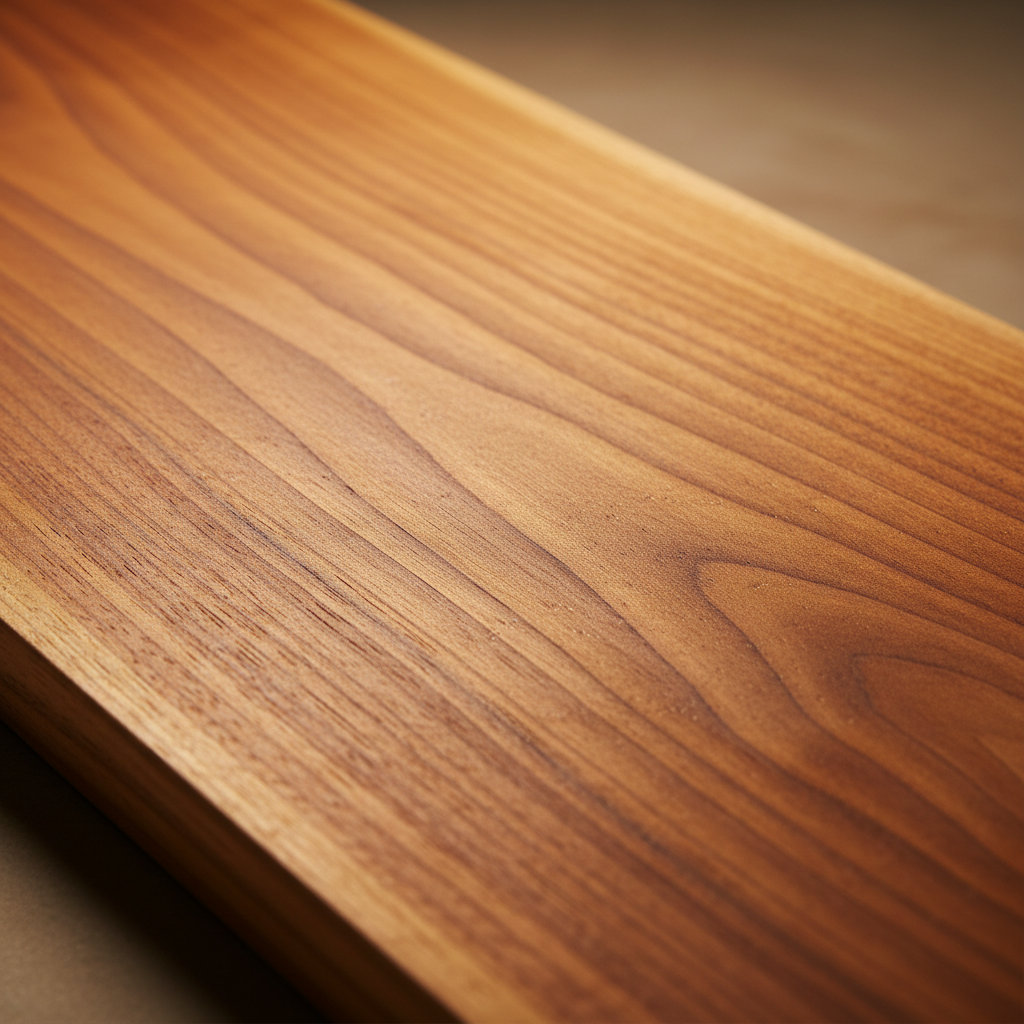
Cypress
Bald cypress is a remarkably durable softwood native to the southeastern United States, historically used for siding, shingles, and outdoor construction. Its natural extractives provide excellent decay and insect resistance.
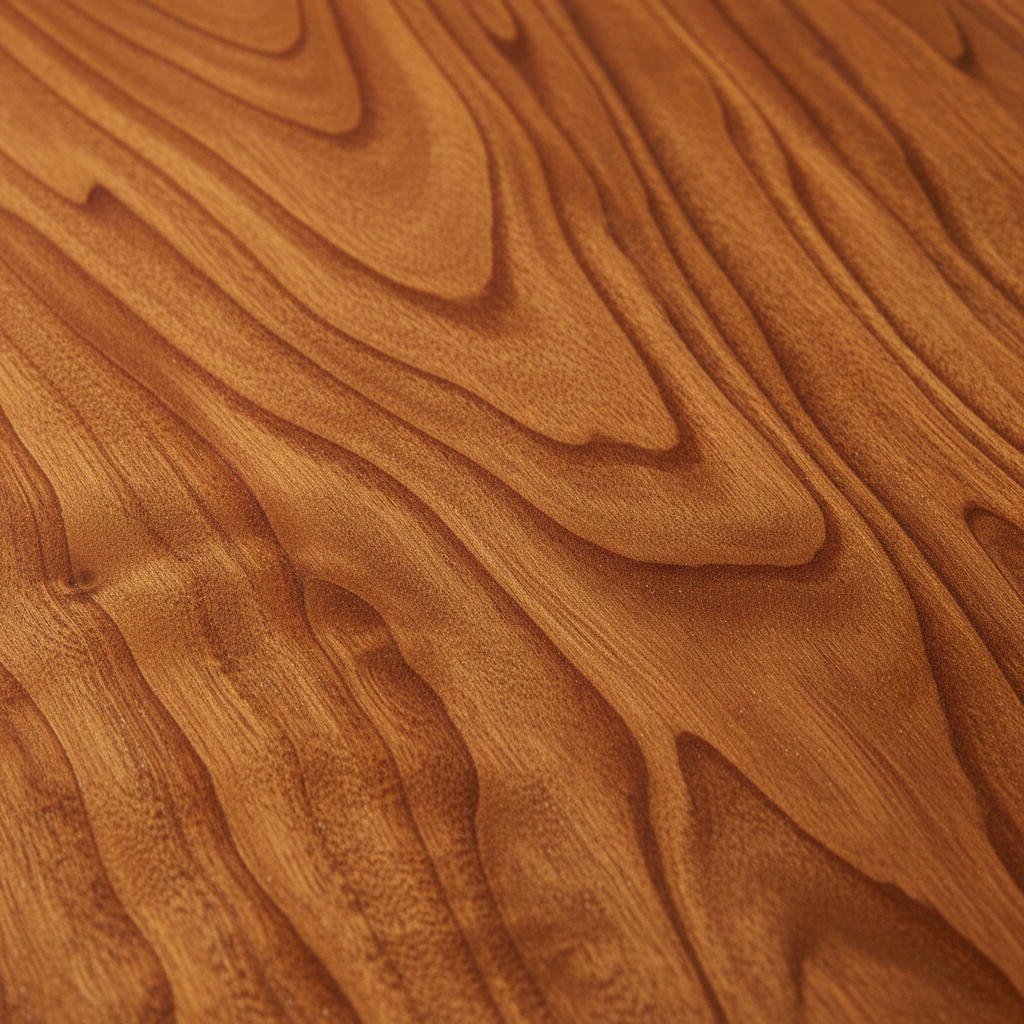
Cumaru
Cumaru, often marketed as Brazilian teak, is one of the hardest commercially available decking woods. Its rich golden-brown color and excellent durability make it a popular and more affordable alternative to genuine ipe.
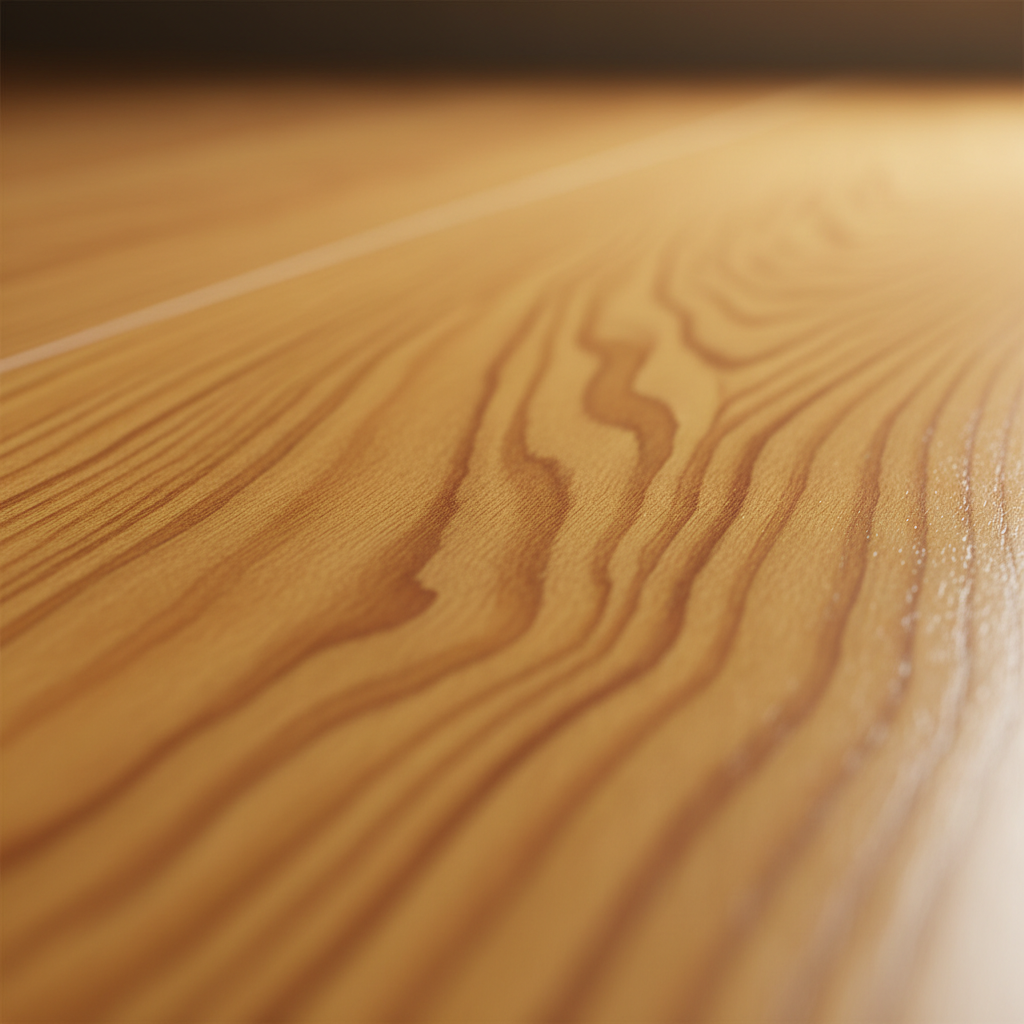
Garapa
Garapa, sometimes called Brazilian ash, is a dense tropical hardwood prized for its light golden-blonde color that sets it apart from darker tropical species. It offers excellent durability at a more moderate price than ipe or cumaru.
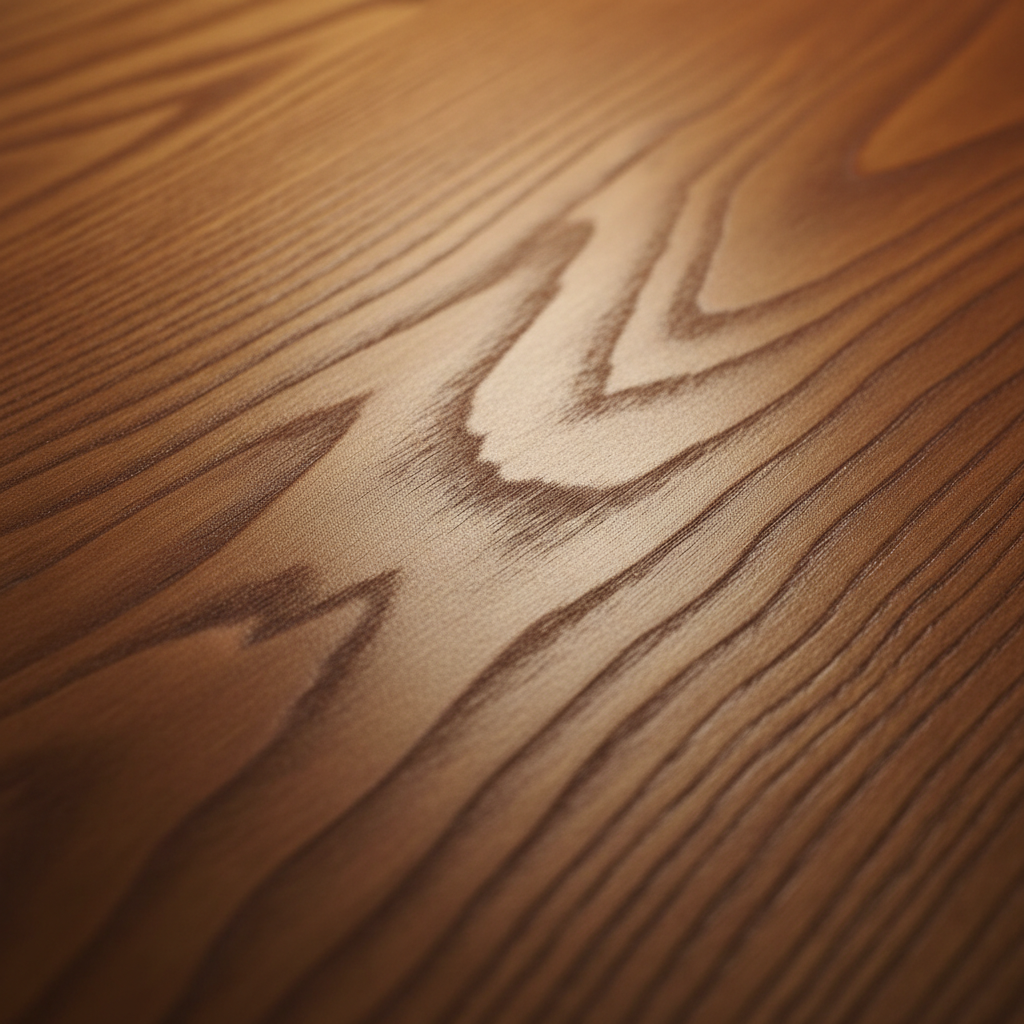
Ash
Ash is a strong, resilient hardwood with bold, open grain that rivals oak in visual impact. Its light color and excellent shock resistance make it popular for flooring, tool handles, and furniture.
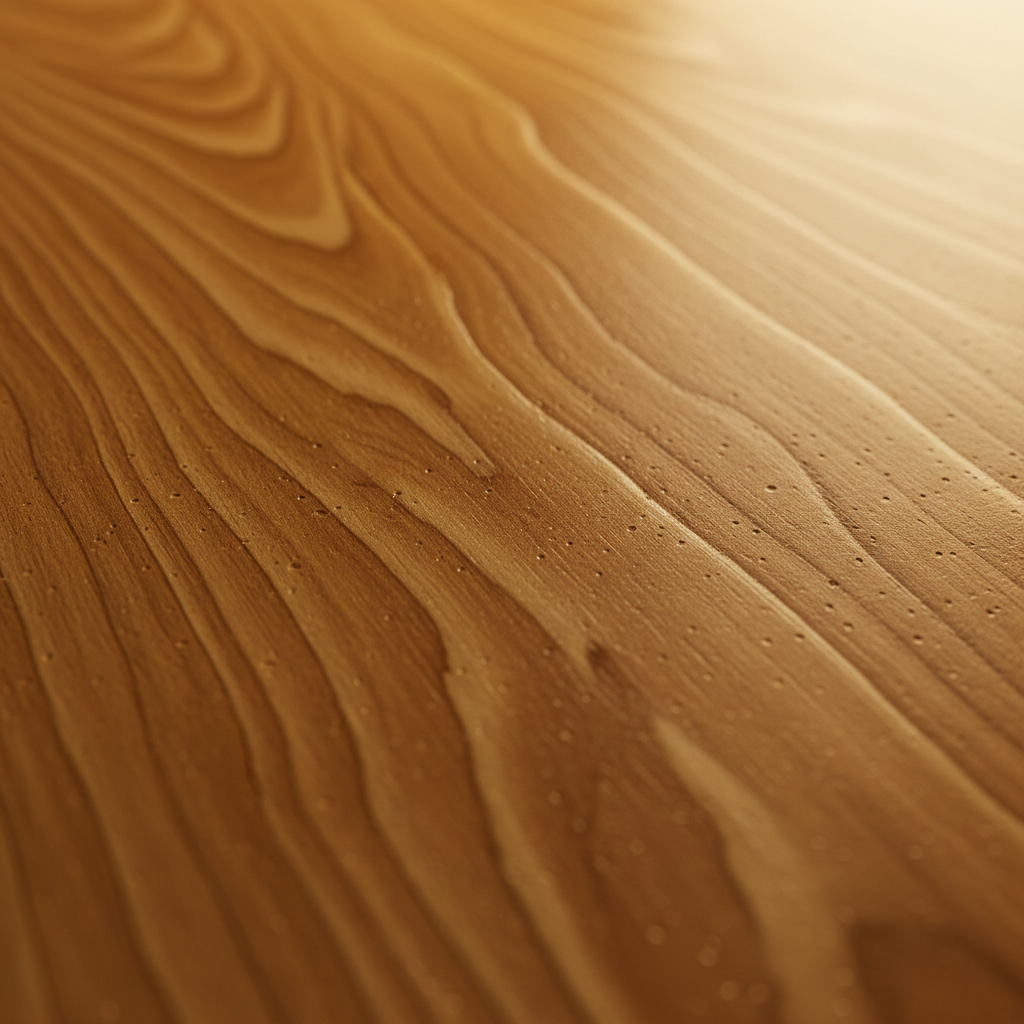
Birch
Birch is a fine-grained hardwood popular for plywood, cabinetry, and furniture. Its light color and smooth texture are attractive, but its variable density causes blotching when stained, similar to maple and cherry.
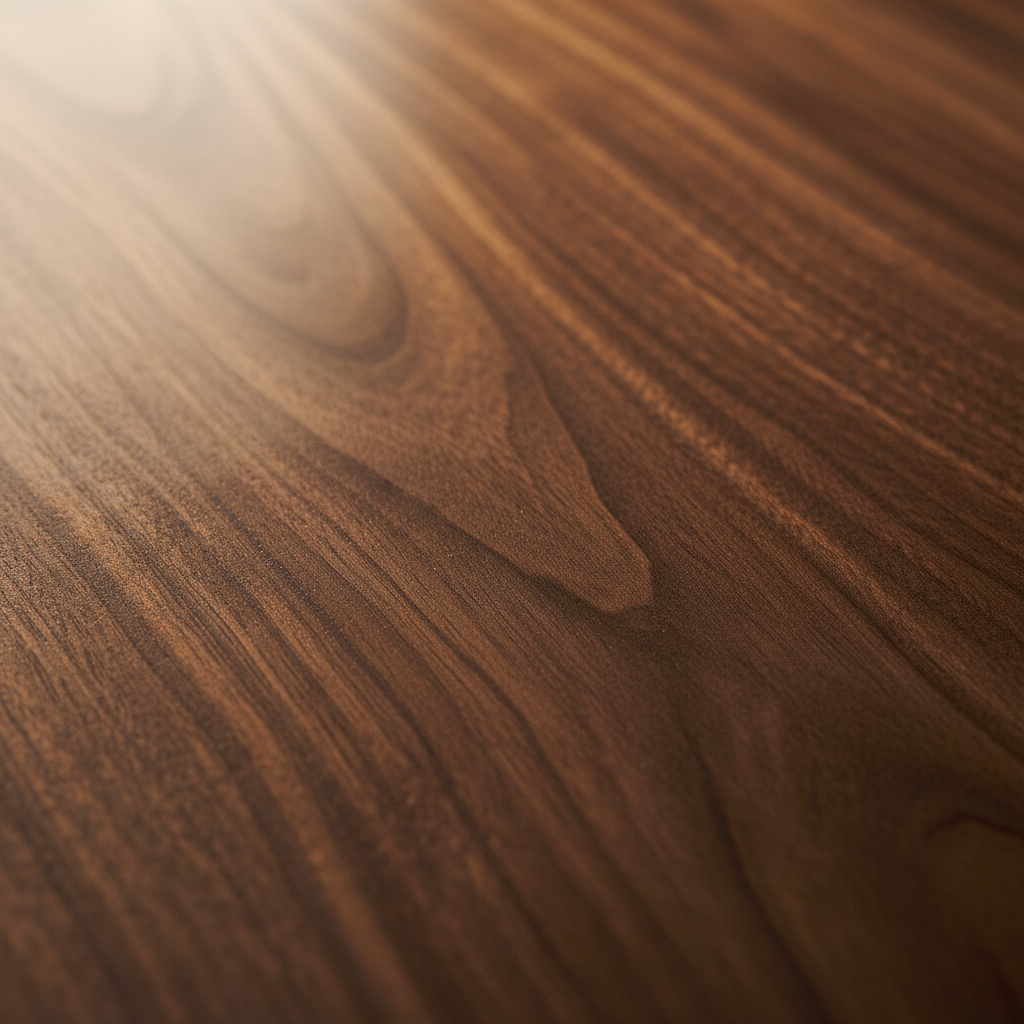
Black Walnut
Black walnut is a premier American hardwood celebrated for its rich, chocolate-brown heartwood and straight grain. Most finishers prefer a clear or natural finish to showcase walnut's inherent beauty rather than staining it.
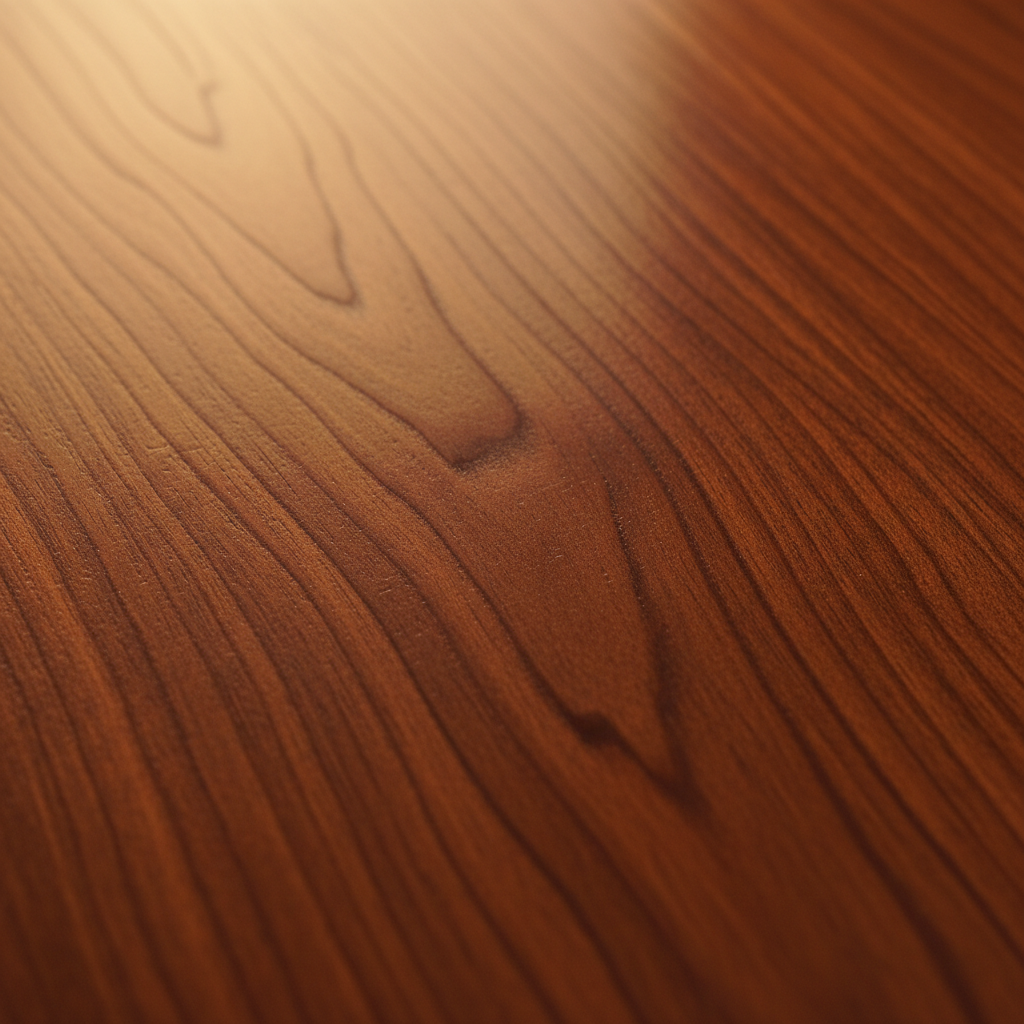
Cherry
American cherry is beloved for its warm reddish-brown color that deepens dramatically with age and light exposure. Finishing cherry requires extra care because its variable density causes notorious blotching when stained.
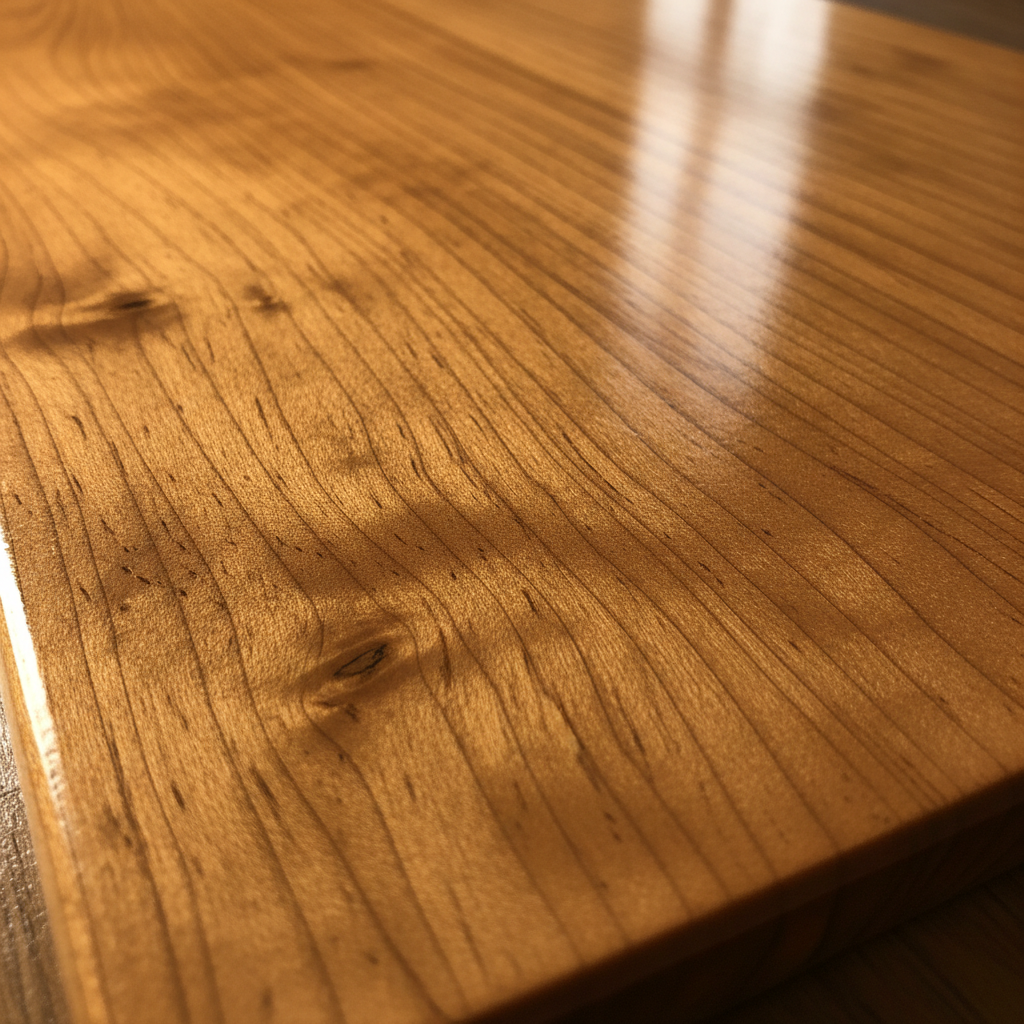
Hard Maple
Hard maple is one of the densest domestic hardwoods, prized for its creamy white color, fine grain, and exceptional durability. Its tight, closed grain resists stain absorption unevenly, making finishing challenging but rewarding.
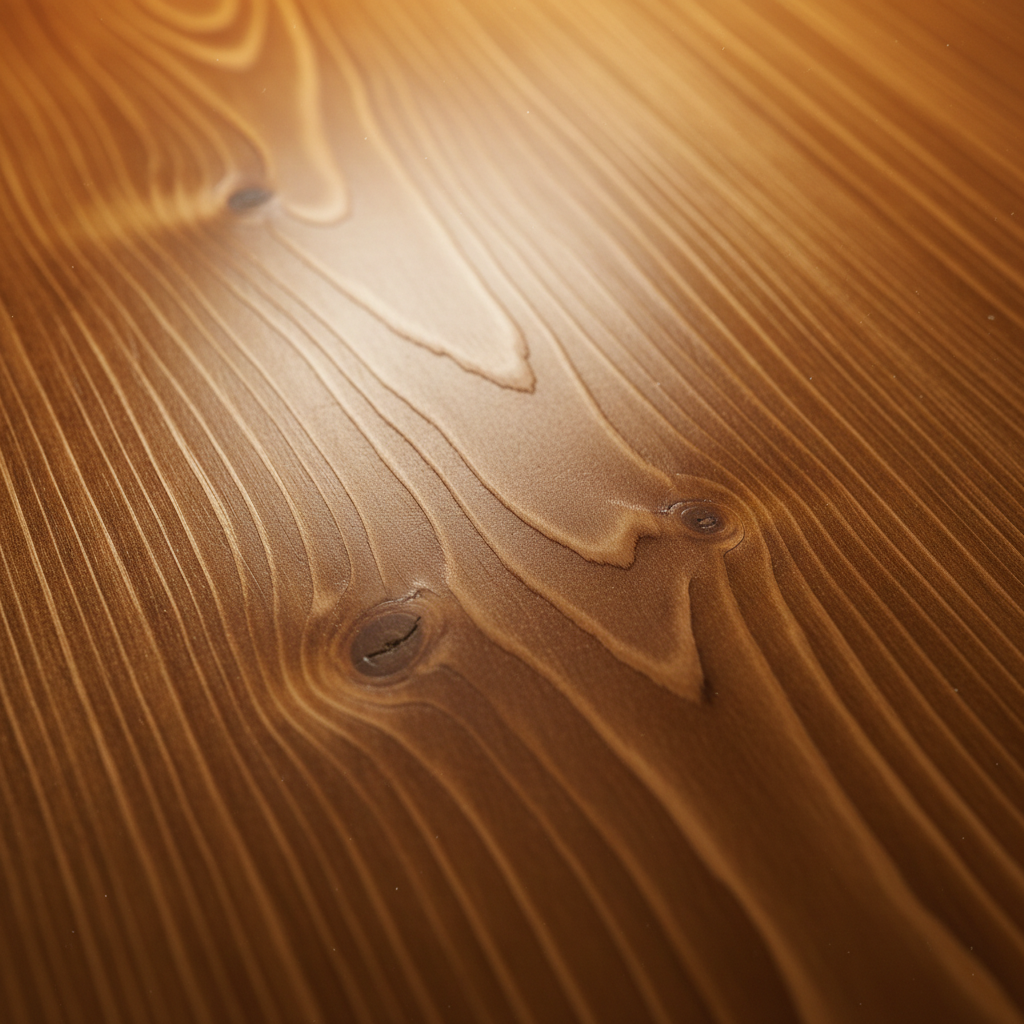
Pine
Pine is one of the most affordable and widely available softwoods, used in furniture, trim, and construction. Its soft, resinous nature makes it notoriously difficult to stain evenly, but with proper preparation pine can accept a beautiful finish.
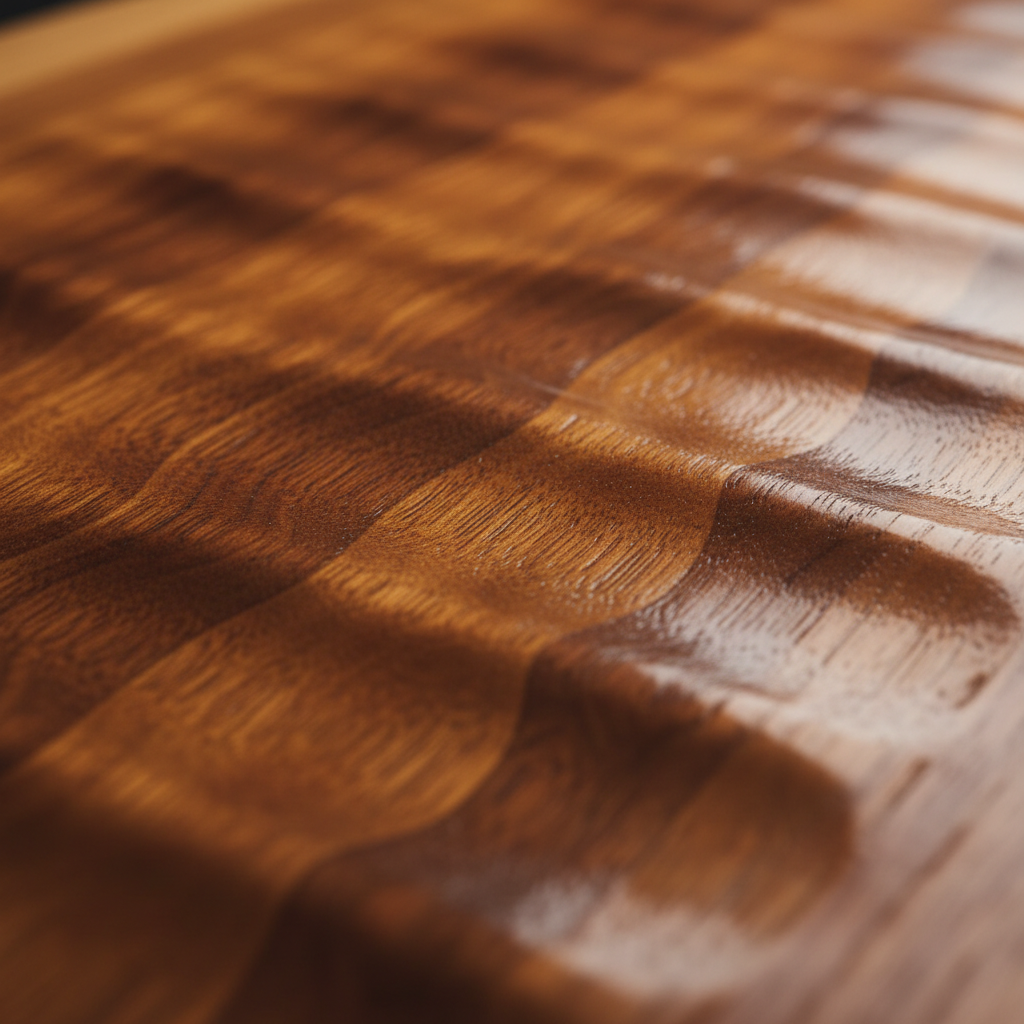
Teak
Teak is the world's most celebrated outdoor hardwood, renowned for its golden color, natural oil content, and unmatched weather resistance. Finishing teak is optional but preserves its warm honey-gold color rather than allowing it to weather to silver-gray.
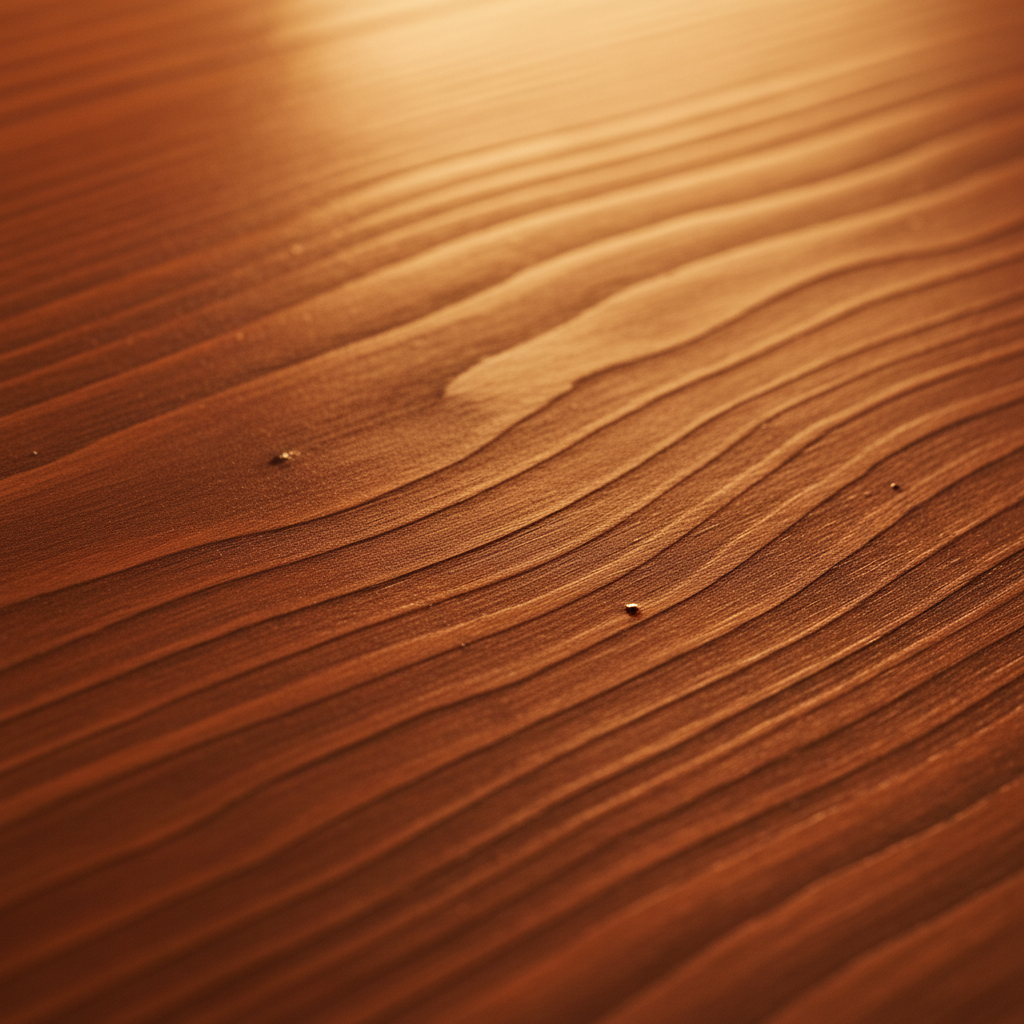
Western Red Cedar
Western red cedar is prized for its natural beauty, aromatic scent, and exceptional outdoor durability. Its natural extractives provide resistance to rot and insects, but they also present unique finishing challenges.
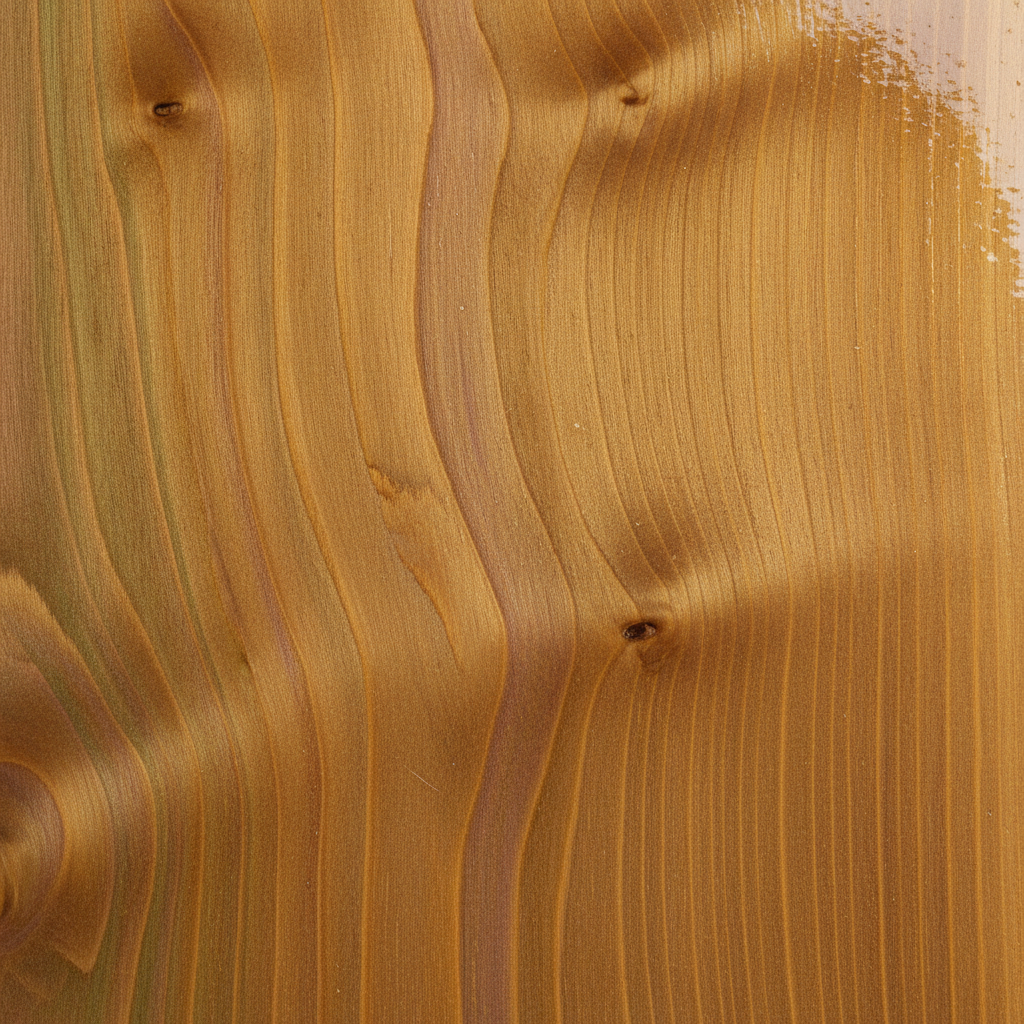
Poplar
Poplar is one of the most affordable and accessible hardwoods, commonly used for painted trim, furniture frames, and utility projects. While its greenish heartwood makes staining challenging, it is an excellent wood for painted finishes.
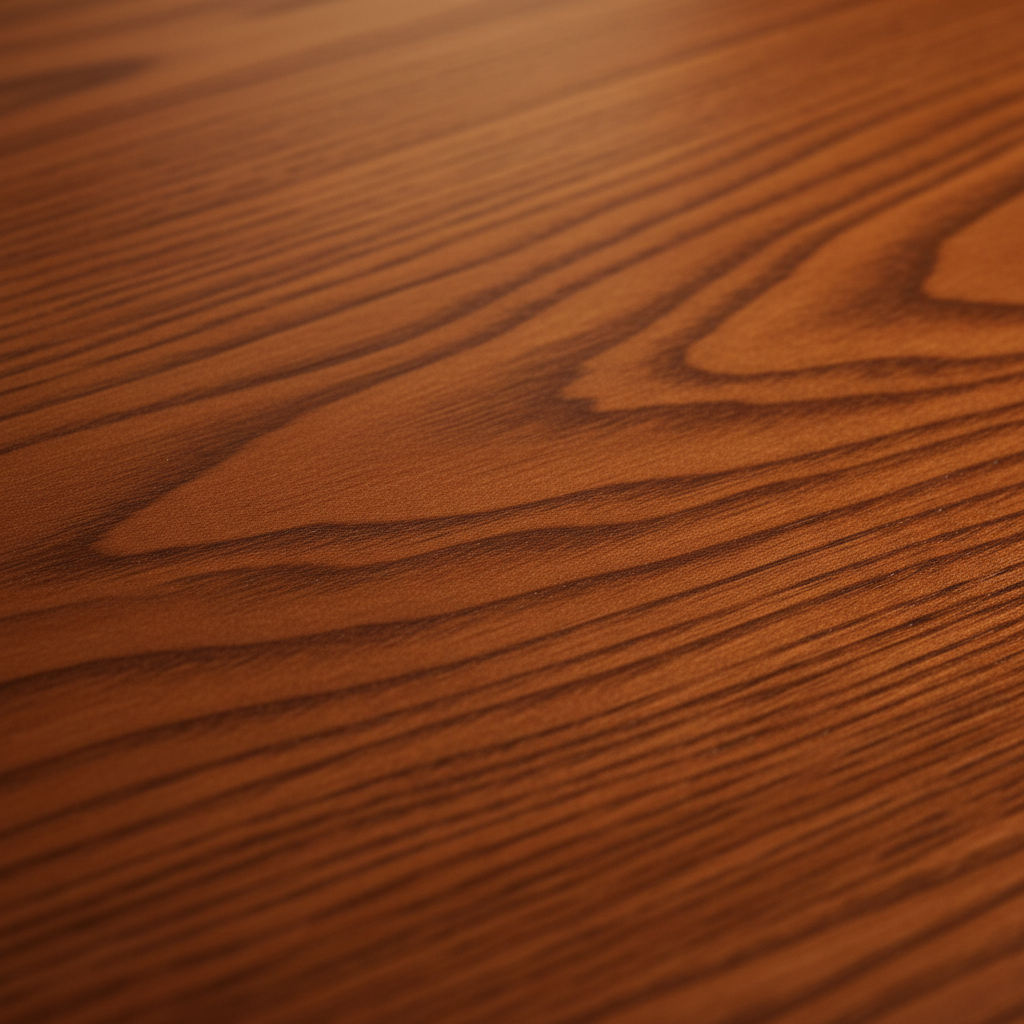
Red Oak
Red oak is America's most widely used hardwood, prized for its bold grain pattern and excellent stainability. Its open pores absorb finishes readily, making it a forgiving species for DIY finishers.
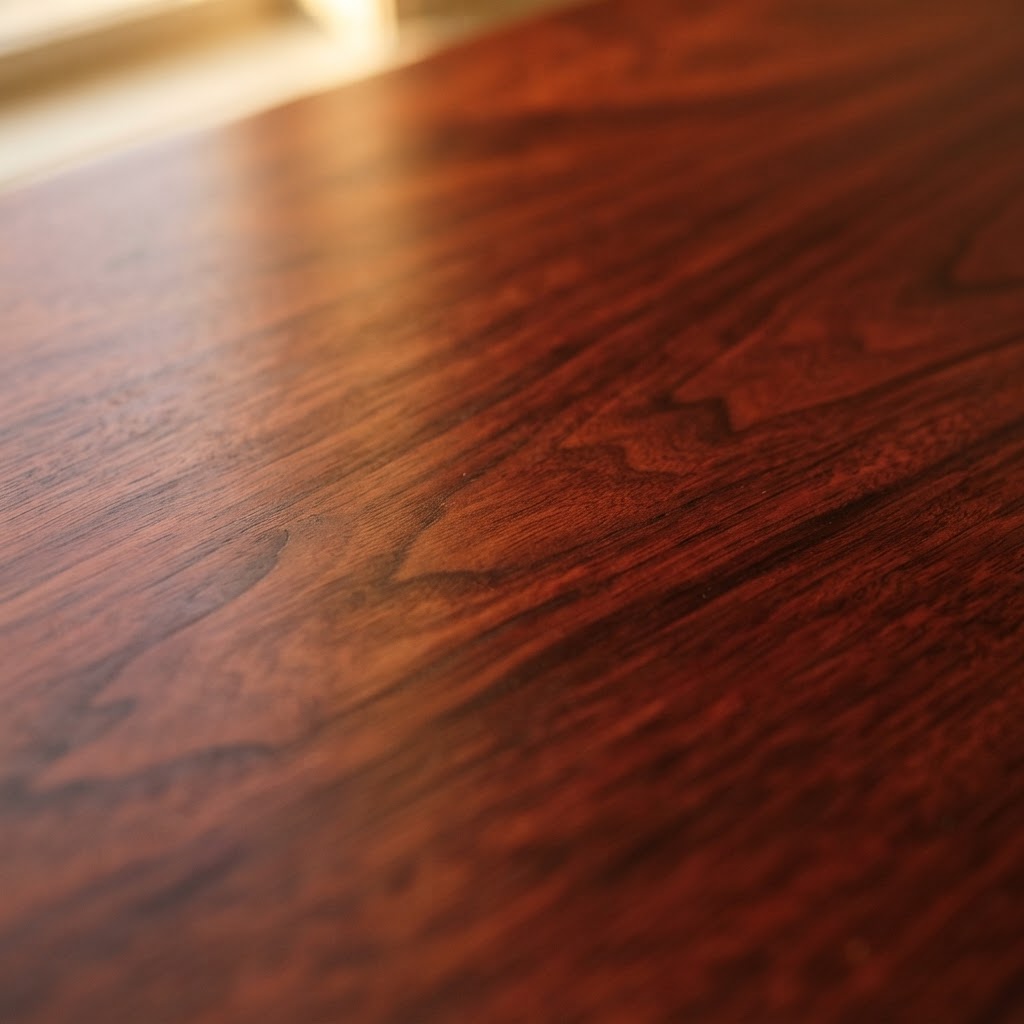
Genuine Mahogany
Genuine mahogany is the benchmark fine furniture wood, prized for centuries for its workability, stability, and rich reddish-brown color. Its open grain accepts finishes beautifully, and its natural luster deepens with age.
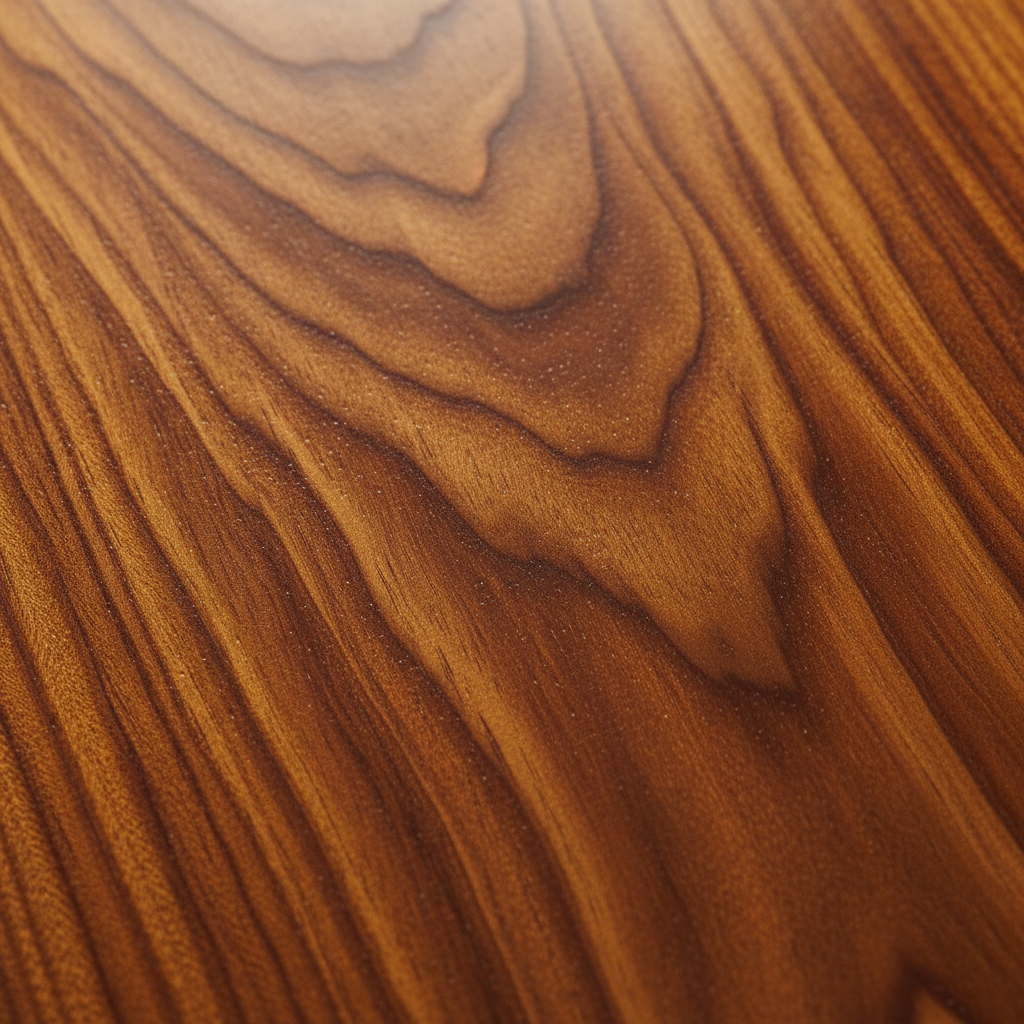
Ipe
Ipe is one of the hardest and most durable tropical hardwoods, widely considered the gold standard for decking. Its extreme density makes it virtually impervious to rot, insects, and fire, but that same density makes finishing a challenge.
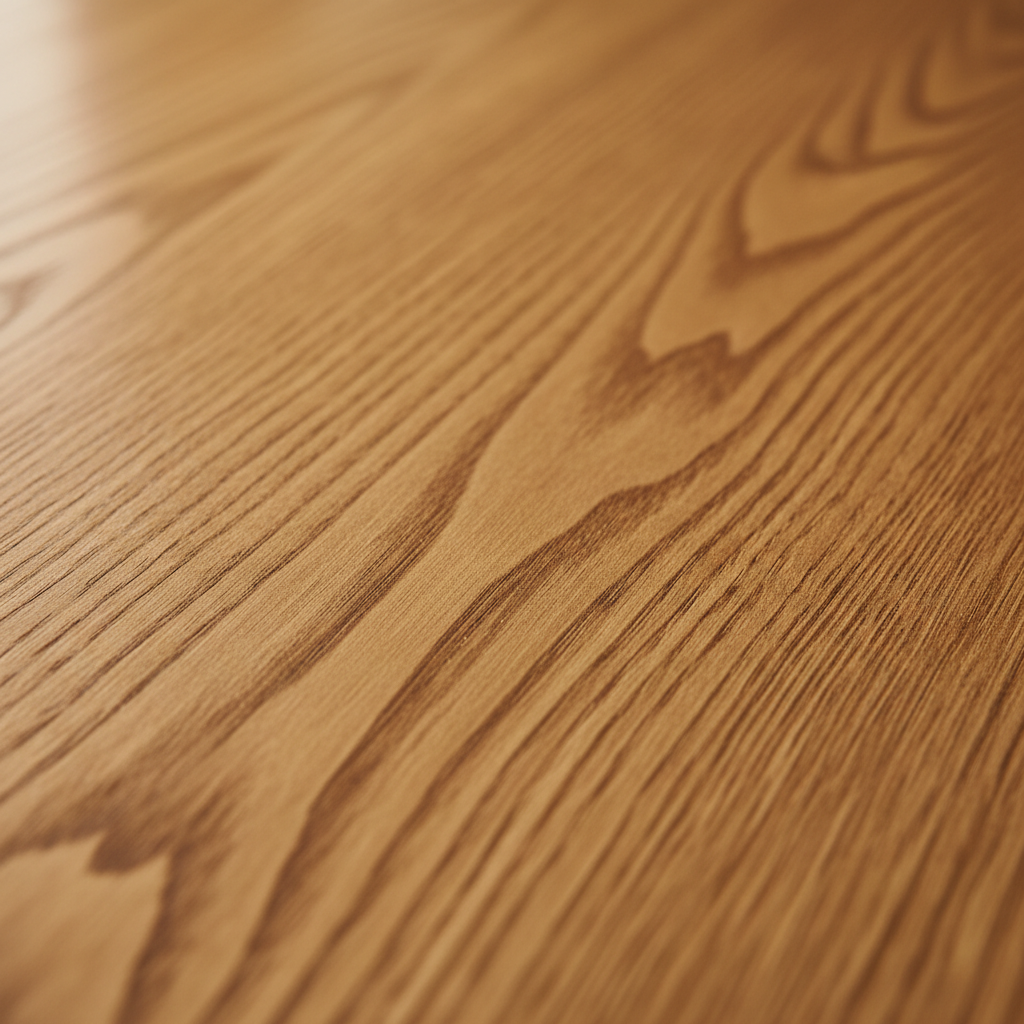
White Oak
White oak is one of the most popular hardwoods for finishing due to its tight grain and natural durability. Finishing white oak properly enhances its warm golden-brown tones while preserving its natural character.
Related Blog Posts
Fastening Dense Tropical Hardwoods Without Splitting or Staining
Ipe, cumaru and massaranduba punish the wrong fastener. Pre-drilling geometry, stainless grades, hidden clips and the tannin reaction that ruins a new deck.
Read articleAcclimating Hardwood Before Installation: A Practical Schedule
Most hardwood failures are moisture failures. Here is how to acclimate stock to your site's equilibrium moisture content, and how to know when it is actually ready.
Read articleHow Long Should Pressure Treated Lumber Dry Before Staining?
Most failed deck stain jobs come down to one thing: staining pressure treated lumber before it is dry enough to absorb anything. Here is how long to wait and how to test it yourself.
Read article