Flooring
furniture
cabinetry
exterior trim
boat building
decking
How to Finish White Oak: Complete Staining & Sealing Guide (2026)
Reviewed by Lumberama's Wood Finishing Team
|Last updated June 8, 2026White oak is one of the most popular hardwoods for finishing due to its tight grain and natural durability. Finishing white oak properly enhances its warm golden-brown tones while preserving its natural character.
Key Takeaways
- White oak is one of the most popular hardwoods for finishing due to its tight grain and natural durability.
- Finishing white oak properly enhances its warm golden-brown tones while preserving its natural character.
- Hardwax oil for natural matte; water-based poly for durability; Danish oil for satin finish; fumed ammonia for aged look.
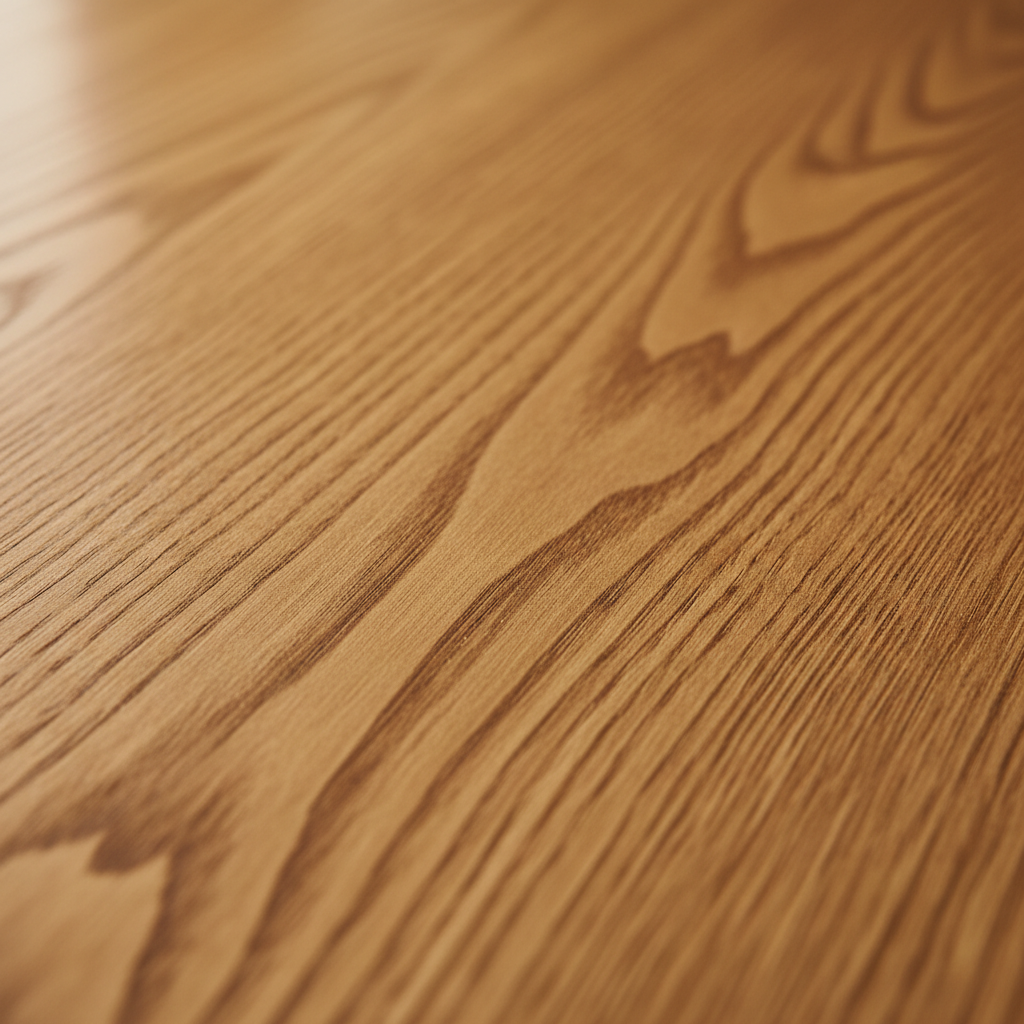
- Straight grain with ray fleck on quartersawn faces.
- Ring-porous with tyloses.
Wood Characteristics
Straight grain with ray fleck on quartersawn faces. Ring-porous with tyloses. 1360 Janka. Light tan to golden brown. High tannin content.
Recommended Finishes
Hardwax oil for natural matte; water-based poly for durability; Danish oil for satin finish; fumed ammonia for aged look.
Preparation Steps
Sand through 80, 120, 150, 180 grit. No conditioner needed. Raise grain with damp cloth if using water-based finishes.
Application Steps
Apply thin coat with brush or cloth. Penetrate 10-15 min, wipe excess. Dry 24 hours. Sand 320 grit between coats. Apply 2-3 coats total.
Maintenance Schedule
Oil: refresh annually. Poly: recoat every 3-5 years for floors. Full refinish every 10-15 years.
Common Mistakes
Steel wool causes black tannin stains. Oil finishes too thick look plastic. Skip grain raising and get rough texture. Gel stains mask ray fleck.
Interior vs Exterior
Interior: Hardwax oil or water-based poly. Use stainless fasteners. Exterior: Naturally rot-resistant. Use UV-protective oil annually.
Frequently Asked Questions
Related Guides
Live-edge furniture, flooring, cutting boards, outdoor furniture, turned objects, decorative pieces
Acacia
Learn how to finish acacia wood for furniture, flooring, and cutting boards. Expert tips on enhancin
Read guideFurniture, flooring, outdoor applications, boat building, joinery, window frames
Afrormosia
Expert guide to finishing afrormosia wood. Learn how to enhance this premium teak alternative for fu
Read guideCabinetry, furniture, interior trim, doors, turned objects, craft projects
Alder
Expert guide to finishing alder wood for cabinets and furniture. Learn how to stain alder to mimic c
Read guideDecking, dock pilings, heavy construction, marine applications, boardwalks, retaining walls
Angelim Pedra
Complete guide to finishing angelim pedra for decking and heavy construction. Learn oiling, sealing,
Read guide