Live-edge furniture
rustic tables
turned bowls
reclaimed projects
decorative pieces
How to Finish Elm: Complete Staining & Sealing Guide (2026)
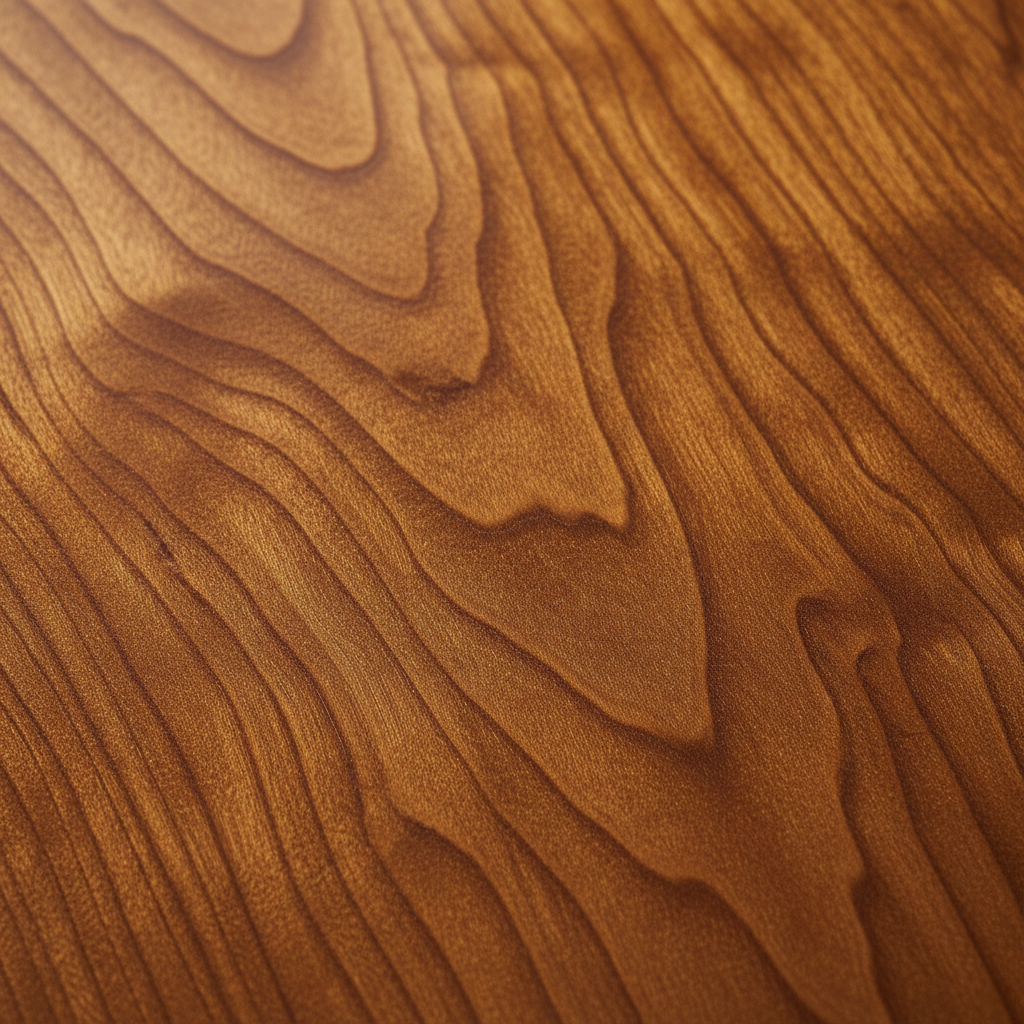
Elm is a distinctive hardwood known for its interlocked grain, which creates dramatic figure patterns especially in live-edge slabs. Though devastated by Dutch elm disease, reclaimed and salvaged elm remains popular for rustic furniture and statement pieces.
Key Takeaways
- Elm is a distinctive hardwood known for its interlocked grain, which creates dramatic figure patterns especially in live-edge slabs.
- Though devastated by Dutch elm disease, reclaimed and salvaged elm remains popular for rustic furniture and statement pieces.
- Epoxy resin for live-edge slabs; oil-varnish blends for furniture; water-based poly for clear protection; Danish oil for natural hand-rubbed finish.
- Interlocked, sometimes wavy grain with coarse texture.
- Ring-porous with large pores.
Wood Characteristics
Interlocked, sometimes wavy grain with coarse texture. Ring-porous with large pores. 830 Janka. Light to medium brown, sometimes with reddish tint. Low to moderate tannin.
Recommended Finishes
Epoxy resin for live-edge slabs; oil-varnish blends for furniture; water-based poly for clear protection; Danish oil for natural hand-rubbed finish.
Preparation Steps
Sand through 80, 120, 150, 180 grit. Interlocked grain tears easily. Use card scraper for problem areas. Fill bark inclusions and voids with epoxy if desired. No conditioner needed.
Application Steps
1. Fill voids and bark with epoxy if desired. 2. Sand flush when cured. 3. Apply finish in thin coats with grain. 4. Dry 24 hours between coats. 5. Sand 320 between coats. 6. Apply 2-3 coats. 7. For live-edge: pour epoxy per product directions.
Maintenance Schedule
Oil: refresh every 6-12 months. Poly: recoat every 5-7 years. Epoxy: virtually maintenance-free. Elm ages gracefully, developing warmer tones over time.
Common Mistakes
Not handling interlocked grain tearout; using thick film finish on rustic pieces that looks unnatural; not properly filling voids before finishing; sanding too aggressively on this moderately soft wood.
Interior vs Exterior
Interior: Beautiful for live-edge tables, rustic furniture, and statement pieces. Interlocked grain adds dramatic visual interest. Exterior: Elm has poor outdoor durability and should not be used for exterior applications.
Frequently Asked Questions
Its dramatic interlocked grain and wide boards create stunning figured patterns.
Salvaged elm from disease-killed trees is available. Some Asian elms are also commercially sold.
Yes, elm accepts stain fairly evenly. Its interlocked grain creates attractive contrast between stained areas.
Related Guides
Live-edge furniture, flooring, cutting boards, outdoor furniture, turned objects, decorative pieces
Acacia
Learn how to finish acacia wood for furniture, flooring, and cutting boards. Expert tips on enhancin
Read guideFurniture, flooring, outdoor applications, boat building, joinery, window frames
Afrormosia
Expert guide to finishing afrormosia wood. Learn how to enhance this premium teak alternative for fu
Read guideCabinetry, furniture, interior trim, doors, turned objects, craft projects
Alder
Expert guide to finishing alder wood for cabinets and furniture. Learn how to stain alder to mimic c
Read guideDecking, dock pilings, heavy construction, marine applications, boardwalks, retaining walls
Angelim Pedra
Complete guide to finishing angelim pedra for decking and heavy construction. Learn oiling, sealing,
Read guide