Timber framing
interior paneling
saunas
trim
ceiling boards
construction lumber
How to Finish Hemlock: Complete Staining & Sealing Guide (2026)
Hemlock is a moderately dense softwood popular for timber framing, interior paneling, and sauna construction. Its light color, straight grain, and relative lack of pitch make it easier to finish than many other softwoods.
Key Takeaways
- Hemlock is a moderately dense softwood popular for timber framing, interior paneling, and sauna construction.
- Its light color, straight grain, and relative lack of pitch make it easier to finish than many other softwoods.
- Clear water-based poly for light color; Danish oil for natural satin; lacquer for interior trim; exterior stain for outdoor applications; no finish needed in saunas.
- Straight, even grain with fine texture.
- Light reddish-brown to pale tan.
Wood Characteristics
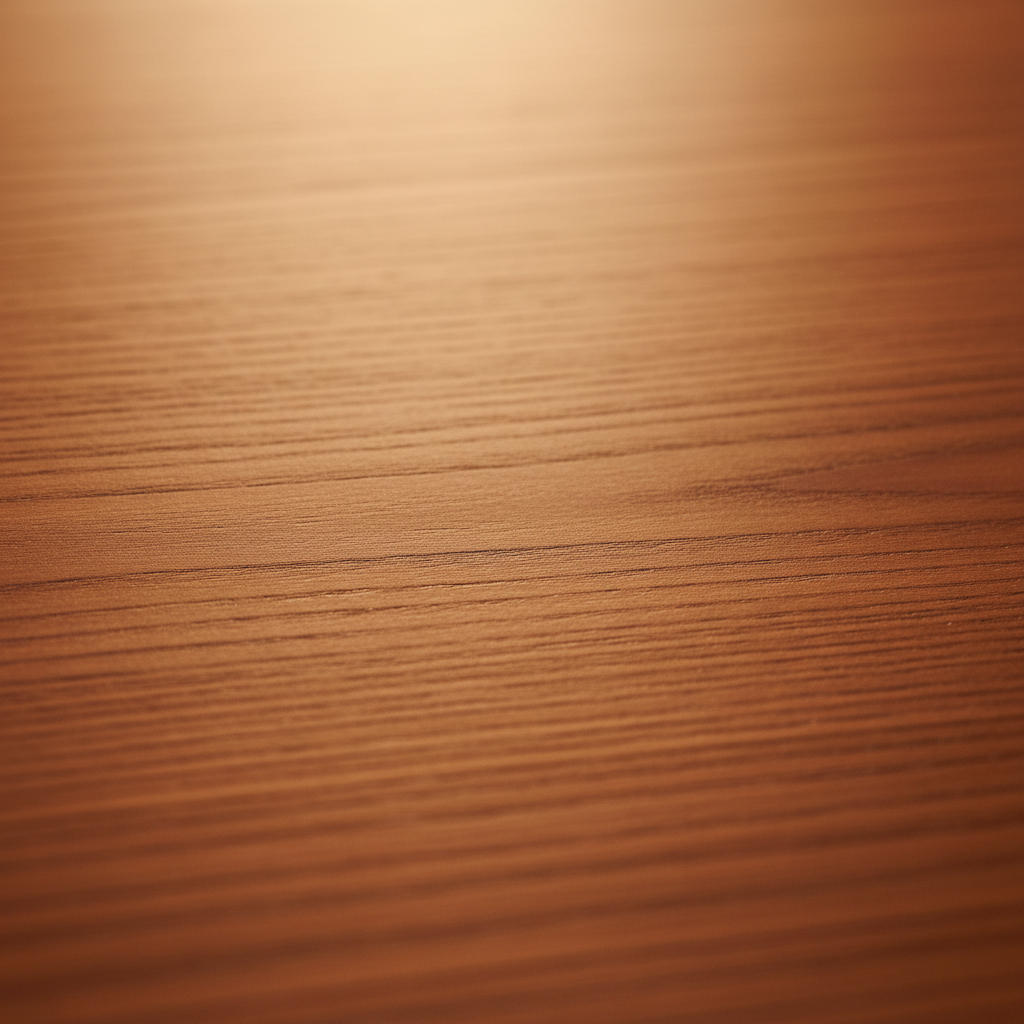
Straight, even grain with fine texture. Non-porous softwood. 500 Janka. Light reddish-brown to pale tan. Very low tannin. Low resin content compared to pine and fir.
Recommended Finishes
Clear water-based poly for light color; Danish oil for natural satin; lacquer for interior trim; exterior stain for outdoor applications; no finish needed in saunas.
Preparation Steps
Sand through 120, 150, 180 grit. Hemlock sands smoothly with minimal resin issues. Pre-stain conditioner helpful if staining. Clean with tack cloth.
Application Steps
1. Sand smooth. 2. Apply conditioner if staining. 3. Apply finish in thin coats. 4. Dry 24 hours. 5. Sand 220-320 between coats. 6. Apply 2-3 coats. 7. For saunas, leave unfinished or use sauna-specific oil.
Maintenance Schedule
Interior poly: recoat every 5-8 years. Oil: refresh every 6-12 months. Exterior stain: reapply every 2-3 years. Hemlock ages to a warm honey tone.
Common Mistakes
Confusing hemlock (tree) with poison hemlock (plant); using finish in saunas that off-gasses; not applying conditioner before staining; expecting hemlock to perform like cedar outdoors.
Interior vs Exterior
Interior: Excellent for timber frames, paneling, saunas, and trim. Low resin makes it pleasant in heat applications. Exterior: Limited outdoor durability. Requires stain or paint. Not suitable for ground contact.
Frequently Asked Questions
No, hemlock the tree is unrelated to poison hemlock the plant. Hemlock lumber is completely safe.
Low resin content means it won't ooze pitch when heated. It's comfortable to touch and doesn't get as hot as denser woods.
Hemlock is less durable outdoors but has a more uniform appearance and is less expensive.
Related Guides
Live-edge furniture, flooring, cutting boards, outdoor furniture, turned objects, decorative pieces
Acacia
Learn how to finish acacia wood for furniture, flooring, and cutting boards. Expert tips on enhancin
Read guideFurniture, flooring, outdoor applications, boat building, joinery, window frames
Afrormosia
Expert guide to finishing afrormosia wood. Learn how to enhance this premium teak alternative for fu
Read guideCabinetry, furniture, interior trim, doors, turned objects, craft projects
Alder
Expert guide to finishing alder wood for cabinets and furniture. Learn how to stain alder to mimic c
Read guideDecking, dock pilings, heavy construction, marine applications, boardwalks, retaining walls
Angelim Pedra
Complete guide to finishing angelim pedra for decking and heavy construction. Learn oiling, sealing,
Read guide