Hand carving
whittling
craft projects
model making
decorative pieces
musical instruments (lightweight bodies)
How to Finish Basswood: Complete Staining & Sealing Guide (2026)
Basswood is one of the softest and lightest domestic hardwoods, prized above all for hand carving due to its uniform texture and clean cutting properties. Its bland natural color makes it an ideal canvas for painted finishes and detailed decorative work.
Key Takeaways
- Basswood is one of the softest and lightest domestic hardwoods, prized above all for hand carving due to its uniform texture and clean cutting properties.
- Its bland natural color makes it an ideal canvas for painted finishes and detailed decorative work.
- Acrylic paint for carved pieces; water-based poly for clear protection; Danish oil for subtle warmth; spray lacquer for light protection; wax for a soft hand-rubbed sheen.
- Straight, fine, very uniform grain.
- Diffuse-porous with small pores.
Wood Characteristics
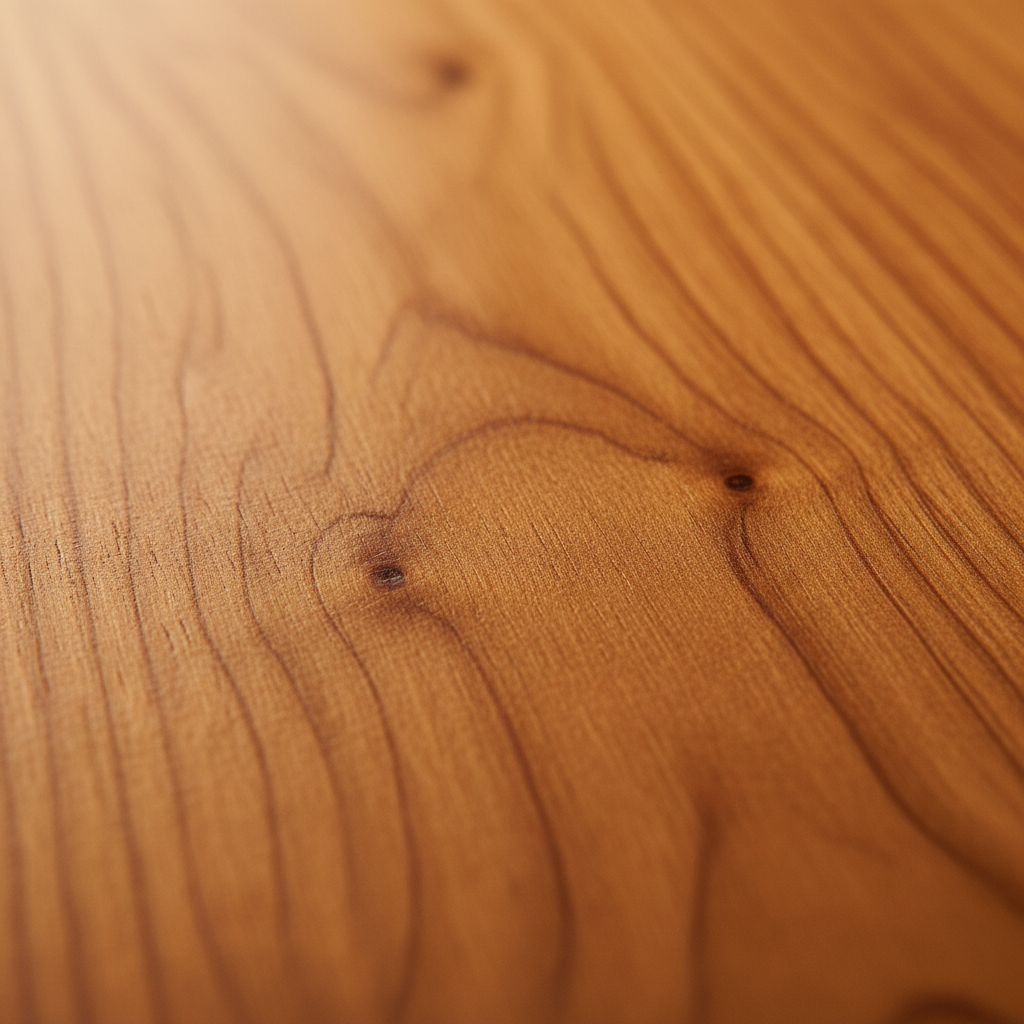
Straight, fine, very uniform grain. Diffuse-porous with small pores. 410 Janka, very soft. Pale creamy white to light tan. Very low tannin. No figure.
Recommended Finishes
Acrylic paint for carved pieces; water-based poly for clear protection; Danish oil for subtle warmth; spray lacquer for light protection; wax for a soft hand-rubbed sheen.
Preparation Steps
Sand through 150, 180, 220 grit. Basswood is very soft so use light pressure. For carvings, minimal sanding preserves tool marks. Pre-stain conditioner essential if staining. Basswood blotches easily.
Application Steps
1. Sand lightly or leave tool marks for carvings. 2. Apply conditioner if staining. 3. Apply paint, stain, or clear finish. 4. For paint: thin coats, building gradually. 5. For clear finish: 2-3 thin coats. 6. Sand 400 between clear coats. 7. For carvings, spray finishes avoid brush marks.
Maintenance Schedule
Poly: recoat every 5-8 years. Oil: refresh every 6-12 months. Painted pieces: touch up as needed. Basswood is soft and fragile, so handle finished pieces with care.
Common Mistakes
Staining without conditioner causing severe blotching; sanding too aggressively on this extremely soft wood; using heavy brush coats that obscure carving detail; expecting basswood to withstand wear.
Interior vs Exterior
Interior: Ideal for carved pieces, craft projects, and decorative items. Too soft for furniture or high-use applications. Exterior: Basswood should NEVER be used outdoors. It has no decay resistance and deteriorates rapidly.
Frequently Asked Questions
Its extremely fine, uniform grain cuts cleanly in all directions without splitting or tearing, making it ideal for detailed carving work.
With conditioner, basswood accepts stain fairly evenly, but its bland grain provides little visual interest. Paint is generally a better choice.
No, at 410 Janka it is too soft for furniture. It is best suited for carvings, crafts, and decorative pieces.
Related Guides
Live-edge furniture, flooring, cutting boards, outdoor furniture, turned objects, decorative pieces
Acacia
Learn how to finish acacia wood for furniture, flooring, and cutting boards. Expert tips on enhancin
Read guideFurniture, flooring, outdoor applications, boat building, joinery, window frames
Afrormosia
Expert guide to finishing afrormosia wood. Learn how to enhance this premium teak alternative for fu
Read guideCabinetry, furniture, interior trim, doors, turned objects, craft projects
Alder
Expert guide to finishing alder wood for cabinets and furniture. Learn how to stain alder to mimic c
Read guideDecking, dock pilings, heavy construction, marine applications, boardwalks, retaining walls
Angelim Pedra
Complete guide to finishing angelim pedra for decking and heavy construction. Learn oiling, sealing,
Read guide