Furniture
interior trim
paneling
shelving
crafts
construction
cabinetry
How to Finish Pine: Complete Staining & Sealing Guide (2026)
Reviewed by Lumberama's Wood Finishing Team
|Last updated June 9, 2026Pine is one of the most affordable and widely available softwoods, used in furniture, trim, and construction. Its soft, resinous nature makes it notoriously difficult to stain evenly, but with proper preparation pine can accept a beautiful finish.
Key Takeaways
- Pine is one of the most affordable and widely available softwoods, used in furniture, trim, and construction.
- Its soft, resinous nature makes it notoriously difficult to stain evenly, but with proper preparation pine can accept a beautiful finish.
- Gel stain for even color; shellac as sealer and standalone finish; water-based poly over stain; oil-based poly for warm amber tone; paint for clean opaque look.
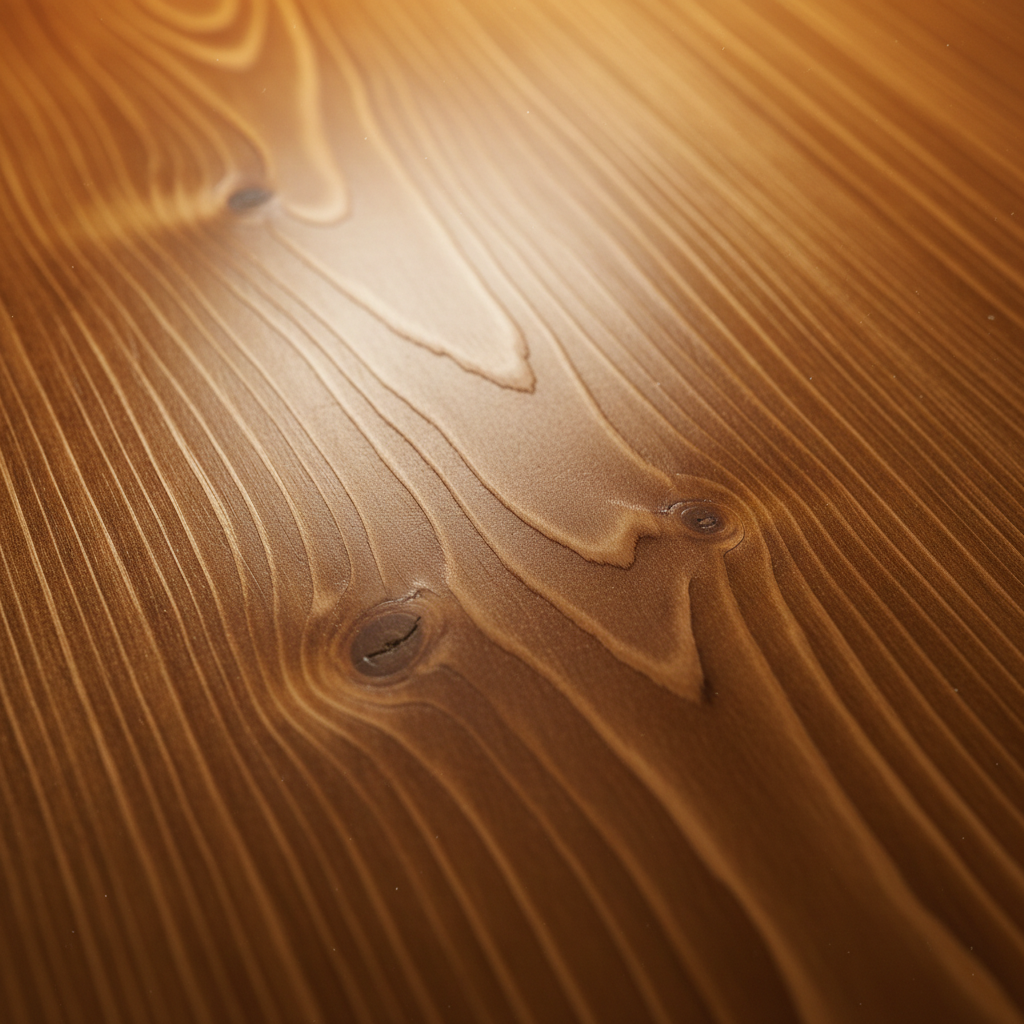
- Straight grain with prominent growth rings and frequent knots.
- Non-porous softwood with resin canals.
Wood Characteristics
Straight grain with prominent growth rings and frequent knots. Non-porous softwood with resin canals. 380-690 Janka varies by species. Light cream to yellowish-white. Low tannin, high resin.
Recommended Finishes
Gel stain for even color; shellac as sealer and standalone finish; water-based poly over stain; oil-based poly for warm amber tone; paint for clean opaque look.
Preparation Steps
Sand through 120, 150, 180 grit. Remove resin with mineral spirits. ALWAYS apply pre-stain conditioner. Allow 15 min absorption, wipe excess. Stain within 2 hours.
Application Steps
1. Clean surface of resin and dust. 2. Apply conditioner. 3. Apply gel stain with cloth. 4. Wipe excess within 3-5 min. 5. Dry 24 hours. 6. Apply poly or lacquer. 7. Sand 220 grit between coats. 8. Apply 2-3 topcoats.
Maintenance Schedule
Poly: recoat every 3-5 years for furniture, 2-3 years for floors. Oil: refresh every 6-12 months. Pine is soft and dents easily.
Common Mistakes
Skipping conditioner causes dramatic blotching; dark pigment stains turn knots black; not removing pitch causes finish failure; sanding too fine seals soft surface.
Interior vs Exterior
Interior: Accepts finishes well when prepared. Gel stains and paint most forgiving. Seal knots with shellac under paint. Exterior: Requires pressure treatment or quality primer and paint.
Frequently Asked Questions
Related Guides
Live-edge furniture, flooring, cutting boards, outdoor furniture, turned objects, decorative pieces
Acacia
Learn how to finish acacia wood for furniture, flooring, and cutting boards. Expert tips on enhancin
Read guideFurniture, flooring, outdoor applications, boat building, joinery, window frames
Afrormosia
Expert guide to finishing afrormosia wood. Learn how to enhance this premium teak alternative for fu
Read guideCabinetry, furniture, interior trim, doors, turned objects, craft projects
Alder
Expert guide to finishing alder wood for cabinets and furniture. Learn how to stain alder to mimic c
Read guideDecking, dock pilings, heavy construction, marine applications, boardwalks, retaining walls
Angelim Pedra
Complete guide to finishing angelim pedra for decking and heavy construction. Learn oiling, sealing,
Read guide