Fine furniture
cabinetry
millwork
turned objects
musical instruments
paneling
How to Finish Cherry: Complete Staining & Sealing Guide (2026)
American cherry is beloved for its warm reddish-brown color that deepens dramatically with age and light exposure. Finishing cherry requires extra care because its variable density causes notorious blotching when stained.
Key Takeaways
- American cherry is beloved for its warm reddish-brown color that deepens dramatically with age and light exposure.
- Finishing cherry requires extra care because its variable density causes notorious blotching when stained.
- Shellac (blonde or amber) for traditional warmth; oil-varnish blends like Waterlox for depth; water-based poly for color-true results; boiled linseed oil for hand-rubbed finish.
- Fine, straight, closed grain with occasional pin knots and gum pockets.
- Diffuse-porous with fine pores.
Wood Characteristics
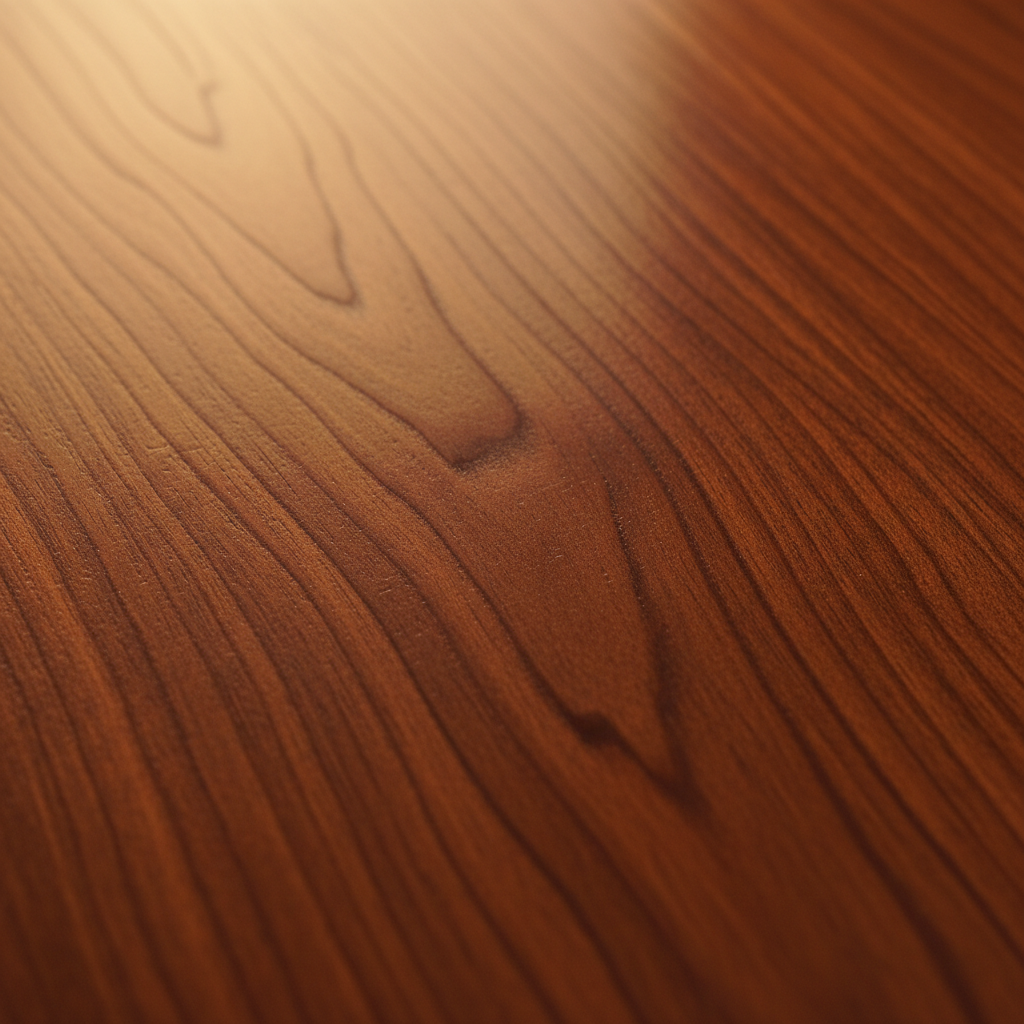
Fine, straight, closed grain with occasional pin knots and gum pockets. Diffuse-porous with fine pores. 950 Janka. Light pinkish-brown darkening to deep reddish-brown. Low to moderate tannin.
Recommended Finishes
Shellac (blonde or amber) for traditional warmth; oil-varnish blends like Waterlox for depth; water-based poly for color-true results; boiled linseed oil for hand-rubbed finish.
Preparation Steps
Sand through 120, 150, 180, 220 grit. Keep sander moving to avoid burns. ALWAYS apply pre-stain conditioner or shellac washcoat (1 lb cut) before staining.
Application Steps
1. Apply shellac washcoat, dry 2 hours. 2. Sand 320 grit. 3. Apply gel stain in thin coats. 4. Wipe excess immediately. 5. Dry 24 hours. 6. Apply topcoat in thin layers. 7. Sand 400 grit between coats. 8. Apply 3 coats.
Maintenance Schedule
Oil: reapply every 12 months. Shellac: touch up annually. Poly: recoat every 5-8 years. Cherry darkens for 5-10 years.
Common Mistakes
Staining without conditioner causing severe blotching; trying to match aged cherry on new cherry; sanding too aggressively creating heat marks; dark stain hiding natural grain.
Interior vs Exterior
Interior: Outstanding. Clear finishes allow natural color development. Place near natural light for even aging. Exterior: NOT recommended, poor weather resistance.
Frequently Asked Questions
Shellac washcoat or pre-stain conditioner before staining. Gel stains also help.
Darkens noticeably in first year, continues 5-10 years.
Yes, expose to sunlight or UV lamp.
Related Guides
Live-edge furniture, flooring, cutting boards, outdoor furniture, turned objects, decorative pieces
Acacia
Learn how to finish acacia wood for furniture, flooring, and cutting boards. Expert tips on enhancin
Read guideFurniture, flooring, outdoor applications, boat building, joinery, window frames
Afrormosia
Expert guide to finishing afrormosia wood. Learn how to enhance this premium teak alternative for fu
Read guideCabinetry, furniture, interior trim, doors, turned objects, craft projects
Alder
Expert guide to finishing alder wood for cabinets and furniture. Learn how to stain alder to mimic c
Read guideDecking, dock pilings, heavy construction, marine applications, boardwalks, retaining walls
Angelim Pedra
Complete guide to finishing angelim pedra for decking and heavy construction. Learn oiling, sealing,
Read guide