Structural beams
flooring
paneling
trim
exterior posts
decking
doors
How to Finish Douglas Fir: Complete Staining & Sealing Guide (2026)
Douglas fir is one of America's most important structural and finish-grade softwoods, valued for its strength, warm color, and dramatic grain pattern. Its distinctive contrast between soft earlywood and hard latewood creates finishing challenges but also bold, rustic beauty.
Key Takeaways
- Douglas fir is one of America's most important structural and finish-grade softwoods, valued for its strength, warm color, and dramatic grain pattern.
- Its distinctive contrast between soft earlywood and hard latewood creates finishing challenges but also bold, rustic beauty.
- Water-based poly for floors; penetrating oil (tung or Danish) for beams and paneling; spar urethane for exterior; clear lacquer for trim and cabinetry.
- Straight grain with pronounced growth rings and high contrast between earlywood and latewood.
- Non-porous softwood with resin canals.
Wood Characteristics
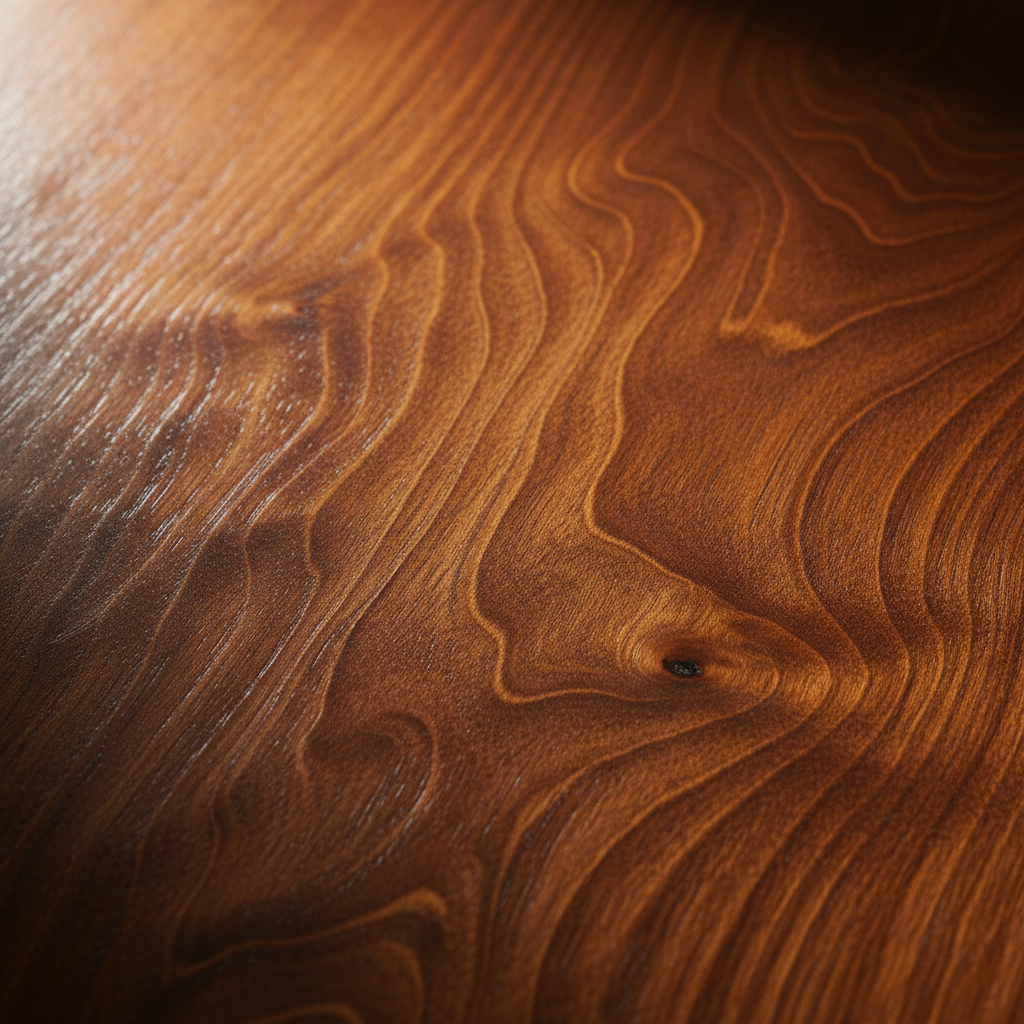
Straight grain with pronounced growth rings and high contrast between earlywood and latewood. Non-porous softwood with resin canals. 660 Janka. Warm orange-tan to reddish-brown. Low tannin, moderate resin.
Recommended Finishes
Water-based poly for floors; penetrating oil (tung or Danish) for beams and paneling; spar urethane for exterior; clear lacquer for trim and cabinetry.
Preparation Steps
Sand carefully through 100, 120, 150 grit. Soft and hard grain sand at different rates. Use random orbital sander. Clean resin pockets with mineral spirits. Pre-stain conditioner essential if staining.
Application Steps
1. Clean surface and remove resin. 2. Apply conditioner if staining. 3. Apply stain or oil with grain. 4. Wipe excess promptly. 5. Dry 24 hours. 6. Apply topcoat thinly. 7. Sand 320 between coats. 8. Apply 2-3 coats.
Maintenance Schedule
Poly floors: screen and recoat every 3-5 years. Oil on beams: reapply every 1-2 years. Exterior: recoat annually. Orange color mellows to amber with age.
Common Mistakes
Staining without conditioner causes dramatic grain reversal; aggressive belt sander creates valleys; not removing resin causes bleed-through; expecting even staining like hardwood.
Interior vs Exterior
Interior: Beautiful for beams, paneling, flooring, trim. Clear oil or water-based poly showcases warmth. Exterior: Moderately durable. Quality exterior stain or spar varnish. Good for structural posts and beams.
Frequently Asked Questions
Grain reversal. Soft earlywood absorbs more stain than hard latewood. Use conditioner and gel stain.
Yes, common in historic homes. Dents more than hardwood.
Danish oil or tung oil. Apply generously, wipe excess, recoat annually.
Related Guides
Live-edge furniture, flooring, cutting boards, outdoor furniture, turned objects, decorative pieces
Acacia
Learn how to finish acacia wood for furniture, flooring, and cutting boards. Expert tips on enhancin
Read guideFurniture, flooring, outdoor applications, boat building, joinery, window frames
Afrormosia
Expert guide to finishing afrormosia wood. Learn how to enhance this premium teak alternative for fu
Read guideCabinetry, furniture, interior trim, doors, turned objects, craft projects
Alder
Expert guide to finishing alder wood for cabinets and furniture. Learn how to stain alder to mimic c
Read guideDecking, dock pilings, heavy construction, marine applications, boardwalks, retaining walls
Angelim Pedra
Complete guide to finishing angelim pedra for decking and heavy construction. Learn oiling, sealing,
Read guide