Cabinetry
plywood projects
furniture
flooring
dowels
turned objects
interior trim
How to Finish Birch: Complete Staining & Sealing Guide (2026)
Birch is a fine-grained hardwood popular for plywood, cabinetry, and furniture. Its light color and smooth texture are attractive, but its variable density causes blotching when stained, similar to maple and cherry.
Key Takeaways
- Birch is a fine-grained hardwood popular for plywood, cabinetry, and furniture.
- Its light color and smooth texture are attractive, but its variable density causes blotching when stained, similar to maple and cherry.
- Water-based poly for clean clear look; dye stains for even coloring; gel stain for controlled application; shellac as washcoat sealer; spray lacquer for professional results.
- Fine, straight, uniform grain with slight wavy figure.
- Diffuse-porous with small pores.
Wood Characteristics
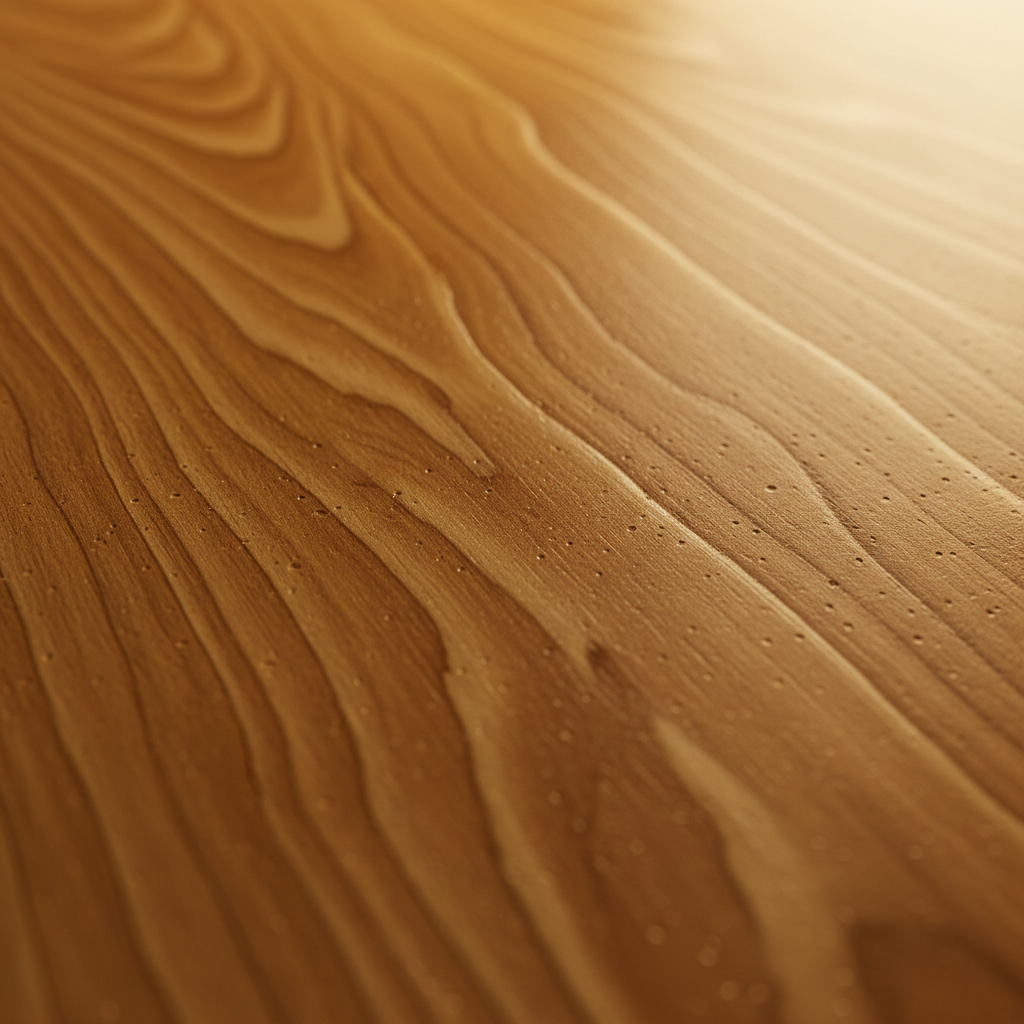
Fine, straight, uniform grain with slight wavy figure. Diffuse-porous with small pores. 1260 Janka (yellow birch). Light cream to pale yellowish-brown. Low tannin.
Recommended Finishes
Water-based poly for clean clear look; dye stains for even coloring; gel stain for controlled application; shellac as washcoat sealer; spray lacquer for professional results.
Preparation Steps
Sand through 120, 150, 180 grit. Do not exceed 180 before staining. Apply pre-stain conditioner or thin shellac washcoat. For plywood, sand very lightly (180 only) to avoid cutting through thin veneer.
Application Steps
1. Apply conditioner or shellac washcoat. 2. Dry per directions. 3. Apply dye or gel stain evenly. 4. Wipe excess immediately for gel stain. 5. Dry 24 hours. 6. Apply topcoat thinly. 7. Sand 320 between coats. 8. Apply 2-3 topcoats.
Maintenance Schedule
Poly: recoat every 5-7 years for furniture, screen and recoat 3-5 years for floors. Lacquer: 5-8 years. Birch yellows slightly with oil-based finishes.
Common Mistakes
Staining without washcoat causes blotchy color; sanding through thin plywood veneer; pigment stain sits unevenly on dense wood; rushing conditioner step.
Interior vs Exterior
Interior: Excellent for cabinets, furniture, plywood projects. Dye stains or clear finish showcase fine grain. Exterior: Very poor outdoor durability. Do not use for exterior applications.
Frequently Asked Questions
Shellac washcoat, dry, sand 320, then gel stain.
Yes, warm reddish-brown dye stain over shellac washcoat.
Very thin face veneer. Sand only 180 grit with light pressure.
Related Guides
Live-edge furniture, flooring, cutting boards, outdoor furniture, turned objects, decorative pieces
Acacia
Learn how to finish acacia wood for furniture, flooring, and cutting boards. Expert tips on enhancin
Read guideFurniture, flooring, outdoor applications, boat building, joinery, window frames
Afrormosia
Expert guide to finishing afrormosia wood. Learn how to enhance this premium teak alternative for fu
Read guideCabinetry, furniture, interior trim, doors, turned objects, craft projects
Alder
Expert guide to finishing alder wood for cabinets and furniture. Learn how to stain alder to mimic c
Read guideDecking, dock pilings, heavy construction, marine applications, boardwalks, retaining walls
Angelim Pedra
Complete guide to finishing angelim pedra for decking and heavy construction. Learn oiling, sealing,
Read guide