Furniture accents
turned objects
decorative pieces
inlays
knife handles
jewelry boxes
How to Finish Canarywood: Complete Staining & Sealing Guide (2026)
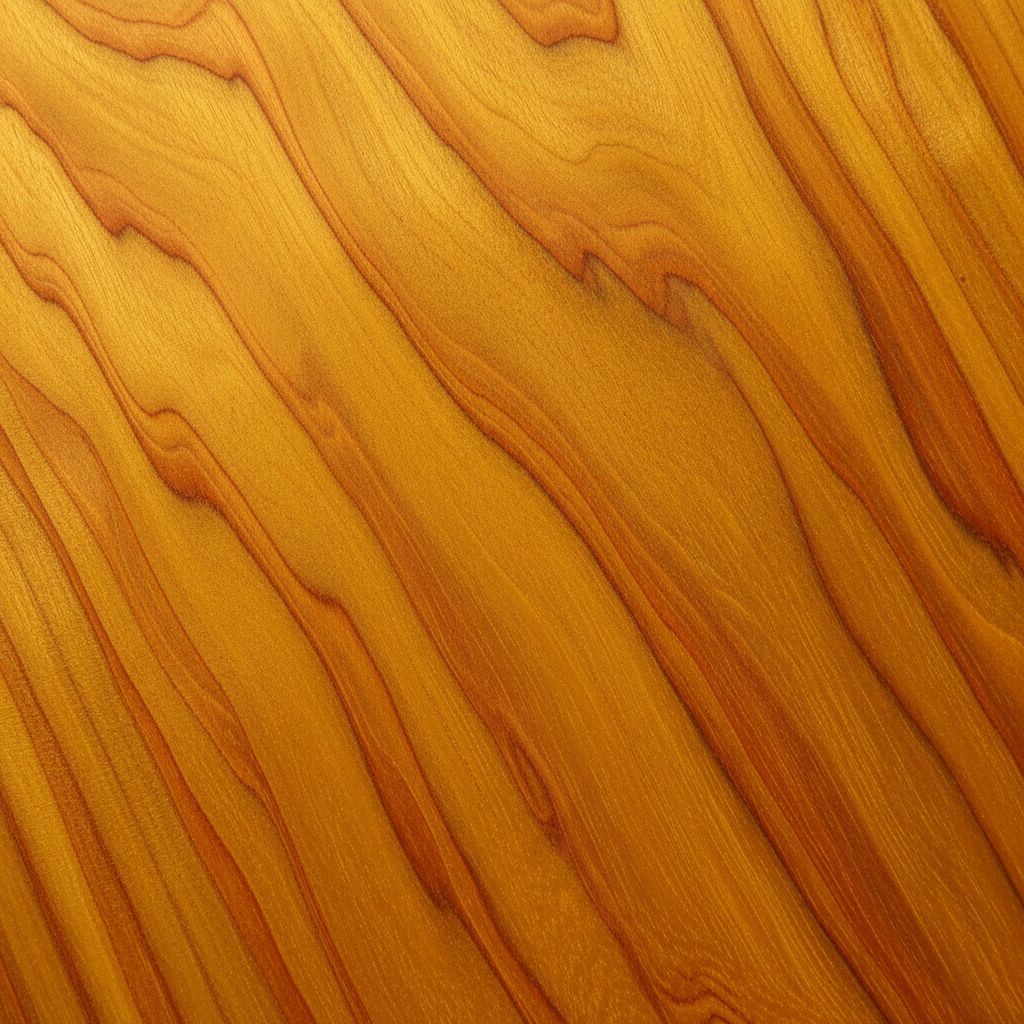
Canarywood is one of the most colorful woods available, displaying a vibrant mix of yellow, orange, red, and purple hues often within the same board. This South American hardwood makes dramatic furniture and accent pieces.
Key Takeaways
- Canarywood is one of the most colorful woods available, displaying a vibrant mix of yellow, orange, red, and purple hues often within the same board.
- This South American hardwood makes dramatic furniture and accent pieces.
- Water-based poly for maximum color preservation; shellac for warm enhancement; lacquer for furniture.
- UV-protective finish essential to slow color fading.
- Straight to interlocked grain with fine to medium texture.
Wood Characteristics
Straight to interlocked grain with fine to medium texture. Diffuse-porous with medium pores. 1520 Janka. Vibrant mix of yellow, orange, red, and purple. Colors mellow over time. Low tannin.
Recommended Finishes
Water-based poly for maximum color preservation; shellac for warm enhancement; lacquer for furniture. UV-protective finish essential to slow color fading.
Preparation Steps
Sand through 120, 150, 180, 220 grit. Sands smoothly. Clean with acetone. No conditioner needed. Apply UV-protective finish promptly.
Application Steps
1. Sand smooth, clean with acetone. 2. Apply UV-protective water-based finish immediately. 3. Apply in thin coats. 4. Sand 400 between coats. 5. Apply 3-4 coats for UV protection. 6. Oil finishes also work but offer less UV protection.
Maintenance Schedule
Water-based poly: recoat every 3-5 years to refresh UV protection. Oil: refresh every 6-12 months. Colors gradually mellow from vibrant to warm amber tones regardless of finish.
Common Mistakes
Not providing UV protection allowing rapid color fading; staining when natural colors are the main appeal; expecting vivid colors to remain permanently; not applying finish promptly after sanding.
Interior vs Exterior
Interior: Stunning for furniture accents, turned objects, and decorative pieces. Keep away from direct sunlight for color retention. Exterior: Not recommended. Colors fade rapidly outdoors.
Frequently Asked Questions
Colors mellow from vibrant to warm amber over time. UV-protective finish slows but cannot prevent this.
Absolutely not. Its natural multicolor palette is its defining feature.
No, it machines and sands well. Moderate hardness and straight grain make it pleasant to work.
Related Guides
Live-edge furniture, flooring, cutting boards, outdoor furniture, turned objects, decorative pieces
Acacia
Learn how to finish acacia wood for furniture, flooring, and cutting boards. Expert tips on enhancin
Read guideFurniture, flooring, outdoor applications, boat building, joinery, window frames
Afrormosia
Expert guide to finishing afrormosia wood. Learn how to enhance this premium teak alternative for fu
Read guideCabinetry, furniture, interior trim, doors, turned objects, craft projects
Alder
Expert guide to finishing alder wood for cabinets and furniture. Learn how to stain alder to mimic c
Read guideDecking, dock pilings, heavy construction, marine applications, boardwalks, retaining walls
Angelim Pedra
Complete guide to finishing angelim pedra for decking and heavy construction. Learn oiling, sealing,
Read guide