Birch Wood: Species Guide for Baltic Birch Plywood, Flooring & Furniture
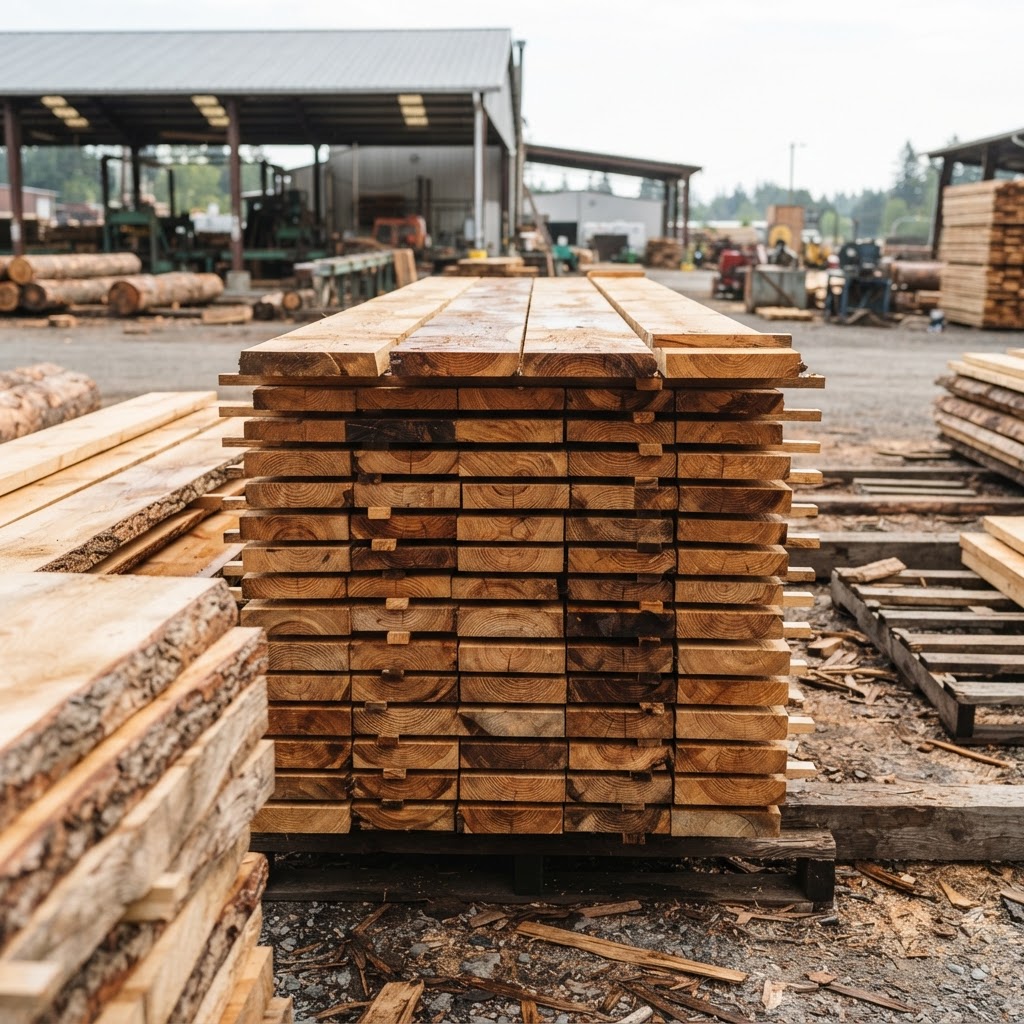
Birch Species
Yellow birch (Betula alleghaniensis): The primary commercial birch in North America. Golden-brown heartwood with reddish tones. Janka hardness 1,260 lbf (similar to red oak). The species used in birch hardwood lumber and domestic birch plywood face veneer. Grows in the northeastern US and southeastern Canada.
Paper birch (Betula papyrifera): The iconic white-barked birch. Softer (Janka 910) and lighter colored than yellow birch. Used for specialty items, turned objects, and veneer. Not common as commercial lumber.
European/Baltic birch (Betula pendula): The species behind Baltic birch plywood. Grows across northern Europe (Finland, Russia, Baltic states). Slightly different properties than American birch — produces the distinctive void-free, multi-ply plywood that woodworkers prize.
Baltic Birch Plywood (The Star of the Show)
Baltic birch plywood is the single most useful sheet material in woodworking. It's not just "birch-faced plywood" — it's a fundamentally different product from domestic plywood.
What makes it different: Every layer (ply) is birch veneer, not just the face and back. Domestic plywood uses poplar, pine, or lauan for inner plies — Baltic birch is all-birch throughout. This means the edges are beautiful (no voids, no gaps, uniform layers), and the panel is stronger and more stable.
Thickness: Available in 3mm (1/8"), 6mm (1/4"), 9mm (3/8"), 12mm (1/2"), 15mm (5/8"), 18mm (3/4"), and 24mm (~1"). Note these are metric thicknesses — Baltic birch 3/4" is actually 18mm (slightly thinner than a true 3/4").
Sheet size: Standard sheets are 5'x5' (60"x60"), not 4'x8'. This is the biggest adjustment for woodworkers accustomed to domestic plywood. Some suppliers carry 4'x8' sheets at a premium.
Grades: B/BB (best face with small patches on the back) is the standard woodworking grade. BB/BB has patches on both faces. C/C is shop grade with more knots and patches. BB/CP has one good face and one construction grade back.
Why woodworkers love it: Void-free edges can be left exposed (no banding needed). Holds screws better than any other plywood. Doesn't warp or bow. Machines beautifully — clean cuts, crisp dadoes, precise joinery. Accepts paint, stain, and clear finishes well.
Best uses: Drawer boxes (the #1 use — 1/2" BB is the standard for high-quality drawer construction), cabinet carcasses, shop jigs and fixtures, CNC projects (the preferred material for CNC cutting), speaker cabinets, toy making, and any application where exposed plywood edges are visible.
Birch Hardwood Lumber
Yellow birch as furniture wood: Often overlooked in favor of maple, oak, and cherry, yellow birch makes excellent furniture. It's hard (1,260 Janka), machines well, and has a warm golden tone that darkens attractively with age. Available at lower prices than most comparable hardwoods.
Properties: Fine, even texture. Straight grain. Good dimensional stability. Finishes to a smooth, lustrous surface. Takes stain fairly well (better than maple, not as easily as oak).
Best uses for lumber: Furniture, cabinetry, interior trim, turned objects, veneer. Yellow birch flooring is hard and attractive — popular in the Northeast.
Pricing
Baltic birch plywood (18mm B/BB): $60-$90 per 5'x5' sheet. Per square foot, this is expensive ($2.40-$3.60/SF), but the quality justifies the cost for visible applications.
Domestic birch plywood (3/4" A2): $45-$65 per 4'x8' sheet. Birch face veneer over poplar/pine inner plies. Good for painted cabinets where edges will be hidden.
Yellow birch lumber (rough sawn 4/4): $4-$7/BF. Similar to or less than red oak. One of the better values in hardwood.
Working Tips
Baltic birch plywood: Cut with a 80-tooth plywood blade for clean edges. Use a zero-clearance insert on the table saw. Score the cut line with a knife for chip-free crosscuts. For CNC, use upcut spiral bits for pocket cuts, downcut for surface quality.
Birch lumber: Machines easily with sharp tools. Sands to a glass-smooth surface. Apply a pre-stain conditioner before staining to prevent blotchiness (birch absorbs stain unevenly, similar to maple). Clear finishes look excellent on birch — the natural color is attractive.
Frequently Asked Questions
Lumberama Editorial Team
Plywood & Hardwood Species Specialists
Contributor to Lumberama’s reference library. Read our editorial standards and source methodology.
Continue researching flooring
Where readers of this article usually go next.
Related Articles

Acacia Wood Guide: Properties, Uses, Durability & Care Tips
Complete guide to acacia wood — covering its properties, hardness, durability, common uses in furniture and flooring, sustainability, maintenance tips, and how it compares to teak and other hardwoods.
Walnut Wood: Properties, Uses, Grades & Buying Guide
Black walnut is America's most prized furniture wood. Its rich chocolate-brown color, straight grain, and exceptional workability have made it the choice of fine furniture makers for centuries. Here's everything you need to know.

Poplar Wood: The Underrated Hardwood for Paint-Grade Projects
Poplar is America's cheapest true hardwood and one of the easiest to work. It's the go-to choice for paint-grade furniture, trim, and cabinetry. Here's why serious woodworkers keep poplar in their shops.