Acacia Wood Guide: Properties, Uses, Durability & Care Tips
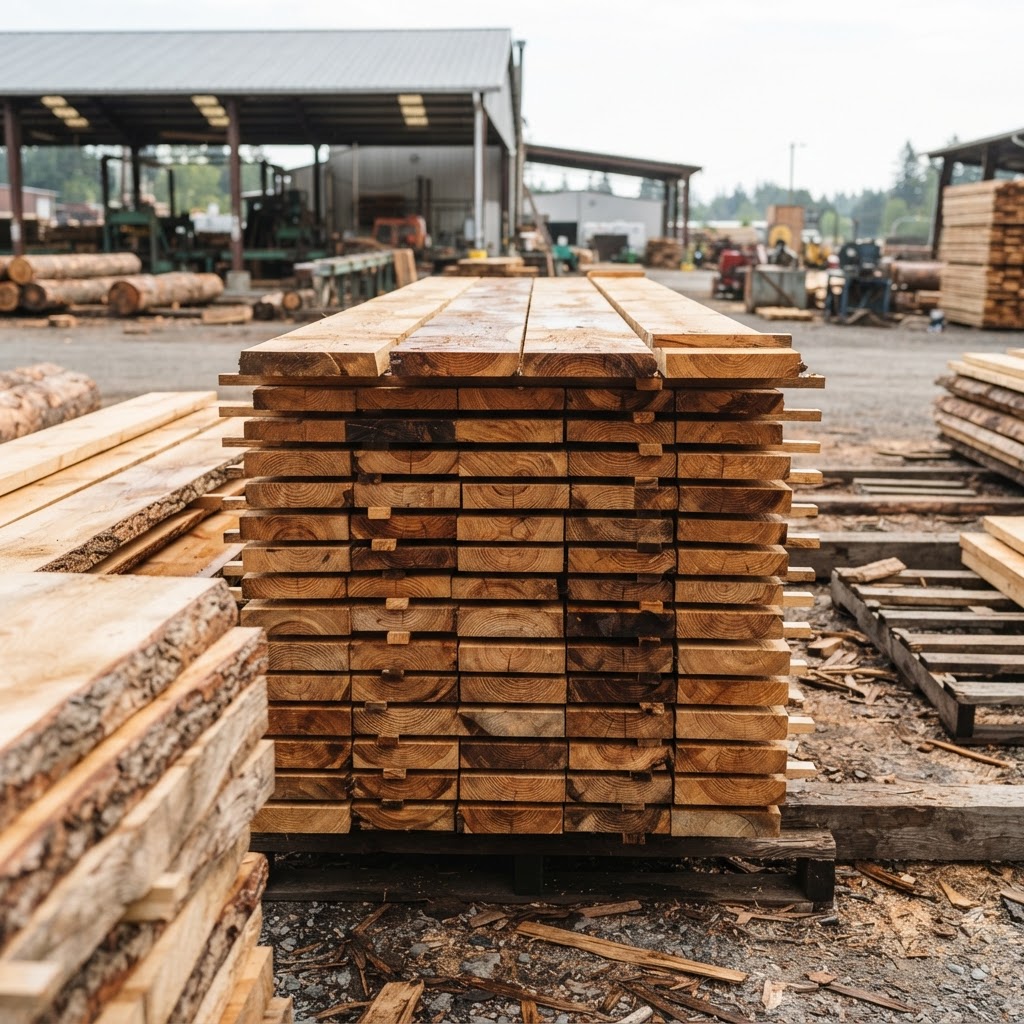
Acacia Wood Guide: Properties, Uses, Durability & Care Tips
Acacia wood has surged in popularity over the past decade, becoming one of the most sought-after hardwoods for furniture, flooring, cutting boards, and outdoor applications. With over 1,300 species worldwide and a reputation for striking grain patterns and exceptional durability, acacia offers premium hardwood performance at a more accessible price point than teak or walnut. This guide covers everything you need to know about acacia wood.
What Is Acacia Wood?
Acacia (genus Acacia) is a large family of hardwood trees and shrubs native to tropical and subtropical regions across Africa, Asia, Australia, and the Americas. The wood sold commercially as "acacia" typically comes from species like Acacia mangium, Acacia auriculiformis, and Acacia confusa, primarily harvested from managed plantations in Southeast Asia.
Acacia trees grow quickly, reaching harvestable size in 8-15 years, making them significantly more sustainable than slow-growth hardwoods like mahogany or walnut. This fast growth rate also keeps prices relatively affordable despite the wood's premium qualities.
Acacia Wood Properties
- Acacia is a moderately hard to very hard wood, depending on species. Its Janka hardness rating ranges from 1,100 to 2,300 lbf, with most commercial acacia falling around 1,700-2,000 lbf. For reference, red oak is 1,290 and Brazilian cherry is 2,
- 3
- 5
- This means acacia is significantly harder than most North American hardwoods.
Density ranges from 0.50-0.70 g/cm3, making it a medium to heavy wood. The grain is typically interlocked and wavy, producing striking patterns that include swirling figures, chatoyance (shimmer), and dramatic color variations. Colors range from golden honey to deep chocolate brown, often within the same board.
Acacia has excellent natural durability. The heartwood contains tannins and natural oils that resist decay, insects, and moisture. This makes it suitable for outdoor use without chemical treatment, though a protective finish extends its lifespan significantly.
Common Uses for Acacia Wood
Furniture
Acacia is one of the most popular woods for dining tables, coffee tables, shelving, and bedroom furniture. Its dramatic grain patterns make each piece unique. Live-edge acacia slabs — where the natural edge of the tree is preserved — have become especially trendy for dining tables and countertops.
Acacia furniture ranges from rustic farmhouse pieces to modern minimalist designs. The wood takes stain and finish well, though many prefer to showcase its natural color with a clear oil or polyurethane finish.
Flooring
Acacia hardwood flooring has become a popular alternative to traditional oak and maple. Its high Janka hardness rating makes it resistant to dents and scratches, ideal for high-traffic areas. The natural color variation — from light golden to dark walnut tones — creates a visually interesting floor without staining.
Acacia flooring is available in solid planks and engineered formats. Engineered acacia flooring is recommended for areas with humidity fluctuations because the plywood core provides dimensional stability that solid acacia may lack.
Cutting Boards and Kitchenware
Acacia's hardness, tight grain, and natural antibacterial properties make it excellent for cutting boards, serving boards, bowls, and utensils. The wood resists knife scarring better than softer woods like bamboo or maple. Acacia cutting boards are also prized for their beauty — the varying wood tones create stunning end-grain and edge-grain patterns.
Outdoor Furniture and Decking
Acacia's natural weather resistance makes it a viable option for outdoor furniture, garden benches, deck tiles, and planters. While not as durable outdoors as teak, acacia withstands rain, sun, and humidity better than most hardwoods at a much lower price point. Outdoor acacia furniture should be oiled 2-3 times per year for best appearance and longevity.
Musical Instruments
Several acacia species, particularly Australian blackwood (Acacia melanoxylon), are prized tonewoods for acoustic guitars, ukuleles, and other stringed instruments. The wood's density and interlocked grain produce a bright, clear tone with good projection.
Acacia Wood Durability
Acacia rates as Class 1-2 (very durable to durable) on the international durability scale for decay resistance. The heartwood resists fungal decay, termites, and marine borers. In ground-contact applications, acacia heartwood typically lasts 15-25 years without treatment.
For comparison, teak is Class 1 (very durable), oak is Class 2-3, and pine is Class 5 (not durable). Acacia's natural durability puts it in the same tier as many premium tropical hardwoods at a significantly lower price.
However, acacia's durability varies significantly between species. Commercial plantation acacia (A. mangium) is less durable than old-growth acacia species. Always ask your supplier about the specific species if durability is critical for your application.
Acacia vs. Other Hardwoods
Acacia vs. Teak
Teak is the gold standard for outdoor hardwoods, but acacia offers 70-80% of teak's performance at 40-60% of the price. Teak has higher natural oil content, making it more weather-resistant long-term. Acacia has more dramatic grain patterns and color variation. For outdoor furniture that you'll maintain with regular oiling, acacia is an excellent teak alternative.
Acacia vs. Oak
Acacia is harder than red oak (1,700+ vs. 1,290 Janka) and more naturally resistant to decay. Oak has a more uniform, traditional appearance, while acacia offers more dramatic visual character. Oak is more widely available in North America and has a longer track record for flooring and furniture.
Acacia vs. Walnut
Both woods offer rich, warm tones and beautiful grain patterns. Walnut is softer (1,010 Janka) and more expensive. Acacia provides similar visual warmth with superior hardness and durability at a lower price. Walnut is preferred for fine furniture and cabinetry where its workability and consistent color are valued.
Working with Acacia Wood
Acacia's interlocked grain can cause tearout when planing or routing, so use sharp blades and take light passes. The wood dulls tools faster than softer species. Pre-drilling for screws is recommended to prevent splitting. Acacia glues well with standard wood glues and takes both oil-based and water-based finishes.
For finishing, tung oil and Danish oil bring out the natural grain beautifully. Polyurethane provides the most durable protective coat for high-use surfaces like tabletops and floors. For outdoor applications, use a marine-grade spar varnish or teak oil.
Acacia Wood Maintenance
Indoor acacia furniture and flooring need minimal maintenance. Dust regularly with a soft cloth. Clean with a damp (not wet) cloth and mild wood cleaner. Avoid placing hot items directly on acacia surfaces. Refinish with oil every 6-12 months to maintain the wood's luster.
Outdoor acacia should be cleaned and oiled 2-3 times per year, more often in harsh climates. Without maintenance, outdoor acacia will develop a silver-gray patina similar to teak. This weathered look is purely cosmetic and doesn't affect structural integrity. To restore the original color, sand lightly and apply fresh oil.
Sustainability of Acacia Wood
Acacia is one of the most sustainable commercial hardwoods available. The trees grow rapidly (harvestable in 8-15 years vs. 40-80 years for most hardwoods), thrive in poor soils, fix nitrogen in the soil (improving soil fertility), and are grown primarily on managed plantations rather than harvested from old-growth forests.
Look for FSC (Forest Stewardship Council) certification when purchasing acacia to ensure responsible sourcing. Most commercial acacia comes from plantations in Vietnam, Indonesia, and Thailand.
Frequently Asked Questions
Q: Is acacia wood expensive?
A: Acacia is moderately priced — less expensive than teak, walnut, and cherry, but more than oak or maple. Acacia furniture ranges from affordable (mass-produced pieces) to premium (live-edge slabs and artisan furniture). The wood's fast plantation growth keeps prices accessible.
Q: Is acacia wood good for outdoor use?
A: Yes. Acacia's natural oils and tannins provide excellent weather resistance. It's widely used for outdoor furniture, garden benches, and deck tiles. Regular oiling (2-3 times per year) maintains appearance and extends lifespan outdoors.
Q: Does acacia wood scratch easily?
A: No. Acacia's high Janka hardness (1,700-2,000 lbf) makes it more scratch-resistant than oak, maple, and most common hardwoods. It's an excellent choice for flooring and tabletops in busy households.
Q: Is acacia wood safe for food contact?
A: Yes. Acacia is widely used for cutting boards, serving boards, and kitchen utensils. The wood is non-toxic and has natural antibacterial properties. Season food-contact acacia items with food-grade mineral oil.
Q: How does acacia wood age?
A: Indoor acacia develops a richer, deeper tone over time, especially with regular oiling. Outdoor acacia without maintenance weathers to a silver-gray patina. Both aging processes are natural and many people find the aged appearance more beautiful than the original.
---
Certification disclaimer: FSC certification applies only to products and supply chains specifically certified under the applicable FSC program. References to FSC-certified products on Lumberama do not mean that Lumberama itself is FSC certified, or that all products, suppliers, or materials listed on Lumberama are FSC certified. Verify certification and availability for the specific product and supplier before purchase.
Explore related resources
Where readers of this article usually go next.
Related Articles

Walnut Wood: Properties, Uses, Grades & Buying Guide
Black walnut is America's most prized furniture wood. Its rich chocolate-brown color, straight grain, and exceptional workability have made it the choice of fine furniture makers for centuries. Here's everything you need to know.

Poplar Wood: The Underrated Hardwood for Paint-Grade Projects
Poplar is America's cheapest true hardwood and one of the easiest to work. It's the go-to choice for paint-grade furniture, trim, and cabinetry. Here's why serious woodworkers keep poplar in their shops.

Birch Wood: Species Guide for Baltic Birch Plywood, Flooring & Furniture
Birch is two different things in the lumber world: birch plywood (the gold standard for woodworking) and birch hardwood (underrated and beautiful). Understanding the difference unlocks one of the best-value materials available.