Poplar Wood: The Underrated Hardwood for Paint-Grade Projects
Species Profile
Scientific name: Liriodendron tulipifera. Also called tulip poplar, yellow poplar, or tulipwood (not to be confused with the tropical tulipwood used in turning). Despite the name, it's not a true poplar (Populus) — it's actually in the magnolia family.
Range: Eastern United States from New England to Florida, concentrated in the Appalachian region. One of the most abundant hardwood species in the eastern forest. Fast-growing, reaching 80-120 feet tall with straight, clear trunks.
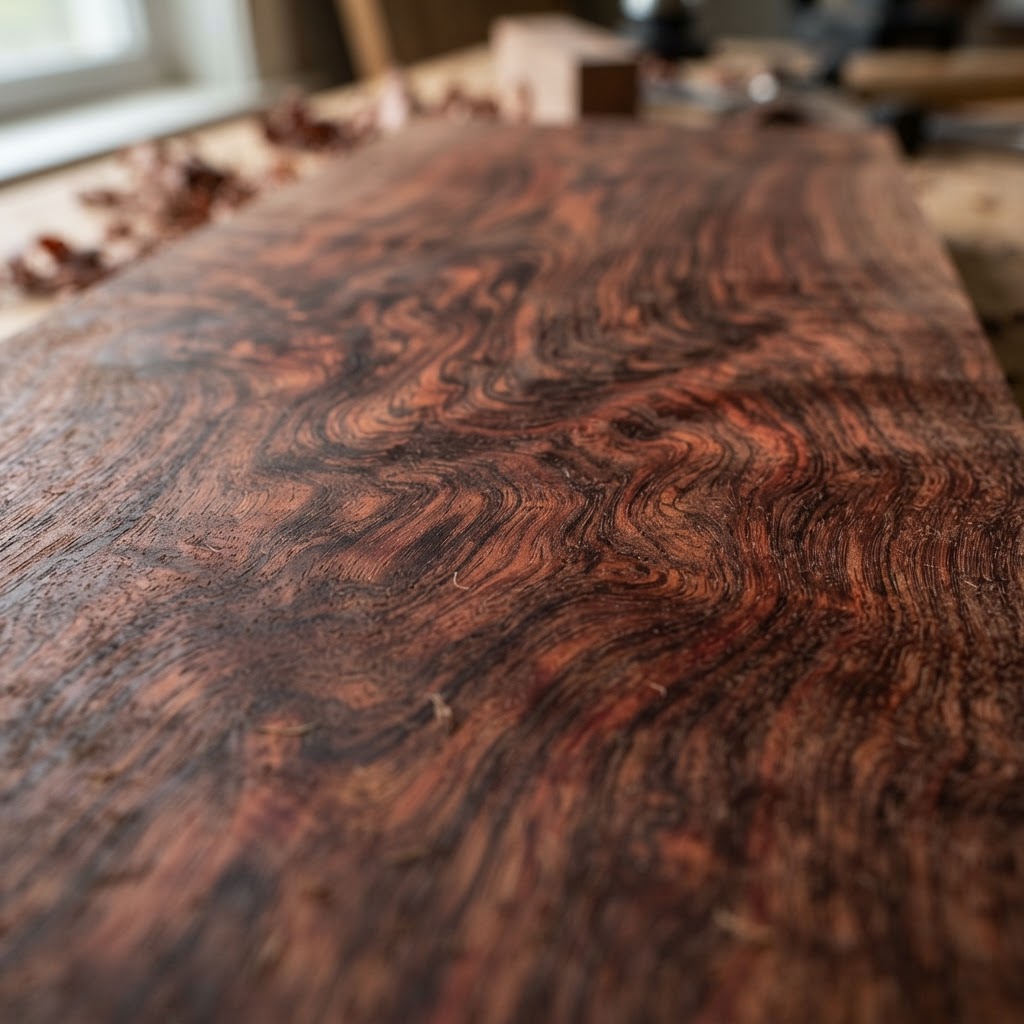
Heartwood color: Highly variable — creamy white to yellowish-green, often with purple, green, and brown streaks. The greenish cast is distinctive and unique to poplar. Color is not consistent enough for natural finish furniture (this is why it's used for paint-grade work).
Sapwood: Creamy white. Wide sapwood band is common.
Physical Properties
Janka hardness: 540 lbf. Soft for a hardwood — harder than pine (380-690 depending on species) but much softer than oak (1,290) or maple (1,450). Adequate for furniture and trim but will dent under heavy impact.
Weight: 29 lbs/cubic foot (air-dried). Light for a hardwood. Easy to handle and work with.
Grain: Straight, fine, and uniform. Minimal visible grain pattern when finished. This fine grain is what makes poplar ideal for painted projects — the grain doesn't telegraph through paint like oak's bold pattern does.
Stability: Good dimensional stability. Low to moderate shrinkage rates.
Why Poplar Is Underrated
Best paint-grade hardwood: Poplar's fine, uniform grain takes paint flawlessly. No grain filler needed. No raised grain showing through. Smoother painted surface than any softwood. This is poplar's #1 selling point.
Excellent workability: Machines cleanly with sharp tools. Rarely splits when nailed or screwed. Holds screws well for its density. Sands smoothly. Glues excellently. One of the most forgiving woods for beginners.
Cheapest true hardwood: At $3-$5/BF rough sawn, poplar costs half as much as oak or maple. S4S poplar at home centers runs $4-$8/BF. It's the most affordable option when softwood isn't hard enough and hardwood seems too expensive.
Excellent for prototypes: When developing a furniture design, build the first version in poplar. It machines like a hardwood, costs like softwood, and reveals any design or construction problems before you commit expensive walnut or cherry.
Limitations
Softness: Poplar dents more easily than oak or maple. It's not ideal for high-traffic flooring, heavy-use work surfaces, or applications where impact resistance matters.
Color inconsistency: The green, purple, and brown streaks make natural-finish poplar look blotchy and unrefined. Staining is difficult — the variable density causes uneven absorption. Poplar under clear finish or stain usually looks cheap.
Outdoor performance: Poplar has zero rot resistance. It's strictly an interior wood. Even paint won't protect it adequately for outdoor use.
Best Uses
Painted furniture: Bookshelves, storage cabinets, toy boxes, children's furniture, bed frames (when painted). Perfect smooth surface under paint.
Interior trim and molding: Baseboards, casing, crown molding, chair rail. Poplar is the premium choice for painted interior trim — it's harder, smoother, and holds profiles better than pine.
Cabinet interiors: Drawer boxes, face frames (when painted), cabinet backs, shelving. Strong enough for the job at half the cost of maple.
Jigs and fixtures: Shop jigs, assembly fixtures, router templates. Poplar is stable, flat, and easy to machine accurately.
Hidden structure: The wood behind the visible wood. Poplar makes excellent structural components in furniture that will be covered — web frames, dust panels, drawer runners, glue blocks.
Pricing
Rough sawn 4/4: $3-$5/BF (cheapest hardwood at the lumber yard).
S4S at home centers: $4-$8/BF for 1x boards. Available at Home Depot and Lowes in common widths (1x2 through 1x12) and lengths.
Compared to alternatives: Red oak: $4-$7/BF. Maple: $5-$8/BF. Cherry: $6-$10/BF. Walnut: $10-$16/BF. Poplar is consistently the cheapest option.
Frequently Asked Questions
Lumberama Editorial Team
Hardwood Species & Budget Woodworking Specialists
Contributor to Lumberama’s reference library. Read our editorial standards and source methodology.
Finishing resources
Where readers of this article usually go next.
Related Articles

Acacia Wood Guide: Properties, Uses, Durability & Care Tips
Complete guide to acacia wood — covering its properties, hardness, durability, common uses in furniture and flooring, sustainability, maintenance tips, and how it compares to teak and other hardwoods.
Walnut Wood: Properties, Uses, Grades & Buying Guide
Black walnut is America's most prized furniture wood. Its rich chocolate-brown color, straight grain, and exceptional workability have made it the choice of fine furniture makers for centuries. Here's everything you need to know.

Birch Wood: Species Guide for Baltic Birch Plywood, Flooring & Furniture
Birch is two different things in the lumber world: birch plywood (the gold standard for woodworking) and birch hardwood (underrated and beautiful). Understanding the difference unlocks one of the best-value materials available.