Wood Burning Fireplace: Types, Installation & Maintenance Guide
Why Wood Burning Fireplaces Remain a Top Choice for Homeowners
This comprehensive guide covers every aspect of wood fireplaces — from selecting the right type and choosing the best firewood species to navigating EPA regulations, planning installation, and keeping your chimney clean for years of reliable service.
Types of Wood Burning Fireplaces
Not all wood-burning fireplaces are created equal. Each type offers distinct advantages in terms of efficiency, installation complexity, and cost. Here is a detailed look at the five most common options.
Open Masonry Fireplaces
The traditional open masonry fireplace is the classic image most people picture — a brick or stone firebox with a visible flame, a decorative fireplace mantel, and a masonry chimney rising through the roof. While beautiful and atmospheric, open fireplaces are the least efficient option, converting only about 10-15% of the wood's energy into usable room heat. Most of the heat escapes up the chimney, and when the fire dies down, the open flue actually draws warm air out of the house.
Open masonry fireplaces are best suited as supplemental or aesthetic heat sources rather than primary heating systems. They require a full masonry chimney, a reinforced foundation (they can weigh 6,000-10,000 pounds), and compliance with local building codes for clearances to combustibles.
Fireplace Inserts
A fireplace insert is essentially a wood stove designed to slide into an existing masonry fireplace opening. Inserts dramatically improve efficiency — modern EPA-certified models achieve 70-80% efficiency by using airtight combustion chambers, secondary burn tubes or catalytic combustors, and insulated fireboxes. They connect to the existing chimney through a stainless steel liner.
Inserts are the best upgrade for homeowners who already have an open fireplace and want to keep the look while dramatically improving heating performance. They typically cost $2,000-$4,500 installed, including the chimney liner.
Wood Stoves
Freestanding wood stoves are self-contained heating appliances connected to a chimney or stovepipe. They can be placed anywhere in a room (with proper clearances) and radiate heat from all sides, making them extremely effective zone heaters. Modern EPA-certified wood stoves achieve 70-80% efficiency and can heat 1,000-3,000 square feet depending on size.
Wood stoves come in cast iron, steel, and soapstone models. Soapstone stoves absorb and release heat slowly, providing more even warmth over longer periods. Steel stoves heat up quickly but cool down faster.
Zero-Clearance (Prefabricated) Fireplaces
Zero-clearance fireplaces are factory-built, insulated units that can be installed directly against combustible framing — no masonry foundation required. They use lightweight metal chimneys and are significantly less expensive than full masonry construction. Modern zero-clearance models offer much better efficiency than open masonry fireplaces, though generally not quite as high as dedicated inserts or stoves.
These units are ideal for new construction or additions where no existing chimney exists. Installation costs range from $3,500-$7,500, roughly one-third the cost of a full masonry fireplace.
Outdoor Fire Pits
Wood-burning fire pits extend your living space outdoors and create a natural gathering point for entertaining. Options include in-ground pits, above-ground steel bowls, stone or brick surrounds, and portable models. Unlike indoor fireplaces, outdoor fire pits generally do not require EPA certification, though many municipalities have regulations regarding setback distances, burn bans during dry conditions, and smoke complaints.
For permanent fire pit construction, firebrick is the ideal liner material because it withstands extreme temperatures without cracking or spalling.
Comparing Fireplace Types: Efficiency, Cost & Features
| Feature | Open Masonry | Fireplace Insert | Wood Stove | Zero-Clearance | Outdoor Fire Pit |
|---|---|---|---|---|---|
| Efficiency | 10-15% | 70-80% | 70-80% | 50-70% | N/A |
| Heating Area | Limited | 1,000-2,500 sq ft | 1,000-3,000 sq ft | 800-2,000 sq ft | Outdoor only |
| Installation Cost | $10,000-$30,000 | $2,000-$4,500 | $2,500-$5,000 | $3,500-$7,500 | $200-$5,000 |
| EPA Certified Models | No | Yes | Yes | Some | No |
| BTU Output | 10,000-30,000 | 40,000-80,000 | 40,000-100,000 | 30,000-60,000 | Varies |
| Chimney Type | Full masonry | Stainless liner | Class A pipe | Factory-built | None |
Choosing the Best Firewood: Species, BTUs & Burn Characteristics
The type of firewood you burn has a dramatic impact on heat output, burn time, ease of splitting, and creosote production. Hardwoods are universally preferred for indoor fireplace use because they are denser, burn hotter and longer, and produce significantly less creosote than softwoods.
Top Hardwood Species for Firewood
Oak is the gold standard of firewood. Both red oak and white oak produce 24-28 million BTUs per cord, burn slowly and steadily, and produce excellent coals. Oak requires 12-24 months of seasoning due to its density, but the wait is worth it. It splits relatively easily when green.
Hickory is the hottest-burning common firewood at 27-28 million BTUs per cord. It produces intense, long-lasting coals and has the added benefit of a pleasant, smoky aroma that makes it popular for cooking and smoking as well. Hickory is harder to split than oak but seasons in about 12 months.
Maple is an excellent all-around firewood. Sugar maple delivers 24-25 million BTUs per cord, splits easily, and seasons in 6-12 months. Red maple is slightly less dense but still a very good choice. Maple produces minimal sparking, making it safer for open fireplaces.
Cherry is a medium-density hardwood that produces 20-21 million BTUs per cord. While it provides less heat than oak or hickory, cherry is prized for its pleasant, sweet aroma and easy splitting. It seasons quickly (6-9 months) and produces a beautiful flame. Cherry is an excellent choice for fire pits and ambiance fires.
Birch burns hot and fast, making it an excellent kindling wood and fire starter. Paper birch produces about 20 million BTUs per cord. The bark catches fire easily but can produce more creosote than other hardwoods, so birch is best mixed with slower-burning species like oak.
Hardwoods vs. Softwoods for Burning
| Characteristic | Hardwoods (Oak, Hickory, Maple) | Softwoods (Pine, Spruce, Fir) |
|---|---|---|
| BTUs per Cord | 20-28 million | 14-18 million |
| Burn Duration | Long, steady burn | Fast burn |
| Creosote Production | Low (when seasoned) | High (resinous sap) |
| Spark/Pop Risk | Low | High |
| Seasoning Time | 6-24 months | 3-6 months |
| Best Use | Primary heating fuel | Kindling, shoulder season |
Softwoods like pine and spruce should generally be avoided as primary fireplace fuel. Their high resin content causes rapid creosote buildup in chimneys, and they spark and pop more, which creates a fire hazard with open fireplaces. However, softwoods are excellent for kindling and can be used in wood stoves with good airflow control.
BTU Output Comparison by Firewood Species
| Species | BTU per Cord (millions) | Splitting Ease | Seasoning Time | Aroma |
|---|---|---|---|---|
| Hickory | 27-28 | Moderate | 12 months | Strong, smoky |
| White Oak | 26-28 | Easy-Moderate | 12-24 months | Mild |
| Red Oak | 24-26 | Easy | 12-18 months | Mild |
| Sugar Maple | 24-25 | Easy | 6-12 months | Light, sweet |
| Cherry | 20-21 | Very Easy | 6-9 months | Sweet, pleasant |
| Birch | 20-21 | Easy | 6-9 months | Light |
| Pine (Softwood) | 15-17 | Very Easy | 3-6 months | Resinous |
Chimney Requirements and Installation
Every wood burning fireplace, insert, or stove requires a properly sized and installed chimney or venting system. The chimney is arguably the most important safety component of any wood-burning installation.
Chimney Types
Masonry chimneys are built from brick or stone with a clay tile or stainless steel liner inside. They are the most durable and longest-lasting option but also the most expensive to build. A new masonry chimney costs $3,000-$10,000+ depending on height and complexity.
Factory-built (Class A) chimneys are insulated stainless steel pipe systems designed for wood stoves and zero-clearance fireplaces. They are lighter, faster to install, and less expensive than masonry ($1,500-$4,000 typically). Modern Class A chimneys are engineered to handle the high temperatures of wood burning safely.
Chimney Sizing Rules
Proper chimney sizing is critical for draft and performance. The general rules are:
- The chimney flue should match the appliance outlet size (6" or 8" diameter is most common for wood stoves)
- The chimney should extend at least 3 feet above the roof penetration point
- The chimney must be at least 2 feet higher than any structure within 10 feet (the 3-2-10 rule)
- Interior chimneys draft better than exterior chimneys because they stay warmer
- Straight vertical runs perform better than offsets
Installation Cost Summary
Total installation costs depend heavily on the type of appliance and chimney configuration:
- Fireplace insert + chimney liner: $2,000-$4,500
- Wood stove + Class A chimney (single story): $2,500-$5,000
- Wood stove + Class A chimney (two story): $4,000-$7,000
- Zero-clearance fireplace + factory chimney: $3,500-$7,500
- Full masonry fireplace + chimney: $10,000-$30,000
- Permits and inspections: $100-$500
EPA Regulations on Wood Stoves and Inserts
The U.S. Environmental Protection Agency regulates emissions from wood-burning appliances. As of 2020, all new wood stoves and fireplace inserts sold in the United States must meet the EPA's Step 2 emission standard of 2.0 grams per hour (g/hr) of particulate matter. Many modern stoves achieve emissions well below 2.0 g/hr.
Key EPA regulation points homeowners should know:
- All new wood stoves must be EPA-certified — look for the EPA certification label on the appliance
- Older, uncertified stoves can still be used but cannot be resold in many states
- Some states (notably Washington and Oregon) have stricter standards than federal requirements
- Tax credits may be available for installing EPA-certified, 75%+ efficiency appliances — check current IRS guidelines
- Open masonry fireplaces are exempt from EPA regulations because they are not classified as heating appliances
Fireplace Maintenance: Chimney Cleaning, Ash Removal & Creosote Prevention
Regular maintenance is essential for safety, efficiency, and the longevity of your wood-burning system. Chimney fires caused by creosote buildup are one of the leading causes of house fires in the United States.
Chimney Cleaning
The National Fire Protection Association (NFPA 211) recommends annual chimney inspections and cleaning when creosote buildup reaches 1/8 inch. Professional chimney sweeps charge $150-$400 per cleaning, which includes inspection, brushing, and debris removal.
Three stages of creosote buildup exist:
- Stage 1: Light, flaky soot — easily removed with a chimney brush
- Stage 2: Shiny, tar-like deposits — harder to remove, may require chemical treatments
- Stage 3: Glazed, hardened creosote — extremely dangerous and difficult to remove; may require professional chemical treatment or liner replacement
Creosote Prevention Strategies
- Burn only well-seasoned hardwood with moisture content below 20%
- Maintain hot, active fires rather than smoldering burns
- Ensure adequate combustion air supply
- Keep the flue temperature above 250 degrees F at the top
- Avoid burning pine, treated lumber, painted wood, or garbage
- Use an EPA-certified stove or insert with secondary combustion
Ash Removal
Remove ashes when they build up to within 1 inch of the grate or firebox floor. Always leave a 1-inch ash bed during burning season, as the ash insulates coals and helps maintain fire temperature. Place ashes in a metal container with a tight-fitting lid and store outdoors on a non-combustible surface for at least 72 hours — ashes can retain live embers for days.
Fireplace Mantel Ideas and Wood Species for Mantels
The fireplace mantel is often the visual centerpiece of a room. Choosing the right wood species and style makes a significant design impact.
Popular Mantel Styles
- Rustic beam mantel: A thick, rough-hewn timber (often reclaimed barn beam) mounted above the firebox. This style works beautifully in farmhouse, cabin, and rustic-modern interiors.
- Traditional carved mantel: An ornate surround with pilasters, corbels, and a full shelf. Typically made from paint-grade hardwood or MDF for intricate details.
- Modern floating shelf: A clean, minimalist shelf with hidden mounting hardware. Popular in contemporary homes.
- Live-edge slab mantel: A natural-edge wood slab that showcases the organic shape of the tree. Stunning as a statement piece — see our live edge wood guide for species options.
Best Wood Species for Mantels
When selecting mantel wood, consider both appearance and heat resistance. The mantel must be installed at the code-required distance from the firebox opening (typically 12 inches minimum for a 1.5-inch-deep mantel, with additional clearance for deeper profiles).
- Oak: Classic choice with prominent grain. White oak offers a warm honey tone; red oak has pinkish undertones. Extremely durable.
- Cherry: Rich, warm color that deepens beautifully with age. Elegant grain pattern suits traditional and transitional styles.
- Maple: Light, clean appearance with subtle grain. Takes stain well for custom color matching.
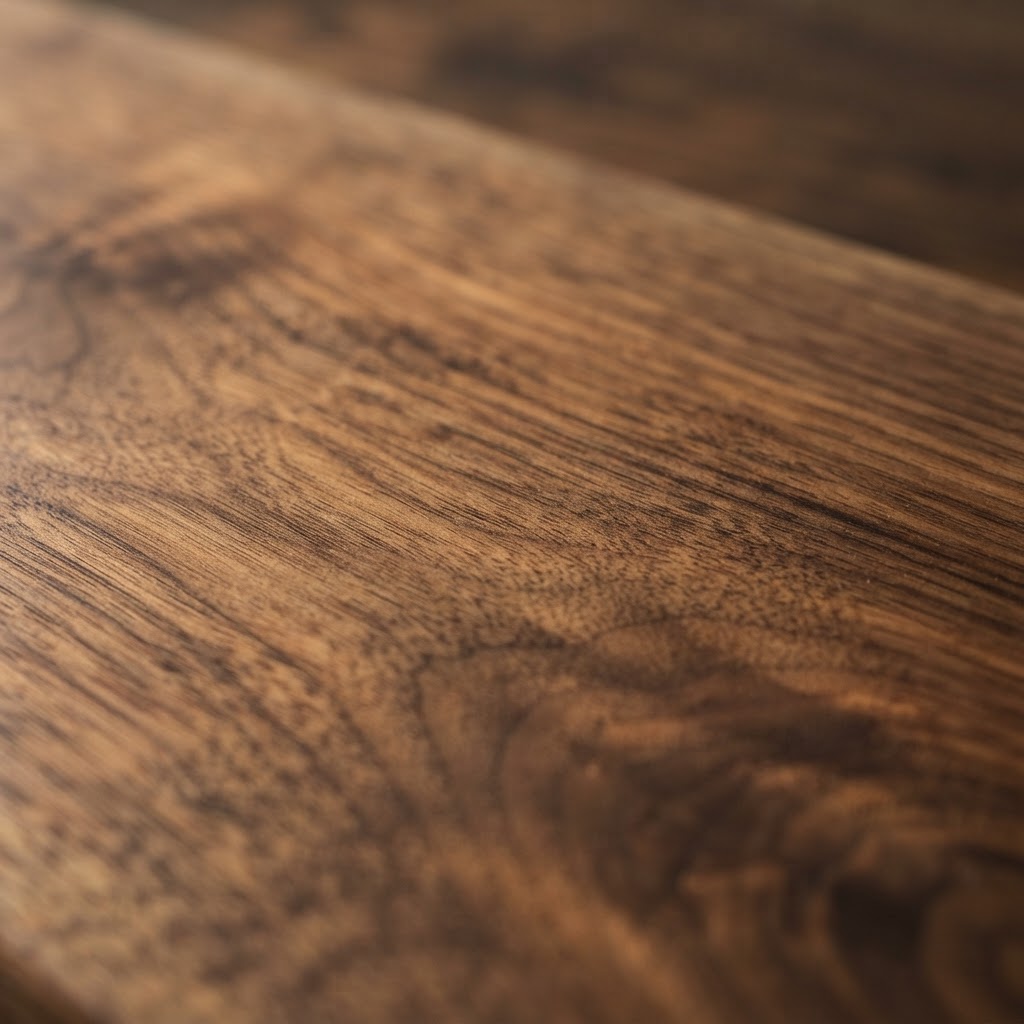
- Walnut: Dark, rich chocolate tones with striking grain. Premium choice for modern and mid-century interiors.
- Reclaimed wood: Barnwood, hand-hewn beams, and salvaged timbers add character and history. Ensure reclaimed mantels are free of lead paint and pests.
Safety Considerations for Wood Burning Fireplaces
Wood-burning appliances are safe when properly installed and maintained, but they demand respect. Follow these essential safety guidelines:
- Install smoke and carbon monoxide detectors on every level of the home and test them monthly
- Use a fireplace screen with open fireplaces to contain sparks and embers
- Maintain clearances to combustibles — follow the appliance manufacturer's specifications exactly
- Never burn treated lumber, plywood, or painted wood — these release toxic chemicals
- Keep a fire extinguisher rated for Class A fires within reach of the fireplace
- Never leave a fire unattended and ensure the fire is fully extinguished before leaving home or going to bed
- Install a chimney cap to prevent animal entry, rain damage, and downdrafts
- Have your chimney inspected annually by a CSIA-certified chimney sweep
Firewood Storage Tips
Proper wood storage ensures your firewood seasons correctly and stays dry for efficient burning. Poor storage leads to mold, insects, and wet wood that smokes excessively and deposits creosote.
Outdoor Storage Best Practices
- Elevate the woodpile at least 4-6 inches off the ground on a rack, pallets, or treated runners to prevent moisture absorption and insect access
- Stack in rows with bark side up on the top layer to shed rain naturally
- Allow airflow — leave gaps between rows and avoid stacking against building walls where air cannot circulate
- Cover the top only — a full tarp traps moisture. Cover only the top 12-18 inches and leave the sides open
- Locate away from the house — keep the main woodpile at least 20-30 feet from structures to reduce pest and fire risk. Keep a small supply (1-2 days) near the door for convenience.
For serious firewood storage, consider building a dedicated woodshed. Our guide to building a shed includes designs that work perfectly for firewood storage with proper ventilation.
How Much Firewood Do You Need?
A cord of firewood measures 4 feet wide x 4 feet tall x 8 feet long (128 cubic feet). For a home in a cold northern climate using a wood stove as the primary heat source, plan on 4-6 cords per season. Supplemental fireplace use typically requires 1-2 cords per season. Always buy or cut firewood at least 6-12 months ahead to allow adequate seasoning time.
Choosing the Right Wood Burning Fireplace for Your Home
Selecting the best wood-burning option comes down to your priorities:
- Maximum heating efficiency: Choose an EPA-certified wood stove or fireplace insert
- Traditional aesthetics with an existing chimney: Install a fireplace insert into your masonry fireplace
- New construction on a budget: A zero-clearance fireplace offers the fireplace experience at a fraction of masonry cost
- Outdoor entertaining: A fire pit or outdoor fireplace creates ambiance without indoor installation complexity
- Whole-house heating: A large wood stove (80,000+ BTU) with a blower fan can heat 2,500-3,000 square feet
Whichever option you choose, invest in quality firewood — seasoned hardwoods like oak and hickory will deliver the best performance from any wood-burning appliance. Use firebrick for any masonry construction or repairs to ensure your fireplace withstands the heat for decades to come.
Frequently Asked Questions
Lumberama Team
Building Materials Experts
Contributor to Lumberama’s reference library. Read our editorial standards and source methodology.
Explore related resources
Where readers of this article usually go next.
Related Articles
Wainscoting Guide: Types, Cost & Installation Ideas
Add classic charm and protection to your walls.

Trim & Baseboard Guide: Types, Cost & Installation
Finish your rooms with the perfect trim.
Crown Molding Guide: Types, Cost & Installation
Add elegance to any room with crown molding.