Walnut Wood Guide 2026
Juglans nigra
By Lumberama · Purchasing guidance updated November 1, 2026; catalog properties and prices not reverified · Source-based editorial guidance; no individual expert review claimed. Editorial standards
Premium dark domestic hardwood with beautiful grain
Catalog Price Reference
Unverified catalog note: Premium domestic hardwood. Figured/wide boards at top.
Unverified catalog reference, not a current offer. Supplier price source, quotation date and exact grade/milling basis are not recorded in these pricing fields. A page update is not price verification; freight and tax remain unknown until quoted. Enter a dated quote and build a specification.
Wood Appearance
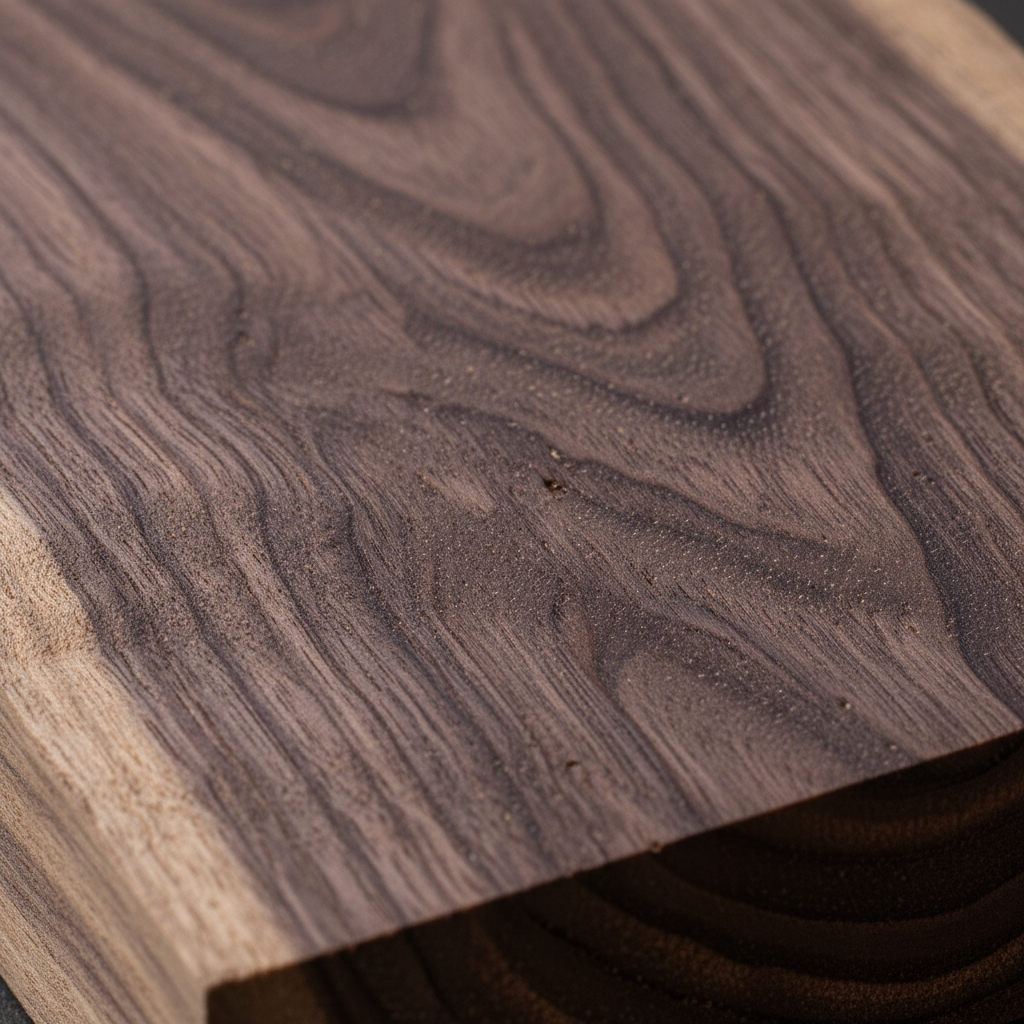
Natural Grain
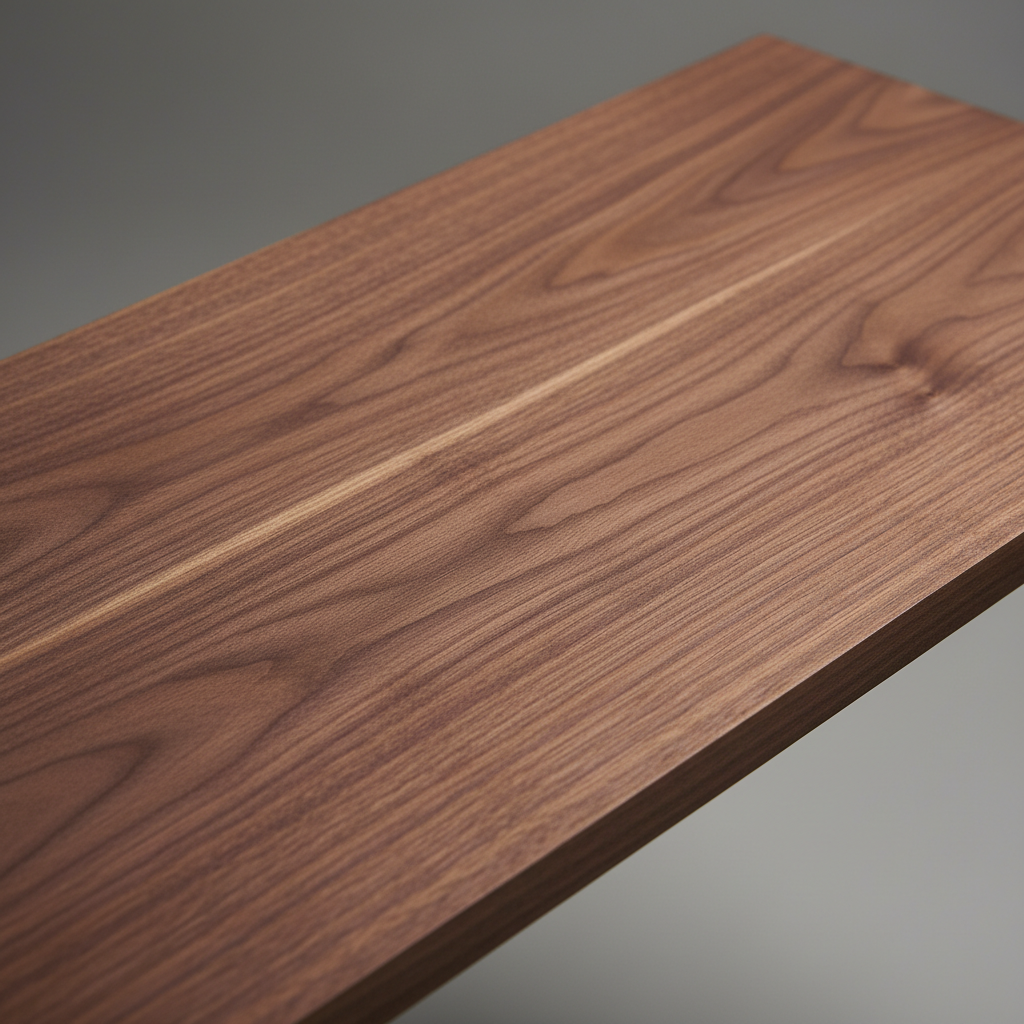
Finished Surface
Key Takeaways
- Density: 38 lbs/ft³
- Classification: Hardwood
- Origin: United States
- Catalog price ranges are unverified references, not available offers
- Common uses include Fine furniture, Cabinetry, Gunstocks
Quick Facts
Representative reference values — natural wood varies by growing region, moisture content and individual board.
Durability, Stability & Workability
Texture: Medium
Workability: Excellent machining, gluing and finishing.
Fastening: Nails and screws well; pre-drilling generally not required.
Finishing: Clear oil or lacquer showcases figure; rarely stained.
Color change: Rich brown lightens to honey tone with UV exposure.
Insect resistance: Moderate
Ratings and published values are representative reference figures. Natural wood varies with growing region, moisture content and individual boards — treat them as guidance, not guarantees.
Common Sizes & Availability
Typical market availability for Walnut. Lumberama is a sourcing marketplace — actual stock, widths and lengths vary by supplier. Request a quote to confirm what's available for your project.
| Thickness | Rough | Typical surfaced | Typical widths | Common lengths | |
|---|---|---|---|---|---|
| 4/4 | 1" | 13/16" (3/4" common) | Random widths 4–10 in.; wide boards premium | Random lengths 6–12 ft | Request this size |
| 5/4 | 1-1/4" | 1-1/16" | Random widths 4–10 in.; wide boards premium | Random lengths 6–12 ft | Request this size |
| 6/4 | 1-1/2" | 1-5/16" | Random widths 4–10 in.; wide boards premium | Random lengths 6–12 ft | Request this size |
| 8/4 | 2" | 1-3/4" | Random widths 4–10 in.; wide boards premium | Random lengths 6–12 ft | Request this size |
| 10/4 | 2-1/2" | 2-1/4" | Random widths 4–10 in.; wide boards premium | Random lengths 6–12 ft | Request this size |
| 12/4 | 3" | 2-3/4" | Random widths 4–10 in.; wide boards premium | Random lengths 6–12 ft | Request this size |
- 4/4rough 1"
- Surfaced
- 13/16" (3/4" common)
- Widths
- Random widths 4–10 in.; wide boards premium
- Lengths
- Random lengths 6–12 ft
- 5/4rough 1-1/4"
- Surfaced
- 1-1/16"
- Widths
- Random widths 4–10 in.; wide boards premium
- Lengths
- Random lengths 6–12 ft
- 6/4rough 1-1/2"
- Surfaced
- 1-5/16"
- Widths
- Random widths 4–10 in.; wide boards premium
- Lengths
- Random lengths 6–12 ft
- 8/4rough 2"
- Surfaced
- 1-3/4"
- Widths
- Random widths 4–10 in.; wide boards premium
- Lengths
- Random lengths 6–12 ft
- 10/4rough 2-1/2"
- Surfaced
- 2-1/4"
- Widths
- Random widths 4–10 in.; wide boards premium
- Lengths
- Random lengths 6–12 ft
- 12/4rough 3"
- Surfaced
- 2-3/4"
- Widths
- Random widths 4–10 in.; wide boards premium
- Lengths
- Random lengths 6–12 ft
Availability notes: Widely available domestic hardwood; often steamed to even sapwood color.
How lumber sizes are described
- Rough (4/4, 8/4…)
- Hardwood thickness in quarters of an inch as sawn, before surfacing. 4/4 = 1" rough.
- Surfaced (S2S/S4S)
- Thickness after planing. 4/4 typically finishes at 13/16" or 3/4".
- Nominal vs. actual
- Construction lumber is sold by nominal size; a 2x6 measures about 1-1/2" x 5-1/2".
- Random width / length
- Most hardwood is sold as it comes from the log — widths and lengths vary within a range rather than being fixed.
Color & Grain
Color: Chocolate brown; pale sapwood
Grain: Straight to figured
Common Uses
- Fine furniture
- Cabinetry
- Gunstocks
- Flooring
Key Characteristics
Also known as: American Black Walnut
Availability: Supplier confirmation required; this reference is not live inventory.
Advantages
- Janka indentation hardness: 1,010 lbf
- Heartwood decay rating: Durable
- Sourced from United States
Considerations
- Hardness does not establish decay resistance or structural design strength
- Compare dated quotes on the same grade, dimensions and milling basis
Specify American black walnut, not a trade-name substitute
This buying guide concerns Juglans nigra. Brazilian walnut, English walnut, veneers and engineered panels are different purchasing choices. Name the botanical species and solid-lumber product on the request, then state the parts and visible faces you need.
How to compare an 8/4 walnut price
Eight-quarter is a nominal two-inch thickness category, not a guarantee of two-inch finished stock. Ask for measured delivered thickness, guaranteed surfaced thickness, usable widths and lengths, moisture condition, grade and milling. Separate selected wide or figured stock from random-width packs. A general species price range cannot establish a current 8/4 offer.
FAS walnut is not an all-heartwood appearance specification
AHEC explains that walnut has species-specific grading exceptions allowing smaller boards and additional natural characteristics relative to standard rules. Sapwood and color selection need their own agreement. Request the applicable NHLA grade, any proprietary selection rules, minimum clear-part sizes and permitted sapwood on each visible face. Do not assume standard oak FAS specifications apply unchanged.
Steamed and unsteamed walnut need separate samples
Specialist producers steam walnut to reduce the contrast between sapwood and heartwood. Steaming does not turn sapwood into heartwood or guarantee uniform color. Ask whether the batch is steamed, request representative photographs or samples, and approve the finish on stock from that batch before ordering a matched run.
Choose grade by clear parts and milling capacity
A high grade may reduce sorting for long, wide clear parts; shorter cabinet components may be recovered economically from a lower grade. Compare the same cut list, color requirements, flattening allowance and processing labor. S4S describes surfacing on four sides; confirm straightness, final dimensions and whether additional milling is needed.
Build a delivered-cost comparison
Record price per BF, LF or piece, the tally convention, machining charges, freight, unloading, tax and the quotation date. Leave unknown charges unknown. Divide the comparable total by recovered finished-part volume only after stating how that recovery was estimated. No supplier stock, price or lead time is confirmed by this reference.
Sources and next steps
AHEC species and grading guidance and the NHLA rules overview checked November 1, 2026. These references support identity and grading context, not the catalog’s dollar figures or a supplier offer.
Frequently Asked Questions
Alternatives to Consider
Species commonly specified for similar applications when Walnut is unavailable or over budget.
Related Species
Compare This Wood
Olive Wood vs Walnut
Olive Wood produces the more dramatic and durable bowl, but it demands more skill and expense. Walnut is the more practical choice for most turners, offering beautiful dark tones, easy turning, and ready availability. For a functional kitchen bowl, Olive Wood's hardness and tradition give it the edge.
View comparisonCherry vs Walnut
Both are outstanding turning woods. Cherry is the better value and develops a gorgeous patina, making it ideal for heirloom pieces. Walnut wins when you need immediate visual impact with its rich dark tones and is especially striking in bowl work where sapwood edges are featured.
View comparisonWalnut vs Oak
Walnut delivers instant luxury with its dark, rich tones. Oak provides exceptional value and durability with more design flexibility. Your budget and style preference will drive the decision.
View comparisonWalnut vs Cherry
Both are premium natural-finish cabinet woods. Walnut is currently more trendy and dramatic. Cherry is more timeless and affordable. Choose based on the specific dark vs warm aesthetic and your kitchen's overall design direction.
View comparison