Olive Wood vs Walnut for Wood Bowls: 2026 Complete Comparison (2026)
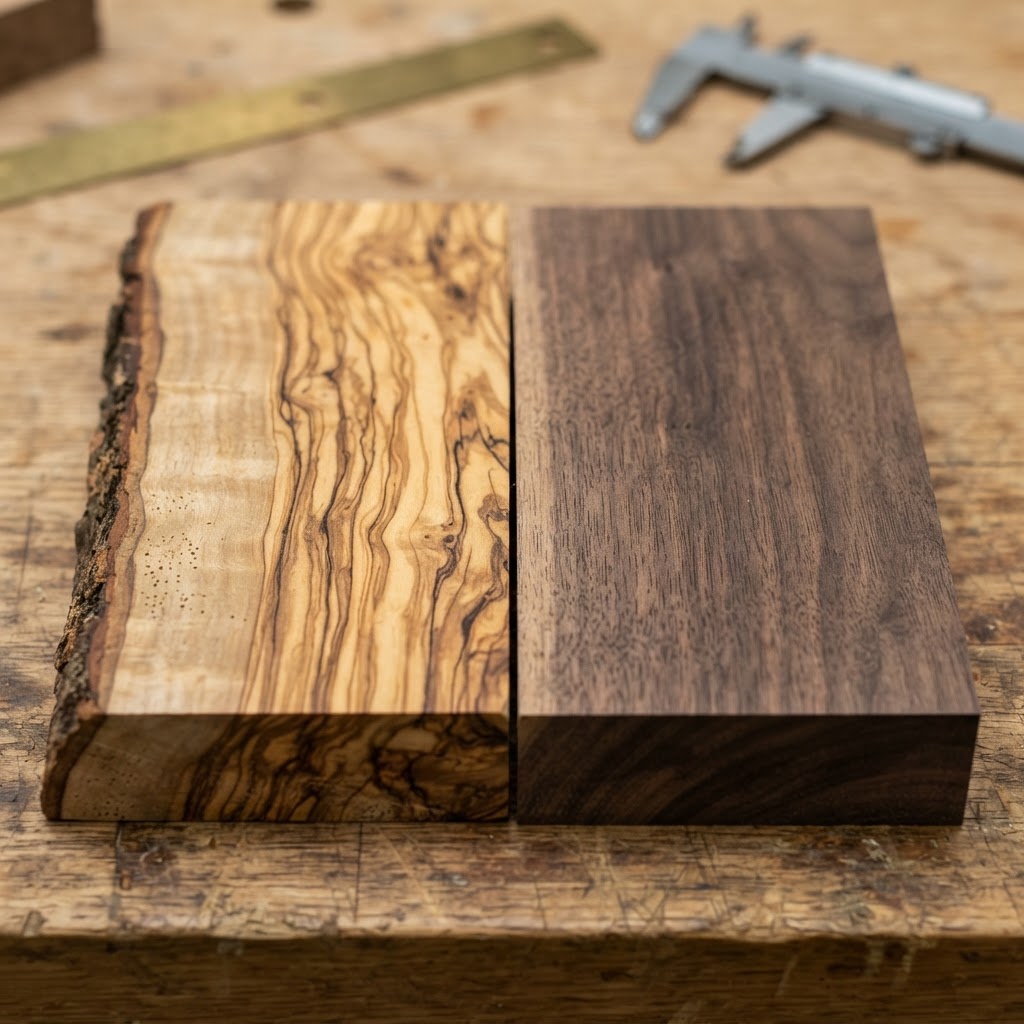
Olive Wood and Walnut are both prized for turned bowls, but they bring very different aesthetics to the table. Olive Wood is known for its wild, swirling grain and golden-brown streaks, while Walnut offers refined dark chocolate tones. This comparison helps you decide which species will make the best bowl for your project, whether functional or decorative.
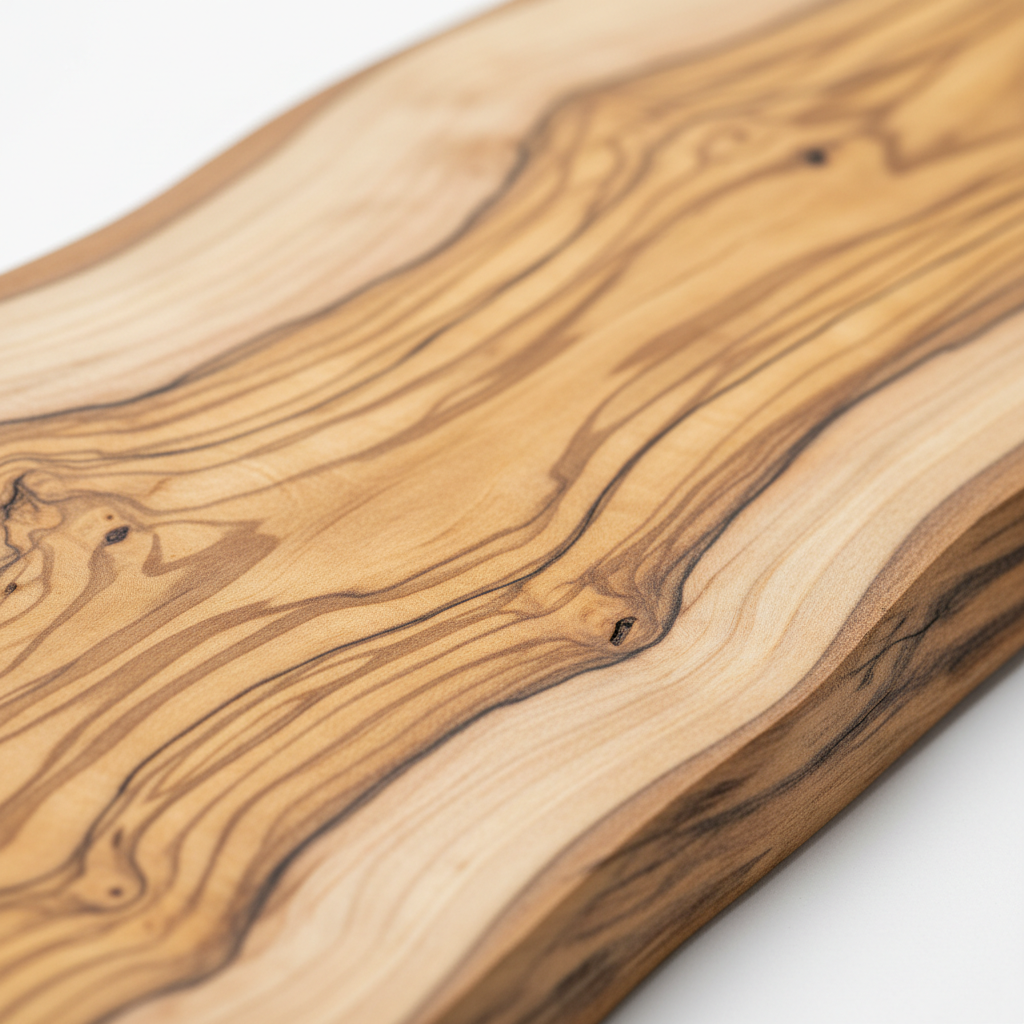
Olive Wood
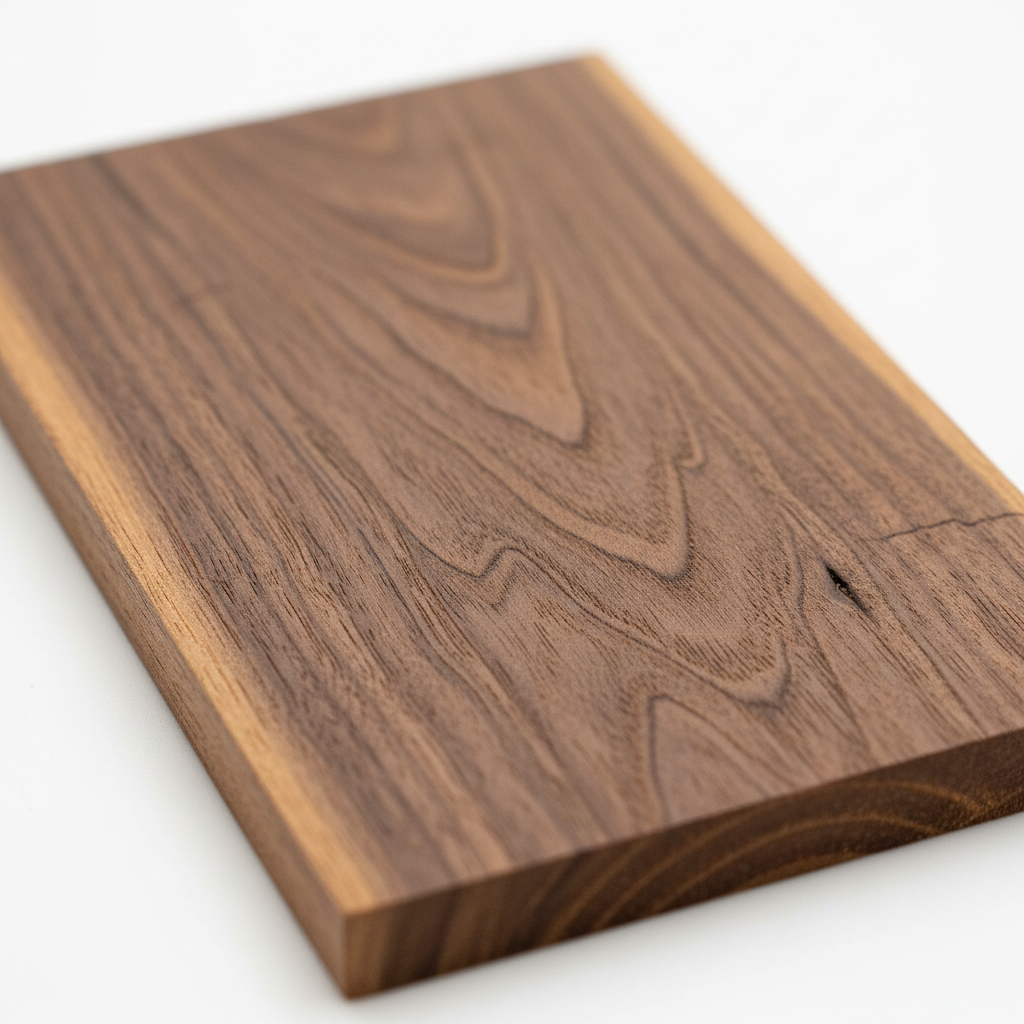
Walnut
Key Takeaways
- Olive Wood and Walnut are both prized for turned bowls, but they bring very different aesthetics to the table.
- Olive Wood is known for its wild, swirling grain and golden-brown streaks, while Walnut offers refined dark chocolate tones.
- This comparison helps you decide which species will make the best bowl for your project, whether functional or decorative.
- Olive Wood produces the more dramatic and durable bowl, but it demands more skill and expense.
- Walnut is the more practical choice for most turners, offering beautiful dark tones, easy turning, and ready availability.
| Property | Olive Wood | Walnut |
|---|---|---|
| Hardness (Janka) | 2700 lbf | 1010 lbf |
| Grain Figure | Wild, swirling, dramatic | Straight to wavy, refined |
| Color | Golden-tan with dark streaks | Dark chocolate brown |
| Food Safety | Excellent — traditional use | Good — food-safe |
| Blank Availability | Limited, often imported | Widely available domestic |
| Avg Bowl Blank Cost | $25–50 | $15–30 |
Olive Wood
Pros
- Stunning, unique grain patterns in every piece. Extremely hard and durable — highly scratch-resistant. Centuries of tradition as food-contact wood. Natural oils give inherent moisture resistance.
Cons
- Expensive and difficult to source in large sizes. Very hard on tools — requires sharp gouges. Can crack during drying if not properly seasoned. Irregular grain makes catches more likely.
Walnut
Pros
- Rich, elegant dark color with beautiful figure. Widely available in large bowl blanks. Easier to turn than Olive Wood. More predictable grain behavior on the lathe.
Cons
- Softer — more prone to denting in use. Open pores may need filling for food-contact bowls. Less dramatic figure compared to Olive Wood.
Best Use Cases
Choose Olive Wood when you want a showstopper piece with wild, one-of-a-kind grain patterns and maximum durability — ideal for salad bowls and functional kitchen pieces. Choose Walnut for elegant, refined bowls with consistent dark color, easier turning, and better blank availability — perfect for decorative and gift bowls.
Verdict
Olive Wood produces the more dramatic and durable bowl, but it demands more skill and expense. Walnut is the more practical choice for most turners, offering beautiful dark tones, easy turning, and ready availability. For a functional kitchen bowl, Olive Wood's hardness and tradition give it the edge.