Cherry vs Walnut for Turning Blanks: 2026 Complete Comparison (2026)
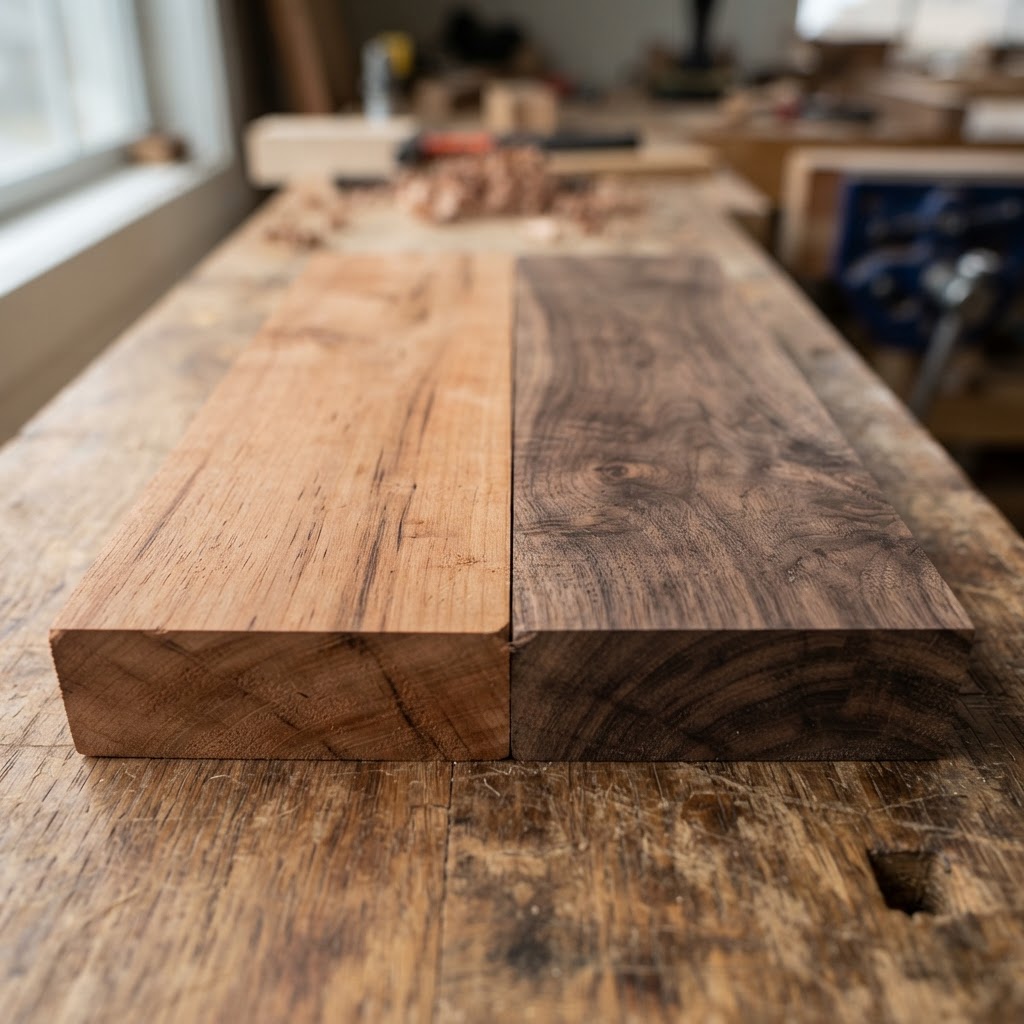
Cherry and Walnut are two of the most beloved domestic hardwoods for woodturning, each offering rich color and excellent workability on the lathe. Cherry deepens to a warm reddish-amber over time, while Walnut provides striking dark chocolate tones from day one. This comparison covers everything turners need to know to pick the right species for bowls, vessels, and spindle work.
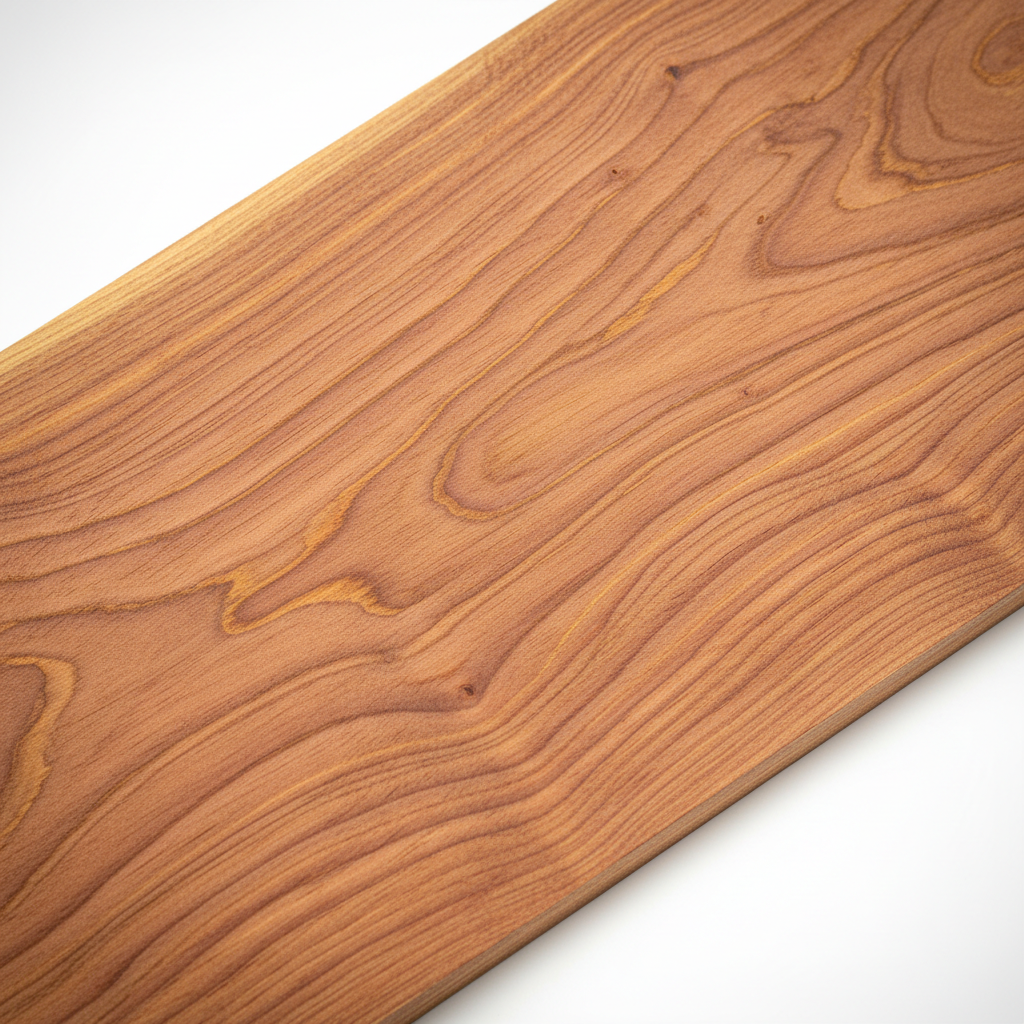
Cherry
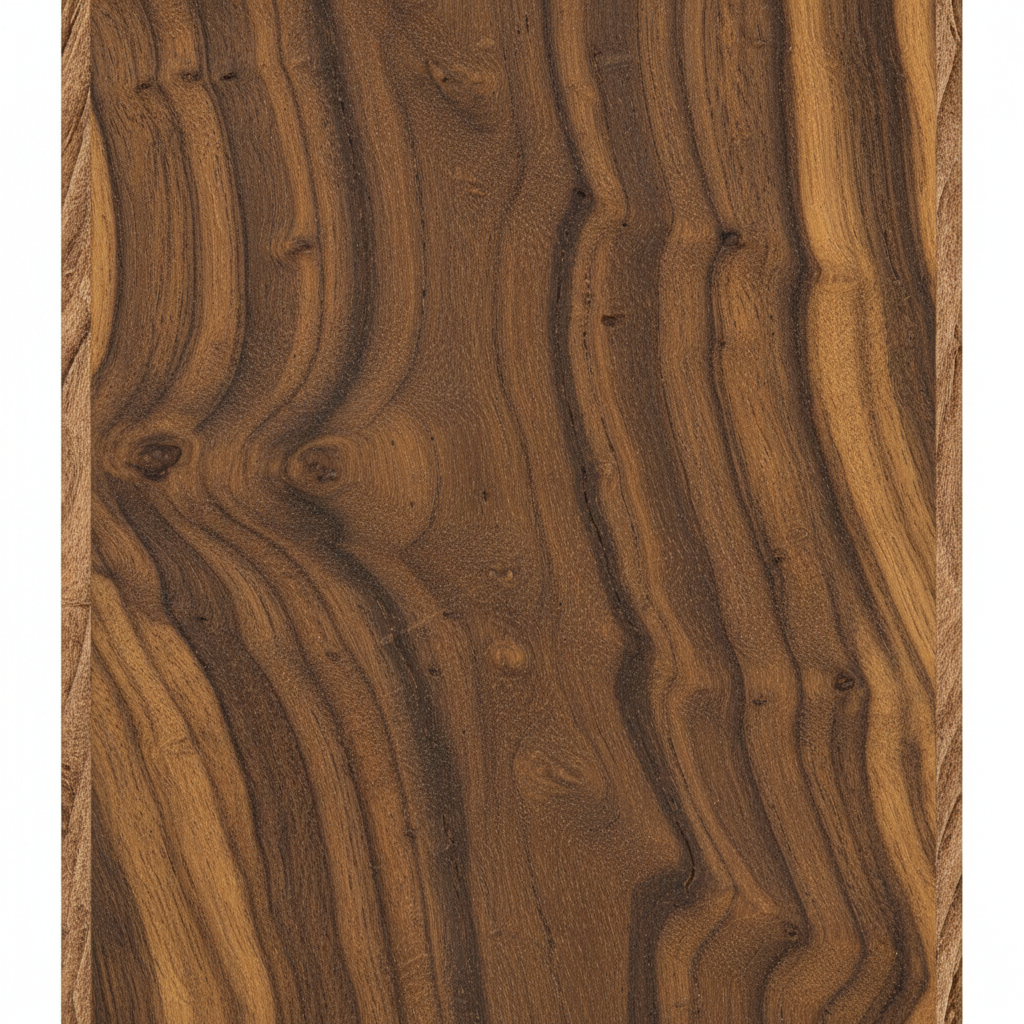
Walnut
Key Takeaways
- Cherry and Walnut are two of the most beloved domestic hardwoods for woodturning, each offering rich color and excellent workability on the lathe.
- Cherry deepens to a warm reddish-amber over time, while Walnut provides striking dark chocolate tones from day one.
- This comparison covers everything turners need to know to pick the right species for bowls, vessels, and spindle work.
- Both are outstanding turning woods.
- Cherry is the better value and develops a gorgeous patina, making it ideal for heirloom pieces.
| Property | Cherry | Walnut |
|---|---|---|
| Hardness (Janka) | 950 lbf | 1010 lbf |
| Color | Light pink aging to reddish-amber | Rich dark brown |
| Grain | Fine, straight with occasional curl | Straight to wavy, open pores |
| Turning Ease | Excellent | Excellent |
| Avg Cost (BF) | $6–10 | $8–14 |
| Finish | Develops deep patina | Rich color with oil finish |
Cherry
Pros
- Beautiful color that deepens dramatically over time. Fine grain takes an excellent finish off the tool. Affordable and widely available. Turns smoothly with minimal tear-out.
Cons
- Fresh-cut color is somewhat plain — needs time to develop. Can have gum pockets that affect finish. Sapwood contrast can be distracting.
Walnut
Pros
- Stunning dark color immediately — no waiting for patina. Open grain creates attractive figure patterns. Heartwood/sapwood contrast is dramatic and desirable. Slightly harder than Cherry.
Cons
- More expensive than Cherry. Open pores may require filling for ultra-smooth finish. Can be dusty when sanding on the lathe.
Best Use Cases
Choose Cherry for turnings that will develop character over time, when you want a warm reddish tone, or when budget is a factor. Choose Walnut when you want immediate dark, dramatic color, enjoy working with open-grain woods, or are creating pieces where the heartwood/sapwood contrast adds visual interest.
Verdict
Both are outstanding turning woods. Cherry is the better value and develops a gorgeous patina, making it ideal for heirloom pieces. Walnut wins when you need immediate visual impact with its rich dark tones and is especially striking in bowl work where sapwood edges are featured.