Boxwood vs Holly for Wood Turning: 2026 Complete Comparison (2026)
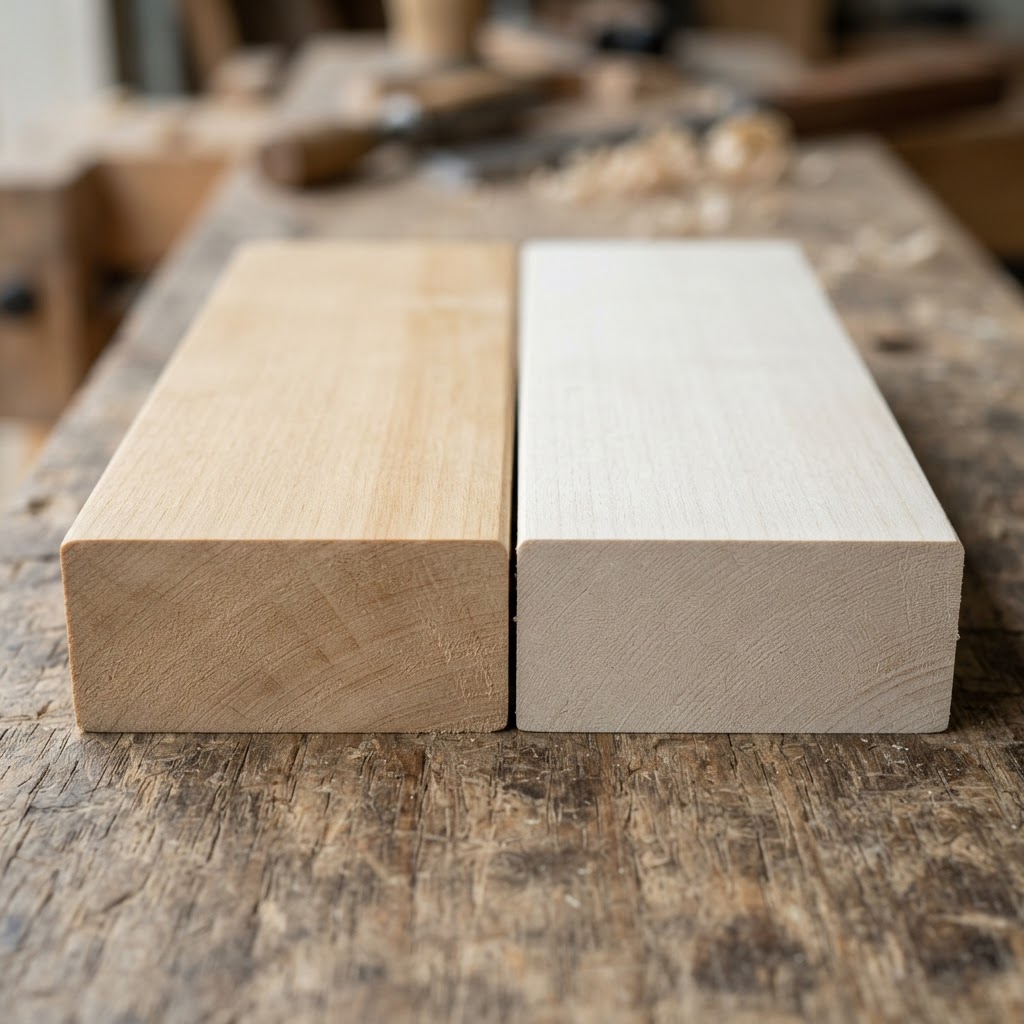
Boxwood and Holly are prized by turners for their exceptionally fine grain and pale, ivory-like color. Both produce glass-smooth finishes on the lathe and excel at small-scale detail work like chess pieces, tool handles, and ornaments. Understanding their differences in density, availability, and working properties will help you pick the right blank.
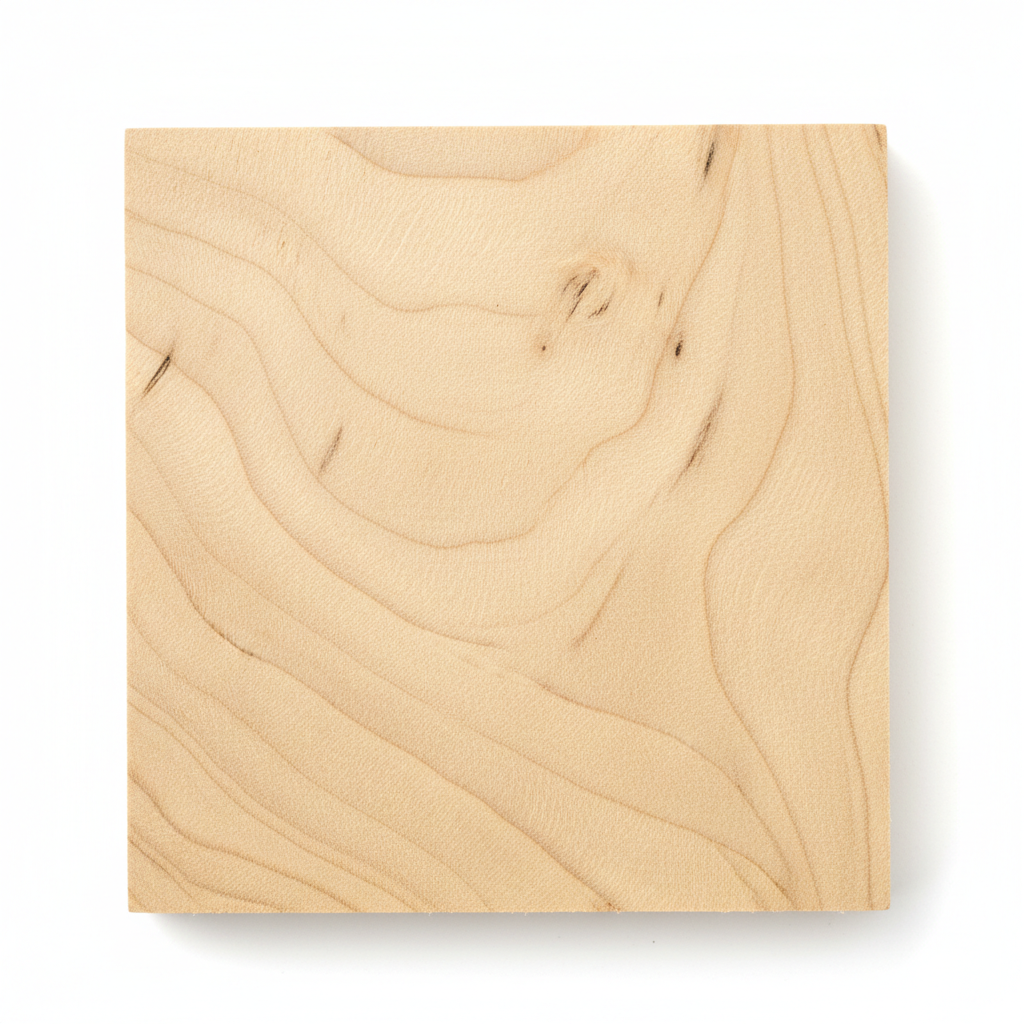
Boxwood
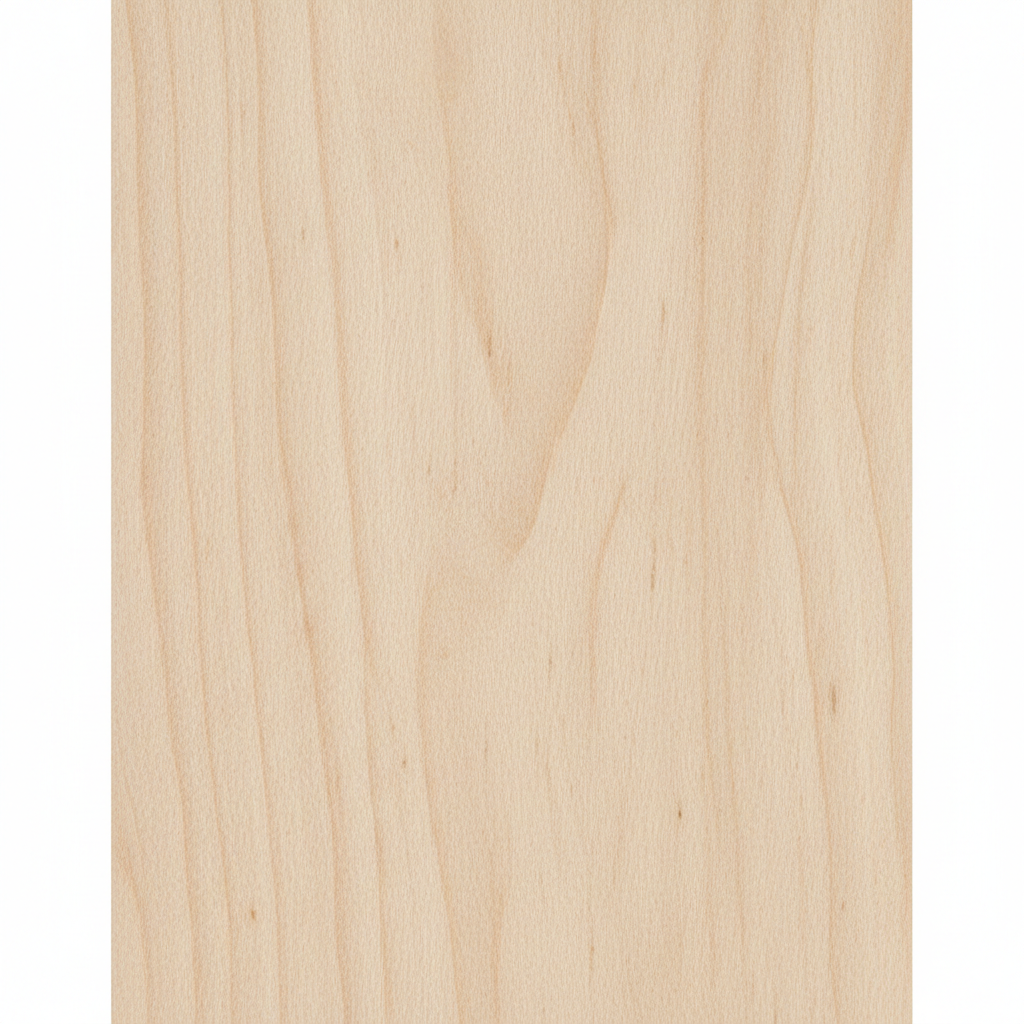
Holly
Key Takeaways
- Boxwood and Holly are prized by turners for their exceptionally fine grain and pale, ivory-like color.
- Both produce glass-smooth finishes on the lathe and excel at small-scale detail work like chess pieces, tool handles, and ornaments.
- Understanding their differences in density, availability, and working properties will help you pick the right blank.
- For pure turning quality and ultra-fine detail, Boxwood is unmatched but comes at a premium price and limited size.
- Holly is the more practical choice for most turners, offering brilliant white color, decent detail capability, and better availability at a fraction of the cost.
| Property | Boxwood | Holly |
|---|---|---|
| Hardness (Janka) | 2840 lbf | 1020 lbf |
| Color | Pale yellow | Ivory white |
| Density | Very high — sinks in water | Moderate |
| Max Blank Size | Small (2–4 in) | Moderate (4–8 in) |
| Finish Quality | Exceptional | Excellent |
| Avg Cost | $40–80/BF | $10–20/BF |
Boxwood
Pros
- Extremely fine, dense grain yields superb finish. Holds the sharpest detail of almost any wood. Traditional choice for engraving blocks and chess pieces. Very durable finished pieces.
Cons
- Expensive and difficult to source in large sizes. Very hard on tools — requires frequent sharpening. Only available in small dimensions.
Holly
Pros
- Whitest wood available — ideal for inlay and contrast. More affordable and available in larger blanks. Easier to turn than Boxwood. Takes dye and stain evenly.
Cons
- Prone to staining and discoloration if not dried carefully. Softer than Boxwood — less crisp on very fine detail. Must be used quickly after milling to avoid yellowing.
Best Use Cases
Choose Boxwood for the finest detail turning — chess pieces, small ornamental work, and anything demanding razor-sharp edges. Choose Holly when you need the whitest possible wood, larger blank sizes, or a more affordable option that still turns to an excellent finish.
Verdict
For pure turning quality and ultra-fine detail, Boxwood is unmatched but comes at a premium price and limited size. Holly is the more practical choice for most turners, offering brilliant white color, decent detail capability, and better availability at a fraction of the cost.