Wenge Wood Guide 2026
Millettia laurentii
Typically described as dark coarse African hardwood
Catalog Price Reference
Unverified catalog note: Dark chocolate brown. Splinter-prone; requires careful handling.
Unverified catalog reference, not a current offer. Supplier price source, quotation date and exact grade/milling basis are not recorded in these pricing fields. A page update is not price verification; freight and tax remain unknown until quoted. Enter a dated quote and build a specification.
Wood Appearance
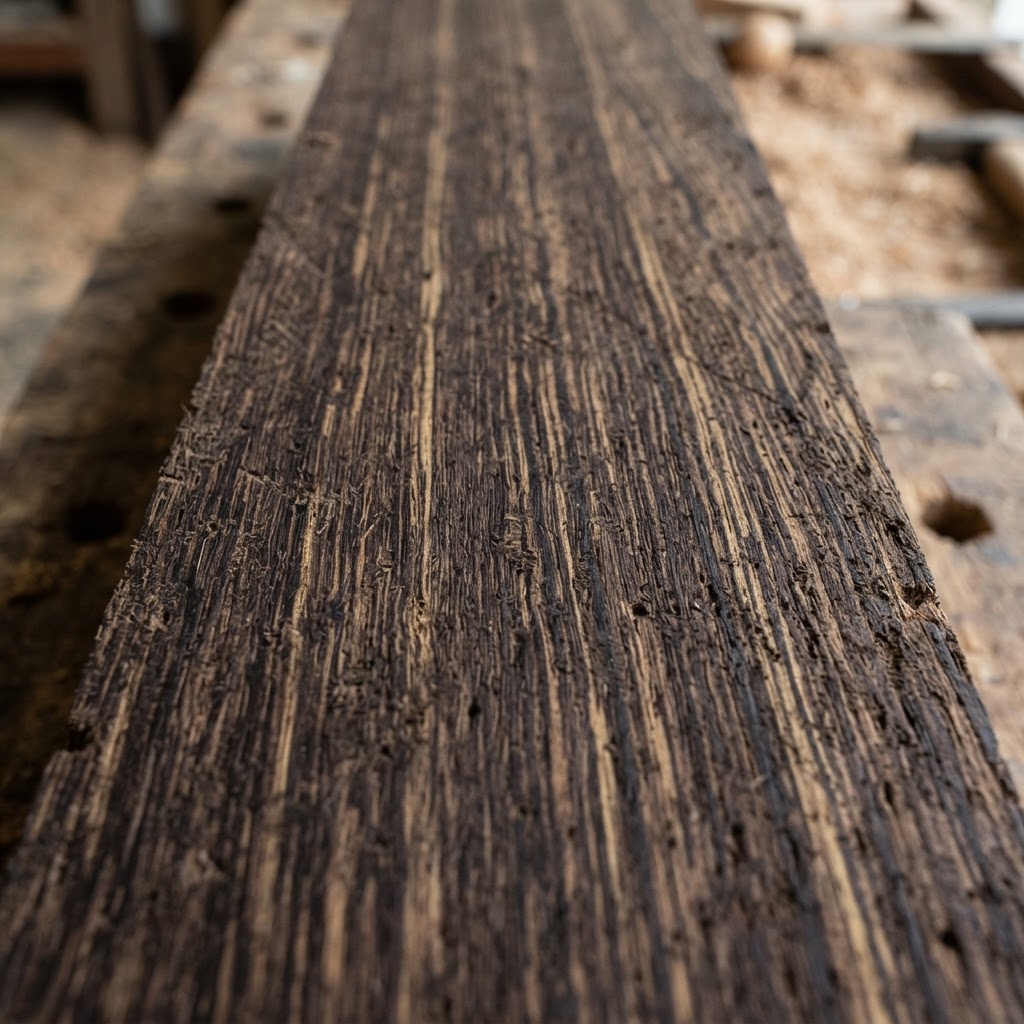
Natural Grain
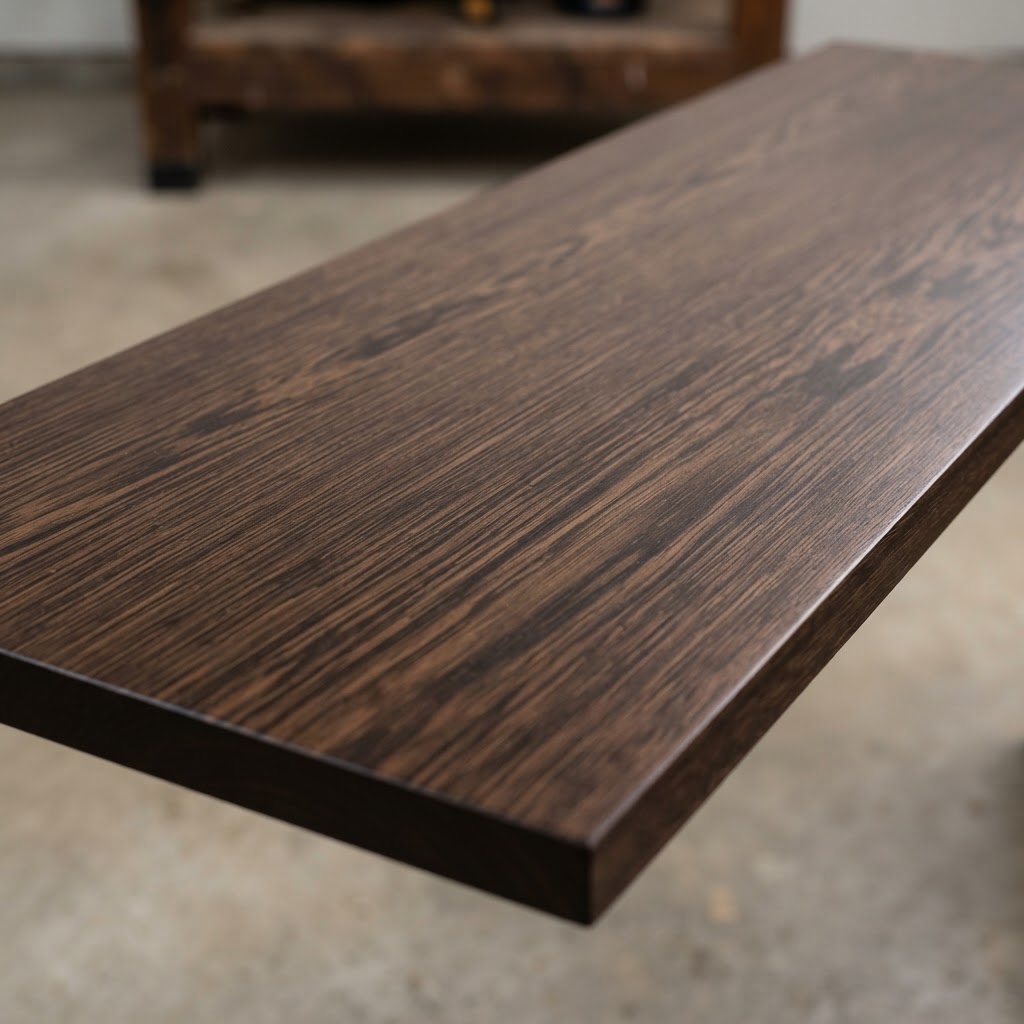
Finished Surface
Key Takeaways
- Density: 34 lbs/ft³
- Classification: Hardwood
- Origin: Congo;Cameroon
- Catalog price ranges are unverified references, not available offers
- Common uses include Flooring, Furniture, Accent work
Quick Facts
Representative reference values — natural wood varies by growing region, moisture content and individual board.
Durability, Stability & Workability
Texture: The texture is coarse with straight grain and high contrast.
Workability: It is difficult to work with due to its high density and dulling effect on cutters.
Fastening: Pre-drilling recommended for screws and nails.
Finishing: It is difficult to finish due to natural oils, often requiring a sealer before topcoats.
Color change: The dark brown color will lighten slightly and turn more uniform with UV exposure.
Insect resistance: It is highly resistant to termites and other wood-boring insects.
Ratings and published values are representative reference figures. Natural wood varies with growing region, moisture content and individual boards — treat them as guidance, not guarantees.
Common Sizes & Availability
Typical market availability for Wenge. Lumberama is a sourcing marketplace — actual stock, widths and lengths vary by supplier. Request a quote to confirm what's available for your project.
| Thickness | Rough | Typical surfaced | Typical widths | Common lengths | |
|---|---|---|---|---|---|
| 4/4 | 1" | 13/16" (3/4" common) | Random widths ranging from 4 to 10 inches are common. | Random lengths ranging from 6 to 12 feet are available. | Request this size |
| 8/4 | 2" | 1-3/4" | Random widths ranging from 4 to 10 inches are common. | Random lengths ranging from 6 to 12 feet are available. | Request this size |
- 4/4rough 1"
- Surfaced
- 13/16" (3/4" common)
- Widths
- Random widths ranging from 4 to 10 inches are common.
- Lengths
- Random lengths ranging from 6 to 12 feet are available.
- 8/4rough 2"
- Surfaced
- 1-3/4"
- Widths
- Random widths ranging from 4 to 10 inches are common.
- Lengths
- Random lengths ranging from 6 to 12 feet are available.
Decking & exterior profiles
Usually available as custom milled tongue and groove or smooth-faced boards.
Availability notes: Limited availability through specialty importers.
How lumber sizes are described
- Rough (4/4, 8/4…)
- Hardwood thickness in quarters of an inch as sawn, before surfacing. 4/4 = 1" rough.
- Surfaced (S2S/S4S)
- Thickness after planing. 4/4 typically finishes at 13/16" or 3/4".
- Nominal vs. actual
- Construction lumber is sold by nominal size; a 2x6 measures about 1-1/2" x 5-1/2".
- Random width / length
- Most hardwood is sold as it comes from the log — widths and lengths vary within a range rather than being fixed.
Color & Grain
Color: Nearly black; pale sapwood
Grain: Coarse; straight to wavy
Common Uses
- Flooring
- Furniture
- Accent work
- Turnings
Key Characteristics
Also known as: Panga Panga
Availability: Supplier confirmation required; this reference is not live inventory.
Advantages
- Janka indentation hardness: 1,630 lbf
- Heartwood decay rating: Very Durable
- Sourced from Congo;Cameroon
Considerations
- Pre-drilling recommended for fasteners
- Hardness does not establish decay resistance or structural design strength
- Compare dated quotes on the same grade, dimensions and milling basis
- Availability may vary
Frequently Asked Questions
Alternatives to Consider
Species commonly specified for similar applications when Wenge is unavailable or over budget.