Wood Finish Comparison: Oil vs Polyurethane vs Lacquer vs Shellac
Understanding Wood Finish Categories
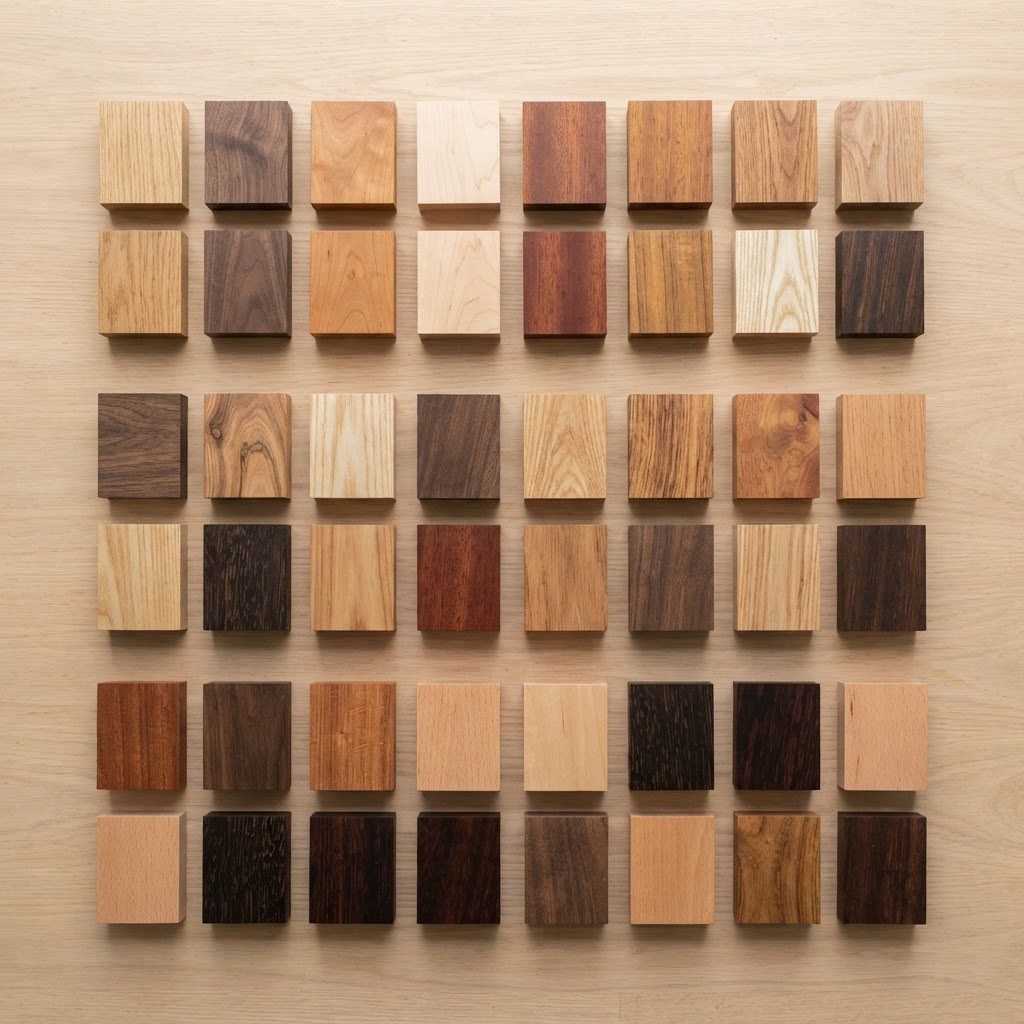
Wood finishes fall into two fundamental categories: penetrating finishes that soak into the wood fibers (oils, oil/varnish blends) and film-forming finishes that build a protective layer on the surface (polyurethane, lacquer, shellac, varnish). This distinction determines the finish's appearance, durability, repairability, and application method. Neither category is universally "better" — each excels in specific situations. Understanding the trade-offs lets you choose the right finish for every project.
Penetrating Oil Finishes
Pure tung oil (not "tung oil finish" which is often a varnish blend) penetrates deeply and polymerizes within the wood, creating a warm, natural look that enhances grain without obscuring it. It's water-resistant when fully cured (3-5 coats over 2-3 weeks), food-safe once cured, and easy to apply with a rag. The downside: tung oil provides minimal protection against abrasion and requires periodic reapplication (every 6-12 months on high-use surfaces). Boiled linseed oil (BLO) behaves similarly but yellows more over time and takes longer to cure. Raw linseed oil takes weeks to dry and is not practical as a standalone finish. Danish oil (Watco is the most common brand) is a blend of oil and varnish that penetrates like oil but builds slightly more protection. It's the easiest finish to apply well — wipe on, let it soak, wipe off excess. Two to three coats produce a beautiful, low-sheen finish in a day. It's not highly durable but is extremely easy to repair — just apply more. Mineral oil is the go-to for cutting boards and food-contact items because it's food-safe, odorless, and non-toxic. It never hardens, so it requires monthly reapplication for cutting boards. Pair with beeswax for slightly more protection.
Polyurethane
Polyurethane is the most popular film finish for its combination of durability, water resistance, and availability. Oil-based polyurethane (Minwax, Varathane, General Finishes Arm-R-Seal) builds a thick, durable film with a warm amber tone. It's extremely tough against water, chemicals, and abrasion — the default choice for floors, tabletops, and high-wear surfaces. Application methods include brushing (use a quality natural-bristle brush, tip off bubbles), wiping (thin with mineral spirits for a wiping varnish that builds slowly with excellent results), and spraying (thin 10-20% with mineral spirits). Three coats with light sanding (220 grit) between coats is standard. Drying time is 4-6 hours between coats, full cure in 30 days. Water-based polyurethane (General Finishes High Performance, Varathane Crystal Clear) dries crystal clear without yellowing, making it the better choice over light woods and white-painted surfaces. It's low-odor, dries faster (2 hours between coats), and cleans up with water. The trade-off: water-based poly is slightly less durable than oil-based, raises the grain on the first coat (requiring sanding), and can look plasticky if applied too thick. For floors, oil-based poly is still the professional choice for its toughness and amber warmth; water-based poly is preferred where non-yellowing clarity matters.
Lacquer
Lacquer is the professional furniture finisher's standard — fast-drying (touch dry in 15-30 minutes, recoatable in 30-60 minutes), crystal clear, and builds to a beautiful film that rubs out to any sheen from satin to mirror gloss. Each coat partially dissolves into the previous one, creating a single homogeneous film without inter-coat adhesion issues. This also makes lacquer the easiest finish to repair — spray more lacquer and it melts into the existing finish. Pre-catalyzed lacquer adds a hardener for improved durability and water resistance, approaching polyurethane's toughness while maintaining lacquer's ease of application and repair. CAB-acrylic lacquer is water-white (no yellowing) and is the finish used on most commercial white and light-colored furniture. Lacquer's main drawbacks: it must be sprayed for best results (requires spray equipment and good ventilation), it's highly flammable during application, and standard nitrocellulose lacquer is less water-resistant than polyurethane. Professional finishers love lacquer because they can finish a piece in a day (multiple coats in hours) versus days with polyurethane.
Shellac
Shellac is a natural finish made from lac bug secretions dissolved in denatured alcohol. It's been used for centuries and remains relevant today. Advantages: extremely fast drying (30 minutes between coats), beautiful warm tone, excellent as a sealer under other finishes (it blocks tannin bleed, odors, and stains better than any synthetic product — Zinsser SealCoat and BIN primer are shellac-based), food-safe once the alcohol evaporates, and dissolves in alcohol for easy repair. French polishing — applying many thin layers of shellac with a pad in a specific technique — produces the most lustrous finish possible on wood, prized on fine instruments and antique furniture. Disadvantages: shellac is damaged by alcohol (cocktail rings) and water (white rings from cups), making it unsuitable for tabletops and bars without a topcoat. It also breaks down in heat. Available in flakes (dissolved in alcohol for custom mixing) or pre-mixed liquid (Zinsser Bulls Eye). Shellac comes in grades from super blonde (nearly clear) through amber and garnet to button (deep orange-brown), allowing color matching to any wood tone.
Comparison Summary
For maximum durability (floors, kitchen tables, kids' furniture): oil-based polyurethane or catalyzed lacquer. For natural, easy-to-repair look (heirloom furniture, crafts): Danish oil or tung oil. For professional furniture finishing (speed, quality, repairability): pre-catalyzed lacquer. For food-contact items (cutting boards, bowls, utensils): mineral oil, walnut oil, or pure tung oil. For sealing before paint or as a universal primer: shellac. For outdoor furniture and exterior wood: spar urethane (marine varnish) or exterior oil. For light-colored wood where yellowing matters: water-based polyurethane or CAB-acrylic lacquer. For antique restoration: shellac (French polish for formal pieces). There is no single best finish — match the finish to the project's requirements for appearance, durability, repairability, and application method.
Frequently Asked Questions
Lumberama Editorial Team
Wood Finishing Experts
Contributor to Lumberama’s reference library. Read our editorial standards and source methodology.
Continue researching flooring
Where readers of this article usually go next.
Related Articles
Countertop Guide: Granite vs Quartz vs Marble and More
Choose the right kitchen or bathroom countertop with this comprehensive comparison.

Pool Guide: Above Ground vs In-Ground Cost and Types
Learn about costs, types, and which pool is right for your home.

Retaining Wall Guide: Types, Cost & DIY vs Professional
Build a retaining wall that lasts with this comprehensive guide covering all types and costs.