Article
Comparisons
Retaining Wall Guide: Types, Cost & DIY vs Professional
Lumberama Editorial Team, Landscape & Retaining Wall Specialists Oct 25, 2026 11 min read
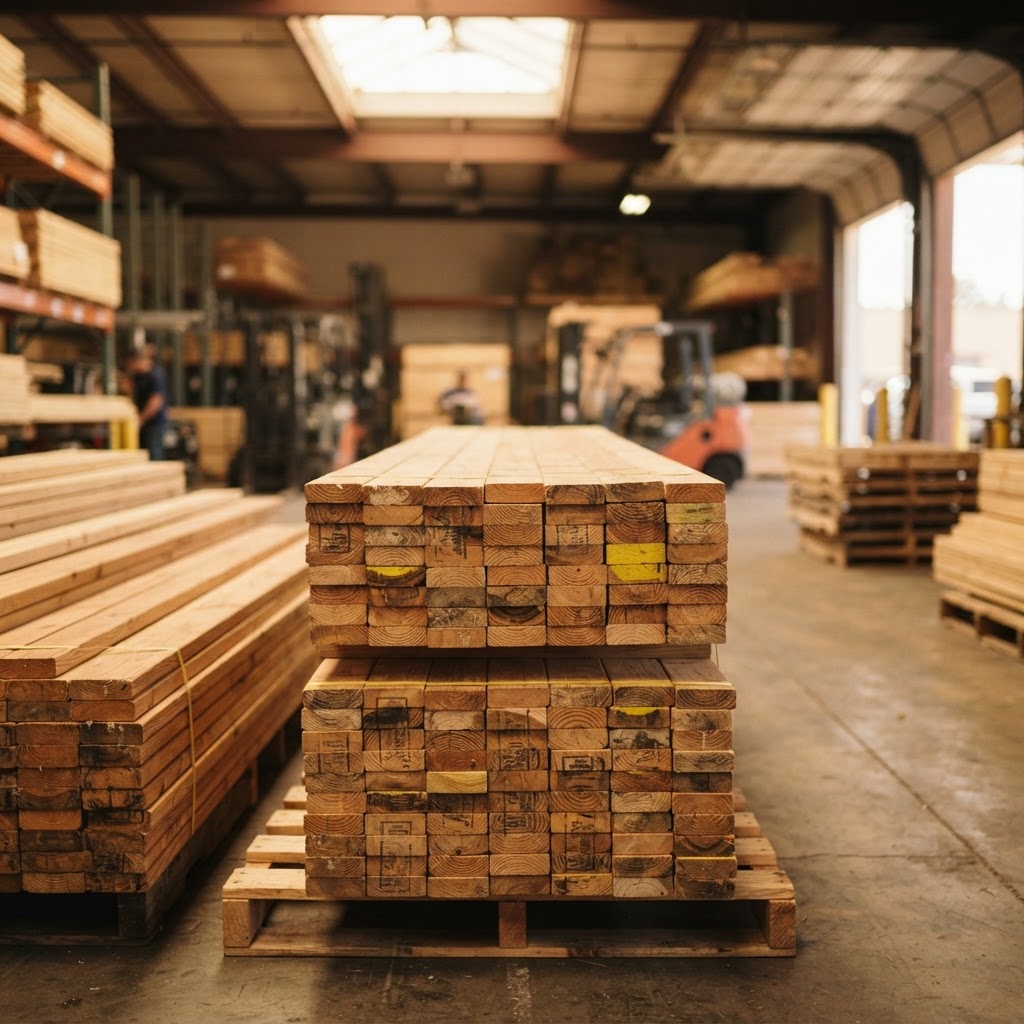
Types of Retaining Walls
Interlocking concrete blocks: The most popular choice for DIY and professional. Pre-engineered blocks that lock together. No mortar needed. Available in many colors and textures. Cost: $10-$25/sq ft installed. Height limit (without engineering): 3-4 feet. Best for: garden walls, terracing, raised beds.
Poured concrete: Strongest option. Reinforced with steel rebar. Can be faced with stone or stucco. Cost: $20-$40/sq ft installed. Best for: tall walls (4+ feet), heavy loads, structural applications. Requires forms, rebar, and a concrete truck.
Natural stone: Beautiful, timeless look. Stacked dry (no mortar) or mortared. Cost: $15-$35/sq ft installed. Best for: decorative walls under 3 feet. Labor-intensive to build.
Timber/wood: Pressure-treated landscape timbers or railroad ties. Cost: $10-$20/sq ft installed. Lifespan: 10-20 years (shorter than stone or concrete). Best for: low walls (under 3 feet) in garden/landscape settings.
Boulder: Large natural rocks stacked or placed. Rustic, natural look. Cost: $15-$30/sq ft installed. Best for: natural-looking landscape walls.
Gabion: Wire cages filled with rocks. Industrial/modern aesthetic. Good drainage. Cost: $15-$30/sq ft installed.
Key Design Considerations
Height and engineering: Under 4 feet: DIY-friendly, no engineering typically needed (check local codes). 4+ feet: most jurisdictions require a building permit and engineered design. A licensed engineer ensures the wall can handle the soil pressure (lateral earth pressure).
Drainage (critical): The number one cause of retaining wall failure is water pressure behind the wall. Every retaining wall needs: gravel backfill (12+ inches behind the wall). Perforated drain pipe at the base. Weep holes or drainage outlets. The drainage system is as important as the wall itself.
Foundation: A compacted gravel base is essential. Depth: 6-12 inches of compacted gravel. Width: wider than the wall blocks. The first course is partially buried (below grade) for stability.
Setback (batter): The wall should lean slightly into the hillside. Most block systems have built-in setback (each row steps back 3/4 to 1 inch). This tilts the wall into the retained soil for stability.
Costs
By material (installed): Interlocking block: $10-$25/sq ft. Poured concrete: $20-$40/sq ft. Natural stone: $15-$35/sq ft. Timber: $10-$20/sq ft. Boulder: $15-$30/sq ft.
By wall size (interlocking block, professional): Small (20 ft long x 2 ft high = 40 sq ft): $1,000-$2,500. Medium (40 ft x 3 ft = 120 sq ft): $2,500-$5,000. Large (60 ft x 4 ft = 240 sq ft): $5,000-$10,000.
Additional costs: Engineering (for walls 4+ feet): $500-$2,000. Permits: $100-$500. Excavation: $500-$2,000. Drainage system: included in most professional installs.
DIY savings: Materials only: $5-$15/sq ft (block walls). You save 40-60% vs professional. A 40-foot x 3-foot wall: $600-$1,800 DIY vs $2,500-$5,000 professional.
Frequently Asked Questions
By material (installed per sq ft): interlocking block: $10-$25. Poured concrete: $20-$40. Natural stone: $15-$35. Timber: $10-$20. By project size (interlocking block): small (40 sq ft): $1,000-$2,500. Medium (120 sq ft): $2,500-$5,000. Large (240 sq ft): $5,000-$10,000. DIY materials only: $5-$15/sq ft (save 40-60%). The most popular choice is interlocking concrete block because it balances cost, durability, and ease of installation. For walls over 4 feet tall, budget for engineering ($500-$2,000) and permits ($100-$500) as well.
Walls under 3-4 feet: yes, this is a great DIY project with interlocking blocks. No mortar or special skills needed. Tools: shovel, level, rubber mallet, tamper. Materials: blocks, gravel, drainage pipe, landscape fabric. Time: 1-3 days for a typical garden wall. Key steps: dig a trench, compact gravel base, lay first course (level is critical), stack blocks with gravel backfill, add drain pipe behind wall. Walls 4+ feet: hire a professional. These require engineering, permits, and structural knowledge. Failure of a tall wall can be dangerous and expensive. Walls in poor soil or near structures: hire a professional. Soil conditions and proximity to buildings add complexity.
Interlocking concrete block: best overall for most residential applications. Affordable. Durable (50+ years). DIY-friendly. Wide variety of colors and styles. Poured concrete: best for structural or tall walls. Strongest. 50-75 year lifespan. Requires professional installation. Natural stone: best for aesthetics. Beautiful, timeless look. Labor-intensive and expensive. Timber: best for budget garden walls. Cheapest option. Shortest lifespan (10-20 years). Not for structural applications. For most homeowners: interlocking block is the best choice. It is affordable, durable, attractive, and the easiest to install.
Yes, absolutely. Drainage is the single most important design element. Without drainage: water builds up behind the wall (hydrostatic pressure). This pressure can push the wall forward and cause failure. Even well-built walls fail without proper drainage. Required drainage components: gravel backfill (12+ inches behind the wall). Perforated drain pipe at the base of the wall. Filter fabric between the gravel and the soil. Weep holes or drainage exits every 6-8 feet. The gravel and pipe collect water and direct it away from the wall. This eliminates the hydrostatic pressure that causes failure. Cost of drainage: minimal ($100-$300 for a typical DIY wall). Cost of wall failure without drainage: $5,000-$20,000+ to rebuild.
Lumberama Editorial Team
Landscape & Retaining Wall Specialists
Contributor to Lumberama’s reference library. Read our editorial standards and source methodology.
Explore related resources
Where readers of this article usually go next.
Related Articles

Comparisons
Tree Removal Guide: Cost, When to Remove & DIY vs Pro
Make safe and informed tree removal decisions.
Lumberama Editorial Team Nov 26, 2026 7 min

Comparisons
Countertop Guide: Granite vs Quartz vs Marble and More
Choose the right kitchen or bathroom countertop with this comprehensive comparison.
Lumberama Editorial Team Nov 5, 2026 10 min

Comparisons
Pool Guide: Above Ground vs In-Ground Cost and Types
Learn about costs, types, and which pool is right for your home.
Lumberama Editorial Team Nov 3, 2026 11 min