Article
Comparisons
Vinyl Plank vs Laminate Flooring: Complete Comparison
Lumberama Editorial Team, Flooring & Interior Design Specialists Aug 3, 2026 8 min read
What They Are
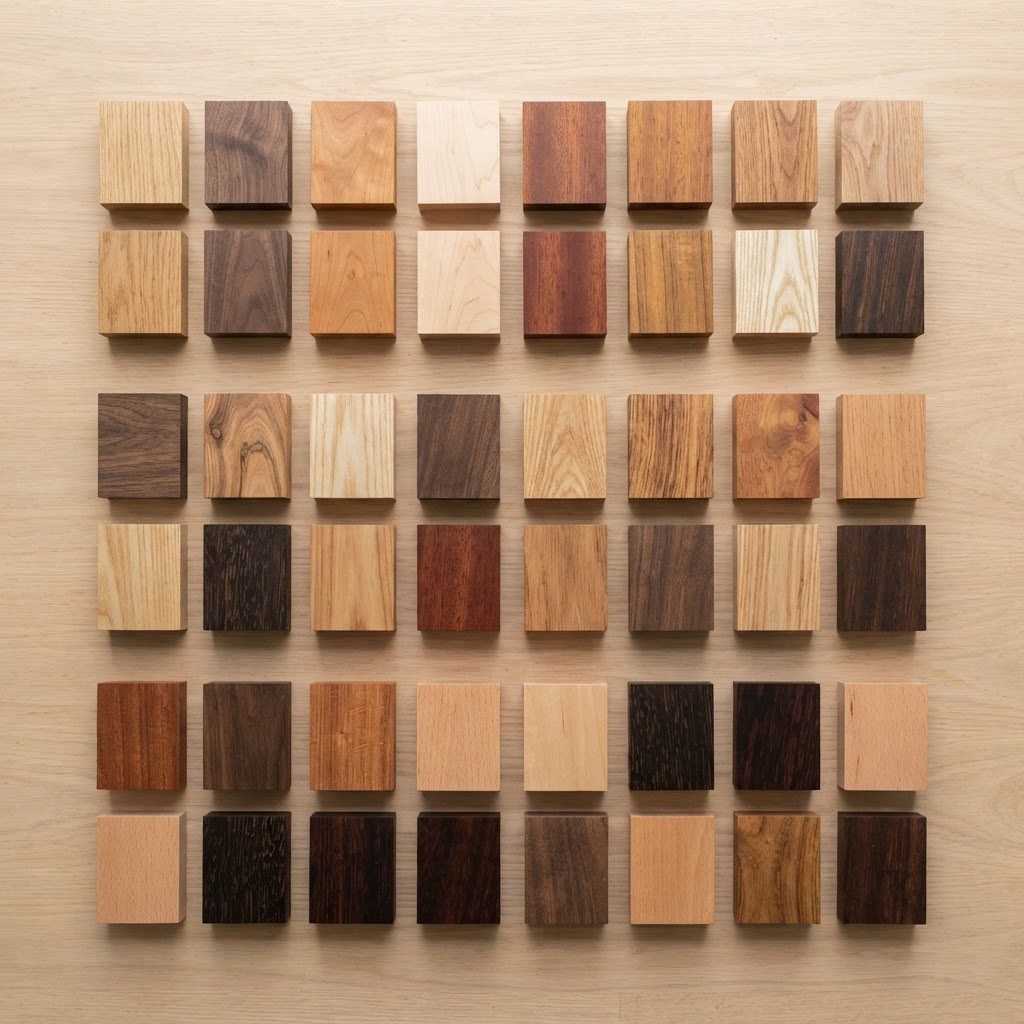
Vinyl plank (LVP): Luxury Vinyl Plank. Made of PVC (plastic) layers. Core types: SPC (stone polymer composite) or WPC (wood polymer composite). 100% waterproof. Realistic wood and stone looks. Click-lock floating installation. Thickness: 4-8mm.
Laminate flooring: Photographic image layer over HDF (high-density fiberboard) core. Melamine wear layer on top. NOT waterproof (HDF core swells when wet). Water-resistant versions available. Click-lock floating installation. Thickness: 7-12mm.
Cost Comparison
Vinyl plank (LVP): Budget: $1-$3/sq ft. Mid-range: $3-$5/sq ft. Premium: $5-$8/sq ft. Installation: $1.50-$4/sq ft (professional). Total installed: $2.50-$12/sq ft.
Laminate: Budget: $0.50-$2/sq ft. Mid-range: $2-$4/sq ft. Premium: $4-$6/sq ft. Installation: $1.50-$3/sq ft (professional). Total installed: $2-$9/sq ft.
Verdict: Laminate is slightly cheaper at entry level. Mid-range pricing overlaps significantly. Both are much cheaper than hardwood ($6-$22/sq ft installed).
Durability and Performance
Water resistance: Vinyl plank: 100% waterproof (core and surface). Can be submerged without damage. Ideal for: bathrooms, kitchens, basements, laundry rooms. Laminate: NOT waterproof. HDF core swells and warps when wet. Water-resistant versions exist but still vulnerable at seams. Not recommended for: bathrooms, basements, laundry rooms.
Scratch resistance: Vinyl: good but can be scratched by sharp objects. Dents from heavy furniture. Laminate: excellent scratch resistance (harder melamine surface). Better for homes with large dogs.
Lifespan: Vinyl plank: 15-25 years. Laminate: 15-25 years. Both: depends on quality (thicker wear layer = longer life).
Feel underfoot: Vinyl: softer, warmer, quieter. SPC is firmer than WPC. Laminate: harder, can feel hollow. Needs quality underlayment for comfort and sound.
Temperature: Vinyl: compatible with radiant floor heating. Laminate: some compatible (check manufacturer specs).
Installation
Both use click-lock floating method: No glue or nails needed. Planks click together and float over subfloor. DIY-friendly installation. Requires underlayment (sometimes built-in).
Vinyl plank advantages: Can be cut with utility knife (no power saw needed). Lighter weight. Easier to work around obstacles. Some have peel-and-stick option.
Laminate advantages: Snaps together very securely. Familiar to DIYers. Wide plank options.
Subfloor requirements: Both need smooth, level subfloor. Vinyl is more forgiving of minor imperfections. Laminate requires flatter surface (imperfections telegraph). Both can go over concrete, plywood, existing flooring.
Best For
Choose vinyl plank (LVP) if: Bathrooms, kitchens, basements, laundry rooms (waterproof). Homes with young children (spill-proof). Concrete subfloors. Rental properties (durable, easy to replace). Want softer, quieter feel. Radiant floor heating.
Choose laminate if: Living rooms, bedrooms, hallways (dry areas). Homes with large dogs (better scratch resistance). Want slightly more authentic wood feel. Budget is tight (entry-level laminate is cheaper). Want wider plank options.
Both are great for: DIY installation. Budget-friendly wood-look flooring. Homes with pets and kids. Rental properties. Floating over most subfloors.
Frequently Asked Questions
Vinyl plank (LVP) is better for wet areas because it's 100% waterproof — laminate's HDF core swells when wet. Vinyl is also softer underfoot and quieter. However, laminate has better scratch resistance (harder surface) and can feel more like real wood. For bathrooms, kitchens, and basements: choose vinyl plank. For bedrooms and living rooms: either works well. Is vinyl plank flooring waterproof?
Yes. Luxury vinyl plank (LVP) with SPC or WPC core is 100% waterproof — the core won't swell, warp, or delaminate even when submerged in water. This makes it ideal for bathrooms, kitchens, basements, and laundry rooms. Laminate flooring is NOT waterproof despite some being marketed as water-resistant; its HDF core will swell if water gets through the seams. How long does vinyl plank flooring last?
Quality vinyl plank flooring lasts 15-25 years depending on the wear layer thickness and traffic. Budget LVP (6-12 mil wear layer) lasts 10-15 years. Mid-range (20 mil) lasts 15-20 years. Premium (20+ mil) lasts 20-25 years. Proper installation, furniture pads, and regular cleaning extend the lifespan. Laminate has a similar 15-25 year lifespan. Can vinyl plank go over existing flooring?
Yes in most cases. Vinyl plank can float over existing tile, vinyl, laminate, hardwood, and concrete as long as the surface is smooth, level, and firmly attached. Don't install over carpet. Make sure the existing floor doesn't have any loose tiles or raised edges. You may need to check that the added height doesn't cause issues with doors and transitions.
Lumberama Editorial Team
Flooring & Interior Design Specialists
Contributor to Lumberama’s reference library. Read our editorial standards and source methodology.
Continue researching flooring
Where readers of this article usually go next.
Related Articles

Comparisons
Countertop Guide: Granite vs Quartz vs Marble and More
Choose the right kitchen or bathroom countertop with this comprehensive comparison.
Lumberama Editorial Team Nov 5, 2026 10 min

Comparisons
Pool Guide: Above Ground vs In-Ground Cost and Types
Learn about costs, types, and which pool is right for your home.
Lumberama Editorial Team Nov 3, 2026 11 min

Comparisons
Retaining Wall Guide: Types, Cost & DIY vs Professional
Build a retaining wall that lasts with this comprehensive guide covering all types and costs.
Lumberama Editorial Team Oct 25, 2026 11 min