Article
Flooring
Vinyl Flooring Guide: Types, Installation & Cost
Lumberama Editorial Team, Vinyl Flooring & Installation Specialists Sep 2, 2026 12 min read
Types of Vinyl Flooring
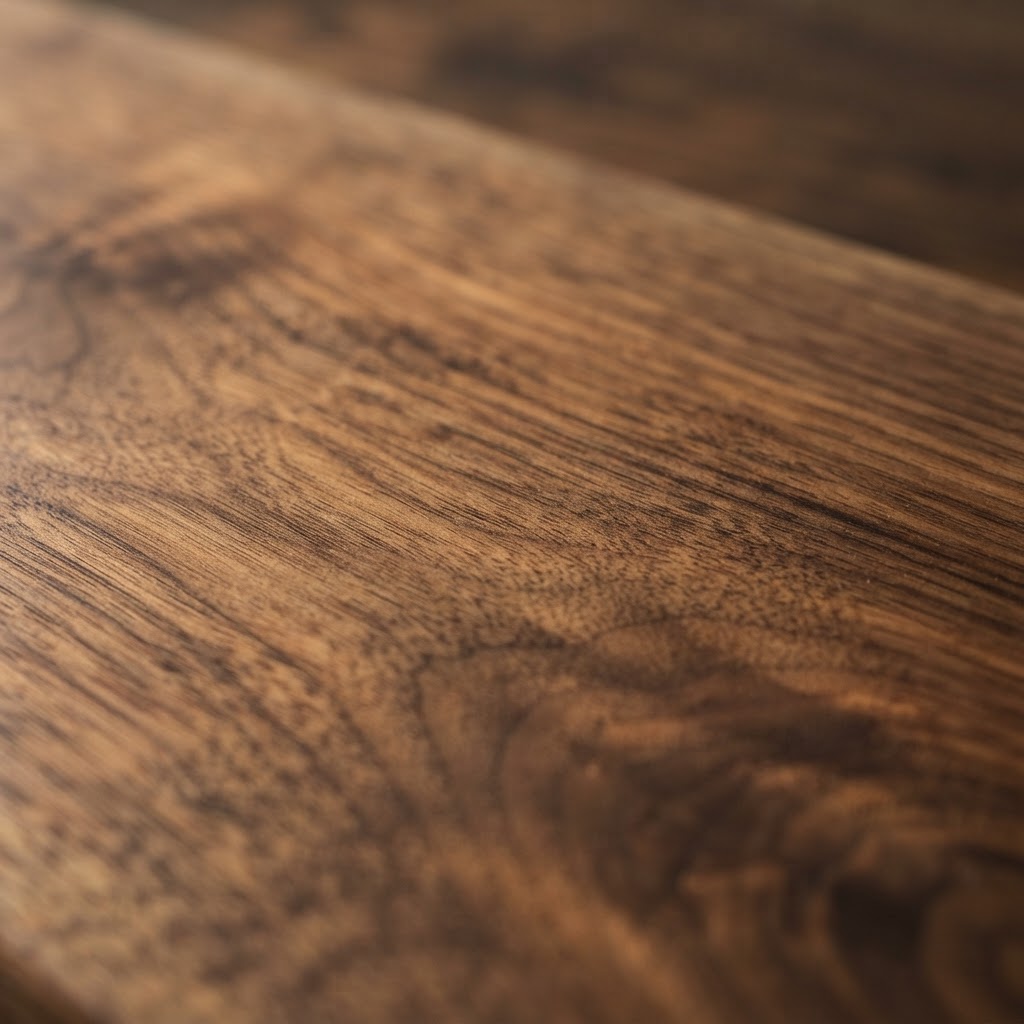
Luxury Vinyl Plank (LVP): The most popular option. Designed to look like hardwood with realistic wood-grain textures and patterns. Click-lock installation (floats over the subfloor). Thickness: 4-8mm. Pros: waterproof, durable, realistic appearance, comfortable underfoot, and easy to install. Cost: $2-$7/sq ft.
Luxury Vinyl Tile (LVT): Same construction as LVP but designed to look like stone or ceramic tile. Click-lock or glue-down installation. Pros: realistic stone appearance without the weight, cost, or cold feel of real stone. Cost: $2-$8/sq ft.
Sheet vinyl: Comes in large rolls (6 or 12 feet wide). Glued or loose-lay installation. Pros: seamless (fewer places for water to penetrate), very affordable, and fully waterproof. Cons: less realistic appearance, harder to install (large sheets are unwieldy), and difficult to repair (must replace the entire section). Cost: $0.50-$3/sq ft.
Peel-and-stick vinyl tile: Self-adhesive tiles. Pros: extremely easy to install, cheapest option, and easy to replace individual tiles. Cons: least durable, adhesive can fail over time, and least realistic appearance. Cost: $0.50-$2/sq ft.
Core Types
LVP and LVT come with different core constructions:
SPC (Stone Plastic Composite): A rigid core made of limestone and PVC. Very dense and rigid. Pros: handles subfloor imperfections better, more dent-resistant, and completely waterproof. Cons: harder underfoot (less comfortable), heavier, and transmits more sound. Best for: commercial spaces, basements, and anywhere you need maximum durability.
WPC (Wood Plastic Composite): A core made of wood powder and PVC. Less dense than SPC. Pros: warmer and softer underfoot, better sound absorption, and built-in underlayment on many products. Cons: slightly less dent-resistant than SPC, and slightly more expensive. Best for: living spaces, bedrooms, and anywhere comfort is a priority.
Installation
Click-lock (floating): The most common method for LVP/LVT. Planks or tiles click together and float over the subfloor. No glue or nails. Pros: easy DIY, fast installation, and can go over most existing floors. Requirements: flat subfloor (within 3/16 inch over 10 feet), underlayment (unless built-in), and expansion gaps at walls (1/4 inch).
Glue-down: Each plank or tile is glued to the subfloor with adhesive. Pros: more stable (no movement), better for large rooms, and thinner profile. Cons: more labor-intensive, harder to remove, and requires very flat subfloor.
Loose-lay: Heavy-backed planks are laid without clicking or gluing. They stay in place by weight and friction. Pros: easiest installation, easy to replace individual planks. Cons: limited product options and may shift in some conditions.
Costs
LVP (material): Budget: $1.50-$3/sq ft. Mid-range: $3-$5/sq ft. Premium: $5-$7/sq ft.
LVT (material): $2-$8/sq ft.
Sheet vinyl: $0.50-$3/sq ft.
Professional installation: $2-$5/sq ft (labor).
Total installed (mid-range LVP): $5-$10/sq ft.
Average room (200 sq ft): $600-$1,400 (DIY material) or $1,000-$2,000 (professionally installed).
Underlayment: $0.15-$0.50/sq ft (if not built-in).
DIY savings: Click-lock LVP is one of the easiest flooring types to install yourself. Save $2-$5/sq ft in labor costs.
Frequently Asked Questions
Material only: budget LVP: $1.50-$3/sq ft. Mid-range: $3-$5/sq ft. Premium: $5-$7/sq ft. Professional installation adds $2-$5/sq ft. Total installed: $4-$10/sq ft. Average room (200 sq ft): DIY: $600-$1,400. Professional: $1,000-$2,000. Compared to hardwood ($8-$15/sq ft installed) and tile ($6-$15/sq ft installed), LVP is significantly more affordable while offering waterproof performance and realistic appearance. Best value: mid-range LVP ($3-$5/sq ft) with SPC or WPC core. This offers excellent durability, realistic looks, and waterproof performance.
Yes. LVP with SPC or WPC core is 100% waterproof. Water will not damage the planks, even if standing water is left on the surface. However: water can seep through the seams (click-lock joints) and get under the flooring if standing water is left for extended periods. This does not damage the vinyl but can cause mold on the subfloor. Best practices: wipe up spills promptly, do not allow standing water, and use waterproof underlayment in moisture-prone areas. LVP is excellent for kitchens, bathrooms, laundry rooms, and basements where moisture resistance is important.
Budget LVP: 10-15 years. Mid-range LVP: 15-20 years. Premium LVP: 20-25+ years. Factors: wear layer thickness (the most important factor — thicker wear layer = longer life): 6-12 mil (budget): light residential. 12-20 mil (mid-range): general residential. 20-28 mil (premium): heavy residential. 28+ mil (commercial): commercial and heavy traffic. Also matters: quality of the UV coating, care and maintenance, and whether furniture pads are used. Compared to hardwood (50-100 years with refinishing), vinyl has a shorter total lifespan, but it cannot be refinished — when the wear layer is worn through, the floor must be replaced.
Yes, in most cases. LVP can be installed over: existing vinyl, tile (if flat and well-adhered), hardwood (if flat), and concrete. Requirements: the existing floor must be flat (within 3/16 inch over 10 feet), clean, and securely attached. Grout lines in tile must not be too deep (can telegraph through thin vinyl). Do not install over: carpet (too soft), floating floors (two floating floors will bounce), or damaged/uneven subfloors. Important: installing over existing flooring raises the floor height (4-8mm). Check that doors clear and transitions to adjacent rooms work.
Lumberama Editorial Team
Vinyl Flooring & Installation Specialists
Contributor to Lumberama’s reference library. Read our editorial standards and source methodology.
Continue researching flooring
Where readers of this article usually go next.
Related Articles

Flooring
Carpet Installation Guide: Types, Cost & What to Know
Choose the right carpet for every room.
Lumberama Editorial Team Nov 29, 2026 7 min

Flooring
Hardwood Floor Refinishing Guide: Cost, Process & Tips
Restore your hardwood floors to like-new condition.
Lumberama Editorial Team Nov 28, 2026 7 min

Flooring
Sunroom Guide: Types, Cost & Design Ideas
Add a bright and beautiful sunroom to your home.
Lumberama Editorial Team Nov 22, 2026 8 min