Sapele Wood: The Affordable Mahogany Alternative You Should Know
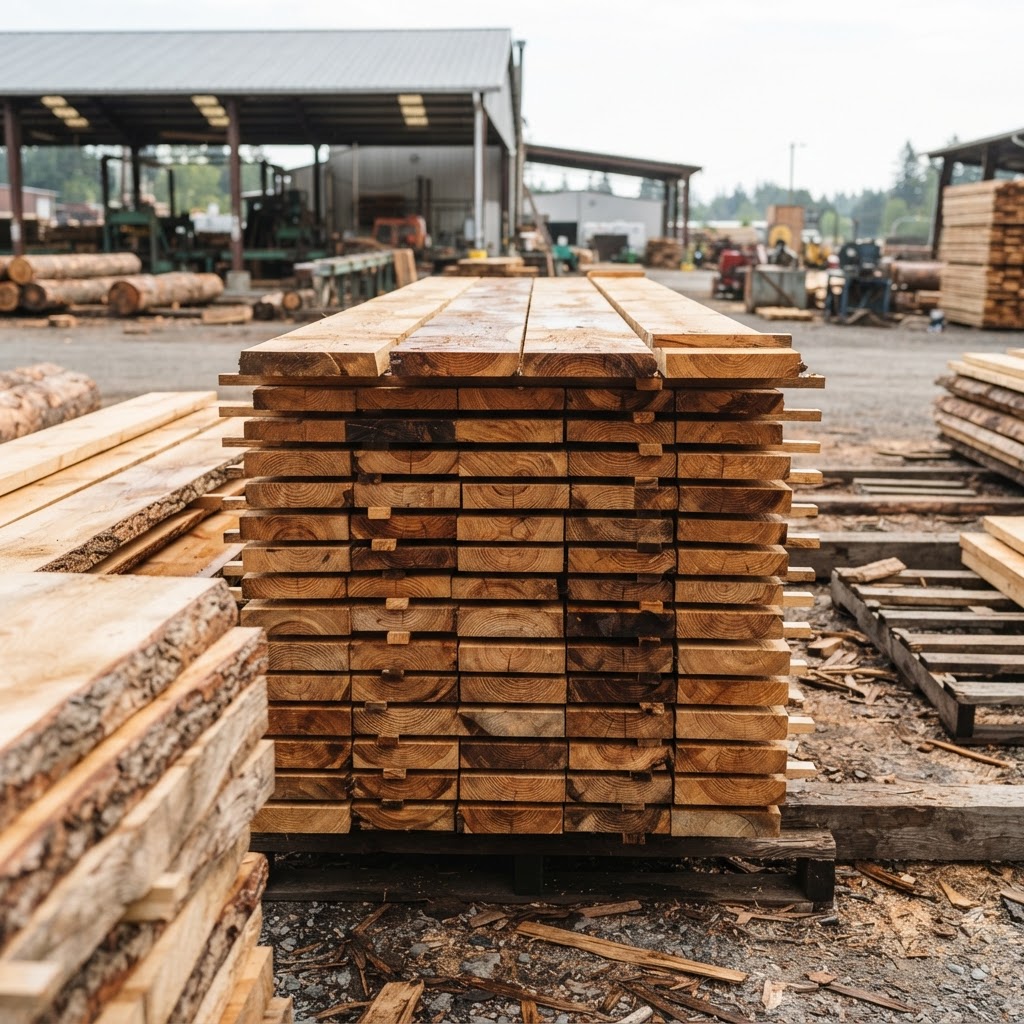
What Is Sapele?
Sapele (Entandrophragma cylindricum) is a large tropical hardwood tree native to West and Central Africa. It's a member of the Meliaceae family — the same family as genuine mahogany, making it a true botanical relative (unlike Philippine mahogany, which is not related). Sapele has been commercially important for over a century, used extensively in European furniture-making, boat building, and architectural millwork.
Properties
Janka hardness: 1,410 lbf. Significantly harder than genuine mahogany (900 lbf) and African mahogany (830-1,070 lbf). Harder than red oak (1,290 lbf). This hardness makes sapele more durable for flooring and high-wear applications.
Weight: 42 lbs/cubic foot. Medium-heavy. Slightly heavier than genuine mahogany (36 lbs) and comparable to red oak.
Color: Golden to dark reddish-brown. Darker than genuine mahogany with a more orange/reddish tone. The color darkens significantly with age and UV exposure, developing a deep, rich patina.
Grain: Strongly interlocked grain that creates sapele's signature feature: ribbon stripe figure. On quartersawn surfaces, the alternating grain direction produces bands of light and dark that shimmer as you change viewing angle. This figure is more pronounced and dramatic than genuine mahogany's ribbon stripe.
Workability: Good but requires attention. The interlocked grain causes tearout when planing against the grain. Sharp tools and light cuts minimize the problem. A card scraper is the best hand tool for smoothing sapele surfaces. Sapele glues, screws, and finishes well. It turns beautifully on the lathe.
Sapele vs Genuine Mahogany
Hardness: Sapele wins (1,410 vs 900 lbf). Sapele is 57% harder.
Stability: Mahogany wins. Genuine mahogany has exceptional dimensional stability. Sapele moves more with humidity changes.
Figure: Sapele wins for ribbon stripe. Sapele's interlocked grain produces more dramatic and consistent ribbon stripe than genuine mahogany.
Workability: Mahogany wins. Genuine mahogany is one of the easiest hardwoods to work with hand tools. Sapele's interlocked grain makes it trickier.
Color: Different tones. Mahogany is pinker/redder; sapele is more orange/brown. Both darken beautifully with age. Both are stunning under a clear finish.
Price: Sapele wins ($5-$9/BF vs $10-$18/BF for genuine mahogany). Sapele costs roughly half the price.
Common Uses
Furniture: Tables, chairs, cabinets, and desks. Sapele's hardness and beauty make it an excellent furniture wood. The ribbon stripe figure is particularly striking on tabletops and door panels.
Doors: One of the most popular species for exterior doors. Sapele's hardness, stability (relative to other tropical species), and rich color make it ideal. Many high-end entry door manufacturers use sapele as their standard species.
Musical instruments: Guitar backs and sides, ukulele bodies, and bass guitar necks. The tonal properties are similar to genuine mahogany but with slightly brighter overtones due to the higher density. Martin and other guitar makers use sapele extensively.
Boat building: Planking, transom boards, and interior trim. Sapele's rot resistance and appearance make it a favorite in marine applications. Many European boats use sapele where Americans might use genuine mahogany.
Flooring: Sapele's hardness (harder than oak) makes it an excellent flooring material. The ribbon stripe creates visual interest underfoot. Available as solid and engineered flooring.
Pricing and Availability
4/4 sapele (rough sawn): $5-$9/BF depending on grade and figure quality. Highly figured (pronounced ribbon stripe) boards command premium pricing.
Availability: Good. Sapele is not CITES-listed and is commercially harvested in managed African forests. Available from most hardwood lumber dealers. FSC-certified sapele is available from responsible suppliers.
Sustainability: Sapele is classified as "Vulnerable" on the IUCN Red List due to overharvesting in some regions. Buying FSC-certified sapele supports sustainable forest management and is the responsible choice.
--- **Certification disclaimer:** FSC certification applies only to products and supply chains specifically certified under the applicable FSC program. References to FSC-certified products on Lumberama do not mean that Lumberama itself is FSC certified, or that all products, suppliers, or materials listed on Lumberama are FSC certified. Verify certification and availability for the specific product and supplier before purchase.Frequently Asked Questions
Lumberama Editorial Team
African Hardwood & Fine Furniture Wood Specialists
Contributor to Lumberama’s reference library. Read our editorial standards and source methodology.
Explore related resources
Where readers of this article usually go next.
Related Articles

Acacia Wood Guide: Properties, Uses, Durability & Care Tips
Complete guide to acacia wood — covering its properties, hardness, durability, common uses in furniture and flooring, sustainability, maintenance tips, and how it compares to teak and other hardwoods.
Walnut Wood: Properties, Uses, Grades & Buying Guide
Black walnut is America's most prized furniture wood. Its rich chocolate-brown color, straight grain, and exceptional workability have made it the choice of fine furniture makers for centuries. Here's everything you need to know.

Poplar Wood: The Underrated Hardwood for Paint-Grade Projects
Poplar is America's cheapest true hardwood and one of the easiest to work. It's the go-to choice for paint-grade furniture, trim, and cabinetry. Here's why serious woodworkers keep poplar in their shops.