White Oak Wood Guide 2026
Quercus alba
By Lumberama · Purchasing guidance updated November 1, 2026; catalog properties and prices not reverified · Source-based editorial guidance; no individual expert review claimed. Editorial standards
White oak is a ring-porous hardwood used for flooring, furniture, cabinetry, millwork and selected cooperage applications. American white oak (Quercus alba) is part of a commercial species group; specify grain orientation, grade, moisture and finished dimensions. Heartwood durability does not make every board waterproof or suitable for ground contact.
Catalog Price Reference
Unverified catalog note: Bourbon barrel and flooring demand keeps prices elevated. Quartersawn $9-15/BF. 12/4 stock very expensive.
Unverified catalog reference, not a current offer. Supplier price source, quotation date and exact grade/milling basis are not recorded in these pricing fields. A page update is not price verification; freight and tax remain unknown until quoted. Enter a dated quote and build a specification.
Wood Appearance
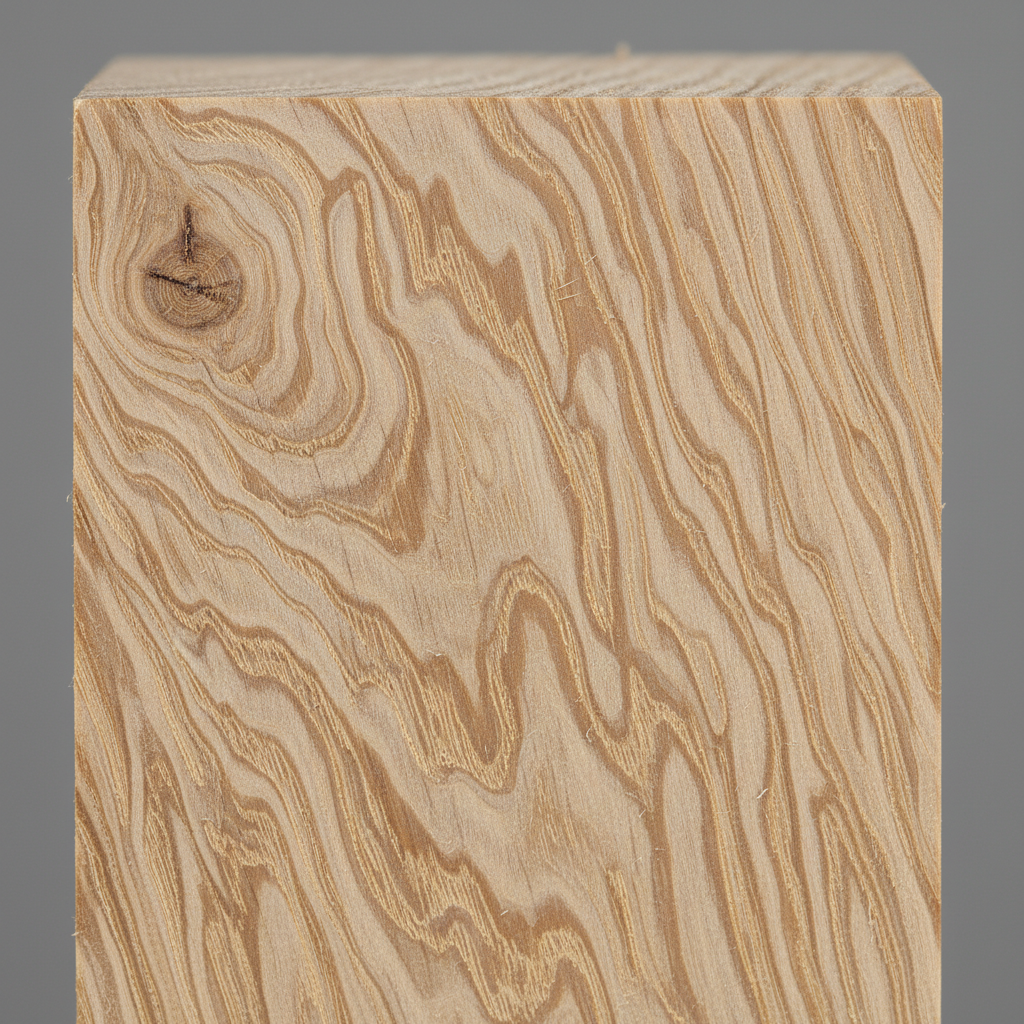
Natural Grain
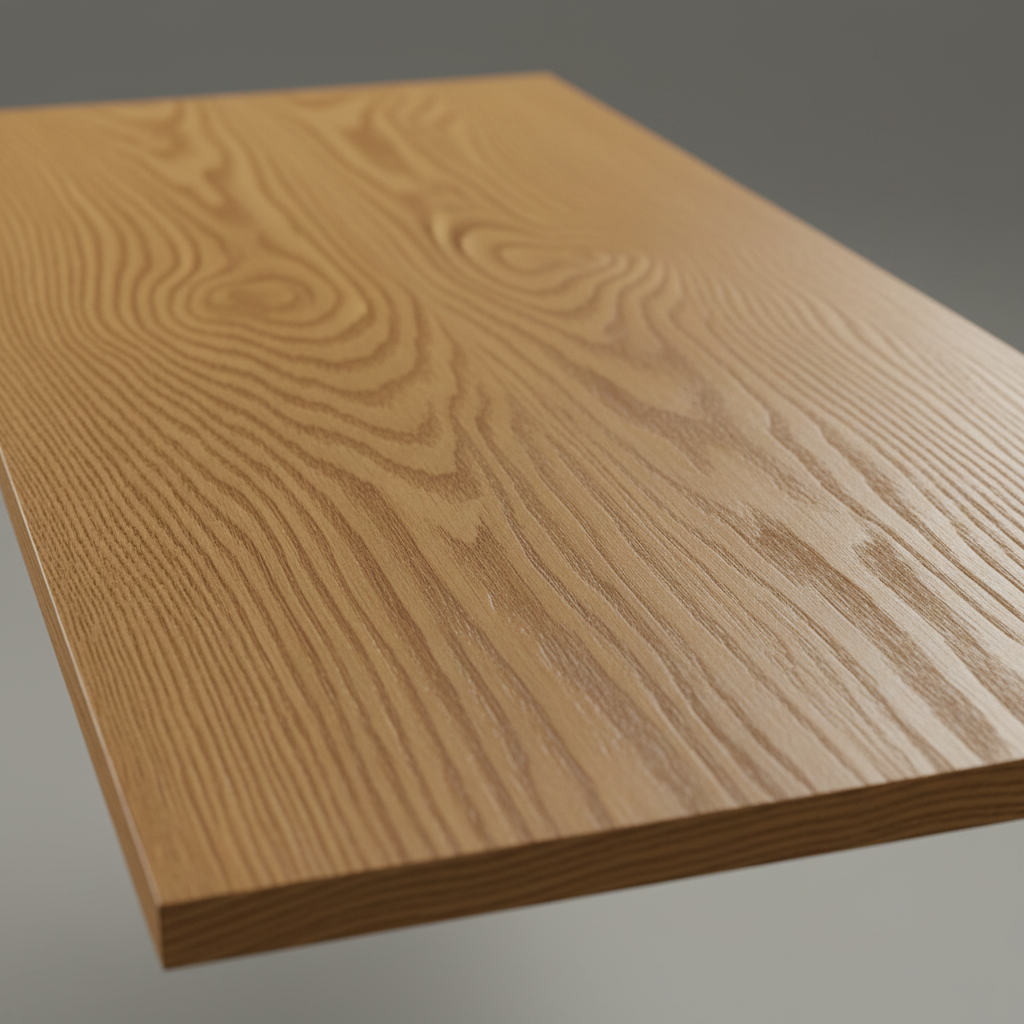
Finished Surface
Key Takeaways
- Density: 47 lbs/ft³
- Classification: Hardwood
- Origin: United States
- Catalog price ranges are unverified references, not available offers
- Common uses include Flooring, Furniture, Barrels
Quick Facts
Representative reference values — natural wood varies by growing region, moisture content and individual board.
Durability, Stability & Workability
Texture: Medium to coarse
Workability: Use sharp tooling and trial cuts around figured or reversing grain. Pre-drill near ends and edges to limit splitting. Tannins can react with iron in wet conditions and cause dark staining; select fasteners compatible with the assembly and exposure.
Fastening: Pre-drilling recommended for screws and nails.
Finishing: Test sanding, stain and topcoat on offcuts from the actual batch. Open pores, grain orientation and color variation affect the result; specify pore filling and color matching separately.
Color change: Light brown darkens slightly with age.
Insect resistance: Moderate
Ratings and published values are representative reference figures. Natural wood varies with growing region, moisture content and individual boards — treat them as guidance, not guarantees.
Common Sizes & Availability
Typical market availability for White Oak. Lumberama is a sourcing marketplace — actual stock, widths and lengths vary by supplier. Request a quote to confirm what's available for your project.
| Thickness | Rough | Typical surfaced | Typical widths | Common lengths | |
|---|---|---|---|---|---|
| 4/4 | 1" | 13/16" (3/4" common) | Random widths, typically 4–12 in. | Random lengths, typically 6–16 ft | Request this size |
| 5/4 | 1-1/4" | 1-1/16" | Random widths, typically 4–12 in. | Random lengths, typically 6–16 ft | Request this size |
| 6/4 | 1-1/2" | 1-5/16" | Random widths, typically 4–12 in. | Random lengths, typically 6–16 ft | Request this size |
| 8/4 | 2" | 1-3/4" | Random widths, typically 4–12 in. | Random lengths, typically 6–16 ft | Request this size |
| 10/4 | 2-1/2" | 2-1/4" | Random widths, typically 4–12 in. | Random lengths, typically 6–16 ft | Request this size |
| 12/4 | 3" | 2-3/4" | Random widths, typically 4–12 in. | Random lengths, typically 6–16 ft | Request this size |
- 4/4rough 1"
- Surfaced
- 13/16" (3/4" common)
- Widths
- Random widths, typically 4–12 in.
- Lengths
- Random lengths, typically 6–16 ft
- 5/4rough 1-1/4"
- Surfaced
- 1-1/16"
- Widths
- Random widths, typically 4–12 in.
- Lengths
- Random lengths, typically 6–16 ft
- 6/4rough 1-1/2"
- Surfaced
- 1-5/16"
- Widths
- Random widths, typically 4–12 in.
- Lengths
- Random lengths, typically 6–16 ft
- 8/4rough 2"
- Surfaced
- 1-3/4"
- Widths
- Random widths, typically 4–12 in.
- Lengths
- Random lengths, typically 6–16 ft
- 10/4rough 2-1/2"
- Surfaced
- 2-1/4"
- Widths
- Random widths, typically 4–12 in.
- Lengths
- Random lengths, typically 6–16 ft
- 12/4rough 3"
- Surfaced
- 2-3/4"
- Widths
- Random widths, typically 4–12 in.
- Lengths
- Random lengths, typically 6–16 ft
Availability notes: Widely stocked domestic hardwood; rift and quartersawn at a premium.
How lumber sizes are described
- Rough (4/4, 8/4…)
- Hardwood thickness in quarters of an inch as sawn, before surfacing. 4/4 = 1" rough.
- Surfaced (S2S/S4S)
- Thickness after planing. 4/4 typically finishes at 13/16" or 3/4".
- Nominal vs. actual
- Construction lumber is sold by nominal size; a 2x6 measures about 1-1/2" x 5-1/2".
- Random width / length
- Most hardwood is sold as it comes from the log — widths and lengths vary within a range rather than being fixed.
Color & Grain
Color: Light to medium brown
Grain: Straight; coarse texture with prominent ray fleck on quartersawn
Common Uses
- Flooring
- Furniture
- Barrels
- Millwork
Key Characteristics
Also known as: American White Oak
Availability: Supplier confirmation required; this reference is not live inventory.
Advantages
- Janka indentation hardness: 1,360 lbf
- Heartwood decay rating: Durable
- Sourced from United States
Considerations
- Pre-drilling recommended for fasteners
- Hardness does not establish decay resistance or structural design strength
- Compare dated quotes on the same grade, dimensions and milling basis
Buying 4/4 white oak: what the price must include
Compare 4/4 offers only after specifying grade, sawing pattern, billed thickness, minimum usable widths and lengths, and rough versus surfaced delivery. Four-quarter is a nominal one-inch thickness category, not a finished-thickness guarantee. Ask for the price unit, quote date, milling charge, freight and tax separately. A catalog-wide white oak range is not a current quote for your particular 4/4 specification.
FAS, No. 1 Common and appearance selection
NHLA grades describe qualifying cuttings under the applicable rules, not a promise of uniform color or complete recovery of your parts. Long clear components can favor higher grades; shorter components may fit a lower grade after checking a representative cut list. Specify permitted sapwood, grain orientation and color matching independently of the grade. Include planing, flattening and trimming in your recovery estimate instead of applying a grade percentage as finished-volume yield.
Specify the white oak you need
Quercus alba is American white oak, but commercial white oak lumber can include other species in the white oak group. The trade name alone does not guarantee one botanical species, uniform color or suitability for a liquid-tight vessel. For restoration, cooperage or other identity-sensitive work, request species confirmation and the supplier’s selection criteria. Keep white oak separate from red oak in a specification: the two groups differ in anatomy and typical service behavior.
Choose plain, rift or quartersawn stock
Plain-sawn faces commonly show cathedral grain. Quartersawn faces emphasize the rays that create white oak’s characteristic fleck; rift-oriented faces are selected for a straighter grain appearance with less prominent fleck. These are cutting and appearance descriptions, not strength grades. Agree on acceptable grain, color variation, sapwood and matching before buying. Wider clear boards and tightly selected rift or quartersawn material may have very different yields and costs from random-width stock.
Moisture and movement matter more than a waiting period
White oak moves across the grain as its moisture content changes. Measure the boards and the installation environment rather than relying on a fixed number of acclimation days. Match the target moisture condition to expected service conditions and the flooring, adhesive or finish manufacturer’s requirements. Allow solid tabletops and wide panels to move with appropriate joinery; do not rigidly restrain their width. Quartersawn stock can reduce widthwise movement relative to flatsawn stock, but it does not eliminate it.
Heartwood durability is not waterproofing
Tyloses block many vessels in white oak heartwood and help explain its use in cooperage. That does not make every white oak board watertight. Sapwood does not share the heartwood’s natural decay resistance, and checks, joints, end grain and prolonged moisture can undermine exterior performance. Design exterior work to drain and dry, keep it out of soil contact unless the application is specifically approved, and do not assume a clear finish supplies structural or biological protection.
Machine, fasten and finish deliberately
Use sharp tools and trial cuts where grain changes direction; plan for tear-out around figured areas. Pre-drill near ends and edges to reduce splitting. Iron in contact with wet, tannin-rich oak can cause dark staining, so select fasteners and connectors appropriate to the exposure and assembly. Test the entire sanding, stain and topcoat schedule on offcuts from the actual batch. Pore filling, color matching and sheen are separate choices; a sample prevents expensive surprises across a large floor or cabinet run.
Compare usable yield, not just the board-foot price
Ask whether quoted dimensions are rough or surfaced and what finished thickness the supplier guarantees. A rough 4/4 designation is not a promise of a finished one-inch board. Specify minimum usable widths and lengths, permitted defects, grade, moisture condition, grain selection and surfacing. Compare delivered cost against the clear parts your project needs, including milling loss and defect removal. Reference price ranges on this page are not inventory or an offer to sell.
Purchasing guidance checked against AHEC white oak guidance and the NHLA rules overview on November 1, 2026. These support specification context, not the catalog dollar figures. Compare usable cost and rough versus S4S.
Source and planning tools
Species anatomy and durability context: USDA Forest Products Laboratory, Wood Handbook, FPL-GTR-190 (2010), chapters on commercially important woods, moisture and biodeterioration. Representative values are not structural design values.
Frequently Asked Questions
Alternatives to Consider
Species commonly specified for similar applications when White Oak is unavailable or over budget.
Related Species
Compare This Wood
Teak vs White Oak
Teak is the premium marine wood for above-deck applications where its natural oils, non-slip surface, and minimal maintenance justify the cost. White Oak is the practical choice for structural boat building, offering excellent marine durability at a much lower price. Most well-built boats use both — Oak for structure, Teak for trim and decking.
View comparisonDouglas Fir vs White Oak
Douglas Fir is the practical choice for most timber frame projects — it offers excellent strength at a reasonable cost and is much easier to work. White Oak is the premium option for frames designed to last centuries, particularly in exposed or high-moisture environments where its natural decay resistance is a major advantage.
View comparisonWhite Oak vs White Pine
White Oak is the clear choice for structural beams and any application requiring real strength and longevity. White Pine is ideal for decorative beams where visual effect matters more than load-bearing capability. The right choice depends entirely on whether your beams are working or decorative.
View comparisonMaple vs White Oak
Maple is the top choice for painted cabinetry. White oak is the leading choice for natural-finish cabinets. Both are excellent woods that will last the life of your kitchen.
View comparison