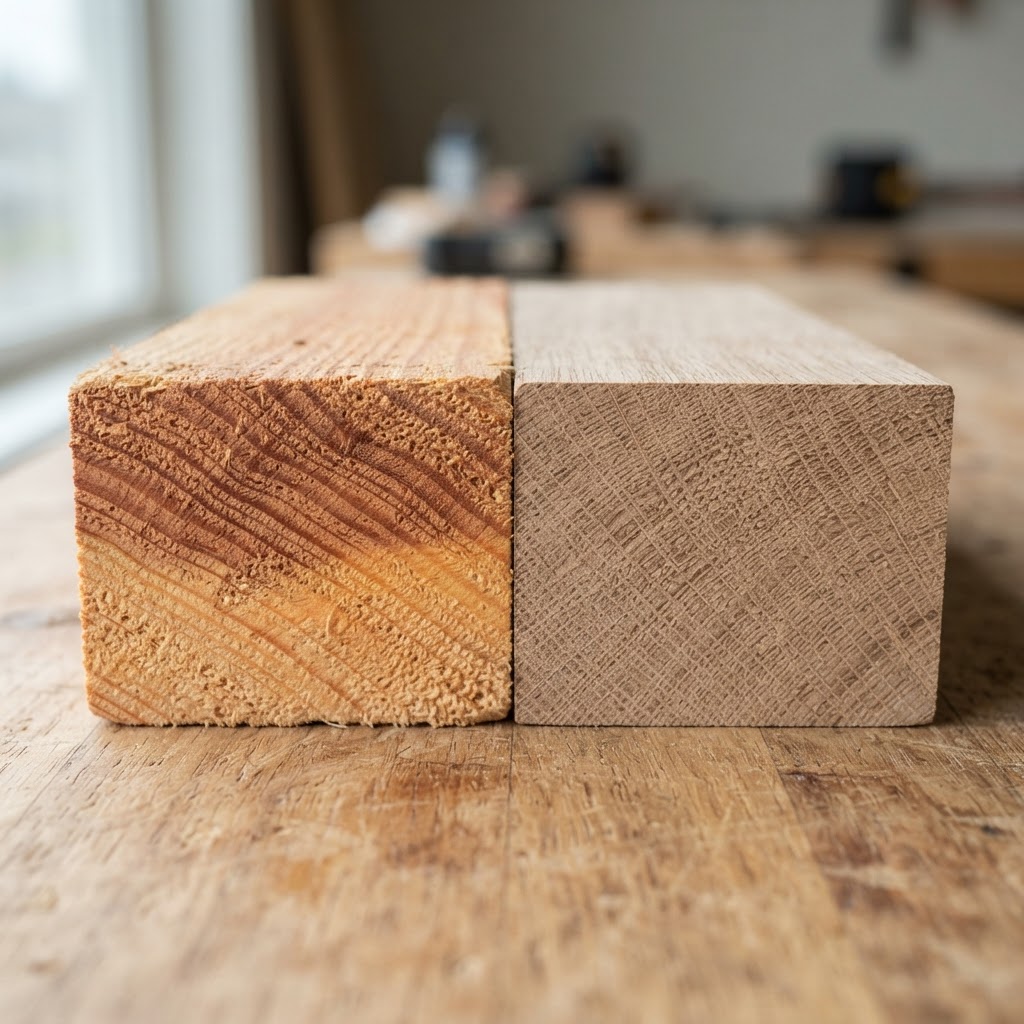
Douglas Fir vs Oak for Timber Framing: 2026 Complete Comparison (2026)
Timber framing demands wood that is strong, workable, and available in large dimensions. Douglas Fir and White Oak represent two distinct traditions — Fir dominates the western United States with its excellent strength-to-weight ratio, while Oak is the historic European and eastern American standard known for incredible durability. This guide compares both for modern timber frame construction.
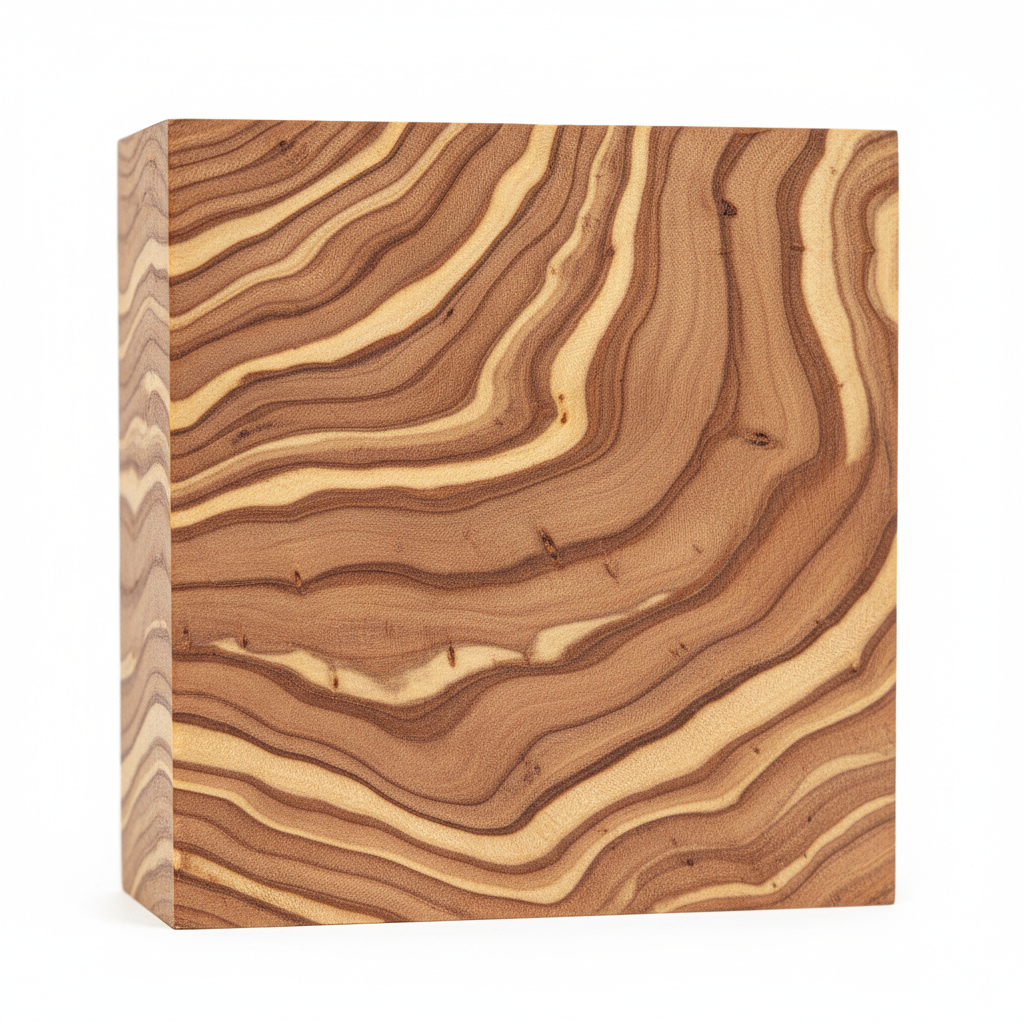
Douglas Fir
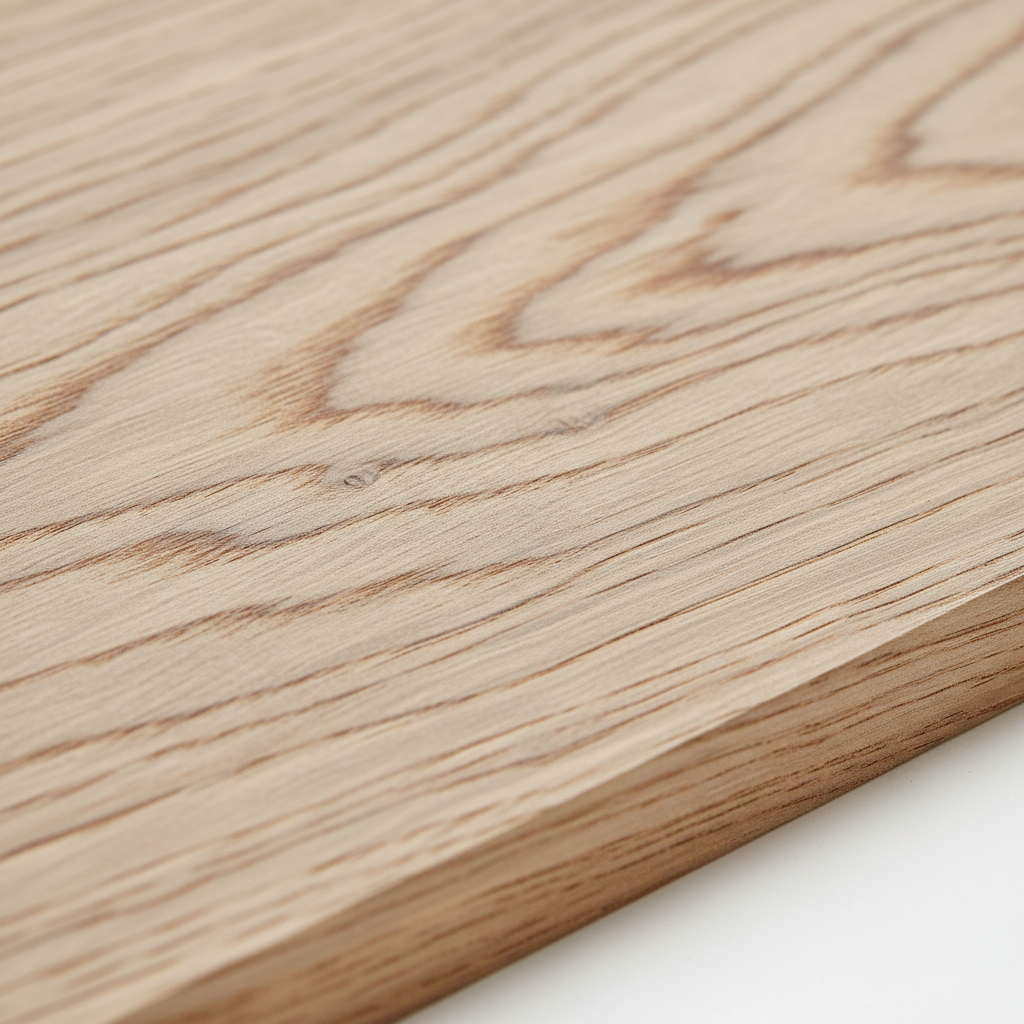
White Oak
Key Takeaways
- Timber framing demands wood that is strong, workable, and available in large dimensions.
- Douglas Fir and White Oak represent two distinct traditions — Fir dominates the western United States with its excellent strength-to-weight ratio, while Oak is the historic European and eastern American standard known for incredible durability.
- This guide compares both for modern timber frame construction.
- Douglas Fir is the practical choice for most timber frame projects — it offers excellent strength at a reasonable cost and is much easier to work.
- White Oak is the premium option for frames designed to last centuries, particularly in exposed or high-moisture environments where its natural decay resistance is a major advantage.
| Property | Douglas Fir | White Oak |
|---|---|---|
| Bending Strength (MOR) | 12,400 psi | 15,200 psi |
| Weight (Lb/Ft³) | 34 lbs | 47 lbs |
| Decay Resistance | Moderate | Excellent |
| Workability | Good — cuts cleanly | Difficult — very hard on tools |
| Avg Cost (8x8 Timber/Ft) | $8–14 | $18–30 |
| Availability (Large Timbers) | Excellent in western US | Moderate — longer lead times |
Douglas Fir
Pros
- Excellent strength-to-weight ratio. More affordable than Oak in large dimensions. Easier to cut and work with hand tools. Readily available in long lengths out west.
Cons
- Less decay resistant than Oak. Softer — more prone to compression damage at joints. Not as visually dramatic as Oak. Requires treatment for ground contact.
White Oak
Pros
- Exceptional natural decay resistance — lasts centuries. Stronger and harder than Fir. Beautiful grain and character. Historic proven longevity in timber frames.
Cons
- Significantly heavier — harder to handle and raise. Very hard on chisels and saws. Much more expensive per linear foot. Can develop severe checking as it dries.
Best Use Cases
Choose Douglas Fir for most residential timber frames where cost, availability, and workability are priorities — especially in the western United States. Choose White Oak for frames where natural decay resistance, maximum longevity, and traditional character justify the higher cost and more demanding workability.
Verdict
Douglas Fir is the practical choice for most timber frame projects — it offers excellent strength at a reasonable cost and is much easier to work. White Oak is the premium option for frames designed to last centuries, particularly in exposed or high-moisture environments where its natural decay resistance is a major advantage.