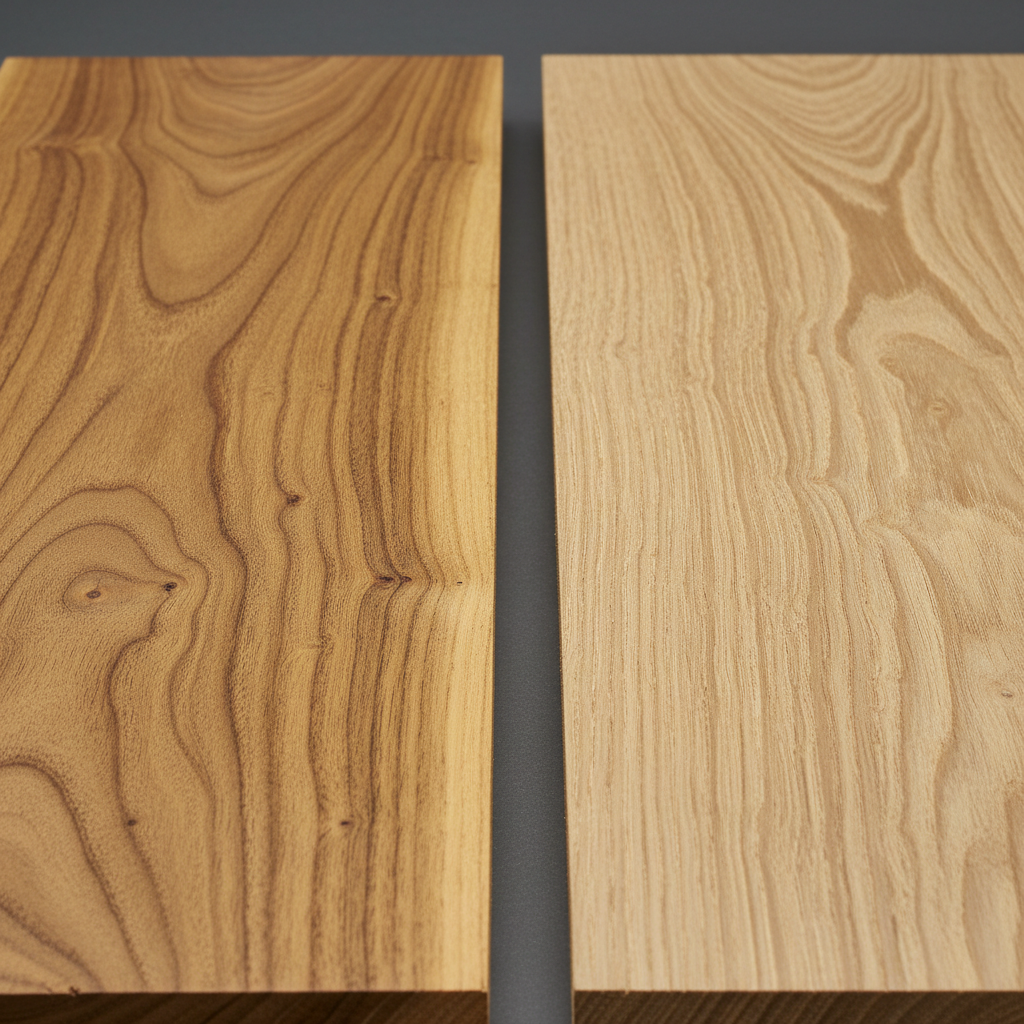
Teak vs White Oak for Boat Building: 2026 Complete Comparison (2026)
Boat building demands wood that can survive constant exposure to saltwater, UV, and weather. Teak and White Oak are the two most proven marine woods, each with centuries of tradition on the water. Teak is the gold standard for tropical boat building, while White Oak built the great ships of the Atlantic. This comparison covers durability, workability, and cost for marine applications.
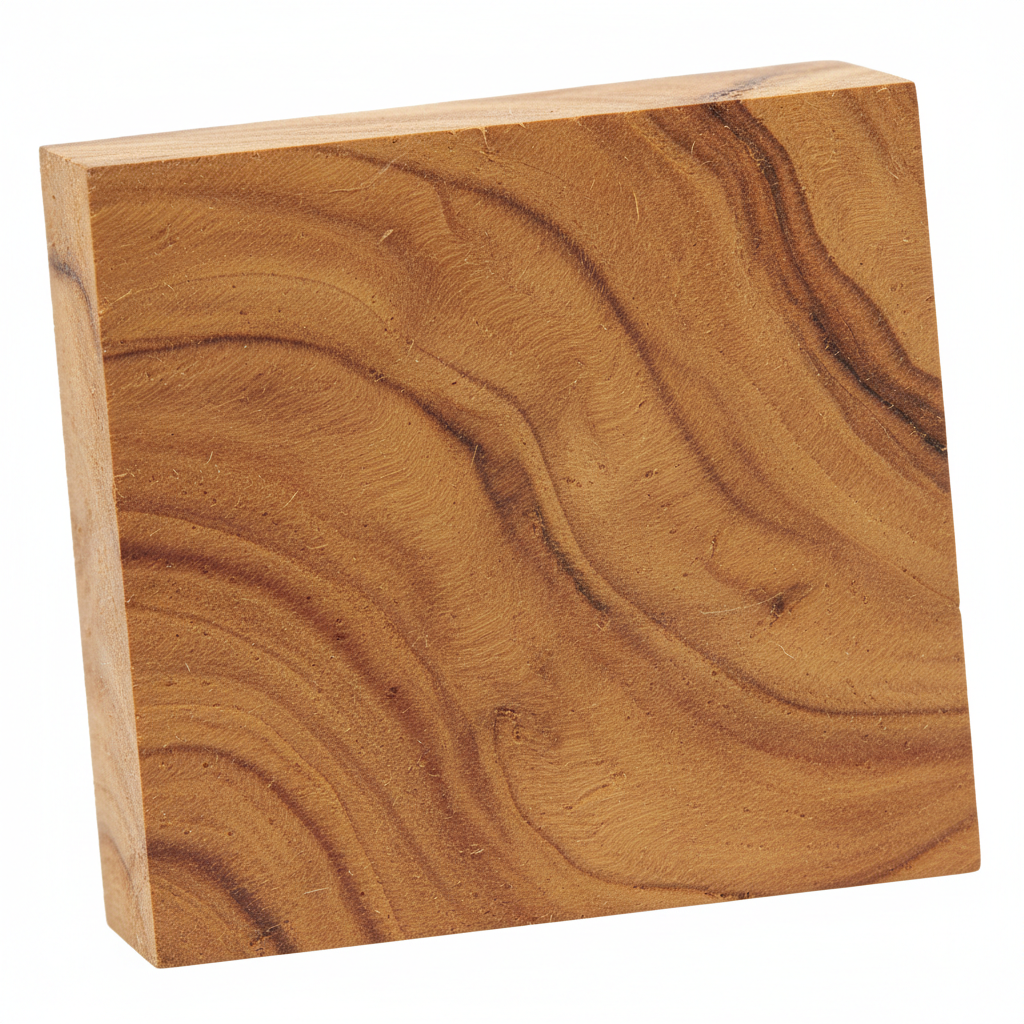
Teak
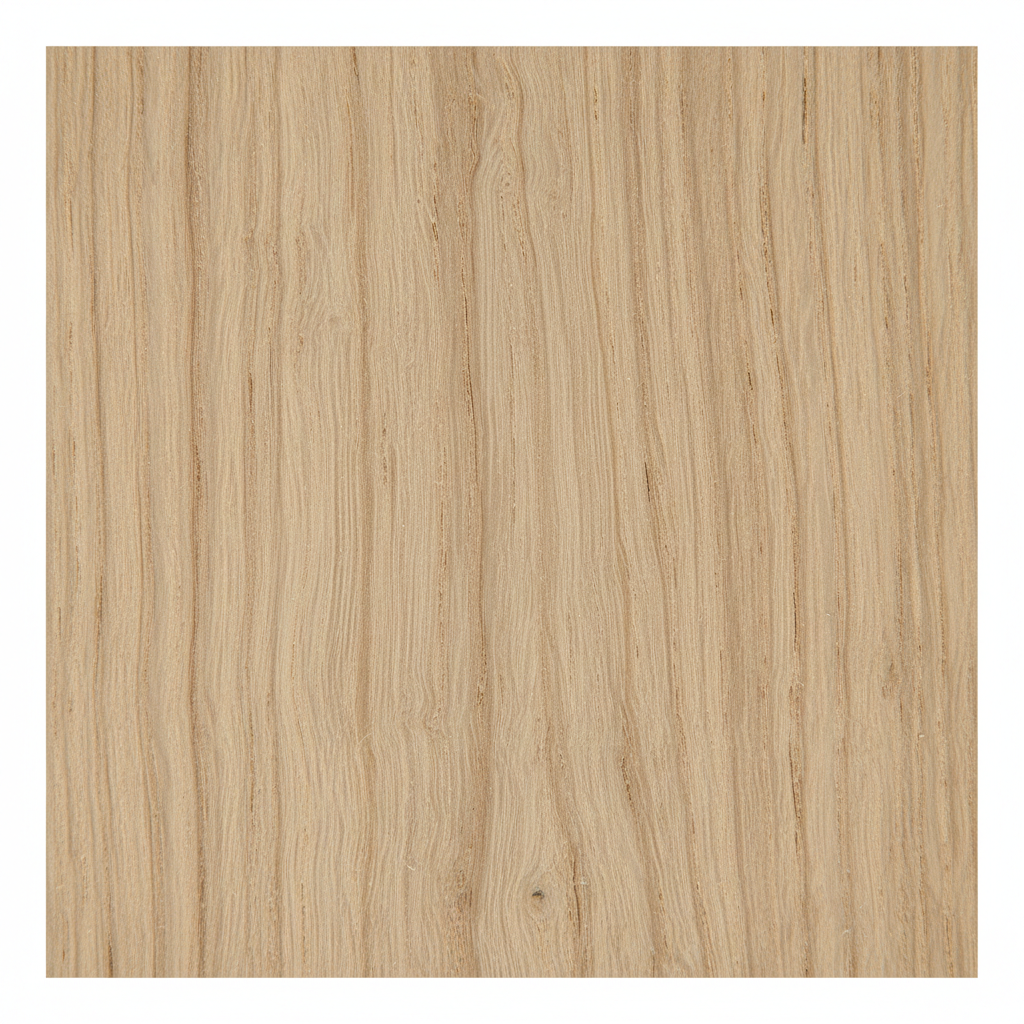
White Oak
Key Takeaways
- Boat building demands wood that can survive constant exposure to saltwater, UV, and weather.
- Teak and White Oak are the two most proven marine woods, each with centuries of tradition on the water.
- Teak is the gold standard for tropical boat building, while White Oak built the great ships of the Atlantic.
- Teak is the premium marine wood for above-deck applications where its natural oils, non-slip surface, and minimal maintenance justify the cost.
- White Oak is the practical choice for structural boat building, offering excellent marine durability at a much lower price.
| Property | Teak | White Oak |
|---|---|---|
| Decay Resistance | Exceptional — best available | Excellent |
| Natural Oil Content | Very high — self-lubricating | Moderate |
| Weight (Lb/Ft³) | 41 lbs | 47 lbs |
| Hardness (Janka) | 1070 lbf | 1360 lbf |
| Avg Cost (BF) | $25–50 | $6–12 |
| Saltwater Resistance | Outstanding | Very good |
Teak
Pros
- Unmatched decay and weather resistance in marine environments. High natural oil content makes it self-preserving. Does not require finish to survive outdoors. Non-slip surface when wet — ideal for decking.
Cons
- Extremely expensive — 4-5x the cost of White Oak. Sustainability concerns — demand FSC certification. Natural oils can interfere with glue adhesion. Increasingly difficult to source in large dimensions.
White Oak
Pros
- Excellent decay resistance at a fraction of Teak's cost. Very strong and hard — resists impact. Proven in centuries of shipbuilding. Readily available in large timbers.
Cons
- Heavier than Teak. Requires finish or treatment for maximum marine life. Less naturally oily — needs more maintenance in saltwater. Can cause galvanic corrosion with certain fasteners.
Best Use Cases
Choose Teak for deck surfaces, trim, cap rails, and any above-waterline application where weather exposure is constant and you want a low-maintenance, premium result. Choose White Oak for structural planking, frames, keels, and any application where strength and value matter more than surface beauty.
Verdict
Teak is the premium marine wood for above-deck applications where its natural oils, non-slip surface, and minimal maintenance justify the cost. White Oak is the practical choice for structural boat building, offering excellent marine durability at a much lower price. Most well-built boats use both — Oak for structure, Teak for trim and decking.