Thermally Modified Wood Guide 2026
Various spp.
Typically described as heat-treated wood for enhanced stability
Catalog Price Reference
Unverified catalog note: Heat-treated wood. Enhanced durability and stability. Species varies.
Unverified catalog reference, not a current offer. Supplier price source, quotation date and exact grade/milling basis are not recorded in these pricing fields. A page update is not price verification; freight and tax remain unknown until quoted. Enter a dated quote and build a specification.
Wood Appearance
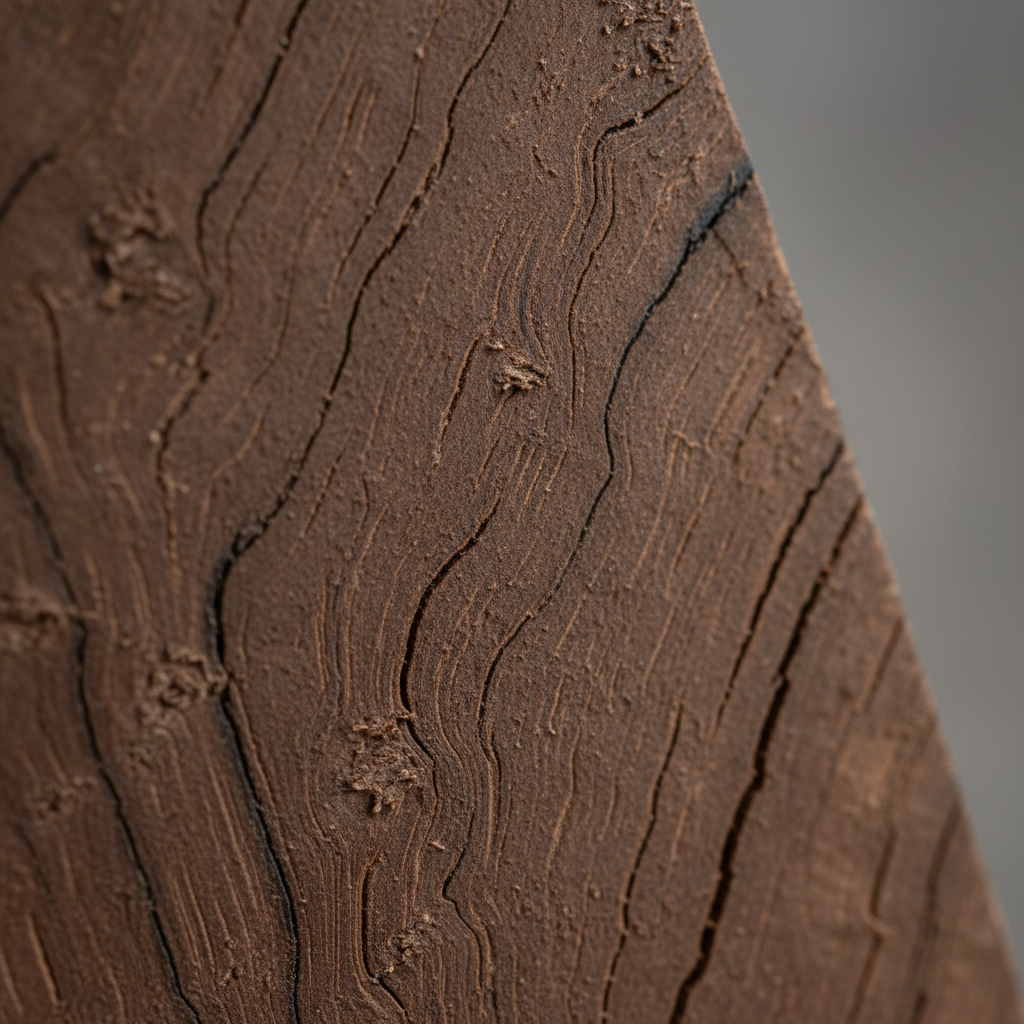
Natural Grain
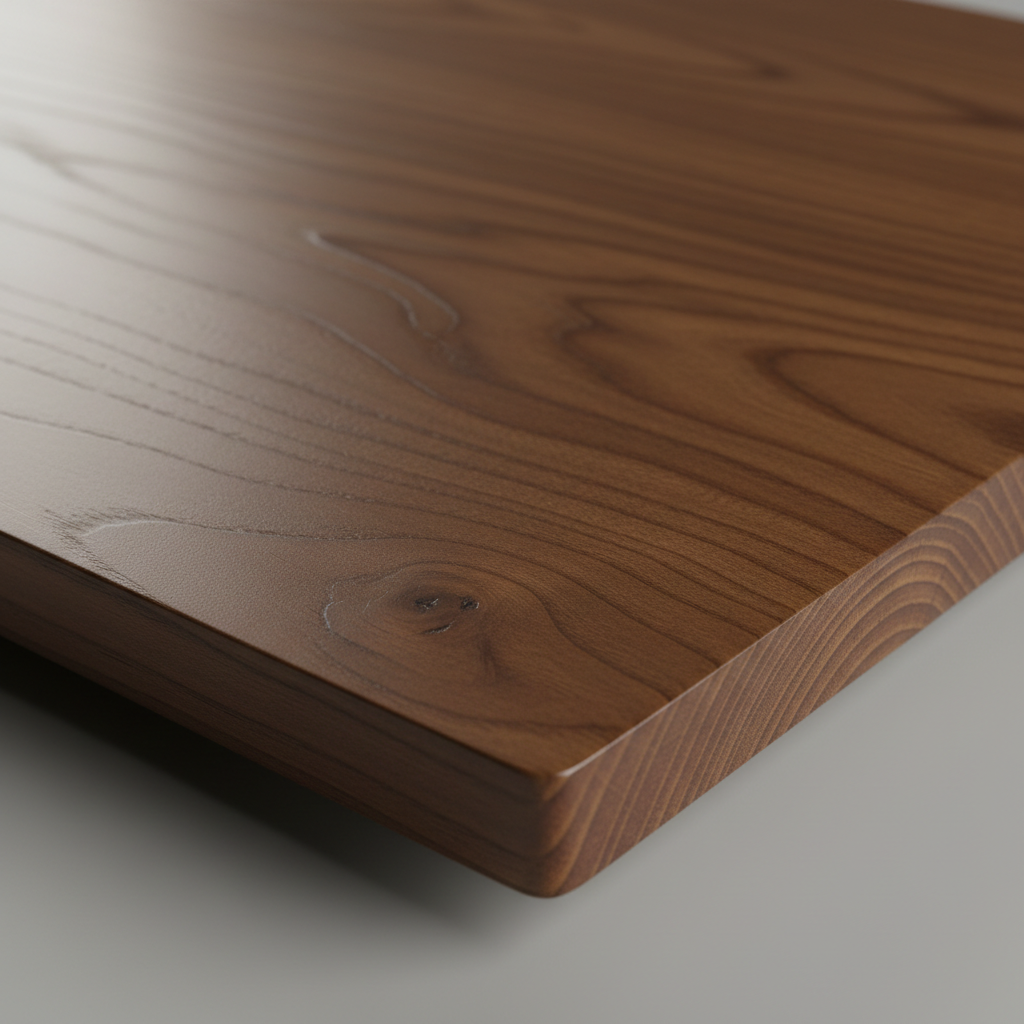
Finished Surface
Key Takeaways
- Density: 28 lbs/ft³
- Classification: Hardwood
- Origin: United States;Finland
- Catalog price ranges are unverified references, not available offers
- Common uses include Exterior siding, Decking, Cladding
Quick Facts
Representative reference values — natural wood varies by growing region, moisture content and individual board.
Durability, Stability & Workability
Texture: Generally reflects the base wood species characteristics.
Workability: Very stable but becomes brittle and prone to splitting.
Fastening: Pre-drilling recommended for screws and nails.
Finishing: Readily accepts exterior stains and UV-protective coatings.
Color change: Becomes significantly darker during the thermal modification process.
Insect resistance: High resistance due to removal of hemicellulose.
Ratings and published values are representative reference figures. Natural wood varies with growing region, moisture content and individual boards — treat them as guidance, not guarantees.
Common Sizes & Availability
Typical market availability for Thermally Modified. Lumberama is a sourcing marketplace — actual stock, widths and lengths vary by supplier. Request a quote to confirm what's available for your project.
| Thickness | Rough | Typical surfaced | Typical widths | Common lengths | |
|---|---|---|---|---|---|
| 4/4 | 1" | 13/16" (3/4" common) | Random widths 4 inches to 8 inches common. | Random lengths 8 feet to 16 feet common. | Request this size |
| 6/4 | 1-1/2" | 1-5/16" | Random widths 4 inches to 8 inches common. | Random lengths 8 feet to 16 feet common. | Request this size |
| 8/4 | 2" | 1-3/4" | Random widths 4 inches to 8 inches common. | Random lengths 8 feet to 16 feet common. | Request this size |
- 4/4rough 1"
- Surfaced
- 13/16" (3/4" common)
- Widths
- Random widths 4 inches to 8 inches common.
- Lengths
- Random lengths 8 feet to 16 feet common.
- 6/4rough 1-1/2"
- Surfaced
- 1-5/16"
- Widths
- Random widths 4 inches to 8 inches common.
- Lengths
- Random lengths 8 feet to 16 feet common.
- 8/4rough 2"
- Surfaced
- 1-3/4"
- Widths
- Random widths 4 inches to 8 inches common.
- Lengths
- Random lengths 8 feet to 16 feet common.
Decking & exterior profiles
Commonly available in tongue and groove and clip-fastener profiles.
Availability notes: Increasingly available through specialized distributors.
How lumber sizes are described
- Rough (4/4, 8/4…)
- Hardwood thickness in quarters of an inch as sawn, before surfacing. 4/4 = 1" rough.
- Surfaced (S2S/S4S)
- Thickness after planing. 4/4 typically finishes at 13/16" or 3/4".
- Nominal vs. actual
- Construction lumber is sold by nominal size; a 2x6 measures about 1-1/2" x 5-1/2".
- Random width / length
- Most hardwood is sold as it comes from the log — widths and lengths vary within a range rather than being fixed.
Color & Grain
Color: Dark brown uniform
Grain: Straight; varies by base
Common Uses
- Exterior siding
- Decking
- Cladding
- Saunas
Key Characteristics
Also known as: Thermo-Wood;Heat-Treated
Availability: Supplier confirmation required; this reference is not live inventory.
Advantages
- Janka indentation hardness: 400 lbf
- Heartwood decay rating: Durable
- Sourced from United States;Finland
Considerations
- Pre-drilling recommended for fasteners
- Hardness does not establish decay resistance or structural design strength
- Compare dated quotes on the same grade, dimensions and milling basis
Frequently Asked Questions
Alternatives to Consider
Species commonly specified for similar applications when Thermally Modified is unavailable or over budget.
Related Species
Compare This Wood
Thermally Modified vs Pressure-Treated
Pressure-Treated remains the practical choice for ground-contact and structural applications where maximum decay resistance matters. Thermally Modified wood is the superior choice for decking and above-ground outdoor projects where chemical-free construction, beautiful appearance, and dimensional stability are priorities worth the premium.
View comparisonThermowood (Thermally Modified) vs Cedar
Both are excellent chemical-free cladding options with similar lifespans. Thermowood offers better stability and sustainability; cedar offers proven performance and easier maintenance. Thermowood is the emerging choice for eco-conscious builders.
View comparison