Thermally Modified vs Pressure-Treated Wood: 2026 Complete Comparison (2026)
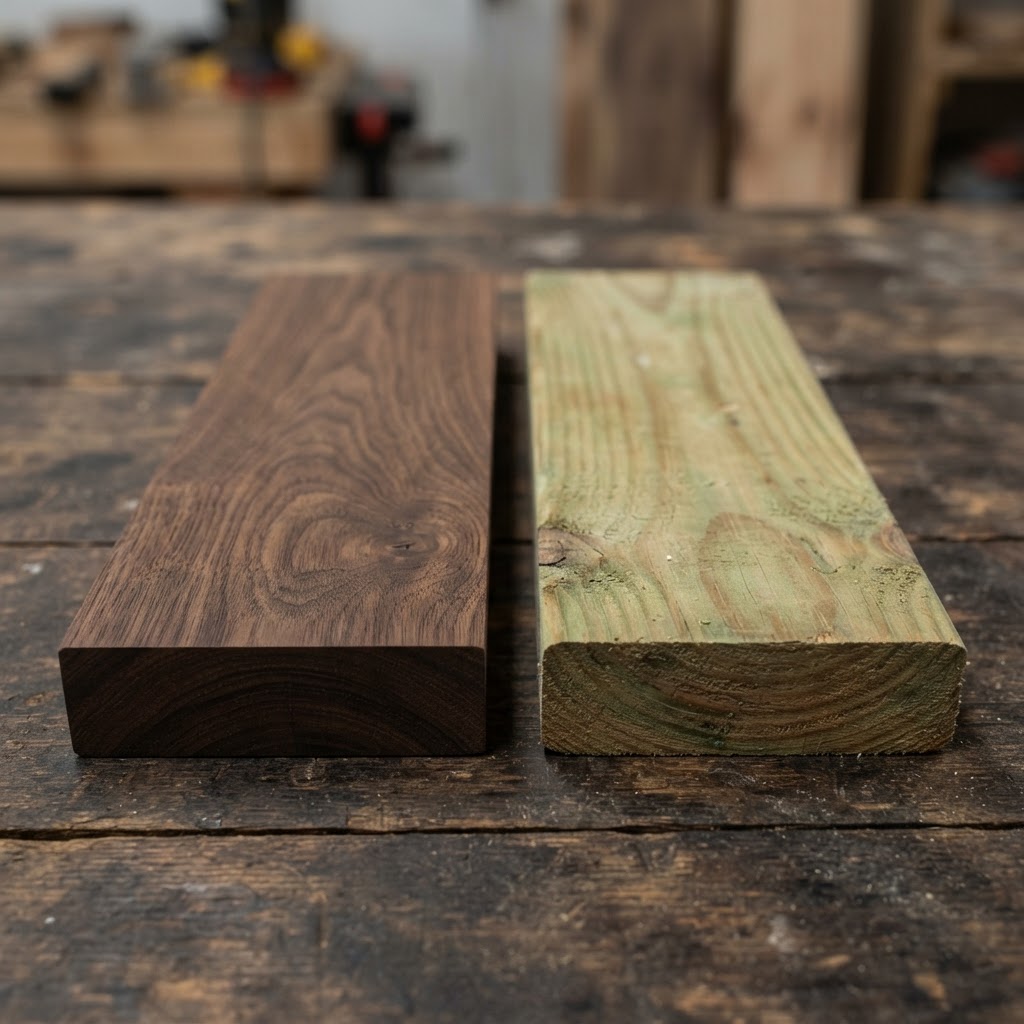
Wood preservation has two fundamentally different approaches: thermal modification uses only heat to permanently change the wood's cellular structure, while pressure treatment infuses chemicals to prevent decay. As builders and homeowners become more conscious of chemical exposure, thermally modified wood is gaining ground as a natural alternative. This comparison examines both treatments across performance and safety.
Thermally Modified
Pressure-Treated
Key Takeaways
- Wood preservation has two fundamentally different approaches: thermal modification uses only heat to permanently change the wood's cellular structure, while pressure treatment infuses chemicals to prevent decay.
- As builders and homeowners become more conscious of chemical exposure, thermally modified wood is gaining ground as a natural alternative.
- This comparison examines both treatments across performance and safety.
- Pressure-Treated remains the practical choice for ground-contact and structural applications where maximum decay resistance matters.
- Thermally Modified wood is the superior choice for decking and above-ground outdoor projects where chemical-free construction, beautiful appearance, and dimensional stability are priorities worth the premium.
| Property | Thermally Modified | Pressure-Treated |
|---|---|---|
| Treatment Method | Heat only (400°F+) — no chemicals | Chemical infusion under pressure |
| Decay Resistance | Good to very good | Excellent |
| Chemical Content | None — completely natural | ACQ, MCA, or CA-C preservatives |
| Avg Cost (5/4x6 Decking/LF) | $3–6 | $1.50–3 |
| Structural Strength | Reduced 10–20% | Maintained |
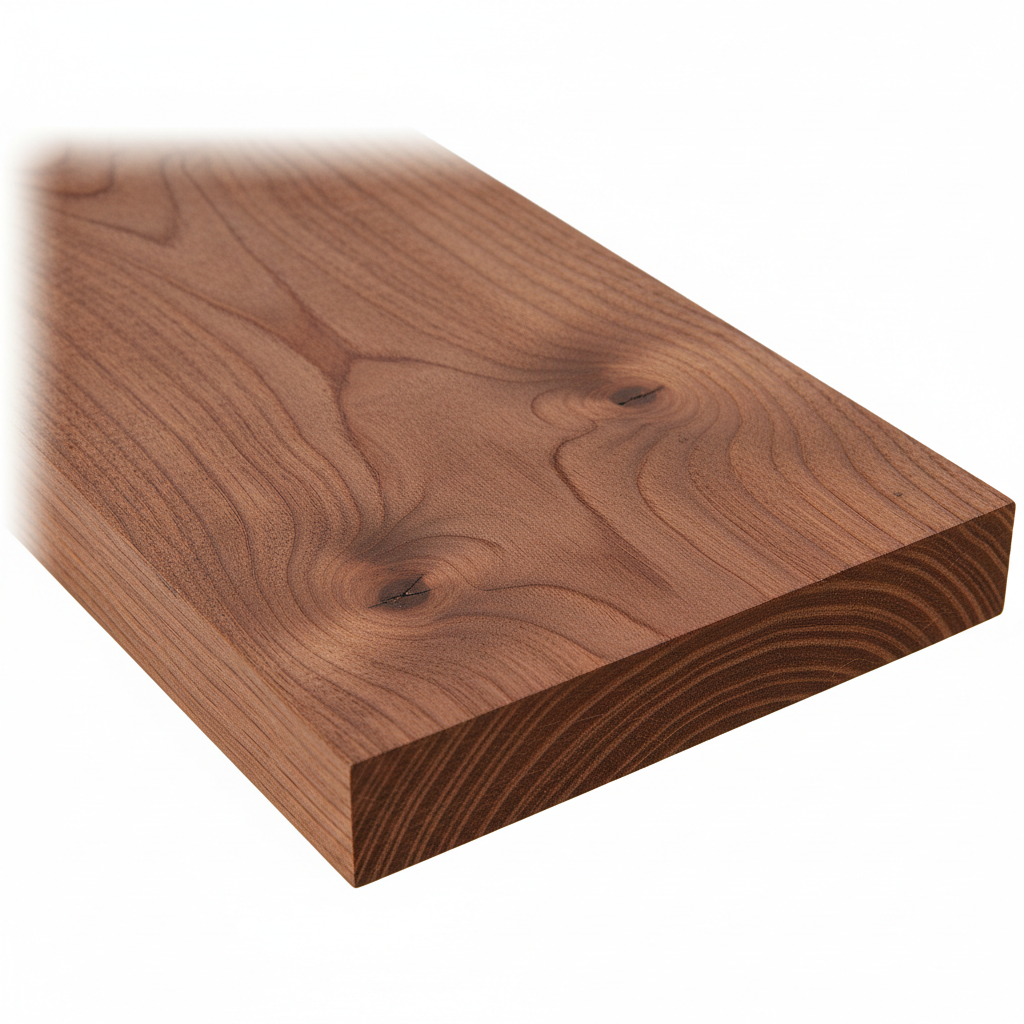
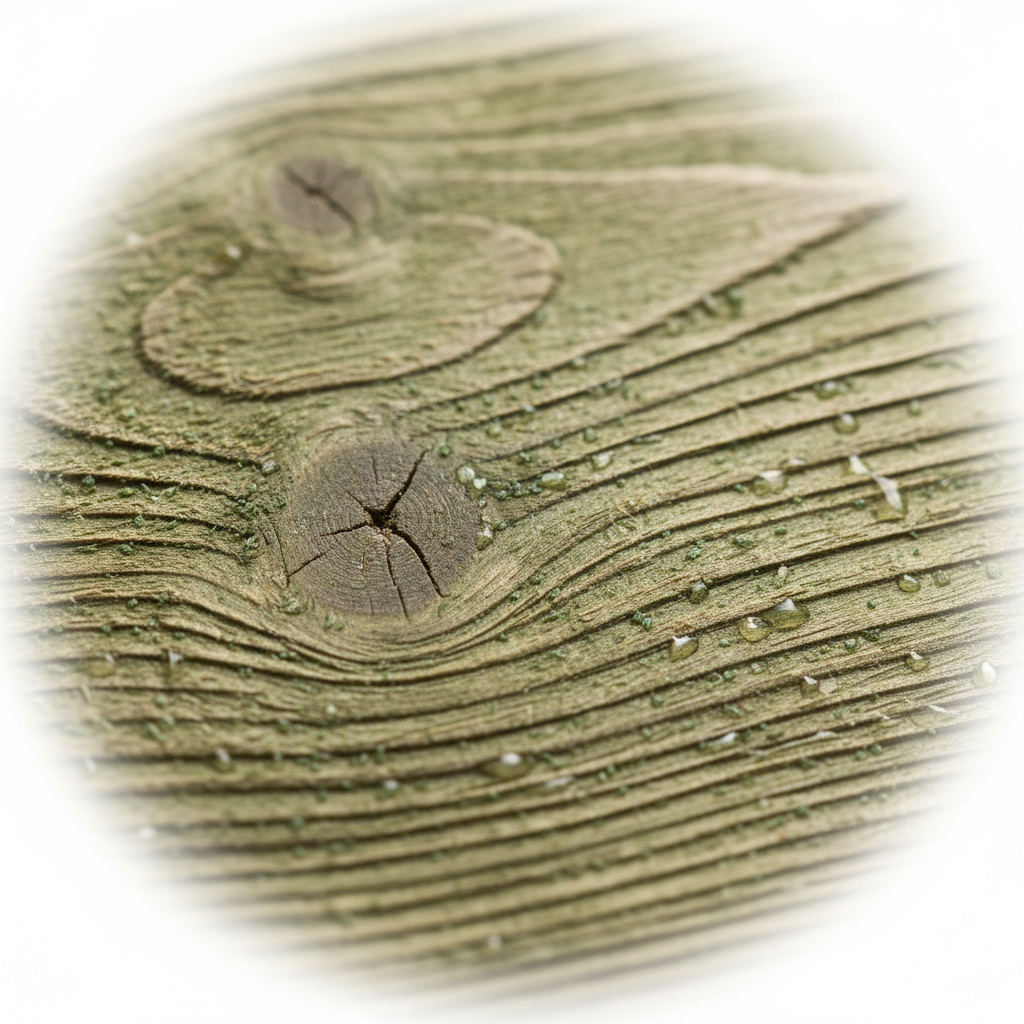
| Color | Rich dark brown throughout | Green or tan |
Thermally Modified
Pros
- Completely chemical-free — safe for gardens and children. Beautiful consistent dark brown color through the entire board. Excellent dimensional stability — minimal warping. Lightweight and pleasant to work with.
Cons
- More expensive than pressure-treated. Reduced structural strength — not for load-bearing. Less decay resistant than pressure-treated in ground contact. More brittle — can crack at fastener points.
Pressure-Treated
Pros
- Best decay resistance available for dimensional lumber. Most affordable treated wood option. Maintains full structural strength. Proven track record spanning decades.
Cons
- Contains chemical preservatives. Green appearance requires staining for aesthetics. Cannot be burned for disposal. Requires gloves during handling and cutting.
Best Use Cases
Choose Thermally Modified wood for above-ground decking, siding, fencing, and outdoor furniture where chemical-free construction is a priority and the wood does not contact soil. Choose Pressure-Treated for ground-contact applications, structural posts, retaining walls, and any situation demanding maximum decay resistance at the lowest cost.
Verdict
Pressure-Treated remains the practical choice for ground-contact and structural applications where maximum decay resistance matters. Thermally Modified wood is the superior choice for decking and above-ground outdoor projects where chemical-free construction, beautiful appearance, and dimensional stability are priorities worth the premium.