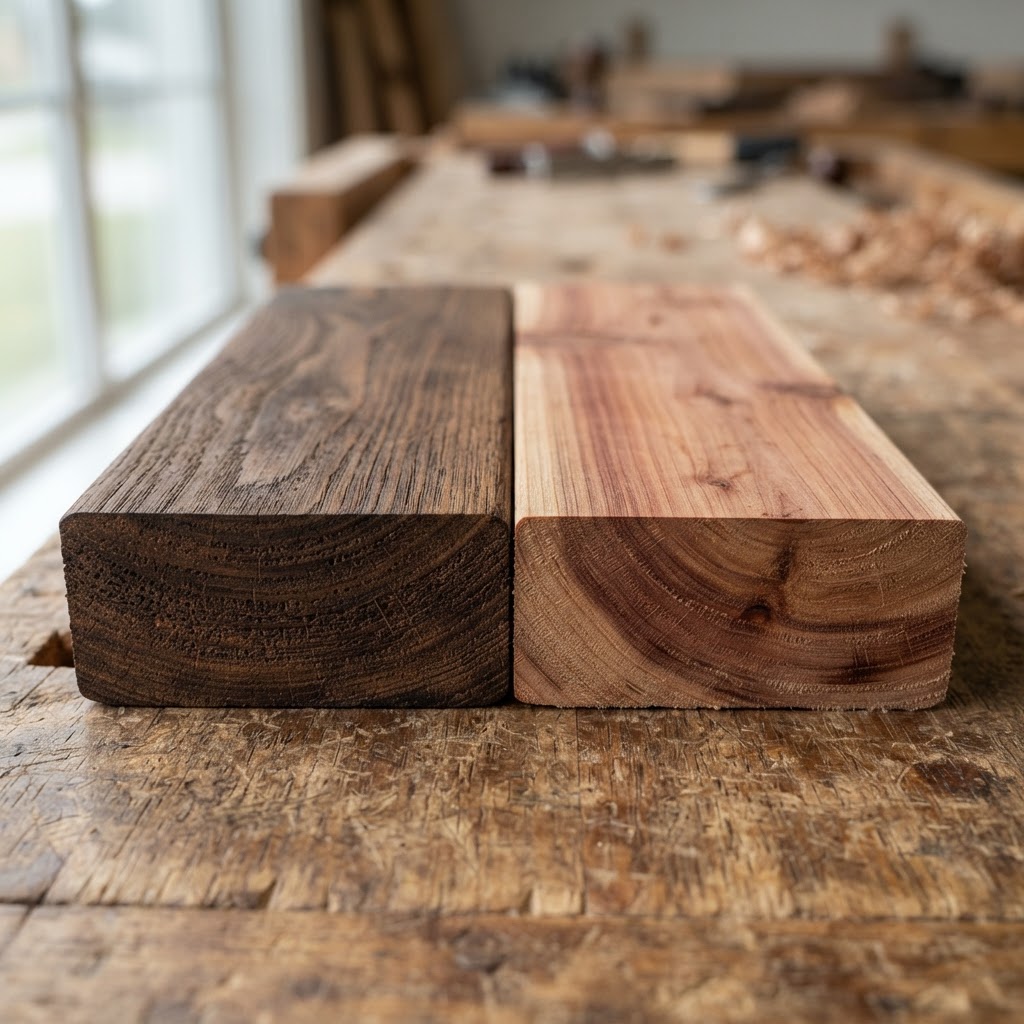
Thermowood vs Cedar Cladding: Modified vs Natural Wood (2026)
Thermowood (thermally modified timber) is a growing alternative to traditional cedar for exterior cladding. The thermal modification process uses heat to improve rot resistance without chemicals, creating an intriguing competitor to cedar's natural durability. This comparison examines both options for modern exterior applications.
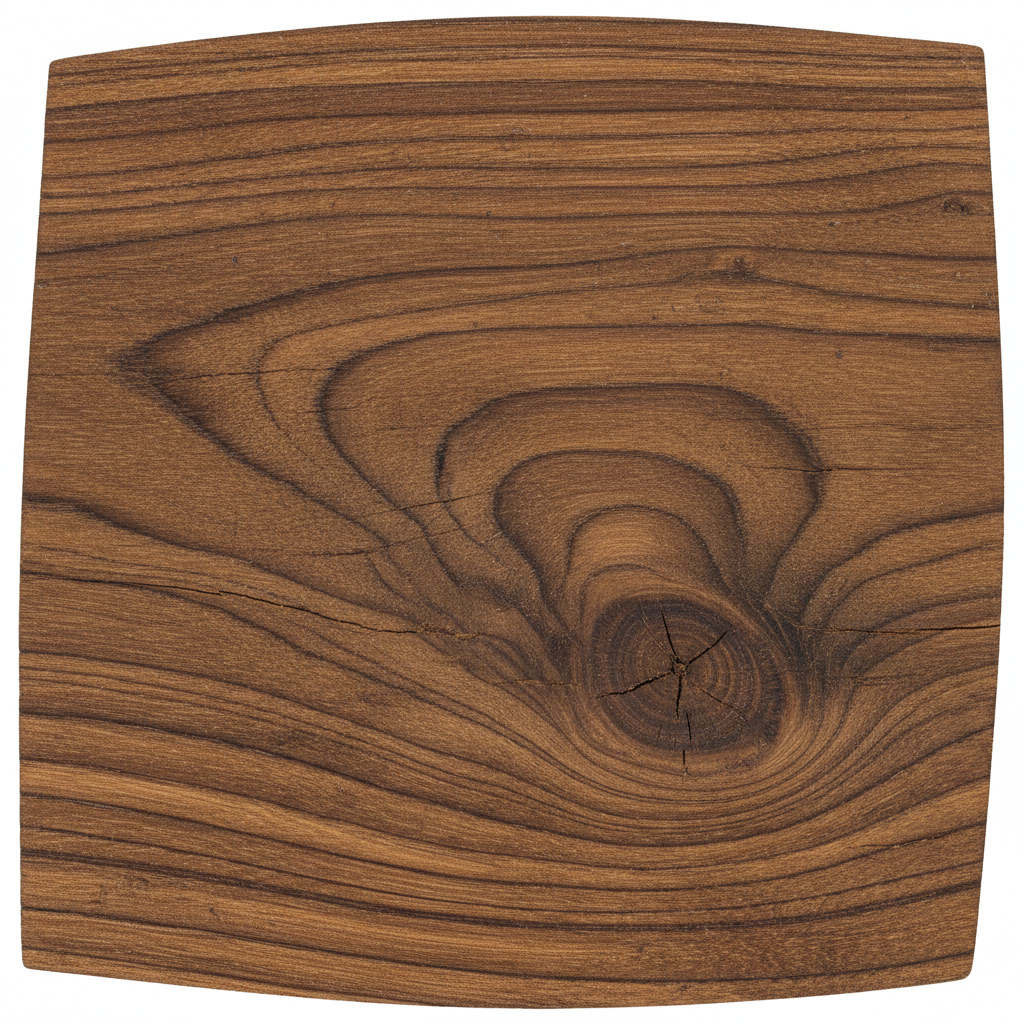
Thermowood (Thermally Modified)
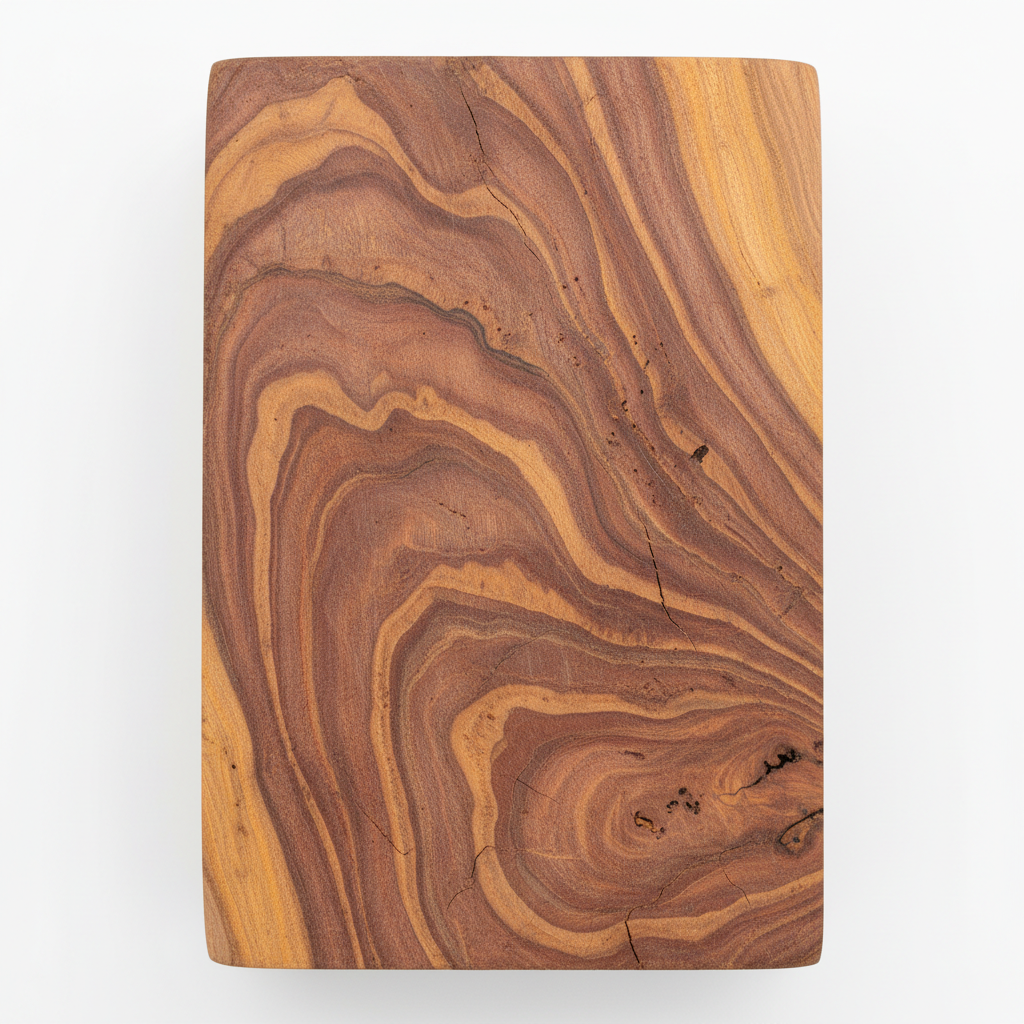
Cedar
Key Takeaways
- Thermowood (thermally modified timber) is a growing alternative to traditional cedar for exterior cladding.
- The thermal modification process uses heat to improve rot resistance without chemicals, creating an intriguing competitor to cedar's natural durability.
- This comparison examines both options for modern exterior applications.
- Both are excellent chemical-free cladding options with similar lifespans.
- Thermowood offers better stability and sustainability; cedar offers proven performance and easier maintenance.
| Property | Thermowood (Thermally Modified) | Cedar |
|---|---|---|
| Price/Sq Ft | $5-$10 | $6-$12 |
| Rot Resistance | Very good - heat treated | Good - natural oils |
| Stability | Excellent - reduced moisture uptake | Good |
| Chemical Treatment | None - heat only | None - natural |
| Color | Rich chocolate brown | Warm reddish-brown |
| Sustainability | Excellent - domestic softwoods | Good |
| Lifespan | 20-30 years | 20-30 years |
Thermowood (Thermally Modified)
Pros
- Chemical-free rot resistance, Made from abundant domestic species, Superior dimensional stability, Consistent dark color
Cons
- More brittle than untreated wood, Limited availability, Newer technology with less track record, Can be harder to source
Cedar
Pros
- Proven centuries of outdoor use, Natural beauty and aroma, Widely available, Easy to work with and repair
Cons
- Grays without maintenance, Sapwood has poor durability, Price increasing due to demand, Limited color range
Best Use Cases
Choose Thermowood for a chemical-free, dimensionally stable cladding option with a rich dark color, especially when using sustainably sourced domestic species. Choose cedar for proven natural beauty with established supply chains and repair techniques.
Verdict
Both are excellent chemical-free cladding options with similar lifespans. Thermowood offers better stability and sustainability; cedar offers proven performance and easier maintenance. Thermowood is the emerging choice for eco-conscious builders.
Frequently Asked Questions
Related Comparisons
Cedar vs Pine (Pressure-Treated)
Compare cedar and pressure-treated pine for pergola construction. Learn about cost, appearance, main
Read guideButcher Block (Wood) vs Granite
Compare butcher block and granite countertops for cost, durability, maintenance, and style. Find out
Read guideCedar vs Pressure-Treated Lumber
Compare cedar and pressure-treated lumber for raised garden beds. Learn about safety, cost, durabili
Read guide