Sycamore Wood Guide 2026
Platanus occidentalis
American Sycamore produces a pale, fine-textured hardwood that reveals a stunning lacewood-like figure when quarter-sawn. The prominent ray flecks create a shimmering, speckled pattern prized for decorative applications. While not naturally decay-resistant, Sycamore is an excellent choice for interior furniture, butcher blocks, and accent pieces where its unique visual character can shine.
Wood Appearance
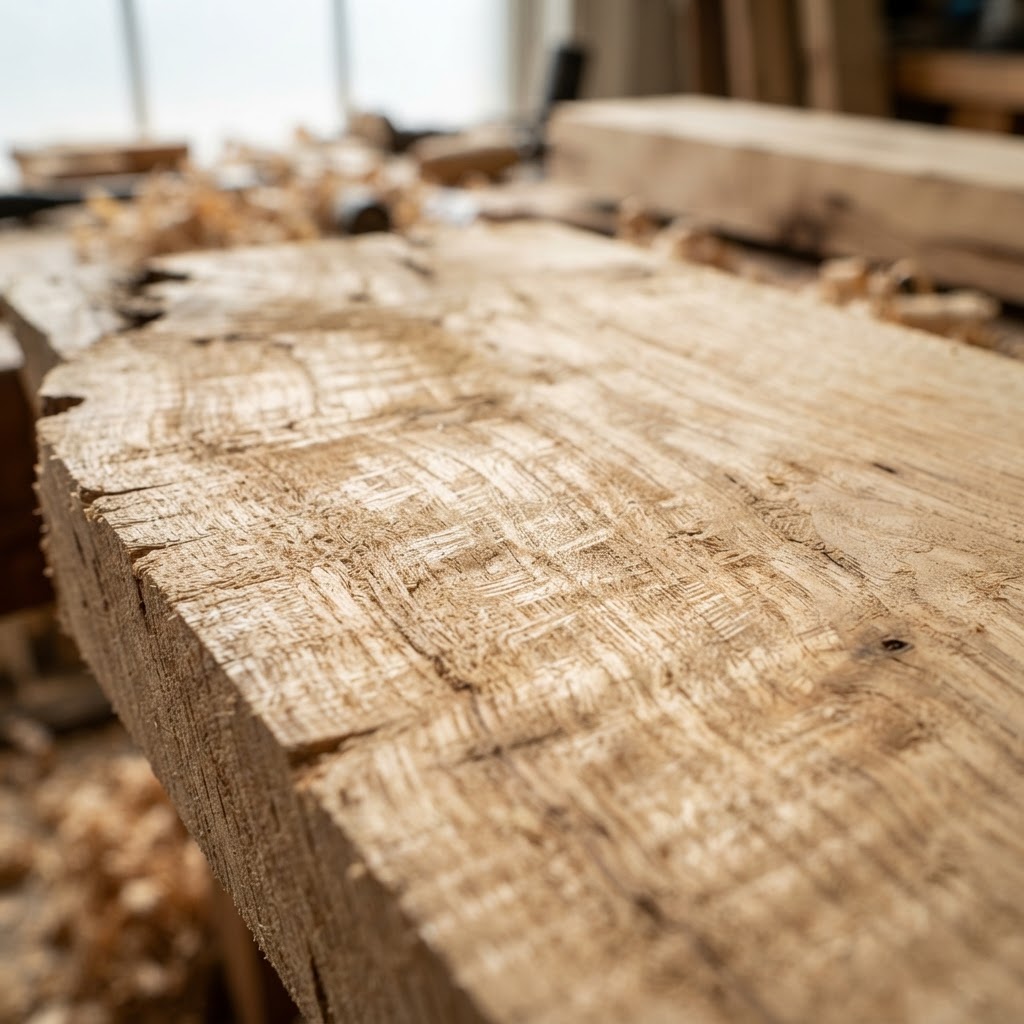
Natural Grain
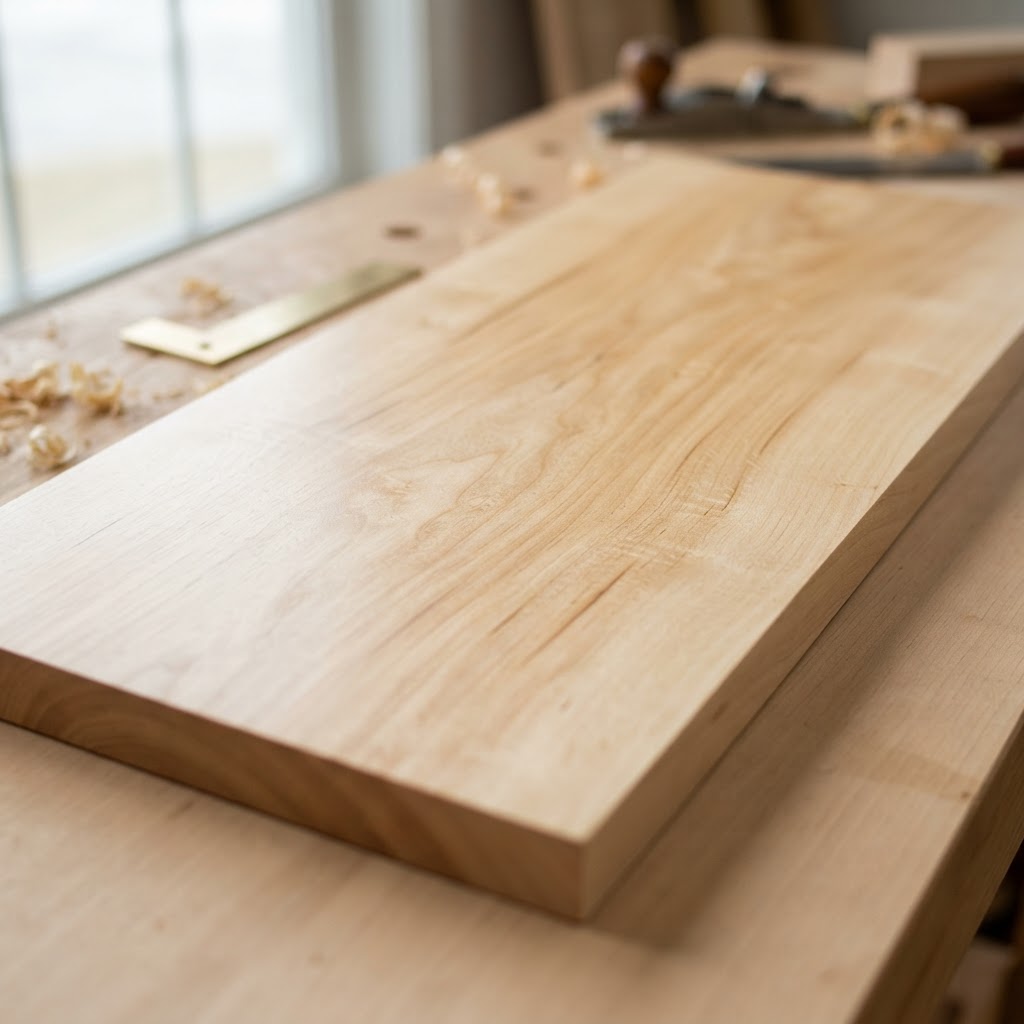
Finished Surface
Key Takeaways
- Density: 34 lbs/ft³
- Classification: Hardwood
- Origin: United States, Canada
- Price: ~$4.5 per board foot
- Common uses include Furniture, butcher blocks, veneer
Quick Facts
Representative reference values — natural wood varies by growing region, moisture content and individual board.
Durability, Stability & Workability
Texture: Sycamore has a fine, even texture with interlocking grain, often resulting in a distinctive flecked appearance on quarter-sawn surfaces.
Workability: It is generally easy to work with hand and machine tools, though planing can cause tearout due to interlocked grain.
Fastening: Nails and screws well; pre-drilling generally not required.
Finishing: It takes stains and finishes well, producing a smooth surface.
Color change: The wood is light reddish-brown, darkening only slightly with age and exposure.
Insect resistance: Sycamore has poor natural resistance to insect attack.
Ratings and published values are representative reference figures. Natural wood varies with growing region, moisture content and individual boards — treat them as guidance, not guarantees.
Common Sizes & Availability
Typical market availability for Sycamore. Lumberama is a sourcing marketplace — actual stock, widths and lengths vary by supplier. Request a quote to confirm what's available for your project.
| Thickness | Rough | Typical surfaced | Typical widths | Common lengths | |
|---|---|---|---|---|---|
| 4/4 | 1" | 13/16" (3/4" common) | Available in random widths, commonly up to 10 inches. | Available in random lengths, typically from 6 to 14 feet. | Request this size |
| 5/4 | 1-1/4" | 1-1/16" | Available in random widths, commonly up to 10 inches. | Available in random lengths, typically from 6 to 14 feet. | Request this size |
| 6/4 | 1-1/2" | 1-5/16" | Available in random widths, commonly up to 10 inches. | Available in random lengths, typically from 6 to 14 feet. | Request this size |
| 8/4 | 2" | 1-3/4" | Available in random widths, commonly up to 10 inches. | Available in random lengths, typically from 6 to 14 feet. | Request this size |
- 4/4rough 1"
- Surfaced
- 13/16" (3/4" common)
- Widths
- Available in random widths, commonly up to 10 inches.
- Lengths
- Available in random lengths, typically from 6 to 14 feet.
- 5/4rough 1-1/4"
- Surfaced
- 1-1/16"
- Widths
- Available in random widths, commonly up to 10 inches.
- Lengths
- Available in random lengths, typically from 6 to 14 feet.
- 6/4rough 1-1/2"
- Surfaced
- 1-5/16"
- Widths
- Available in random widths, commonly up to 10 inches.
- Lengths
- Available in random lengths, typically from 6 to 14 feet.
- 8/4rough 2"
- Surfaced
- 1-3/4"
- Widths
- Available in random widths, commonly up to 10 inches.
- Lengths
- Available in random lengths, typically from 6 to 14 feet.
Availability notes: Sycamore is a common domestic hardwood in North America, readily available though not as widely used as oak or maple.
How lumber sizes are described
- Rough (4/4, 8/4…)
- Hardwood thickness in quarters of an inch as sawn, before surfacing. 4/4 = 1" rough.
- Surfaced (S2S/S4S)
- Thickness after planing. 4/4 typically finishes at 13/16" or 3/4".
- Nominal vs. actual
- Construction lumber is sold by nominal size; a 2x6 measures about 1-1/2" x 5-1/2".
- Random width / length
- Most hardwood is sold as it comes from the log — widths and lengths vary within a range rather than being fixed.
Color & Grain
Color: Light reddish brown heartwood with white to light tan sapwood; distinctive dark ray fleck on quartersawn faces
Grain: Interlocked grain with prominent ray fleck on quartersawn surfaces; fine, even texture
Common Uses
- Furniture
- butcher blocks
- veneer
- interior paneling
- crates
- pallets
- turning
Key Characteristics
Also known as: American Sycamore, Buttonwood, Plane Tree, Lacewood (quartersawn)
Availability: In Stock
Advantages
- Janka indentation hardness: 770 lbf
- Heartwood decay rating: Non-Durable
- Sourced from United States, Canada
- Affordable pricing
Considerations
- Hardness does not establish decay resistance or structural design strength
Frequently Asked Questions
Alternatives to Consider
Species commonly specified for similar applications when Sycamore is unavailable or over budget.
Related Species
Explore More on Lumberama
Popular Applications
Comparisons
Calculators & Tools
Related Blog Posts
Heat Pump Guide: Types, Cost & How They Work
Heat and cool your home efficiently with one system.
Read articleAir Conditioning Guide: Types, Cost & Efficiency
Stay cool and save money on cooling.
Read articleFurnace Guide: Types, Cost & Maintenance
Keep your home warm and efficient.
Read article