Red Grandis Wood Guide 2026
Eucalyptus grandis
Typically described as fast-grown plantation eucalyptus
Wood Appearance
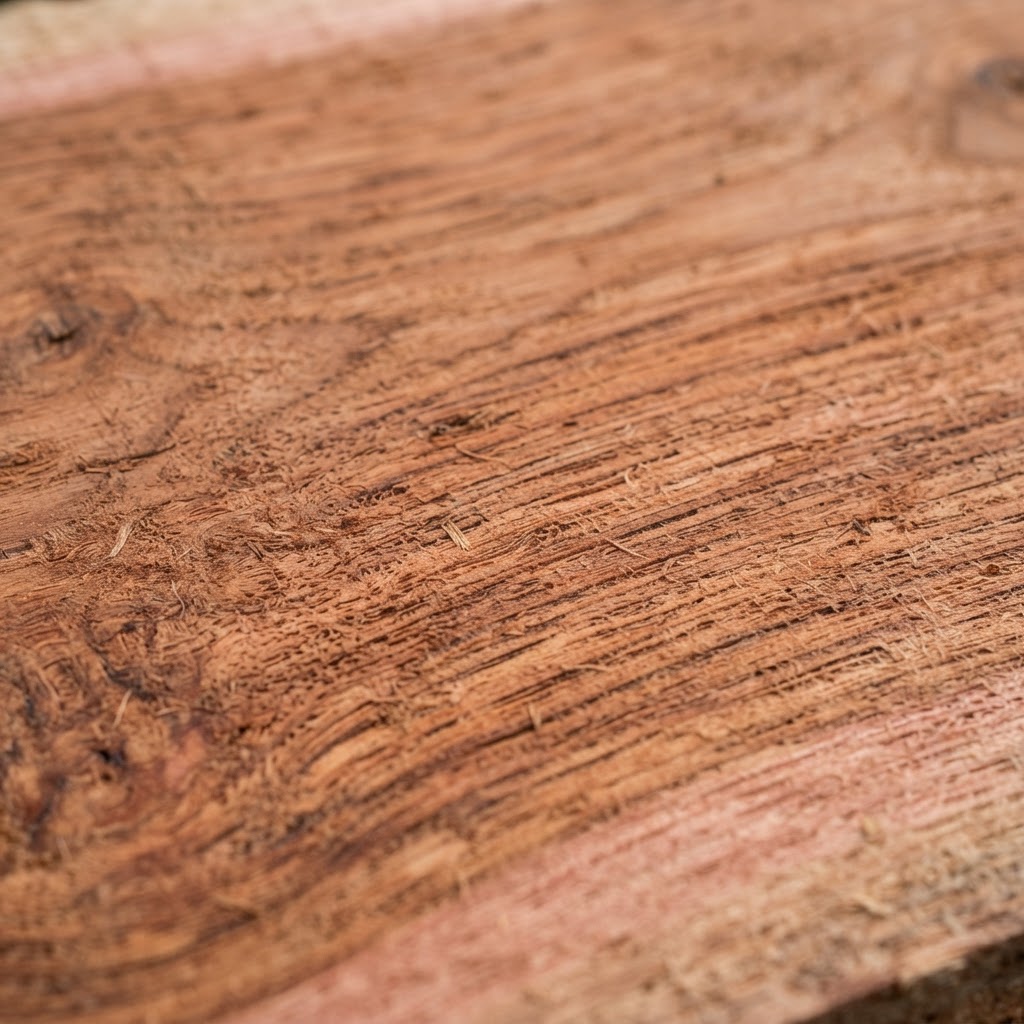
Natural Grain
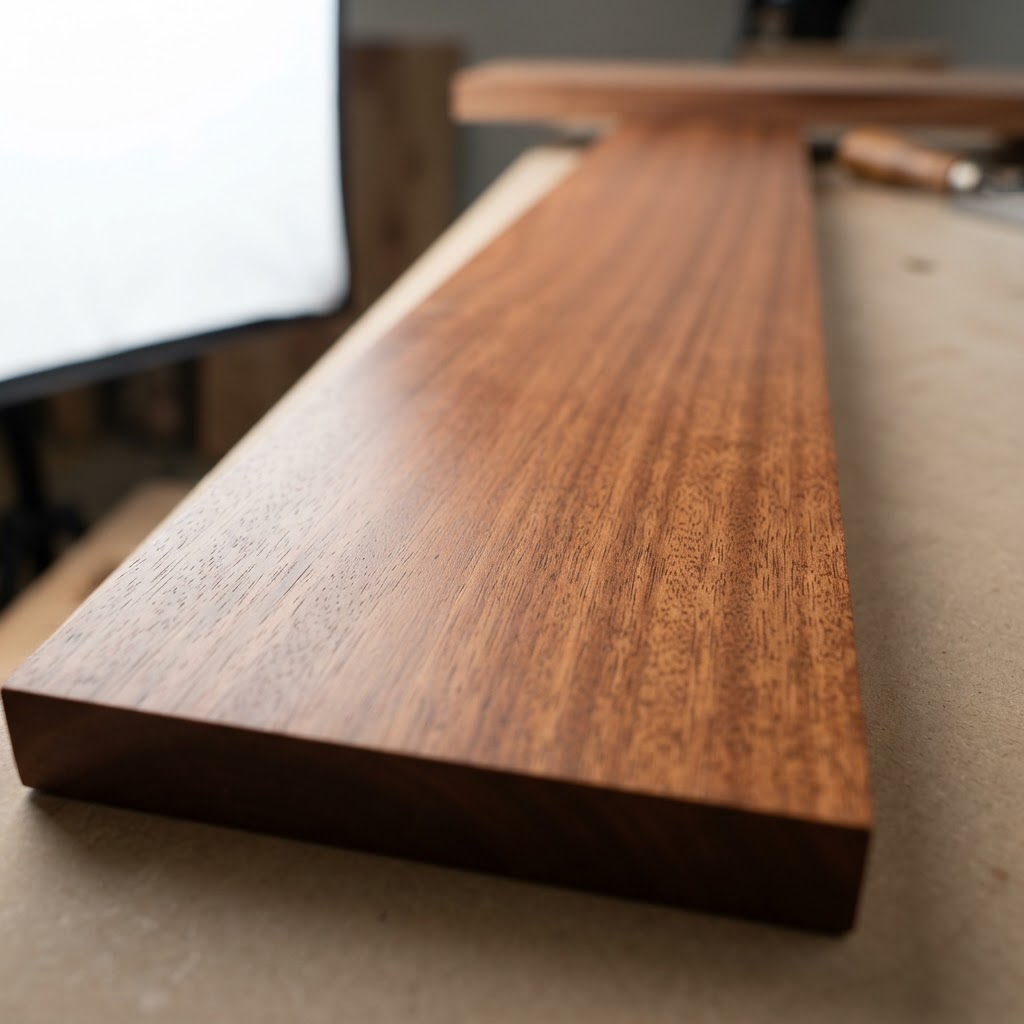
Finished Surface
Key Takeaways
- Density: 23 lbs/ft³
- Classification: Hardwood
- Origin: Uruguay;Brazil
- Common uses include Exterior siding, Doors, Windows
Quick Facts
Representative reference values — natural wood varies by growing region, moisture content and individual board.
Durability, Stability & Workability
Texture: Uniform medium texture with straight grain.
Workability: Generally easy to work with hand and power tools.
Fastening: Pre-drilling recommended for screws and nails.
Finishing: Stains and glues evenly for professional results.
Color change: Color remains relatively stable with minimal fading.
Insect resistance: Moderate resistance to decay and insect attack.
Ratings and published values are representative reference figures. Natural wood varies with growing region, moisture content and individual boards — treat them as guidance, not guarantees.
Common Sizes & Availability
Typical market availability for Red Grandis. Lumberama is a sourcing marketplace — actual stock, widths and lengths vary by supplier. Request a quote to confirm what's available for your project.
| Thickness | Rough | Typical surfaced | Typical widths | Common lengths | |
|---|---|---|---|---|---|
| 4/4 | 1" | 13/16" (3/4" common) | Typically available in random widths from 4 to 12 inches. | Commonly supplied in random lengths from 8 to 16 feet. | Request this size |
| 5/4 | 1-1/4" | 1-1/16" | Typically available in random widths from 4 to 12 inches. | Commonly supplied in random lengths from 8 to 16 feet. | Request this size |
| 6/4 | 1-1/2" | 1-5/16" | Typically available in random widths from 4 to 12 inches. | Commonly supplied in random lengths from 8 to 16 feet. | Request this size |
| 8/4 | 2" | 1-3/4" | Typically available in random widths from 4 to 12 inches. | Commonly supplied in random lengths from 8 to 16 feet. | Request this size |
- 4/4rough 1"
- Surfaced
- 13/16" (3/4" common)
- Widths
- Typically available in random widths from 4 to 12 inches.
- Lengths
- Commonly supplied in random lengths from 8 to 16 feet.
- 5/4rough 1-1/4"
- Surfaced
- 1-1/16"
- Widths
- Typically available in random widths from 4 to 12 inches.
- Lengths
- Commonly supplied in random lengths from 8 to 16 feet.
- 6/4rough 1-1/2"
- Surfaced
- 1-5/16"
- Widths
- Typically available in random widths from 4 to 12 inches.
- Lengths
- Commonly supplied in random lengths from 8 to 16 feet.
- 8/4rough 2"
- Surfaced
- 1-3/4"
- Widths
- Typically available in random widths from 4 to 12 inches.
- Lengths
- Commonly supplied in random lengths from 8 to 16 feet.
Decking & exterior profiles
Available in various siding and trim profiles.
Availability notes: Sourced primarily from managed plantations in South America.
How lumber sizes are described
- Rough (4/4, 8/4…)
- Hardwood thickness in quarters of an inch as sawn, before surfacing. 4/4 = 1" rough.
- Surfaced (S2S/S4S)
- Thickness after planing. 4/4 typically finishes at 13/16" or 3/4".
- Nominal vs. actual
- Construction lumber is sold by nominal size; a 2x6 measures about 1-1/2" x 5-1/2".
- Random width / length
- Most hardwood is sold as it comes from the log — widths and lengths vary within a range rather than being fixed.
Color & Grain
Color: Pinkish to reddish brown
Grain: Straight; even texture
Common Uses
- Exterior siding
- Doors
- Windows
- Millwork
Key Characteristics
Also known as: Plantation Eucalyptus;Grandis
Availability: In Stock
Advantages
- Janka indentation hardness: 630 lbf
- Heartwood decay rating: Moderately Durable
- Sourced from Uruguay;Brazil
Considerations
- Pre-drilling recommended for fasteners
- Hardness does not establish decay resistance or structural design strength
- Availability may vary
Frequently Asked Questions
Alternatives to Consider
Species commonly specified for similar applications when Red Grandis is unavailable or over budget.
- Eucalyptus
- Mahogany800 lbf Janka
- Meranti
Related Species
Explore More on Lumberama
Popular Applications
Comparisons
Calculators & Tools
Related Blog Posts
Heat Pump Guide: Types, Cost & How They Work
Heat and cool your home efficiently with one system.
Read articleAir Conditioning Guide: Types, Cost & Efficiency
Stay cool and save money on cooling.
Read articleFurnace Guide: Types, Cost & Maintenance
Keep your home warm and efficient.
Read article