Beech Wood Guide 2026
Fagus spp.
Typically described as strong and shock-resistant hardwood
Catalog Price Reference
Unverified catalog note: American beech at low end. European beech commands premium.
Unverified catalog reference, not a current offer. Supplier price source, quotation date and exact grade/milling basis are not recorded in these pricing fields. A page update is not price verification; freight and tax remain unknown until quoted. Enter a dated quote and build a specification.
Wood Appearance
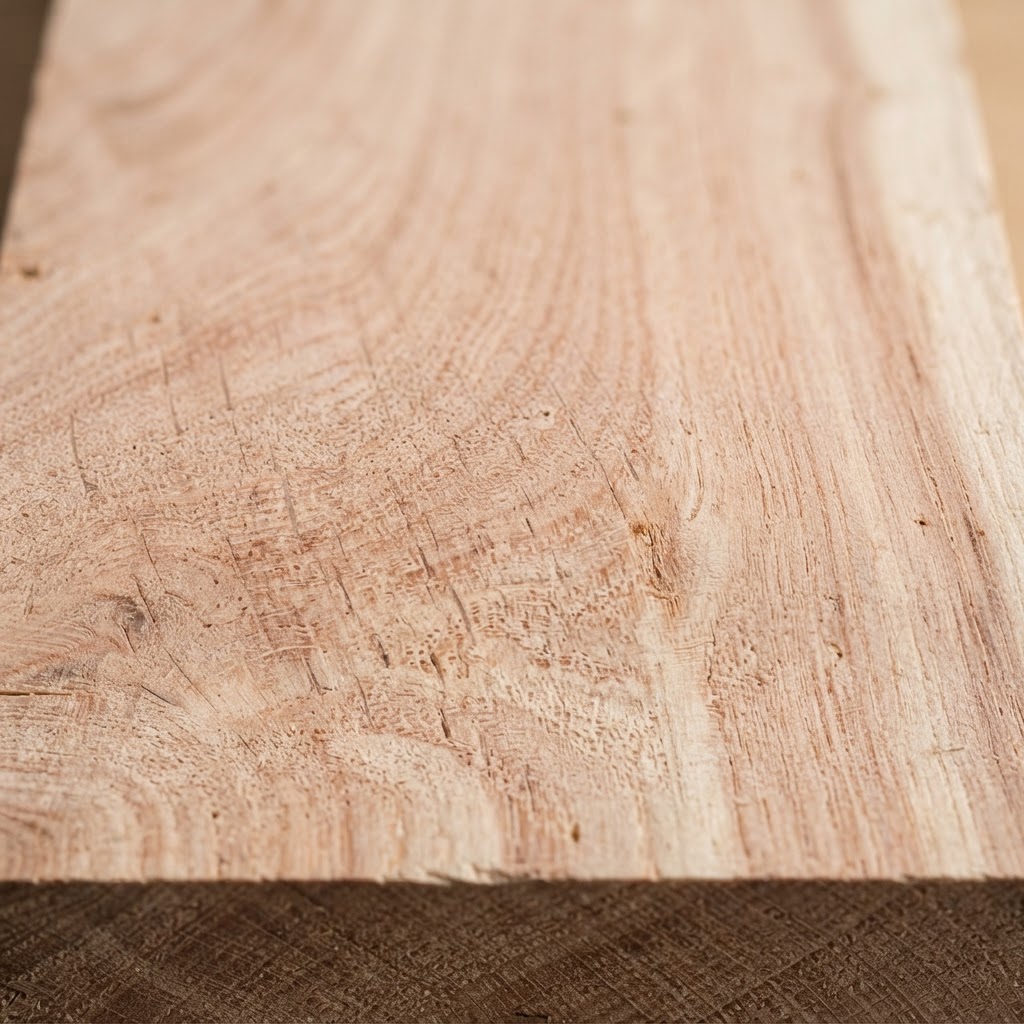
Natural Grain
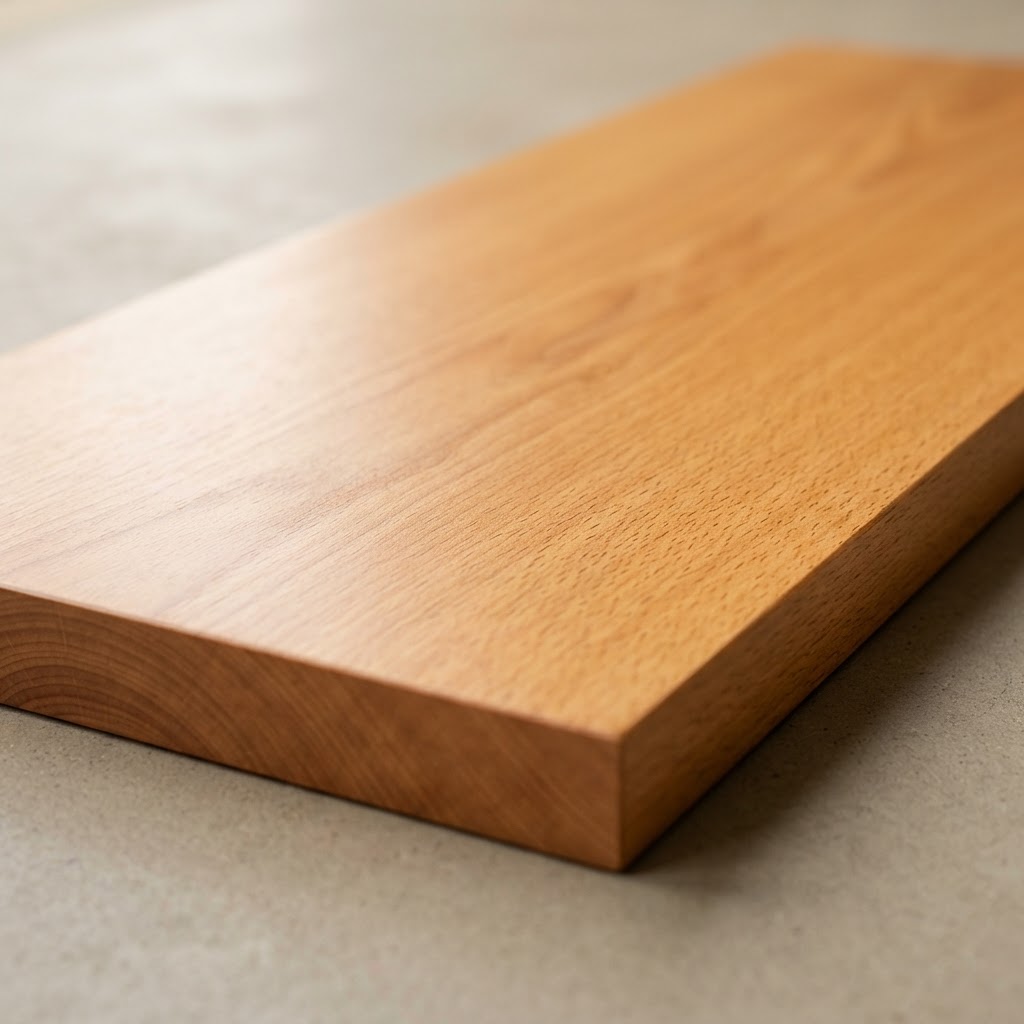
Finished Surface
Key Takeaways
- Density: 41 lbs/ft³
- Classification: Hardwood
- Origin: United States;Europe
- Catalog price ranges are unverified references, not available offers
- Common uses include Furniture, Flooring, Cabinetry
Quick Facts
Representative reference values — natural wood varies by growing region, moisture content and individual board.
Durability, Stability & Workability
Texture: The wood has a fine, uniform texture with small pores.
Workability: It generally machines and glues well but has a tendency to burn during cross-cutting.
Fastening: Nails and screws well; pre-drilling generally not required.
Finishing: It stains and finishes very well due to its uniform cell structure.
Color change: The wood darkens slightly to a golden amber hue over time.
Insect resistance: It is susceptible to common furniture beetles and other insects.
Ratings and published values are representative reference figures. Natural wood varies with growing region, moisture content and individual boards — treat them as guidance, not guarantees.
Common Sizes & Availability
Typical market availability for Beech. Lumberama is a sourcing marketplace — actual stock, widths and lengths vary by supplier. Request a quote to confirm what's available for your project.
| Thickness | Rough | Typical surfaced | Typical widths | Common lengths | |
|---|---|---|---|---|---|
| 4/4 | 1" | 13/16" (3/4" common) | Random widths are standard in hardwoods, typically ranging from 4 to 12 inches. | Random lengths commonly vary from 6 to 12 feet. | Request this size |
| 5/4 | 1-1/4" | 1-1/16" | Random widths are standard in hardwoods, typically ranging from 4 to 12 inches. | Random lengths commonly vary from 6 to 12 feet. | Request this size |
| 6/4 | 1-1/2" | 1-5/16" | Random widths are standard in hardwoods, typically ranging from 4 to 12 inches. | Random lengths commonly vary from 6 to 12 feet. | Request this size |
| 8/4 | 2" | 1-3/4" | Random widths are standard in hardwoods, typically ranging from 4 to 12 inches. | Random lengths commonly vary from 6 to 12 feet. | Request this size |
- 4/4rough 1"
- Surfaced
- 13/16" (3/4" common)
- Widths
- Random widths are standard in hardwoods, typically ranging from 4 to 12 inches.
- Lengths
- Random lengths commonly vary from 6 to 12 feet.
- 5/4rough 1-1/4"
- Surfaced
- 1-1/16"
- Widths
- Random widths are standard in hardwoods, typically ranging from 4 to 12 inches.
- Lengths
- Random lengths commonly vary from 6 to 12 feet.
- 6/4rough 1-1/2"
- Surfaced
- 1-5/16"
- Widths
- Random widths are standard in hardwoods, typically ranging from 4 to 12 inches.
- Lengths
- Random lengths commonly vary from 6 to 12 feet.
- 8/4rough 2"
- Surfaced
- 1-3/4"
- Widths
- Random widths are standard in hardwoods, typically ranging from 4 to 12 inches.
- Lengths
- Random lengths commonly vary from 6 to 12 feet.
Availability notes: Widely available as a standard domestic hardwood lumber.
How lumber sizes are described
- Rough (4/4, 8/4…)
- Hardwood thickness in quarters of an inch as sawn, before surfacing. 4/4 = 1" rough.
- Surfaced (S2S/S4S)
- Thickness after planing. 4/4 typically finishes at 13/16" or 3/4".
- Nominal vs. actual
- Construction lumber is sold by nominal size; a 2x6 measures about 1-1/2" x 5-1/2".
- Random width / length
- Most hardwood is sold as it comes from the log — widths and lengths vary within a range rather than being fixed.
Color & Grain
Color: White to light red-brown; narrow sapwood
Grain: Straight; fine even texture
Common Uses
- Furniture
- Flooring
- Cabinetry
- Workbenches
- Stair parts
Key Characteristics
Also known as: European Beech;American Beech
Availability: Supplier confirmation required; this reference is not live inventory.
Advantages
- Janka indentation hardness: 1,300 lbf
- Heartwood decay rating: Non-Durable
- Sourced from United States;Europe
Considerations
- Hardness does not establish decay resistance or structural design strength
- Compare dated quotes on the same grade, dimensions and milling basis
Frequently Asked Questions
Alternatives to Consider
Species commonly specified for similar applications when Beech is unavailable or over budget.
Related Species
Compare This Wood
Maple vs Beech
Both woods make outstanding workbenches. Maple is the better choice in North America due to availability and slightly superior hardness. Beech is preferred if you hand-plane your bench top regularly, as it works more easily. You genuinely cannot go wrong with either.
View comparisonBeech vs Maple
Maple is better all-around for North American woodworkers. Beech excels in steam bending.
View comparison