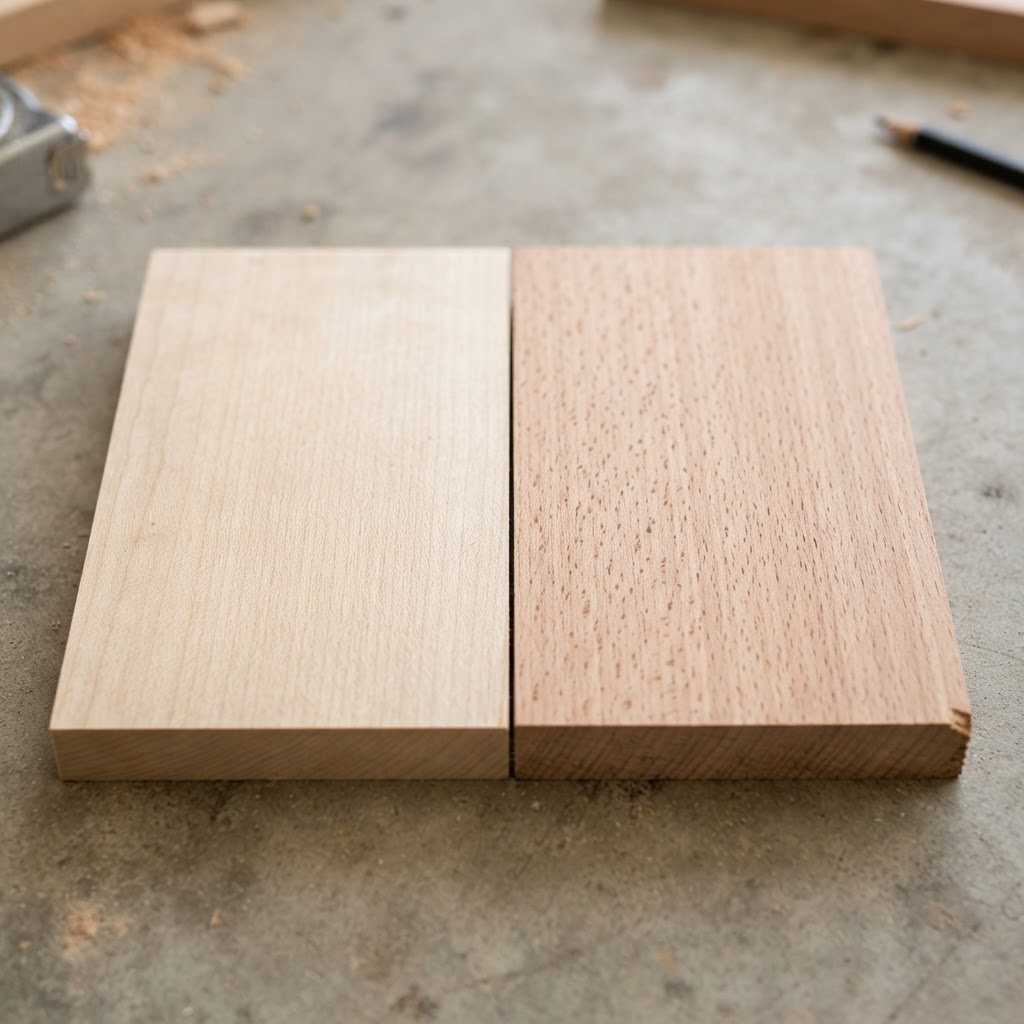
Maple vs Beech for Workbenches: 2026 Complete Comparison (2026)
A workbench top needs to be hard, stable, and affordable enough to use without guilt. Hard Maple and European Beech are the two classic choices for serious workshop benches. Maple is the North American standard while Beech dominates European shop traditions. This guide compares both on the properties that matter most for a bench you will use for decades.
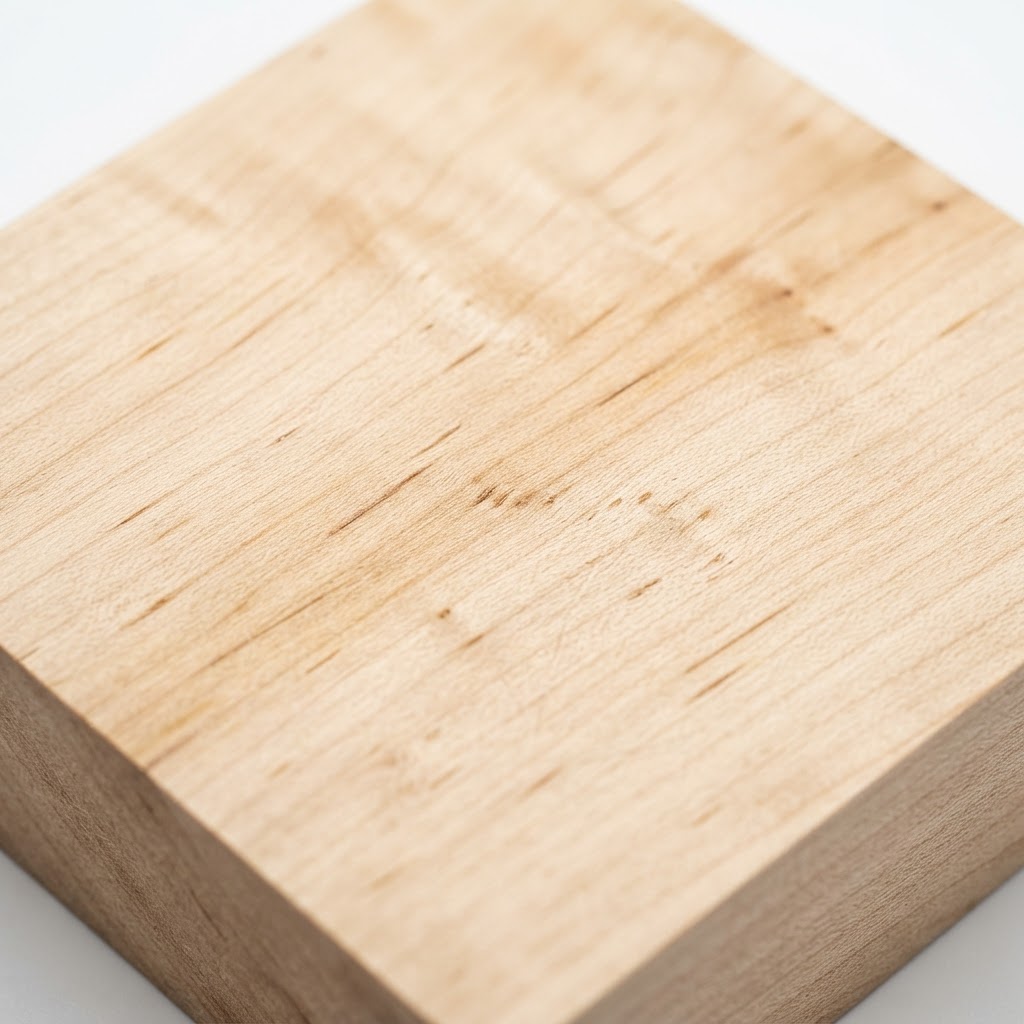
Maple
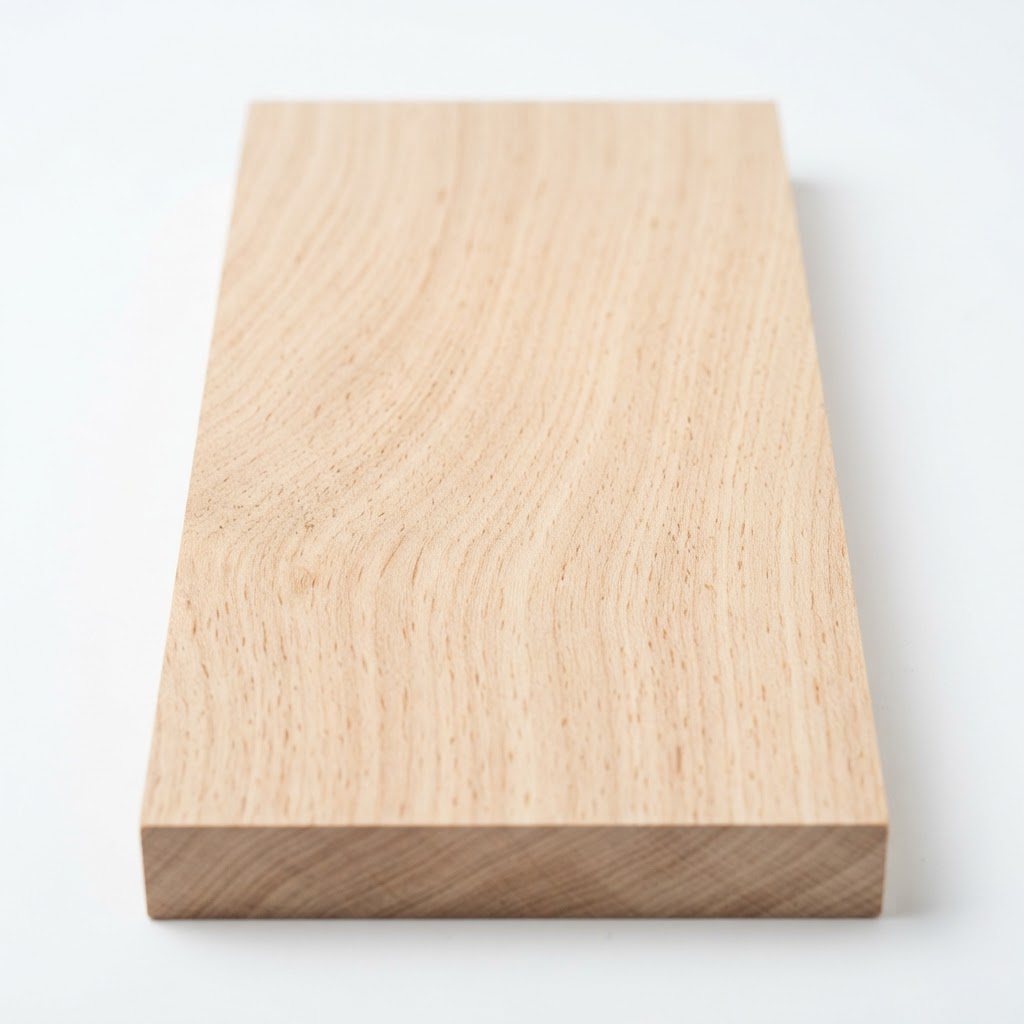
Beech
Key Takeaways
- A workbench top needs to be hard, stable, and affordable enough to use without guilt.
- Hard Maple and European Beech are the two classic choices for serious workshop benches.
- Maple is the North American standard while Beech dominates European shop traditions.
- Both woods make outstanding workbenches.
- Maple is the better choice in North America due to availability and slightly superior hardness.
| Property | Maple | Beech |
|---|---|---|
| Hardness (Janka) | 1450 lbf | 1300 lbf |
| Stability | Very good | Excellent — moves minimally |
| Workability | Good — can be tough to plane | Excellent — planes beautifully |
| Avg Cost (BF) | $5–8 | $4–7 |
| Availability (N. America) | Excellent | Good — often imported |
| Wear Resistance | Excellent | Very good |
Maple
Pros
- Harder and more wear-resistant surface. Widely available in North America. Resists denting from dropped tools. Long tradition in American woodworking benches.
Cons
- Can be difficult to hand-plane due to hardness. Heavier and more expensive than Beech. Interlocked grain can tear out.
Beech
Pros
- Excellent dimensional stability across seasons. Planes and works more easily than Maple. Traditional European bench wood with centuries of proven use. Slightly more affordable.
Cons
- Softer surface dents slightly easier. Less readily available in North America. Can develop surface checking in very dry shops.
Best Use Cases
Choose Maple if you are in North America and want the hardest, most dent-resistant bench top using locally available lumber. Choose Beech if you prefer European bench-building tradition, want a top that is easier to flatten by hand, or value dimensional stability in a shop with humidity swings.
Verdict
Both woods make outstanding workbenches. Maple is the better choice in North America due to availability and slightly superior hardness. Beech is preferred if you hand-plane your bench top regularly, as it works more easily. You genuinely cannot go wrong with either.