
Butcher Block vs Epoxy Workbench Top: 2026 Complete Comparison (2026)
Choosing a workbench top surface comes down to what kind of work you do. Traditional butcher block offers a forgiving, repairable wood surface ideal for woodworking and general assembly. Epoxy resin tops provide chemical resistance and a waterproof surface suited to finishing, electronics, and wet work. This comparison helps you match your bench top to your workflow.
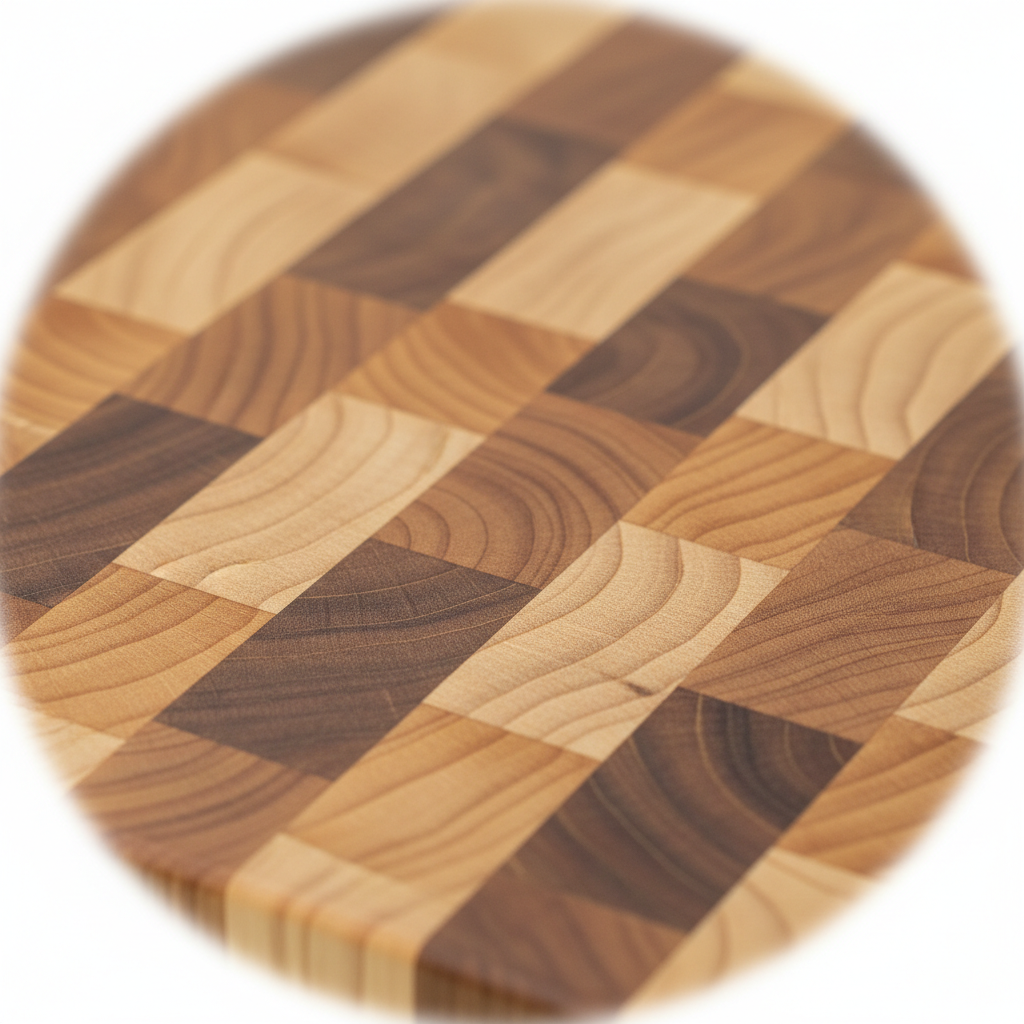
Butcher Block
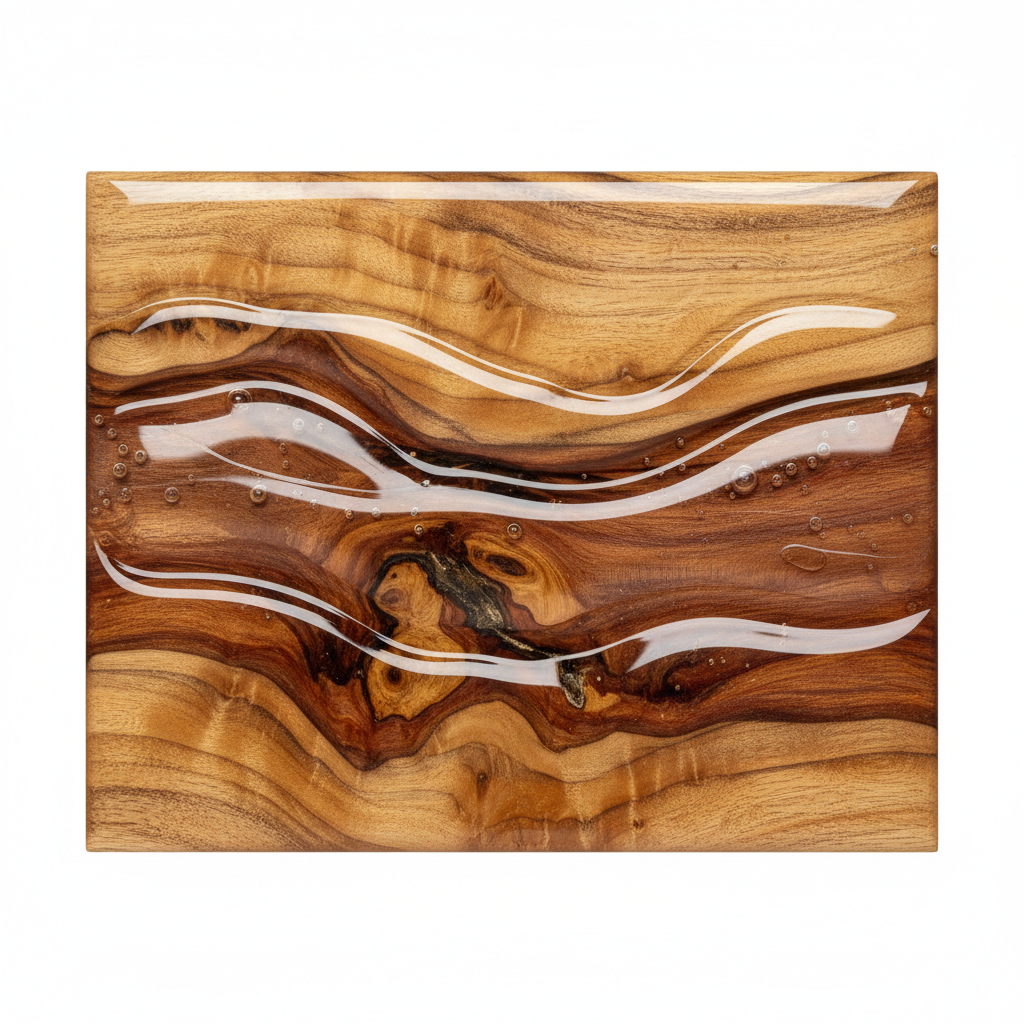
Epoxy Resin
Key Takeaways
- Choosing a workbench top surface comes down to what kind of work you do.
- Traditional butcher block offers a forgiving, repairable wood surface ideal for woodworking and general assembly.
- Epoxy resin tops provide chemical resistance and a waterproof surface suited to finishing, electronics, and wet work.
- Butcher block is the better choice for a primary workshop workbench — its warm, forgiving surface and easy repairability make it the woodworker's standard.
- Epoxy tops excel as a secondary surface for finishing, painting, and wet work.
| Property | Butcher Block | Epoxy Resin |
|---|---|---|
| Chemical Resistance | Low — stains from solvents | Excellent — resists most chemicals |
| Repairability | Easy — sand and refinish | Difficult — must re-pour |
| Tool Friendliness | Excellent — absorbs impact | Hard surface — bounces tools |
| Moisture Resistance | Moderate with finish | Waterproof |
| Cost (24x60 Top) | $150–300 | $200–500 |
| Surface Feel | Warm, natural | Hard, glossy, cold |
Butcher Block
Pros
- Warm, forgiving surface that absorbs tool drops. Easy to repair — just sand and refinish. Ideal for woodworking with clamps and vises. Natural aesthetic enhances shop appearance.
Cons
- Stains from chemicals, oils, and finishes. Requires periodic oiling or refinishing. Can warp with major humidity changes. Dents from heavy impacts over time.
Epoxy Resin
Pros
- Completely waterproof and chemical-resistant. Easy to clean — just wipe down. Handles solvents, paints, and adhesives without damage. Custom colors and embedded designs possible.
Cons
- Hard surface is unforgiving on dropped tools. Expensive to install or pour. Cannot be easily repaired if cracked or chipped. Cold and hard feel under hands.
Best Use Cases
Choose Butcher Block for a primary woodworking bench where you use clamps, vises, and hand tools — the wood surface absorbs shock and is easy to maintain. Choose Epoxy for a finishing station, electronics bench, or any surface exposed to chemicals, water, and solvents regularly.
Verdict
Butcher block is the better choice for a primary workshop workbench — its warm, forgiving surface and easy repairability make it the woodworker's standard. Epoxy tops excel as a secondary surface for finishing, painting, and wet work. Many well-equipped shops have one of each.