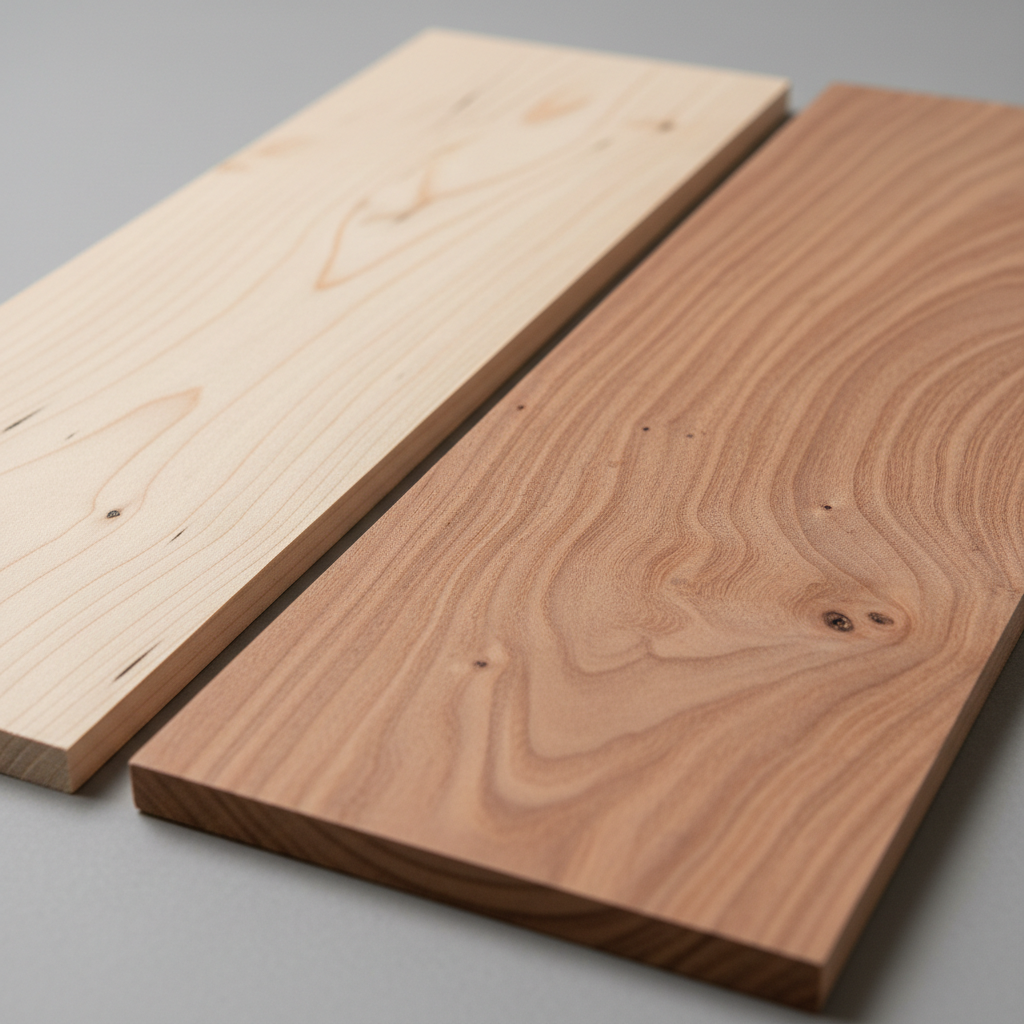
Maple vs Cherry Cabinets: Hardness, Color, Finish and Cost
By Lumberama · Updated 10/1/2026 · Source-based editorial guidance; no individual expert review claimed. Editorial standards
Hard maple is a practical choice for light-colored cabinetry and higher indentation resistance; black cherry suits cabinets where warm natural color and its gradual development are priorities. Both can make durable kitchen cabinets. Construction, finish, moisture conditions and hardware matter alongside species, so there is no universal winner. This comparison distinguishes hard maple from soft maple and American black cherry from other cherry-named woods.
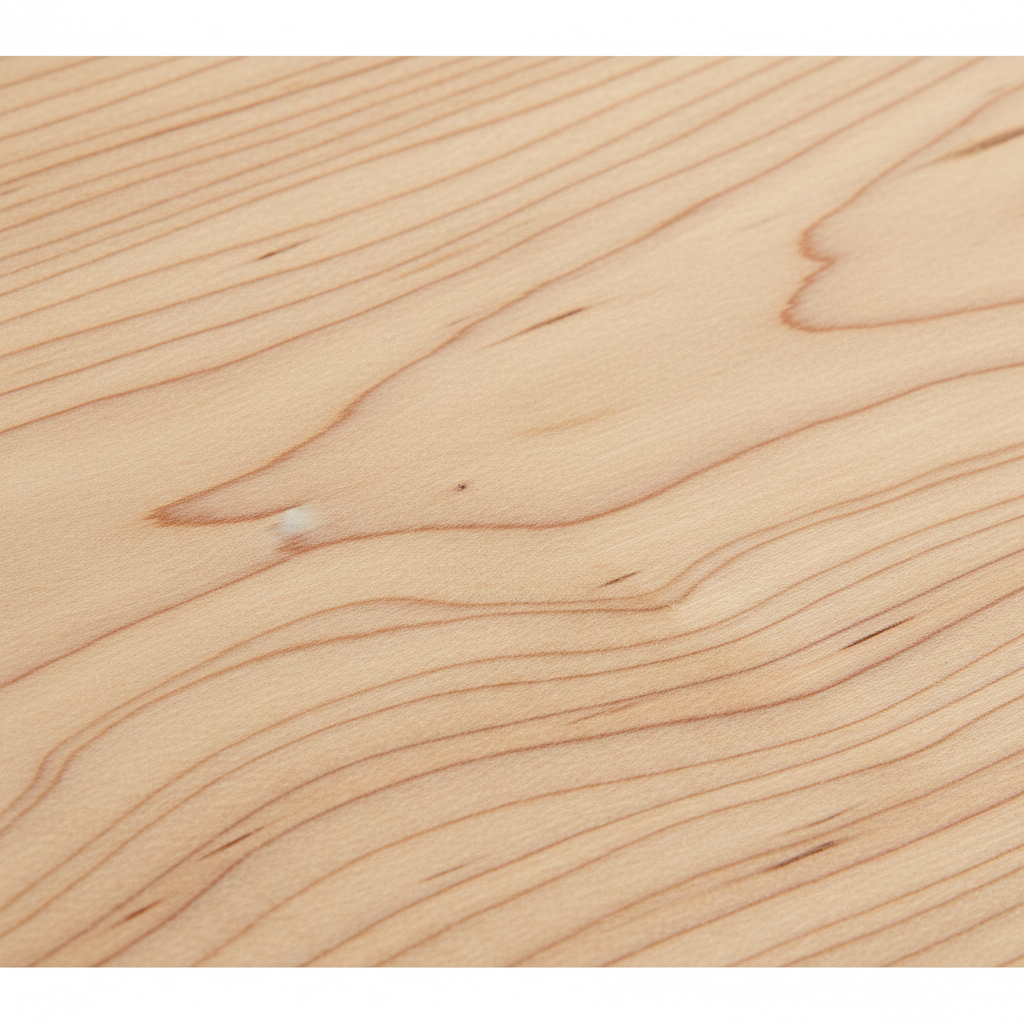
Hard Maple
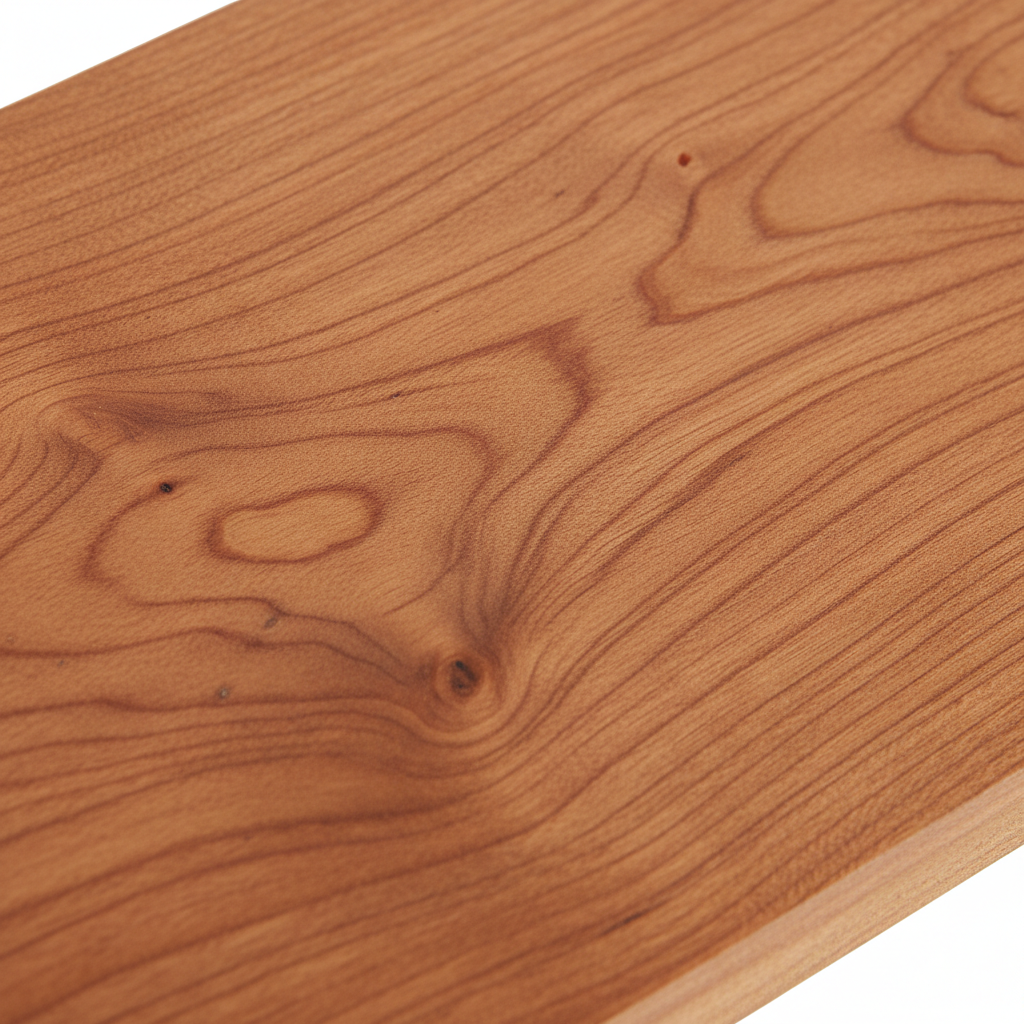
Cherry
Key Takeaways
- Hard maple is a practical choice for light-colored cabinetry and higher indentation resistance; black cherry suits cabinets where warm natural color and its gradual development are priorities.
- Both can make durable kitchen cabinets.
- Construction, finish, moisture conditions and hardware matter alongside species, so there is no universal winner.
- Choose hard maple for a light palette and greater indentation resistance; choose black cherry for warm, evolving natural color.
- Neither is automatically cheaper, waterproof or superior in every kitchen.
| Property | Hard Maple | Cherry |
|---|---|---|
| Species Scope | Hard maple; representative hardness is for sugar maple (Acer saccharum) | American black cherry (Prunus serotina), not Brazilian cherry |
| Representative Side Hardness (~12% Moisture) | Approximately 1,450 lbf for sugar maple | Approximately 950 lbf for black cherry |
| What Hardness Establishes | Greater indentation resistance in the reference comparison; not finish scratch resistance | Lower indentation resistance; not a cabinet service-life rating |
| Color And Aging | Typically light sapwood; wood and finish can become warmer or amber | Heartwood tends to deepen with light and time; pale sapwood differs |
| Stain Behavior | Can absorb stain unevenly; test the complete finish system | Can also blotch; test sealer, color and topcoat on actual stock |
| Painted Cabinets | Common choice with suitable preparation and primer | Can be painted; paying for selected natural color may offer little benefit |
| Movement And Moisture | Allow for cross-grain movement; not waterproof | Allow for cross-grain movement; not waterproof |
| Price Comparison | Obtain a dated quote for equivalent grade, color selection and processing | No automatic price premium; compare usable yield and complete delivered scope |
Hard Maple
Pros
- Higher representative indentation resistance than black cherry
- Light natural palette and fine texture
- Commonly used for painted or clear-finished cabinet components
Cons
- Hard maple cannot be substituted with soft maple without reconsidering properties
- Stain uptake can be uneven
- Wood and finish can amber; color matching still requires samples
Cherry
Pros
- Warm heartwood color develops with time
- Well established for cabinet doors, face frames and furniture
- Good machining and finishing potential with appropriate preparation
Cons
- More readily dented than hard maple in reference hardness tests
- Changing color can complicate later replacement matching
- Sapwood, gum pockets and color variation may require explicit selection rules
Best Use Cases
For a light natural finish or a painted cabinet project, consider hard maple and test the intended finishing schedule. For exposed warm-colored wood, consider black cherry and approve the acceptable heartwood, sapwood and character mix. For either species, specify the door and panel construction, finished dimensions, moisture requirements and finish sample. Do not use species alone to choose an engineered core, countertop assembly or cabinet hardware.
Verdict
Choose hard maple for a light palette and greater indentation resistance; choose black cherry for warm, evolving natural color. Neither is automatically cheaper, waterproof or superior in every kitchen. Compare equivalent construction and finish samples, then use an itemized quote and the finished-part cut list to assess real cost.
Hardness values in the comparison are approximate representative side-hardness values for clear wood at about 12% moisture content, not supplier certifications or cabinet performance tests. Natural variation, grain orientation and moisture affect results.
Which is better for kitchen cabinets?
Choose hard maple when a light palette and greater indentation resistance are priorities. Choose black cherry when you want warm natural color that develops with age. Both can produce durable cabinet doors and face frames. Cabinet construction, finish quality, hardware and moisture control often matter more to long-term performance than species alone. A hardness rating does not measure finish scratch resistance, resistance to spills or the strength of an entire cabinet assembly.
Hard maple is not the same as soft maple
This comparison concerns hard maple, especially sugar maple (Acer saccharum), and American black cherry (Prunus serotina). Hard-maple trade stock can also include black maple (Acer nigrum). Soft maple is a separate commercial group with different properties; a quote that says only “maple” is incomplete. Likewise, Brazilian cherry usually means jatoba, not black cherry. Confirm the actual species or commercial group before comparing prices or accepting substitutions.
Painted, stained and clear-finished cabinetry
Hard maple is commonly selected for painted cabinetry because of its fine texture, but it does not guarantee an invisible grain or a flawless finish. Joint preparation, primer, sanding and seasonal movement still affect the result. Cherry can also be painted, although paying for color-selected cherry may offer little benefit if the grain and color will be concealed. For a natural appearance, compare samples from the proposed material with the complete finish schedule, not bare-wood chips alone.
Blotching, finish tests and color matching
Both species can absorb pigment stain unevenly. Sand consistently and test the proposed sealer, conditioner, dye, glaze or stain on offcuts from the actual batch. Follow finish-system instructions; a conditioner changes stain uptake and may change the intended color. Maple stained cherry-colored will not acquire cherry’s grain or aging behavior. Approve a finished door or representative panel before finishing the full order, especially if existing cabinets need to be matched.
Cherry darkening and maple ambering
Black cherry heartwood normally becomes darker and richer with light exposure and time; pale sapwood behaves differently. Maple and its finish can also become warmer or more amber. Neither has a fixed aging timetable. Light exposure, finish chemistry and initial color influence the result. Samples protected from light can look different from installed doors, and replacement doors made years later may not match immediately. Ask whether sapwood, mineral streaks, gum pockets and color variation are acceptable or restricted.
Solid doors, veneered panels and moisture movement
A solid-wood frame with a floating panel behaves differently from a veneered panel over an engineered core. Specify door construction, panel core and veneer matching rather than assuming every “maple cabinet” is solid hard maple throughout. Solid wood moves across the grain as moisture changes; allow for movement at panels and attachment points. Deliver and install under appropriate service conditions. Neither species is waterproof, and a hardwood label does not make it a suitable countertop around a sink without an appropriate assembly and maintenance plan.
Compare grade against the actual door cut list
NHLA appearance grades describe qualifying clear cuttings, not a guarantee that every board yields a particular wide panel or long stile. A lower grade can be economical for small rails, while larger clear parts may favor a higher grade. Color selection, heartwood requirements, grain matching and finished thickness can change the cost independently of the grade name. Ask how much stock will remain after surfacing and trimming, and compare the same finished dimensions and part quantities for both species.
Price a complete cabinet package
Do not assume cherry is always more expensive or maple always cheaper. Obtain dated, itemized quotes for the same grade, color selection, thickness, milling, delivered quantity and finish scope. Separate solid stock, veneer, engineered cores, hardware, labor and freight. For a hypothetical order, an extra $2 per purchased board foot across 80 board feet adds $160 in material before differences in yield or labor. That arithmetic is not current pricing or a forecast of the cost of a finished kitchen.
What to put in the request for quote
Name hard maple or American black cherry, state the required grade and color selection, and attach a finished-part cut list. Specify rough versus surfaced stock, delivered and finished thickness, allowable sapwood and visible character, moisture requirements and whether panel glue-ups are permitted. For manufactured doors, include the door profile, construction, veneer or solid-panel requirements, finished sample approval and replacement matching expectations. Require written approval before substituting soft maple or a different cherry-named species.
Sources and scope
Prepared from the following references on October 1, 2026. This is source-based purchasing guidance, not a named expert review or an independent cabinet test.