Concrete Pavers: Styles, Patterns & How to Install (2026)
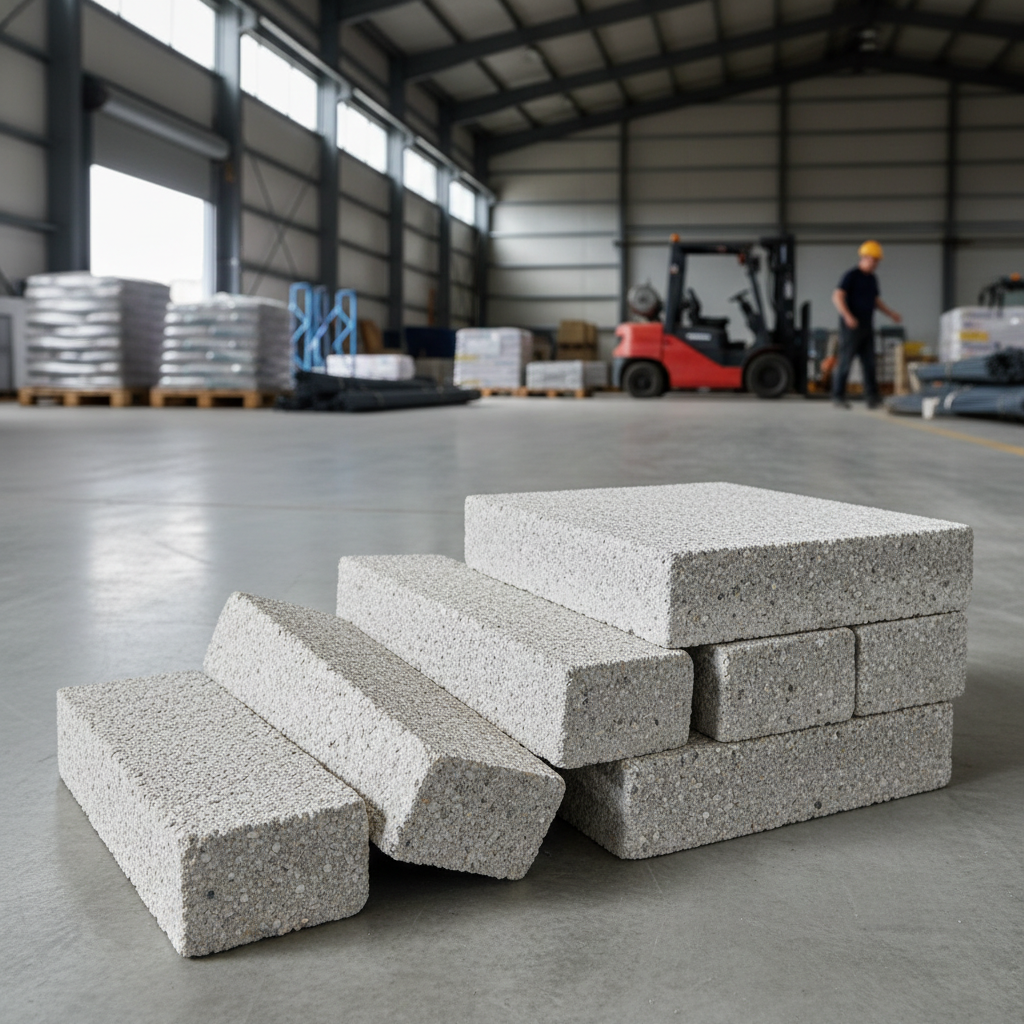
Concrete pavers are interlocking or uniform precast units for patios, walkways, driveways, and pool decks. They come in many shapes, colors, and textures mimicking brick, stone, or geometric patterns. Their modular design allows easy replacement of individual units if damaged.
Key Features
- Interlocking or standard shapes; Wide color and texture range; 8000+ PSI strength; Slip-resistant surface options; Individual unit replacement
Specifications
Applications
- Patios; Walkways; Driveways; Pool decks; Fire pit areas
Installation Overview
Excavate to depth, compact subgrade, lay geotextile, spread and compact 4-6 in gravel base, add 1-inch sand setting bed, lay pavers in pattern, cut edges, sweep polymeric sand into joints, compact with plate compactor.
Pros & Cons
Pros
- ✓ Huge design variety; Easy single-unit repair; Excellent durability; Good drainage between joints; Freeze-thaw resistant
Cons
- ✗ Labor-intensive installation; Can shift without edge restraint; Weeds can grow in joints; Color may fade over time; Uneven settling possible
Top Brands
Code Requirements
Must meet ASTM C936 for interlocking pavers. Driveway applications require 3-1/8 in minimum thickness. Base preparation per ICPI guidelines.
Buying Tips
Order 10% extra for cuts and future repairs. Buy all pavers from the same production lot for consistent color. Choose thicker pavers for vehicle traffic areas.
Frequently Asked Questions
Related Guides
Paver Patio Guide: Types, Cost & Installation
Build a beautiful and durable paver patio.
Read articlePaver Walkway Guide: Cost, Design & Installation
Build a beautiful walkway with this comprehensive paver guide.
Read articlePaver Patio Guide: Cost, Materials & Installation
Design and build the perfect paver patio with this comprehensive guide.
Read article