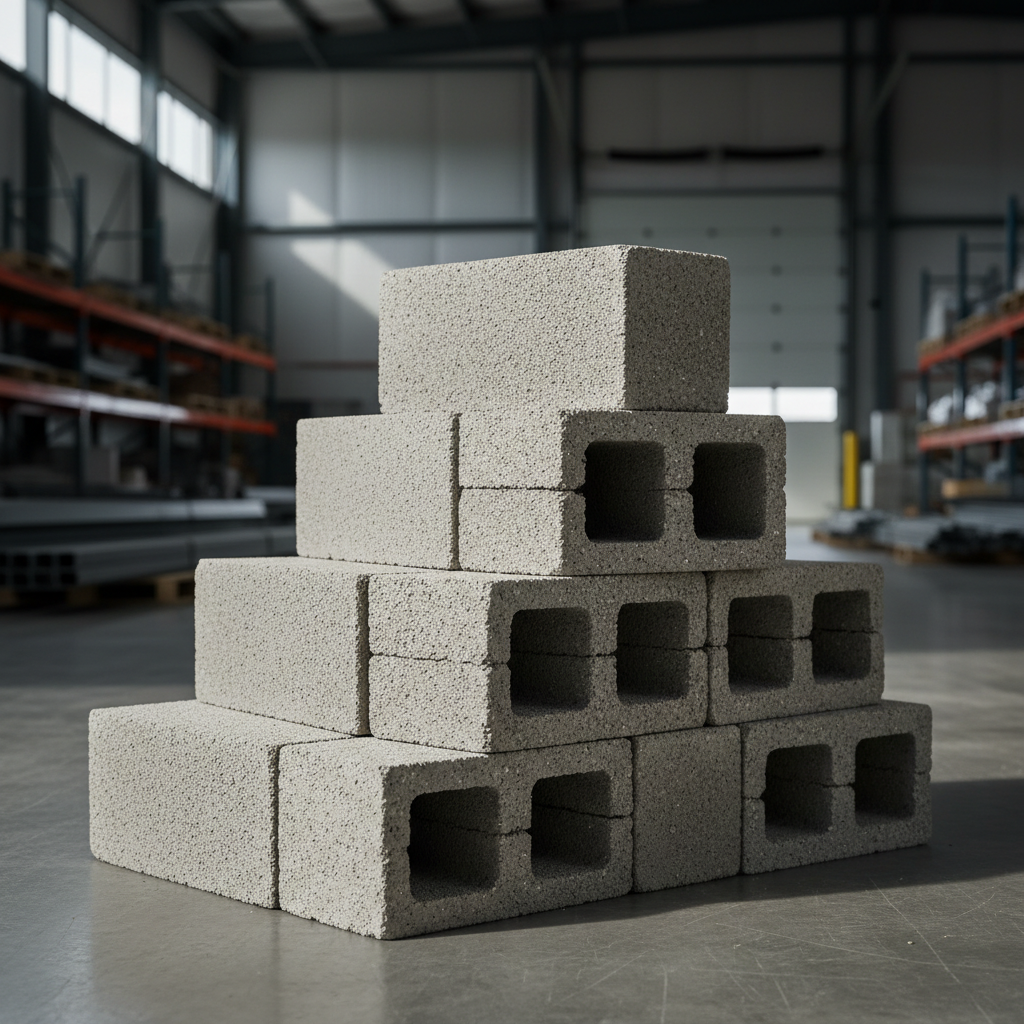
Cinder Blocks: Lightweight Masonry Building Units (2026)
Cinder blocks are lightweight concrete masonry units originally made with coal cinder aggregate. Modern versions use lightweight expanded shale or clay to reduce weight while maintaining adequate strength for non-structural applications. They are popular for garden walls, raised beds, and utility projects.
Key Features
- Lightweight design; Standard 8x8x16 inch size; Easy to cut and modify; Affordable building material; Stackable without mortar for some uses
Specifications
Applications
- Garden walls; Raised bed planters; Utility shelving; Non-structural partitions; Temporary barriers
Installation Overview
For mortared walls, follow standard CMU installation on a concrete footing. For dry-stack garden projects, level the first course on compacted gravel, stack with staggered joints. Fill cores with soil or gravel for stability.
Pros & Cons
Pros
- ✓ Lighter than standard CMU; Very affordable; Versatile for DIY; Easy to stack; Widely available
Cons
- ✗ Lower strength than standard CMU; Not rated structurally in many codes; Absorbs more water; Can crumble at edges; Limited aesthetics
Top Brands
Code Requirements
Lightweight CMU must meet ASTM C90 if used structurally. Many codes restrict lightweight blocks to non-load-bearing applications.
Buying Tips
Inspect for cracks before buying - lightweight blocks chip easily. Hollow cores make excellent planters when filled with soil. Buy locally to avoid shipping costs.
Frequently Asked Questions
Related Guides
Heat Pump Guide: Types, Cost & How They Work
Heat and cool your home efficiently with one system.
Read articleAir Conditioning Guide: Types, Cost & Efficiency
Stay cool and save money on cooling.
Read articleWater Heater Guide: Types, Cost & Replacement
Choose the best water heater for your home.
Read article