Article
Woodworking & Lumber
Wood Stove Guide: Types, Cost, Efficiency & Installation
Lumberama Editorial Team, Wood Heating & Stove Specialists Oct 9, 2026 9 min read
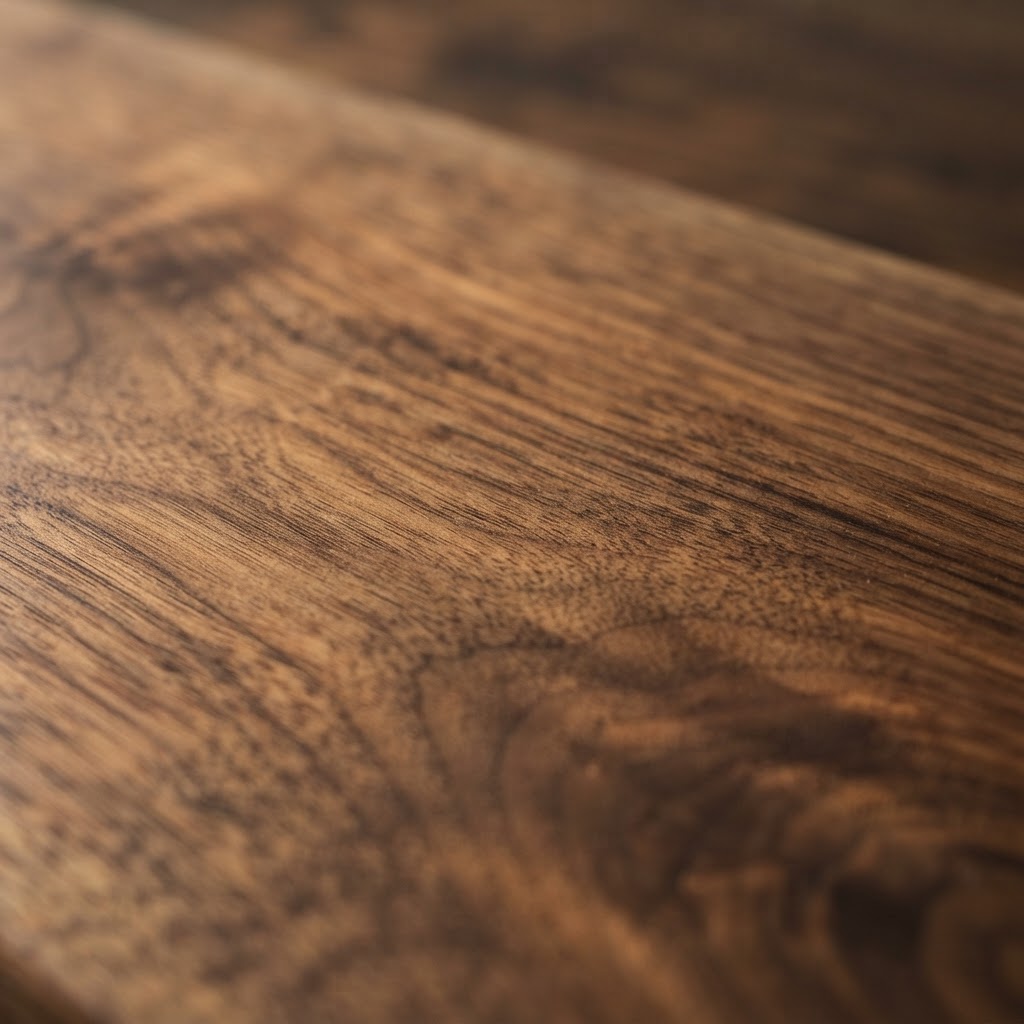
Wood Stove Types
Non-catalytic (most popular): Uses secondary combustion (air injection) for cleaner burn. Simpler operation. Lower maintenance. EPA efficiency: 70-80%. Most brands and models available. Cost: $1,000-$3,000. Best for: most homeowners.
Catalytic: Combustor (like a car's catalytic converter) burns smoke gases. Higher efficiency: 75-85%. Longer, more even heat output. Combustor replacement every 3-6 years ($100-$300). More maintenance. Cost: $1,500-$4,000. Best for: maximum efficiency, experienced burners.
Hybrid (catalytic + non-catalytic): Both combustion systems. Highest efficiency: 80%+. Most expensive. Clean burn at all settings. Cost: $2,000-$5,000.
Soapstone: Stores and radiates heat for hours after fire dies. Even, gentle heat. Beautiful natural stone. Cost: $2,500-$6,000. Heats 10-12+ hours on a single load.
Cast iron vs steel: Cast iron: traditional appearance, radiates heat, retains heat longer. Steel: heats up faster, lighter weight, modern designs available.
Cost
Stove unit: Budget: $800-$1,500. Mid-range: $1,500-$3,000. Premium: $3,000-$6,000+.
Installation: New chimney (interior): $2,000-$5,000. New chimney (exterior): $3,000-$7,000. Chimney liner (into existing chimney): $1,000-$3,000. Hearth pad: $200-$800. Wall protection: $200-$500.
Total installed cost: With new chimney: $3,000-$10,000+. With existing chimney: $2,000-$5,000.
Annual operating cost: Wood (3-5 cords for primary heat): $600-$1,500. Self-harvested wood: $0-$200 (chainsaw fuel/maintenance). Chimney cleaning: $150-$300/year.
Savings: Can reduce heating bill 50-100% for primary heat. ROI: 3-7 years depending on fuel costs and heating needs.
Sizing
Heating capacity by firebox size: Small (under 1.5 cu ft): heats 500-1,000 sq ft. Medium (1.5-2.5 cu ft): heats 1,000-2,000 sq ft. Large (2.5-3.5 cu ft): heats 1,500-3,000 sq ft.
Factors affecting sizing: Climate zone (colder = larger stove). Insulation quality. Ceiling height. Open floor plan vs compartmented. Altitude.
Common mistake: Oversized stove for the space. Results in smoldering fires (damped too low). More creosote buildup. Less efficient. Choose smaller stove and burn hot and clean.
Installation Requirements
Clearances (vary by model): Back wall: 12-36 inches (with/without heat shield). Side wall: 12-36 inches. Combustible ceiling: varies by chimney manufacturer. Floor protection: hearth pad extending 18 inches front, 8 inches sides.
Chimney: Class A insulated chimney for new installations. 6-inch diameter for most stoves (8 inch for large). Minimum 3 feet above roof, 2 feet above anything within 10 feet. Interior chimney preferred (stays warmer, better draft).
Permits: Building permit required in most areas. Insurance company notification required. Some areas require professional installation. Inspection before use recommended.
Frequently Asked Questions
A wood stove costs $800-$6,000 for the unit. Installation adds $2,000-$7,000 depending on chimney needs. Total installed cost: $3,000-$10,000+ with a new chimney or $2,000-$5,000 with an existing chimney. The chimney is typically the biggest installation expense. What size wood stove do I need?
Small stoves (under 1.5 cu ft firebox) heat 500-1,000 sq ft. Medium (1.5-2.5 cu ft) heat 1,000-2,000 sq ft. Large (2.5-3.5 cu ft) heat 1,500-3,000 sq ft. Factor in climate, insulation quality, and ceiling height. Avoid oversizing — a too-large stove leads to smoldering fires and creosote buildup. Is heating with wood cheaper than gas?
Usually yes. Wood heating costs $600-$1,500/year for purchased wood (3-5 cords). If you harvest your own wood, costs drop to near zero. Gas heating averages $500-$1,500/year. Wood stoves typically save 30-50% on heating costs, with faster ROI in areas with cheap or free wood. How often should a wood stove chimney be cleaned?
At least once annually, ideally before heating season. If burning 3+ cords per year, inspect mid-season. Professional cleaning costs $150-$300. Creosote buildup (1/4 inch+) is a chimney fire risk. Burn seasoned hardwood and maintain hot fires to minimize creosote.
Lumberama Editorial Team
Wood Heating & Stove Specialists
Contributor to Lumberama’s reference library. Read our editorial standards and source methodology.
Explore related resources
Where readers of this article usually go next.
Related Articles
Woodworking & Lumber
Wainscoting Guide: Types, Cost & Installation Ideas
Add classic charm and protection to your walls.
Lumberama Editorial Team Nov 28, 2026 7 min

Woodworking & Lumber
Trim & Baseboard Guide: Types, Cost & Installation
Finish your rooms with the perfect trim.
Lumberama Editorial Team Nov 28, 2026 7 min
Woodworking & Lumber
Crown Molding Guide: Types, Cost & Installation
Add elegance to any room with crown molding.
Lumberama Editorial Team Nov 27, 2026 7 min