Wood Stain Colors: Complete Guide to Choosing the Perfect Shade
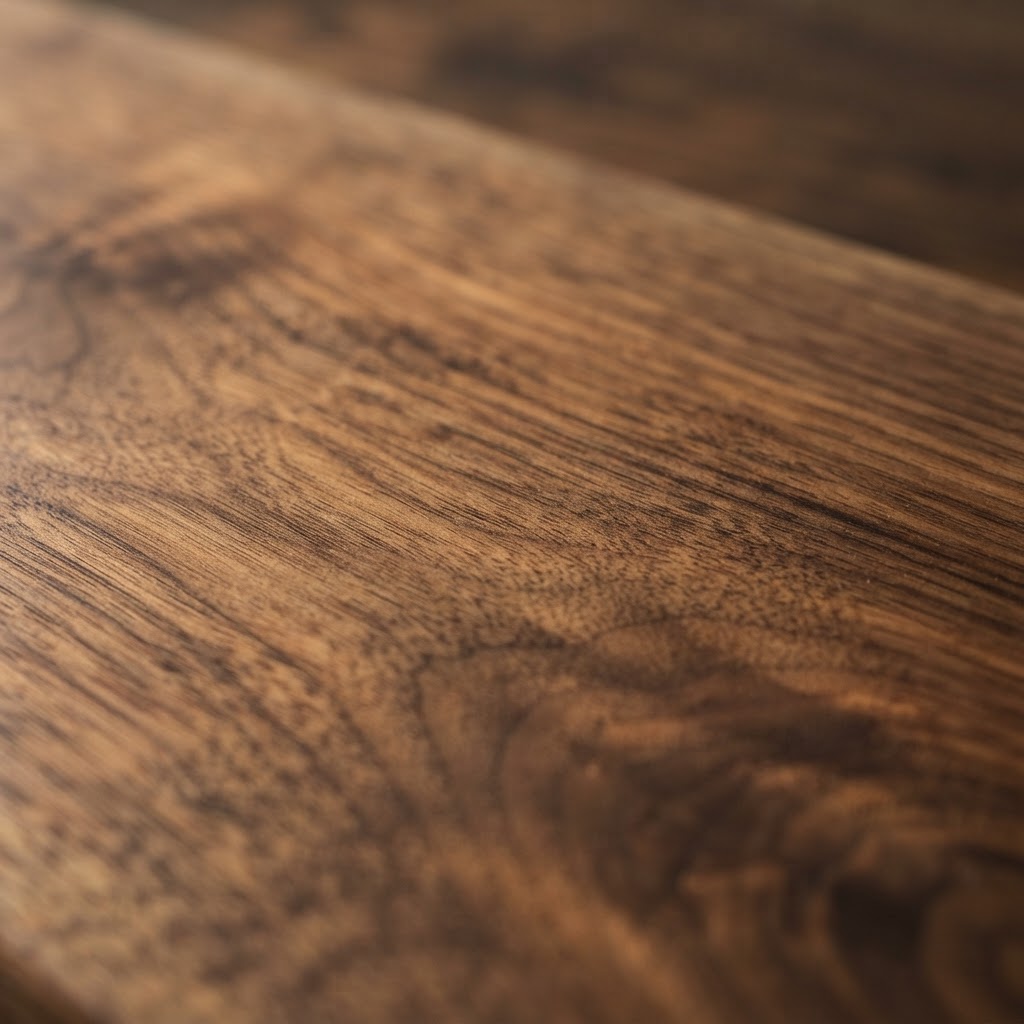
Wood Stain Colors: Complete Guide to Choosing the Perfect Shade
Choosing the right wood stain color can transform a project from ordinary to stunning — or from beautiful to disappointing. With hundreds of stain colors available and each one looking different on every wood species, making the right choice requires understanding how stain colors work, which shades pair best with your wood, and current color trends.
This guide covers the most popular wood stain color families, how they interact with different wood species, and practical tips for selecting the perfect shade for your project.
How Wood Stain Color Works
Unlike paint, which sits on top of the wood surface and completely covers the grain, stain penetrates into the wood fibers and enhances the natural grain pattern. This means the final color depends on three factors: the stain color itself, the wood species being stained, and the number of coats applied.
The same stain color will look dramatically different on pine versus oak versus maple. That's why testing on a scrap piece of your actual project wood is essential before committing to a color.
Popular Wood Stain Color Families
Natural and Clear Tones
Natural stains enhance the wood's inherent color without dramatically changing it. They bring out the grain pattern and add warmth while preserving the wood's authentic look. Popular options include natural, golden pecan, and honey.
Best on: Oak, walnut, cherry, teak — woods with beautiful natural coloring
Use for: Mid-century modern furniture, Scandinavian design, showcasing premium wood species
Golden and Honey Tones
Golden stains add warm, amber undertones that make wood feel inviting and sun-kissed. Colors like golden oak, colonial maple, and honey are timeless choices that work with almost any decor style.
Best on: Oak, pine (with conditioner), ash, hickory
Use for: Traditional interiors, kitchen cabinets, hardwood floors, warm-toned rooms
Brown Tones
Brown stains are the most versatile and popular category. From light provincial to dark walnut, brown tones work in virtually every setting. This family includes provincial, special walnut, English chestnut, dark walnut, and jacobean.
Best on: Oak (spectacular grain contrast), poplar, pine (with conditioner)
Use for: Hardwood floors, furniture, trim, doors, cabinets
Red and Warm Tones
Red-toned stains like sedona red, red mahogany, and red oak add richness and warmth. They complement traditional and formal decor styles and pair beautifully with warm lighting.
Best on: Mahogany, oak, cherry, poplar
Use for: Formal dining furniture, traditional cabinetry, doors, mantels
Gray Tones
Gray stains have surged in popularity with the rise of modern farmhouse and coastal design styles. Options range from classic gray and weathered oak to silvered gray and driftwood.
Best on: Oak (the grain really pops), ash, hickory
Use for: Modern farmhouse, coastal, Scandinavian, contemporary interiors, accent walls
Dark and Espresso Tones
Dark stains like ebony, true black, dark walnut, and espresso create bold, dramatic statements. They work especially well on oak, where the dark stain fills the grain pores to create striking contrast.
Best on: Oak, ash, hardwoods with prominent grain
Use for: Modern interiors, accent pieces, statement furniture, dramatic contrast
White and Whitewash Tones
White stain (or whitewash) creates a light, airy look that lets the wood grain show through with a pale, bleached appearance. Perfect for coastal, shabby chic, and Scandinavian styles.
Best on: Oak, pine, ash
Use for: Coastal interiors, furniture upcycling, accent walls, shabby chic style
How Stain Colors Look on Different Woods
Oak
Oak is the best wood for showing stain color because its open grain absorbs stain deeply in the pores while the harder grain between pores stays lighter, creating beautiful contrast. Almost every stain color looks great on oak.
Pine
Pine absorbs stain unevenly, creating a blotchy appearance without pre-stain conditioner. Lighter stain colors (natural, golden) work better on pine than dark colors, which tend to highlight the blotchiness. Gel stains produce the most even results on pine.
Maple
Maple is very dense and doesn't absorb stain well. Light stain colors work better than dark ones. Dark stains on maple tend to look muddy and uneven. Consider using dye stain or gel stain for the most uniform color.
Cherry
Cherry has a natural reddish-pink tone that deepens dramatically over time with UV exposure. Light stains and natural finishes work best — dark stains can look muddy on cherry. Many woodworkers prefer to simply apply a clear finish and let cherry develop its famous patina naturally.
Walnut
Walnut has such rich, dark natural coloring that heavy staining is rarely needed. A natural or clear finish showcases walnut's beauty. If you want to even out the color between heartwood and sapwood, a light brown stain can help blend the tones.
Poplar
Poplar has a greenish tint that can affect stain color. It takes stain fairly well but the green undertone can make some stain colors appear slightly off. Darker stains mask the green effectively. Poplar is often used as a paint-grade wood.
Stain Color Selection Tips
Match Your Existing Decor
Consider the room's wall color, flooring, and other wood tones when choosing a stain. As a general rule, warm wall colors pair well with warm stain tones (golden, brown, red), while cool wall colors pair with cool stain tones (gray, weathered, whitewash).
Consider the Lighting
Stain color shifts dramatically under different lighting. Warm incandescent light makes brown and red stains appear richer, while cool LED or fluorescent light can make the same stain look flat. Test your stain sample under the actual lighting conditions where the project will live.
Think About the Room Size
Light stain colors make spaces feel larger and more open. Dark stains create a cozy, intimate atmosphere but can make small rooms feel smaller. For small rooms, lighter stains are generally a safer choice.
Test Before Committing
Always apply test samples on scrap wood from the same species as your project. Apply one coat and two coats to see the color range. View the samples at different times of day under natural and artificial light. This small investment of time prevents expensive mistakes.
Current Color Trends (2025-2026)
The biggest stain color trends right now include natural and light finishes that showcase the wood grain, warm honey and amber tones replacing the gray wash trend, dark dramatic stains (ebony, espresso) for accent pieces and statement furniture, two-tone combinations pairing dark bases with light tops, and matte finishes rather than high-gloss for a contemporary look.
Frequently Asked Questions
Q: Can you mix two stain colors together?|A: Yes, you can mix stain colors within the same product line and base type (oil with oil, water with water). This is a great way to create a custom color. Mix in a separate container, stir thoroughly, and test on scrap wood. Keep notes on your ratio so you can recreate the exact color if needed.
Q: How do you match existing wood stain color?|A: Matching an existing stain is challenging because wood darkens with age and UV exposure. Start by identifying the wood species, then test several stain colors on a scrap of the same wood. You may need to mix colors or apply different numbers of coats to achieve a match. Taking a sample to a paint store for computer color matching can also help.
Q: Does wood stain color darken over time?|A: The stain color itself is stable, but the wood underneath continues to change with UV exposure. Light-colored woods like pine and maple darken (yellow/amber shift), while some woods like cherry deepen dramatically. A UV-protective topcoat slows this natural aging process.
Q: What wood stain color is best for hardwood floors?|A: The most popular hardwood floor stain colors are provincial, special walnut, and dark walnut for traditional homes, and natural, white oak, and classic gray for modern homes. The best choice depends on your decor, lighting, and lifestyle — lighter stains show less dust and scratches than dark stains.
Q: How many coats of stain should I apply?|A: Most projects look best with 1-2 coats. One coat provides a lighter, more natural look. Two coats deepen the color significantly. Three or more coats rarely improve the appearance and can create a muddy, over-saturated look. Always let each coat dry completely before applying the next.
Finishing resources
Where readers of this article usually go next.
Related Articles

Wainscoting Guide: Types, Cost & Installation Ideas
Add classic charm and protection to your walls.

Trim & Baseboard Guide: Types, Cost & Installation
Finish your rooms with the perfect trim.

Crown Molding Guide: Types, Cost & Installation
Add elegance to any room with crown molding.