Wood Lathe Basics: Turning Your First Bowl, Spindle & Pen
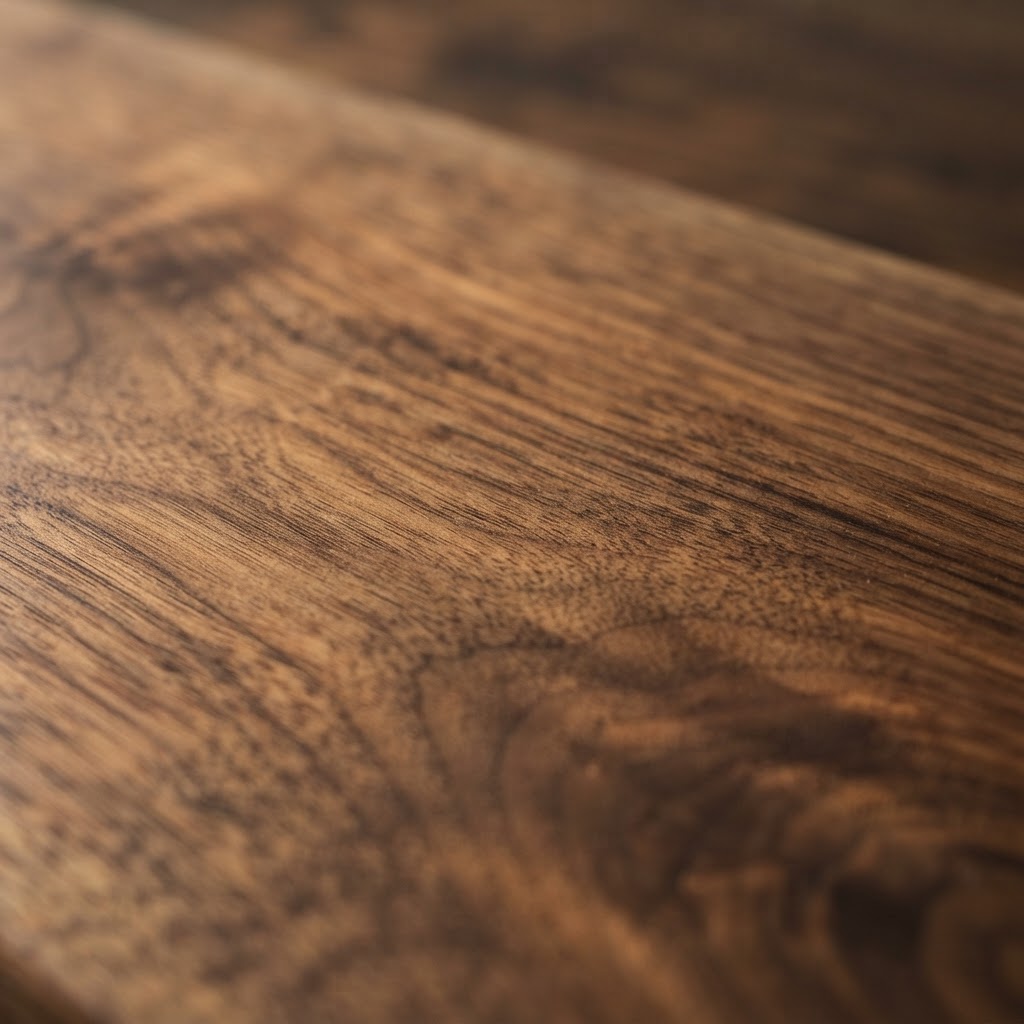
Lathe Anatomy
Headstock: The powered end. Contains the motor and spindle that spins the workpiece. The spindle has a threaded nose for mounting chucks, faceplates, and drive centers.
Tailstock: The adjustable end. Slides along the bed and locks in position. Holds a live center that supports the other end of the workpiece. Retracts for bowl turning when you only need headstock mounting.
Bed: The horizontal bar connecting the headstock and tailstock. Lathe size is described by "swing" (the maximum diameter that can spin over the bed) and "between centers" (the maximum length between headstock and tailstock). A 12" x 36" lathe can turn a 12" diameter bowl and a 36" long spindle.
Tool rest: The adjustable bar you brace your tools against while turning. Positioned close to the workpiece and moved as the diameter changes. The tool rest is your fulcrum — it should always be close to the cutting point.
Speed: Variable speed is essential. Large bowls spin slowly (300-800 RPM). Small spindles and pens spin fast (1,500-3,500 RPM). The general rule: the larger the diameter, the slower the speed. If the lathe vibrates, slow down.
Essential Turning Tools
Spindle roughing gouge: The first tool you use. Turns a square blank into a cylinder. Large, deep flute. Used ONLY for spindle turning between centers — never for bowl turning (it can catch and break).
Spindle gouge: A smaller gouge with a shallower flute for shaping beads, coves, and details on spindles. The workhorse of spindle turning.
Bowl gouge: Deep, U-shaped flute designed for face-grain bowl turning. Available in various flute profiles (traditional, swept back/"fingernail" grind). The primary tool for bowl turning.
Parting tool: A narrow, straight tool for cutting grooves, sizing tenons, and parting (cutting off) finished workpieces.
Skew chisel: A flat chisel ground at a skew angle. Produces the smoothest surface on spindle work. Also the most challenging tool to master — catches are dramatic. Learn the others first.
Spindle Turning (Your First Project)
What it is: The wood grain runs parallel to the lathe axis. The blank is held between the headstock drive center and the tailstock live center. Used for table legs, tool handles, candlesticks, and any cylindrical object.
Start here: Mount a square blank (2x2 or 3x3 hardwood, 12-18" long) between centers. Set the tool rest close to the corners. Start at low speed. Use the roughing gouge to round the blank into a cylinder. Once round, increase speed and practice making beads (convex bumps) and coves (concave hollows) with the spindle gouge.
Key technique: Always cut "downhill" on spindles — from larger diameter to smaller diameter. Cutting uphill tears the grain.
Bowl Turning
What it is: The wood grain runs perpendicular to the lathe axis. The blank is mounted on the headstock only (via a faceplate or chuck). The tailstock may support the blank initially but is removed when hollowing.
Mounting: Start by mounting a blank to a faceplate with screws. Turn the outside shape and cut a tenon on the bottom. Then reverse-mount onto a scroll chuck gripping the tenon. Now hollow the inside.
Wood selection: Hardwoods with interesting grain make the best bowls — cherry, maple, walnut, ash. Green (freshly cut) wood is easier to turn but will warp as it dries (which can be a design feature). Kiln-dried wood stays true but is harder to cut.
Key technique: Always cut from the rim toward the center on the inside of the bowl (going downhill relative to the grain). Going the other direction tears end grain and causes catches.
Pen Turning
What it is: The easiest turning project. A pen kit ($3-$10) provides the brass tubes, mechanism, clip, and nib. You turn two small wood blanks to fit over the brass tubes, then assemble the pen. One blank can be turned and finished in 15 minutes.
Materials: Pen blanks are small (3/4" x 3/4" x 5-6"). Exotic woods, acrylics, and stabilized burls are popular. A single board foot of exotic wood produces dozens of pen blanks.
Setup: Drill the blank, glue in the brass tube, mount on a mandrel between centers, turn to shape with a skew or spindle gouge, sand through grits, apply finish (CA glue finish is popular for pens), and press-assemble the hardware.
Safety
Always wear a face shield (not just safety glasses). Blanks can come off the lathe and fly at your face. A full face shield is mandatory.
Remove loose clothing and tie back long hair. Anything that can wrap around a spinning workpiece will pull you in.
Check the blank before turning on the lathe. Inspect for cracks, loose bark, and defects that could cause the blank to fly apart. Spin it by hand to verify clearance before powering up.
Start slow. Always start at the lowest speed and increase gradually. If the lathe vibrates, slow down. Large, unbalanced blanks at high speed are dangerous.
Choosing Your First Lathe
- Midi lathe (12" swing, variable speed): The best choice for most beginners. Handles bowls up to 12", spindles up to 16-20". Compact enough for a small shop. $300-$
- 7
- 0
- Brands: Nova Comet II, Jet 1221VS, Rikon 70-220VSR.
Full-size lathe (16"+ swing): For serious turners who want to turn large bowls and long spindles. $800-$2,000+. More capacity but takes more shop space.
- Mini lathe (10" swing): Good for pen turning and small projects. Under $
- 2
- 0
- Very limited for bowl turning. A good starter if budget is tight and you primarily want to turn pens.
Frequently Asked Questions
Lumberama Editorial Team
Woodturning & Lathe Technique Specialists
Contributor to Lumberama’s reference library. Read our editorial standards and source methodology.
Explore related resources
Where readers of this article usually go next.
Related Articles
Wainscoting Guide: Types, Cost & Installation Ideas
Add classic charm and protection to your walls.

Trim & Baseboard Guide: Types, Cost & Installation
Finish your rooms with the perfect trim.
Crown Molding Guide: Types, Cost & Installation
Add elegance to any room with crown molding.