Water Softener Guide: How They Work, Types & Cost
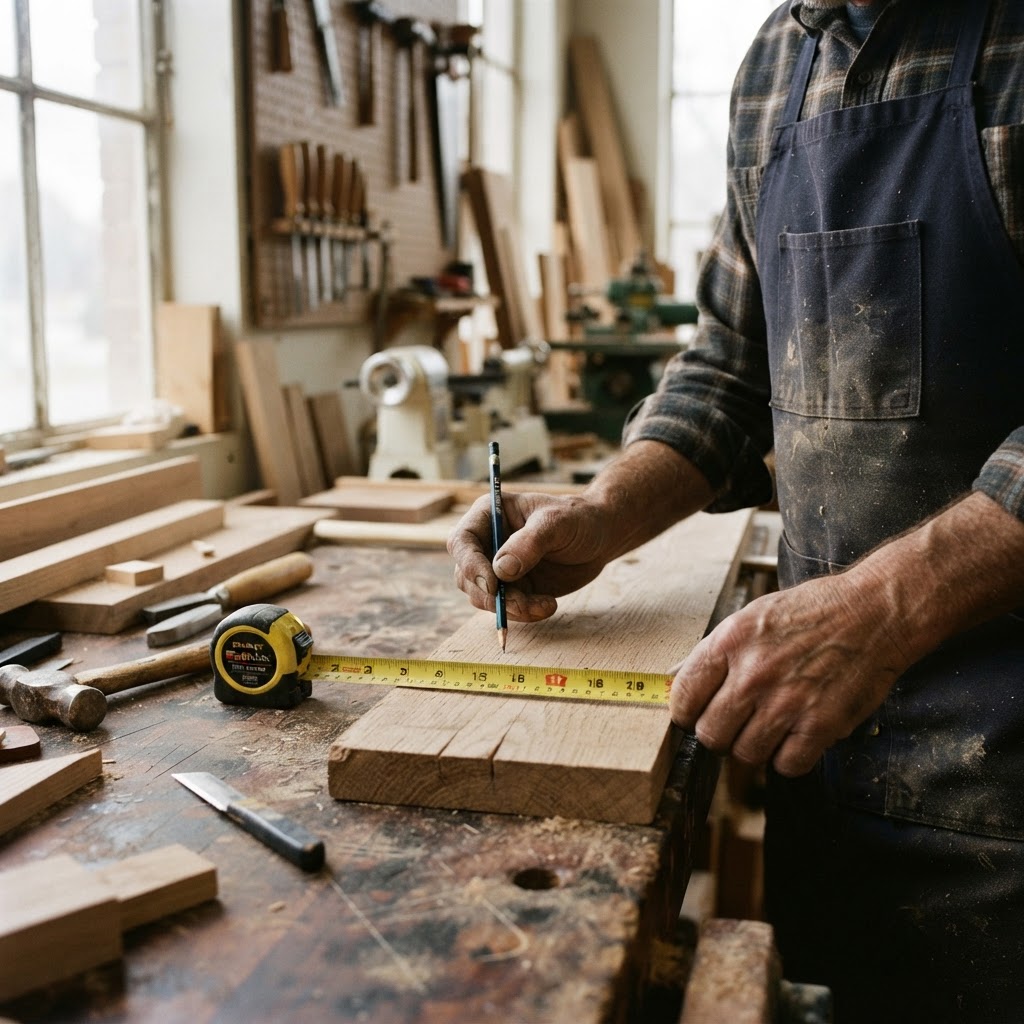
What Is Hard Water
Hard water contains high concentrations of dissolved minerals, primarily calcium and magnesium. It is measured in grains per gallon (GPG) or parts per million (PPM). Soft: 0-3.5 GPG. Moderate: 3.5-7 GPG. Hard: 7-10.5 GPG. Very hard: 10.5+ GPG. About 85% of American homes have hard water. Signs: white chalky buildup (limescale) on faucets, showerheads, and fixtures; spots on dishes and glassware; dry skin and dull hair after showering; soap that does not lather well; stiff laundry; and scale buildup inside water heaters, pipes, and appliances (reducing their efficiency and lifespan).
How Water Softeners Work
Ion exchange (salt-based): The most common and most effective type. Hard water flows through a tank filled with resin beads charged with sodium ions. The resin beads attract and hold calcium and magnesium ions, releasing sodium ions in exchange. Result: soft water. When the resin beads are saturated, the system regenerates (flushes with a brine solution from the salt tank to recharge the beads). This cycle repeats automatically (typically every few days, based on water usage). The system requires regular addition of salt (40-80 lbs per month, $5-$10/bag).
Types
Sizing
Water softener size is based on your household's daily water usage and water hardness. Formula: people in household × gallons per day (average 75 gallons/person) × grains of hardness = daily softening requirement. Multiply by 7 (days between regeneration) = grain capacity needed. Example: 4 people × 75 gallons × 10 GPG hardness = 3,000 grains/day × 7 = 21,000 grain capacity. Common sizes: 24,000 grain (2-3 people), 32,000 grain (3-4 people), 48,000 grain (4-6 people), 64,000 grain (6+ people or very hard water).
Installation
A water softener is installed on the main water supply line, typically in the garage, basement, or utility room. It connects to the incoming water line (before the water heater) and to a drain (for regeneration wastewater). Professional installation: $200-$500 (plus the unit). DIY installation: possible for handy homeowners with basic plumbing knowledge (requires cutting into the main water line, installing bypass valves, and connecting to a drain).
Costs
Frequently Asked Questions
Lumberama Editorial Team
Water Treatment & Plumbing Specialists
Contributor to Lumberama’s reference library. Read our editorial standards and source methodology.
Wood properties and behavior
Where readers of this article usually go next.
Related Articles

Wainscoting Guide: Types, Cost & Installation Ideas
Add classic charm and protection to your walls.

Trim & Baseboard Guide: Types, Cost & Installation
Finish your rooms with the perfect trim.
Crown Molding Guide: Types, Cost & Installation
Add elegance to any room with crown molding.