Vinyl Plank Flooring: Complete Guide to LVP Types, Costs & Installation
What Is Vinyl Plank Flooring?
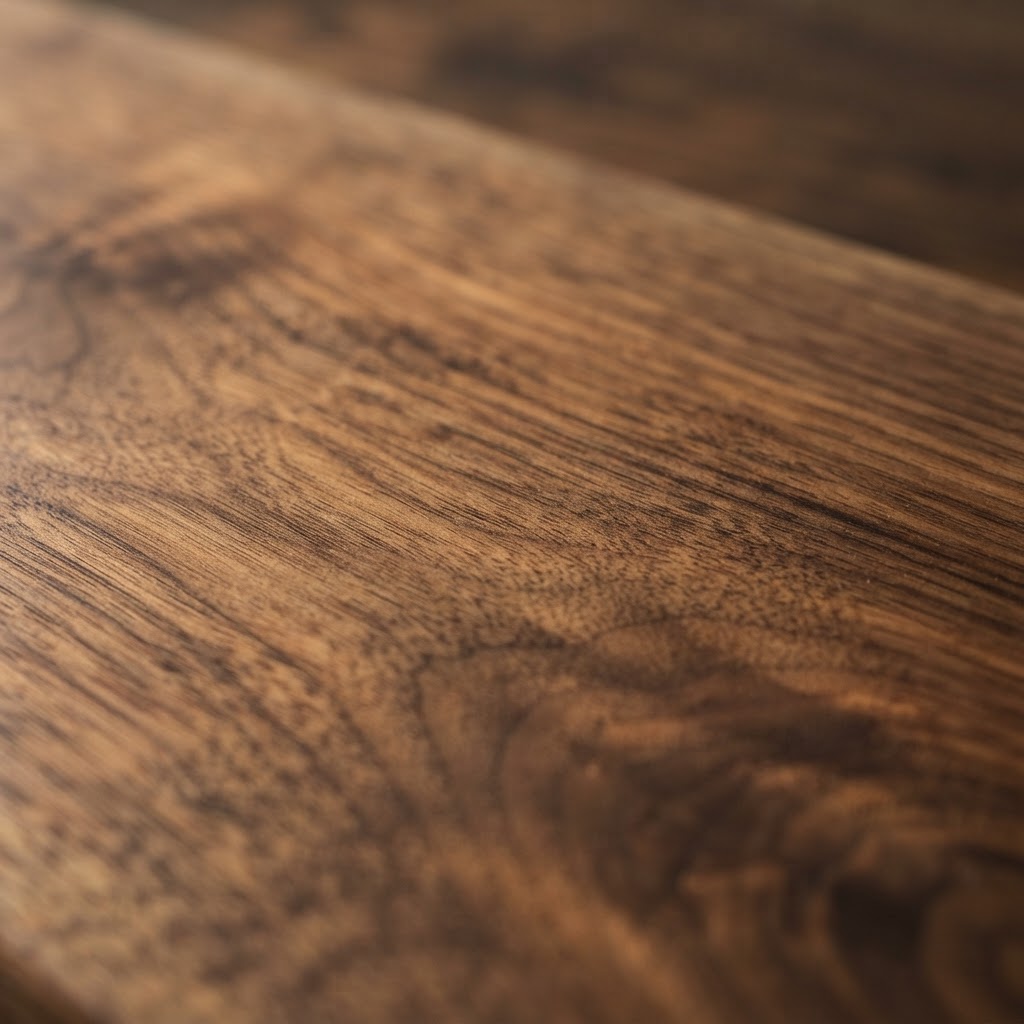
Vinyl plank flooring (also called luxury vinyl plank or LVP) is a synthetic flooring product designed to mimic the look of real hardwood at a fraction of the cost. Unlike sheet vinyl or vinyl composition tile (VCT) used in commercial buildings, modern luxury vinyl plank features realistic wood-grain textures, individual plank formats, and click-lock installation systems that make it look and install much like laminate or engineered hardwood.
The key advantage of vinyl plank over laminate is waterproof performance. Because vinyl is inherently impervious to water, LVP can be installed in bathrooms, kitchens, laundry rooms, and basements where laminate and hardwood would be risky. This single advantage has made vinyl plank the fastest-growing flooring category in North America, overtaking laminate in sales volume since 2020.
Types of Vinyl Plank Flooring
SPC (Stone Plastic Composite)
SPC vinyl plank has a rigid core made from limestone powder mixed with PVC and stabilizers. The result is an extremely dense, rigid plank that resists dents, doesn't expand or contract significantly with temperature changes, and feels solid underfoot. SPC is the most popular core type in 2026 for several reasons: it's dimensionally stable (can handle temperature swings in sunrooms and near sliding glass doors), it hides minor subfloor imperfections better than WPC, and it's generally more affordable.
Best for: Basements, kitchens, bathrooms, sunrooms, and over concrete subfloors. Also excellent for rental properties and commercial spaces.
Typical cost: $2.00–$5.00 per sq ft for materials.
WPC (Wood Plastic Composite)
WPC vinyl plank has a core made from wood flour (fine wood powder) mixed with PVC and foaming agents. The foamed core creates a thicker, softer plank that provides better sound insulation and more cushion underfoot than SPC. WPC was the original rigid-core luxury vinyl format and remains popular for living areas where comfort matters most.
Best for: Living rooms, bedrooms, and family rooms where comfort underfoot is a priority. Good for upper-level installations where sound transmission to rooms below is a concern.
Typical cost: $3.00–$7.00 per sq ft for materials.
Flexible LVP (Glue-Down)
Traditional flexible vinyl plank has no rigid core — it's a thinner, more pliable product that's typically glued directly to the subfloor. Flexible LVP conforms to the subfloor surface, so it requires a very smooth, flat surface. It's thinner (2mm–4mm) than rigid-core products (5mm–8mm) and works well under heavy furniture and in commercial applications where a rigid product might crack under point loads.
Best for: Commercial installations, over radiant heating systems, and situations where floor height is critical. Requires very flat subfloor preparation.
Typical cost: $1.50–$4.00 per sq ft for materials, plus adhesive ($0.30–$0.50/sq ft).
Vinyl Plank Flooring Costs (2026)
Budget tier ($1.50–$2.50/sq ft): Thinner SPC or flexible LVP, 12-mil wear layer, basic wood-look prints. Functional but may look less realistic. Good for rentals, utility rooms, and tight budgets.
Mid-range ($2.50–$5.00/sq ft): 20-mil wear layer SPC with EIR textures, decent underlayment, and realistic wood patterns. The sweet spot for most homeowners balancing quality and cost.
Premium ($5.00–$8.00/sq ft): Thick WPC or SPC with 28-mil or 40-mil wear layer, attached premium underlayment, beveled edges, and the most realistic textures. Some premium lines feature hand-scraped textures that rival real hardwood in appearance.
Professional installation: $1.50–$3.50/sq ft for labor. Click-lock rigid-core is faster (cheaper) to install than glue-down.
Total project cost example: A 500 sq ft living area with mid-range SPC vinyl plank runs approximately $1,500–$3,000 for materials and $2,250–$4,750 installed professionally.
Installation Guide: How to Install Click-Lock Vinyl Plank
Subfloor preparation: Vinyl plank is more forgiving than laminate but still requires a reasonably flat, clean subfloor. For rigid-core (SPC/WPC), the subfloor should be flat within 3/16 inch over 6 feet. Fill low spots with patching compound and scrape or sand high spots. Remove baseboards and undercut door casings.
Acclimation: Most vinyl plank manufacturers require 48 hours of acclimation in the installation room, though SPC is less affected by temperature changes than WPC or laminate.
Layout planning: Dry-lay one full row to plan your pattern. Stagger end joints by at least 6 inches (12 inches preferred). Calculate the last row width — if it would be less than 1/3 plank width, adjust the first row by ripping it narrower.
First row: Start along the longest, most visible wall. Cut the tongue off the wall-side edge for a flush fit. Place 1/4-inch spacers against the wall for expansion gaps. Click planks together end-to-end along the first row.
Subsequent rows: Angle the long edge of each plank into the previous row at approximately 20 degrees, then press down to engage the click-lock mechanism. Some systems require tapping with a rubber mallet and tapping block. Work left to right, staggering joints.
Cutting: Vinyl plank can be cut with a utility knife (score and snap), a miter saw, or a specialized vinyl plank cutter. For curved cuts around toilets and obstacles, use a jigsaw with a fine-tooth blade or a multi-tool.
Finishing: Install transition strips at doorways, T-molding where vinyl meets other flooring, and reinstall baseboards to cover expansion gaps. Caulk around bathtubs, toilets, and other fixtures if installed in wet areas.
Vinyl Plank vs Laminate vs Hardwood
Waterproof performance: Vinyl plank wins decisively. LVP is 100% waterproof and can be submerged without damage. Laminate's HDF core swells with water exposure. Hardwood warps and cups when wet. For bathrooms, kitchens, and basements, vinyl plank is the clear choice.
Scratch resistance: Vinyl plank's wear layer provides excellent scratch resistance, especially with 20-mil or thicker wear layers. Laminate's aluminum oxide layer is also very scratch-resistant. Hardwood scratches most easily but can be refinished.
Comfort: WPC vinyl plank is the most comfortable underfoot of the three. Hardwood with area rugs is also comfortable. Laminate can feel hard and hollow without quality underlayment.
Realistic appearance: High-end products in all three categories look excellent. Side by side, real hardwood still wins for depth and authenticity. Premium vinyl and laminate are very close, with vinyl's embossed textures often slightly more convincing than laminate because the vinyl surface has more depth.
Longevity: Hardwood lasts 50–100+ years with refinishing. Vinyl plank lasts 15–25 years. Laminate lasts 15–25 years. Hardwood offers the best long-term value but at significantly higher upfront cost.
Environmental impact: Hardwood from certified sustainable forests is the most eco-friendly option. Vinyl plank is a petroleum-based product, though many manufacturers now offer recycled-content and low-VOC options. Laminate falls in between.
Best Rooms for Vinyl Plank Flooring
Bathrooms: The #1 application for vinyl plank. Waterproof, comfortable underfoot on bare feet, easy to clean, and available in beautiful tile and wood looks.
Kitchens: Excellent choice — handles spills, dropped dishes, and heavy foot traffic. More comfortable for standing than tile.
Basements: Ideal for below-grade installations. SPC vinyl plank handles concrete moisture better than any wood-based product. Won't grow mold if the basement floods.
Laundry rooms: Waterproof performance handles washer leaks and spills without damage.
Living rooms and bedrooms: WPC vinyl plank provides comfort and warmth for main living areas. Premium options look sophisticated enough for formal spaces.
Maintenance and Care
Vinyl plank flooring is extremely low-maintenance. Sweep or vacuum regularly (avoid beater bars on thin LVP). Damp mop with warm water or a vinyl-specific floor cleaner. Never use abrasive cleaners, steel wool, or wax-based products. Place felt pads under furniture and avoid dragging heavy appliances across the surface. While vinyl plank handles water beautifully, avoid using steam mops — the extreme heat can damage the adhesive between layers and cause planks to warp or delaminate.
Frequently Asked Questions
Lumberama Editorial Team
Flooring & Building Materials Experts
Contributor to Lumberama’s reference library. Read our editorial standards and source methodology.
Continue researching flooring
Where readers of this article usually go next.
Related Articles

Flooring Guide: Types, Cost & Best Rooms for Each Material
Choose the right flooring for every room based on cost, durability, and style.
Carpet Guide: Types, Cost & How to Choose
Find the perfect carpet for your home with this comprehensive guide.
Laminate Flooring Guide: Cost, Pros and Cons & Installation
Get an affordable wood look with laminate flooring.