Treated Lumber Types Explained: ACQ, CA-C, MCA & Ground Contact Ratings
How Pressure Treatment Works
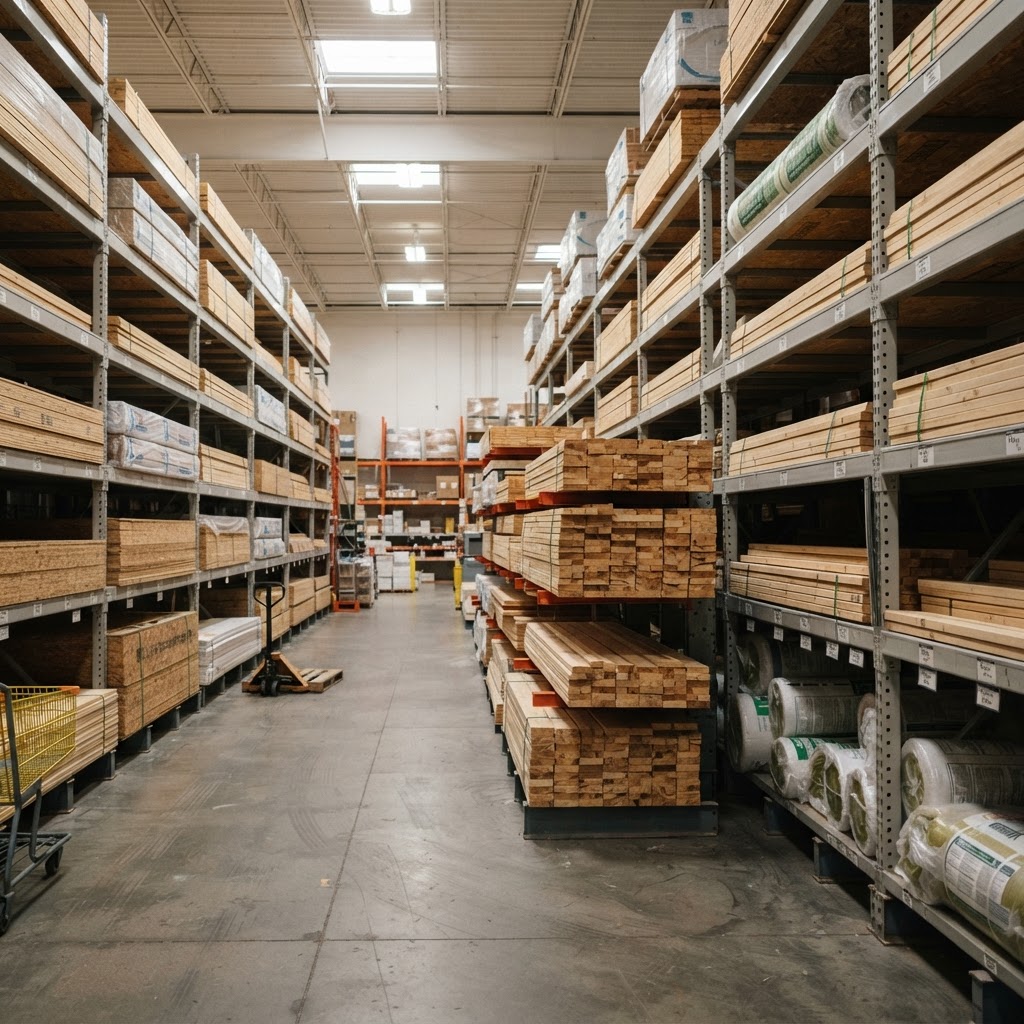
Pressure treatment forces chemical preservatives deep into the wood's cellular structure using a combination of vacuum and pressure in a sealed cylinder. The wood is loaded into the treatment cylinder, a vacuum removes air from the wood cells, preservative solution fills the cylinder, and high pressure (150-200 PSI) forces the solution into the wood. The process takes 2-4 hours. The result: preservatives penetrate the outer 1-2 inches of the wood (the sapwood absorbs treatment readily; heartwood resists penetration).
The preservatives make the wood toxic to the fungi and insects that cause decay. Properly treated wood can last 40+ years in ground-contact applications — far longer than untreated wood, which typically rots within 1-5 years in soil contact.
Modern Preservatives
ACQ (Alkaline Copper Quaternary): The most common residential treatment. Contains copper (which kills fungi and some insects) and a quaternary ammonium compound (which kills copper-tolerant organisms). ACQ-treated wood has a greenish-brown color when fresh that weathers to gray. ACQ is the standard treatment at most home centers (Home Depot, Lowe's). It's safe for residential use, playground equipment, and garden beds. The high copper content means ACQ is corrosive to standard galvanized fasteners — use hot-dipped galvanized (HDG), stainless steel, or ACQ-rated fasteners.
CA-C (Copper Azole Type C): Contains copper and tebuconazole (a fungicide also used in agriculture). CA-C is functionally equivalent to ACQ for residential applications. Slightly less corrosive to fasteners than ACQ due to lower copper content. Some manufacturers prefer CA-C because it's easier on processing equipment.
MCA (Micronized Copper Azole): A newer formulation that uses microscopic copper particles instead of dissolved copper. MCA-treated wood has a cleaner appearance (less green discoloration), is less corrosive to fasteners, and dries faster than ACQ. MCA is becoming increasingly popular and is available at many lumber dealers. The micronized copper particles are less mobile in the environment than dissolved copper.
Use Categories (UC)
The American Wood Protection Association (AWPA) classifies treated lumber into Use Categories based on the exposure conditions. Each category specifies the minimum preservative retention level required.
UC3A (Above Ground, Coated): Wood that's above ground, protected from rain by a roof or overhang, and coated with a finish. Lowest retention level. Example: covered deck framing, porch ceiling boards.
UC3B (Above Ground, Uncoated): Wood that's above ground but exposed to weather. Higher retention than UC3A. Example: deck boards, railings, pergola rafters, fence pickets. This is the most common residential treatment level.
UC4A (Ground Contact, General Use): Wood in contact with the ground or fresh water. Significantly higher retention than UC3B. Example: fence posts, landscaping timbers, deck posts, playground structures. Use UC4A for any wood that touches or is embedded in soil.
UC4B (Ground Contact, Heavy Duty): Wood in critical structural applications with ground contact. Higher retention than UC4A. Example: permanent wood foundation posts, utility poles (lower portion), agricultural structures.
UC4C (Ground Contact, Extreme Duty): Wood in extreme conditions: salt water splash, heavy insect exposure, or tropical environments. Highest retention level. Example: marine piling in brackish water, wood in extremely challenging decay environments.
Important Rules
Cut ends must be treated: When you cut pressure-treated wood, the cut end exposes untreated wood from the interior. Brush or dip the cut end with end-cut preservative (copper naphthenate, sold as "cut-end treatment" at home centers) to maintain protection.
Fastener compatibility: ACQ and CA-C are highly corrosive to standard galvanized fasteners. Use hot-dipped galvanized (HDG), stainless steel (Type 304 or 316), or fasteners specifically rated for ACQ/CA-C treated wood. Using the wrong fasteners causes premature corrosion, black staining, and structural failure.
Don't burn treated wood: Burning pressure-treated lumber releases toxic copper compounds into the air and concentrates heavy metals in the ash. Treated wood scraps must be disposed of in a landfill, not burned in fire pits, stoves, or fireplaces.
Frequently Asked Questions
Lumberama Editorial Team
Pressure-Treated Lumber & Wood Preservation Specialists
Contributor to Lumberama’s reference library. Read our editorial standards and source methodology.
Continue researching decking
Where readers of this article usually go next.
Related Articles
Plumbing Guide: Common Issues, Cost & When to Call a Plumber
Fix common plumbing problems and know when to call a pro.
Backyard Playground Guide: Types, Cost & Safety
Build the perfect play area for your kids with this guide.
Trampoline Guide: Types, Cost & Safety
Choose the right trampoline for your family with this comprehensive guide.