Tongue and Groove Flooring: Types, Installation & Cost Guide
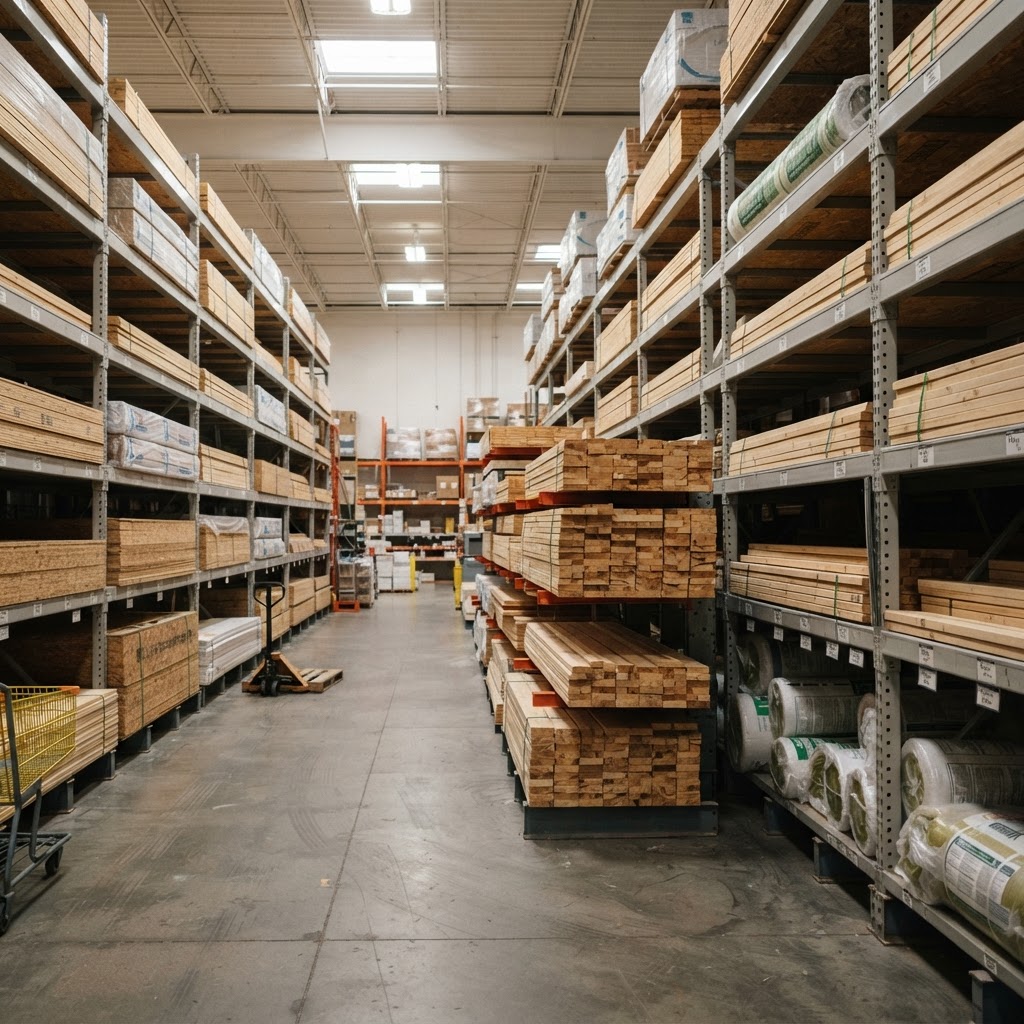
How Tongue and Groove Works
One edge of each board has a protruding ridge (tongue) and the opposite edge has a matching channel (groove). The tongue of one board slides into the groove of the adjacent board, creating a tight, self-aligning joint that hides nails and prevents gaps. This interlocking system has been the standard for wood flooring for over 150 years.
T&G Flooring Types
Solid hardwood (3/4" T&G): The classic. Available in oak, maple, walnut, cherry, hickory, and dozens of other species. Nail-down installation over wood subfloor. Can be sanded and refinished 3-5 times over its lifetime (50-100+ years). The most desirable flooring for home value. Width: 2-1/4" to 5" (wider boards are popular). Cost: $6-$14/sq ft material.
Engineered hardwood (T&G or click-lock): Real hardwood veneer (2-6mm) bonded to a plywood or HDF core. Dimensionally stable — can be installed over concrete, on radiant heat, and below grade. Click-lock versions float without glue or nails. Can be refinished 1-2 times depending on veneer thickness. Width: 3" to 7" (wider boards are the trend). Cost: $4-$14/sq ft material.
Solid pine T&G (3/4"): The traditional farmhouse floor. Knotty pine has rustic character; clear pine is elegant. Softer than hardwood (Janka 380-690 depending on species) — dents more easily. Takes stain well but requires careful technique to avoid blotching. Available in wide widths (6-8" common). Cost: $3-$7/sq ft material.
T&G cedar (for porches and ceilings): Aromatic cedar T&G is popular for porch ceilings, closet lining, and accent walls. Not typically used for floors (too soft). The aroma repels moths and insects in closets. Available in 1x4 and 1x6. Cost: $4-$8/sq ft.
T&G plywood subfloor: 3/4" or 1-1/8" plywood with T&G edges for structural subflooring. The T&G joint prevents differential deflection between panels (eliminates the "bump" at panel edges under carpet or vinyl). Glue and screw to joists for squeak-free floors. Cost: $1.50-$3/sq ft.
Installation Methods
Nail-down (3/4" solid hardwood): The traditional method. Use a pneumatic flooring nailer that drives cleats or staples through the tongue at a 45° angle, hiding the fastener under the next board's groove. Requires wood subfloor (3/4" plywood minimum). Face-nail the first 2-3 rows, then use the flooring nailer for the field.
Glue-down (engineered): Apply urethane adhesive to the subfloor (concrete or plywood) and press boards into it. Best for concrete slabs and radiant heat systems. Creates a solid feel with no hollow sound.
Floating (click-lock engineered): Boards click together and float over an underlayment without attachment to the subfloor. Fastest installation. Works on any flat, dry subfloor. Some purists feel floating floors have a hollow sound — quality underlayment helps.
Subfloor Requirements
For nail-down: 3/4" plywood or OSB over joists spaced 16" on center. Subfloor must be flat within 3/16" over 10 feet. No concrete. Must be above grade (not basement).
For glue-down: Concrete (fully cured, dry, flat) or plywood. Moisture test concrete first. Flat within 3/16" over 10 feet.
For floating: Any flat, stable surface including concrete, plywood, existing vinyl, or existing hardwood. Flat within 3/16" over 6 feet. Use moisture barrier over concrete.
Acclimation
Stack flooring in the installation room for 3-7 days at normal living conditions (60-80°F, 30-50% RH). Open boxes for air circulation. This lets the wood reach equilibrium moisture content, preventing post-installation gaps, buckling, or cupping.
Cost Comparison (Installed)
Solid oak T&G nail-down: $8-$15/sq ft material + $3-$5/sq ft labor = $11-$20/sq ft installed.
Engineered hardwood floating: $5-$12/sq ft material + $2-$4/sq ft labor = $7-$16/sq ft installed.
Knotty pine T&G nail-down: $4-$7/sq ft material + $3-$5/sq ft labor = $7-$12/sq ft installed.
A 1,000 sq ft room: Solid oak: $11,000-$20,000 installed. Engineered: $7,000-$16,000 installed. Pine: $7,000-$12,000 installed.
Maintenance
Sweep or vacuum regularly (grit is sandpaper underfoot). Damp-mop with wood floor cleaner (never wet-mop). Felt pads under all furniture legs. Recoat with polyurethane every 3-5 years for high-traffic areas. Full sand and refinish every 10-20 years for solid hardwood.
Frequently Asked Questions
Lumberama Editorial Team
Flooring & Interior Wood Specialists
Contributor to Lumberama’s reference library. Read our editorial standards and source methodology.
Continue researching flooring
Where readers of this article usually go next.
Related Articles
Carpet Guide: Types, Cost & How to Choose
Find the perfect carpet for your home with this comprehensive guide.
Laminate Flooring Guide: Cost, Pros and Cons & Installation
Get an affordable wood look with laminate flooring.
Tile Flooring Guide: Types, Cost & Installation
Choose the right tile for your home with this comprehensive guide.