Staircase Ideas: Design Styles, Railing Options & Remodel Inspiration
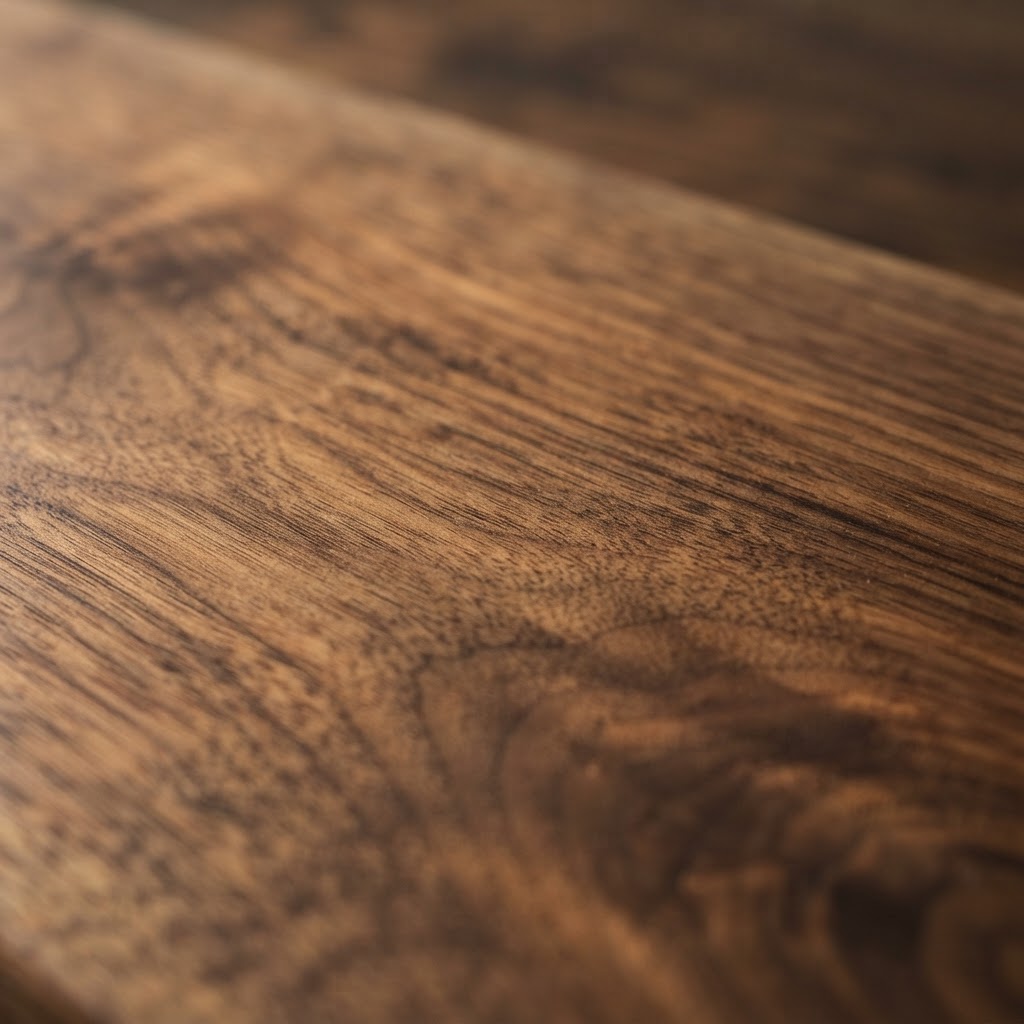
Staircase Layout Types
Straight Staircase
The most common and most affordable staircase layout. A single straight run of stairs connecting two floors. Requires the most linear floor space (typically 12–14 feet of horizontal run for a standard 8–9 foot ceiling height) but is the simplest to build, easiest to carry furniture up and down, and the most accessible design.
Best for: Homes with sufficient linear space, basement stairs, garage-to-house connections, and budget-conscious projects.
Cost to build: $1,500–$5,000 for basic construction. $5,000–$15,000 with premium treads, risers, and railing.
L-Shaped (Quarter-Turn) Staircase
A staircase with one 90-degree turn, typically at a landing platform. The L-shape reduces the straight run needed and adds a resting point. The landing can be positioned at any point — bottom, middle, or top of the staircase. L-shaped stairs fit into corners efficiently.
Best for: Homes where a straight run would be too long, corner locations, and adding visual interest. The landing provides a natural stopping point and can accommodate a window or artwork.
Cost to build: $3,000–$8,000 basic. $8,000–$20,000 premium.
U-Shaped (Switchback) Staircase
A staircase with two 90-degree turns, creating a U-shaped path. Two parallel flights connected by a large landing platform that reverses the direction of travel. U-shaped stairs are compact — they stack the flights on top of each other, requiring less floor space than L-shaped or straight stairs. Very common in split-level homes and multi-story construction.
Cost to build: $4,000–$10,000 basic. $10,000–$25,000 premium.
Spiral Staircase
A helicoidal staircase wrapping around a central pole. Spiral stairs are dramatic space-savers — a 5-foot diameter spiral staircase fits in about 25 square feet of floor space compared to 80+ square feet for a straight staircase. However, spiral stairs are difficult to navigate with furniture, can feel claustrophobic, and may not meet building codes as a primary staircase in many jurisdictions.
Best for: Secondary access (loft, attic, basement, deck), small spaces, outdoor deck stairs, and dramatic architectural statements.
- Cost: Metal kit: $2,000–$6,
- 0
- 0
- Custom wood: $5,000–$20,
- 0
- 0
- Custom iron/wood: $10,000–$50,000+.
Floating Staircase
A staircase where the treads appear to float with no visible support structure. This is achieved through steel stringers hidden inside the wall (cantilevered treads), a single central steel spine (mono-stringer), or glass and cable railings that don't visually compete with the floating effect. Floating stairs are the defining feature of modern and contemporary homes.
Best for: Modern, minimalist, and contemporary homes. Floating stairs create a light, airy feel and allow sightlines through the staircase.
Cost: $15,000–$50,000+ depending on engineering, material, and complexity. This is a premium design feature that requires structural engineering.
Stair Tread Materials
Red Oak: The most popular stair tread wood in America. Strong (Janka 1290), affordable, and takes stain well. Available pre-made in standard sizes at most home centers. Prominent grain pattern adds warmth and character.
White Oak: Harder than red oak (Janka 1360) with a more refined grain. Naturally water-resistant. The trendiest stair tread wood in 2026, especially with light natural finishes or whitewash stains.
Maple: Very hard (Janka 1450) with a clean, light appearance. Excellent for modern and Scandinavian-inspired interiors. Takes paint beautifully for a classic white staircase look.
Walnut: Rich dark brown with dramatic grain. The luxury choice for high-end staircases. Softer (Janka 1010) than oak or maple but stunning in contemporary and transitional designs.
Hickory: The hardest common stair wood (Janka 1820). Rustic character with dramatic grain variation. Ideal for farmhouse, lodge, and rustic homes.
LVP/Vinyl Plank: An increasingly popular budget alternative for stair treads. Waterproof, durable, and available in realistic wood looks. Requires stair nosing pieces to finish the tread edge. Cost: $3–$8 per sq ft plus nosing ($10–$25 per piece).
Railing Styles
Traditional wood balusters: Turned or square wood balusters with a wood handrail and newel posts. The classic staircase look. Available in dozens of baluster profiles from simple squares to ornate turned spindles.
Cable railing: Horizontal stainless steel cables tensioned between metal or wood posts. Creates a clean, modern look with minimal visual obstruction. Excellent for preserving sightlines and making small spaces feel open.
Glass panel railing: Tempered glass panels (frameless or framed) with a wood, metal, or glass handrail. The most visually transparent railing option. Creates a light, contemporary feel and works with any staircase style.
Iron/metal balusters: Wrought iron, brushed nickel, or matte black metal balusters in straight, twisted, or decorative patterns. Metal balusters add elegance and durability — they won't loosen or crack like wood balusters over time.
Horizontal wood slats: Horizontal wood boards between posts, creating a mid-century modern or farmhouse aesthetic. A warm, natural alternative to cable railing.
Staircase Remodeling Ideas
Replace carpet with hardwood treads: The most popular staircase remodel. Remove carpet, repair or replace plywood treads with solid hardwood, and refinish. Budget: $1,500–$4,000 for a standard straight staircase.
Paint the risers: Paint risers white while staining treads a contrasting dark color. This classic two-tone look is affordable and dramatic. Works with both traditional and modern interiors.
Swap out balusters: Replace dated oak or painted wood balusters with sleek iron balusters. This is a surprisingly impactful and affordable upgrade — iron balusters cost $3–$15 each and can be installed by a handy homeowner in a weekend.
Add a runner: A carpet runner down the center of hardwood stairs adds texture, color, noise reduction, and slip resistance. Runners can be installed with rods (removable) or glued down (permanent). Cost: $500–$2,000 for runner + installation.
Install LED stair lighting: LED strip lights under tread nosings or along the stringer create a dramatic effect and improve safety at night. Battery-operated or hardwired options available. Cost: $100–$500 DIY.
Building Code Requirements
Residential staircase building codes (IRC) specify: minimum tread depth of 10 inches, maximum riser height of 7-3/4 inches, minimum stair width of 36 inches, minimum headroom of 6 feet 8 inches, maximum spacing between balusters of 4 inches (child safety), handrail height of 34–38 inches, and a handrail on at least one side. Always check local code amendments — some jurisdictions have stricter requirements.
Frequently Asked Questions
Lumberama Editorial Team
Interior Design & Building Materials Experts
Contributor to Lumberama’s reference library. Read our editorial standards and source methodology.
Explore related resources
Where readers of this article usually go next.
Related Articles
Wainscoting Guide: Types, Cost & Installation Ideas
Add classic charm and protection to your walls.

Trim & Baseboard Guide: Types, Cost & Installation
Finish your rooms with the perfect trim.
Crown Molding Guide: Types, Cost & Installation
Add elegance to any room with crown molding.