Shellac Finish Guide: Cuts, Flakes, Application Methods & When to Use on Wood
What Is Shellac?
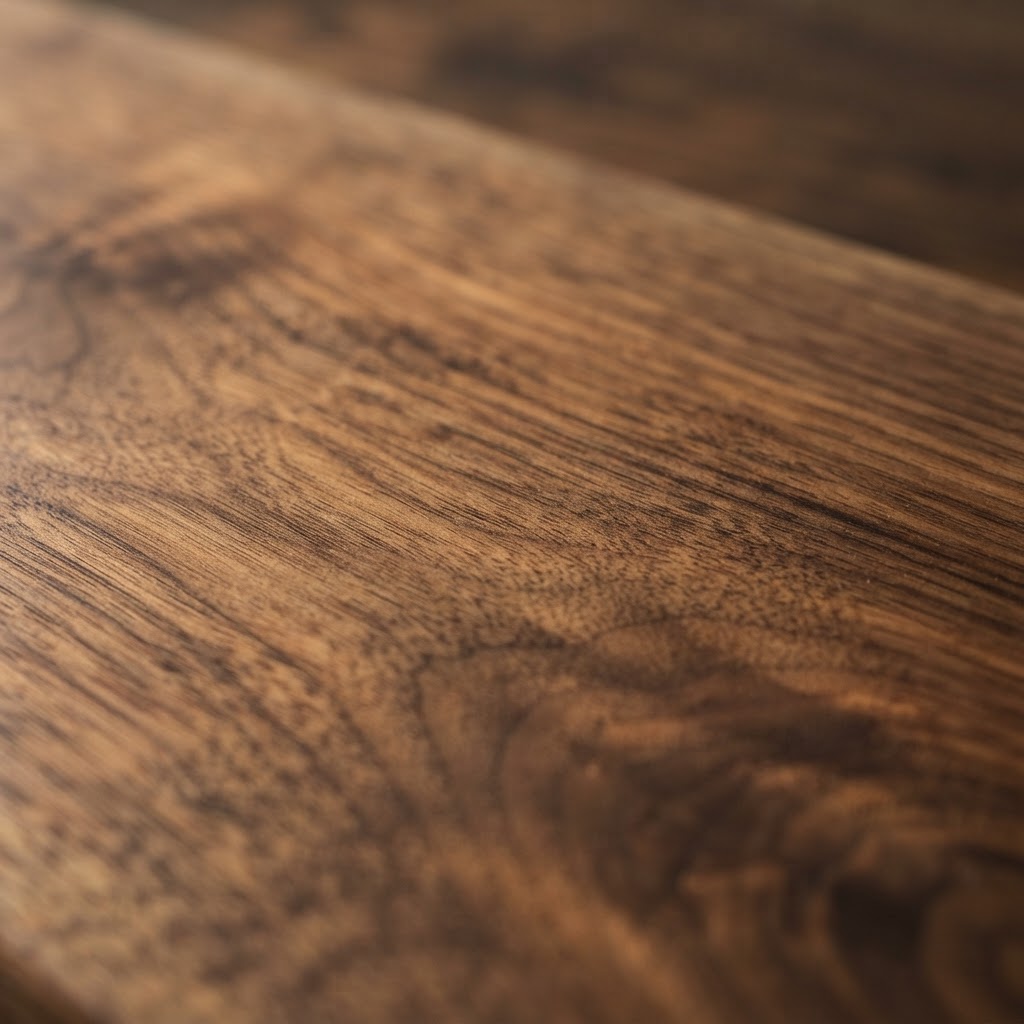
Shellac is a natural resin secreted by the female lac bug (Kerria lacca) on trees in Southeast Asia, dissolved in denatured alcohol to create a liquid finish. It's the oldest commercial finish still in use, with a history spanning thousands of years. When applied to wood, shellac produces a warm, rich, glowing finish that enhances grain beautifully. It dries fast (30-60 minutes), builds quickly, is completely non-toxic when cured, and serves as the most universal sealer known to finishing.
Shellac Cuts
The "cut" refers to the concentration of shellac flakes dissolved in denatured alcohol, measured in pounds of shellac per gallon of alcohol. A 1-pound cut (1 lb of flakes per gallon of alcohol) is thin and watery — used for seal coats and first coats. A 2-pound cut is the standard working concentration for most applications. A 3-pound cut is thick — used for building up finish quickly but more prone to drips and runs. Zinsser Bulls Eye pre-mixed shellac is approximately a 3-pound cut. Zinsser SealCoat is a dewaxed shellac at approximately a 2-pound cut.
Flake Types
Shellac flakes come in several grades determined by color and wax content. Super blonde (lightest color, minimal amber tint) is the closest to a water-clear finish. Amber (medium golden color) adds warmth and depth. Garnet (deep reddish-brown) adds dramatic color to dark woods. Button lac (dark, high-wax) is for specialty applications. Dewaxed shellac has had the natural wax removed, making it compatible as a base coat under any finish. Waxy shellac (standard, natural) is fine as a topcoat but should not be used under polyurethane or lacquer because the wax prevents adhesion of subsequent coats.
Application Methods
Brushing: use a good-quality natural bristle brush. Work quickly because shellac dries fast. Apply thin, even coats and don't go back over partially dried areas (which creates brush marks and ridges). Each coat dissolves slightly into the previous one, so slight imperfections level out with subsequent coats. 3-4 coats builds a good finish.
Padding (French polishing): the traditional technique used on fine furniture and musical instruments. Apply shellac with a pad (called a muneca or rubber) made from a ball of cotton or wool wrapped in a linen cloth. Charge the pad with a 1-pound cut shellac, add a drop of mineral oil as a lubricant, and rub the pad across the surface in circles and figure-eights. Each pass leaves an ultra-thin layer. Continue for hours (or over multiple sessions) to build a deep, mirror-like finish. French polishing is the most labor-intensive finishing technique but produces arguably the most beautiful finish possible on wood.
Spraying: shellac sprays beautifully through HVLP guns and aerosol cans. Use a 2-pound cut for spraying. Thin coats, light passes. Dries fast enough for multiple coats in a session.
Shellac as a Seal Coat
Shellac's greatest utility may be as a universal sealer. Dewaxed shellac adheres to virtually every surface and accepts virtually every topcoat. Use it to: seal knots and sap streaks in pine and softwoods (prevents bleed-through), block stains and odors on reclaimed or damaged wood, serve as a barrier coat between incompatible finishes (like between an oil stain and a water-based topcoat), seal end grain before staining (prevents dark blotchy end grain), and provide a consistent base for staining blotch-prone species like pine, cherry, and birch. Zinsser SealCoat ($12-18 per quart) is the go-to dewaxed shellac product for seal coating.
Limitations
Shellac is not water-resistant — water left sitting on shellac turns it white (water rings). It's not heat-resistant — hot cups or dishes leave white marks. It dissolves in alcohol, so a spilled drink can damage the finish. These limitations make shellac a poor choice for kitchen tables, bar tops, and surfaces exposed to water or heat. It's perfect for decorative furniture, bookcases, cabinets (interiors and exteriors), trim and molding, picture frames, musical instruments, and anywhere a warm traditional finish is desired with easy repairability.
Frequently Asked Questions
Lumberama Editorial Team
Wood Finishing & Restoration Experts
Contributor to Lumberama’s reference library. Read our editorial standards and source methodology.
Finishing resources
Where readers of this article usually go next.
Related Articles
Plumbing Guide: Common Issues, Cost & When to Call a Plumber
Fix common plumbing problems and know when to call a pro.
Backyard Playground Guide: Types, Cost & Safety
Build the perfect play area for your kids with this guide.
Trampoline Guide: Types, Cost & Safety
Choose the right trampoline for your family with this comprehensive guide.