Redwood vs Cedar: Which Is Better for Decks, Fences & Outdoor Projects?
Species Overview
Western red cedar (Thuja plicata): The most widely available natural outdoor wood in North America. Grows throughout the Pacific Northwest and western Canada. Light reddish-brown heartwood. Widely available at home centers and lumberyards nationwide.
Coast redwood (Sequoia sempervirens): Grows only in a narrow coastal strip of northern California and southern Oregon. The tallest tree species on Earth (350+ feet). Rich reddish-brown heartwood. Limited availability outside the West Coast; premium pricing everywhere.
Durability Comparison
Rot resistance: Both are excellent. Redwood heartwood has a slight edge — it contains more tannin and other natural preservatives. Both species' heartwood can last 15-25+ years in outdoor applications without chemical treatment. In ground-contact applications, redwood typically outlasts cedar by a few years.
Insect resistance: Both resist termites and other wood-boring insects better than untreated softwoods. Redwood has slightly better insect resistance due to its tannin content.
Important: Only the HEARTWOOD of both species is rot-resistant. The sapwood (lighter-colored outer wood) of both redwood and cedar rots just as quickly as pine. When buying either species for outdoor use, specify "heartwood" or "all heart" grades.
Physical Properties
Cedar: Janka hardness 350 lbf. Very soft. Weight: 23 lbs/cubic foot (very light — one of the lightest commercial softwoods). Very easy to work with hand and power tools.
Redwood: Janka hardness 420-480 lbf. Soft but harder than cedar. Weight: 28 lbs/cubic foot. Slightly heavier and more resistant to dents and wear.
Stability: Cedar has excellent dimensional stability (minimal shrinking and swelling). Redwood is also very stable. Both are among the most stable softwoods available.
Appearance
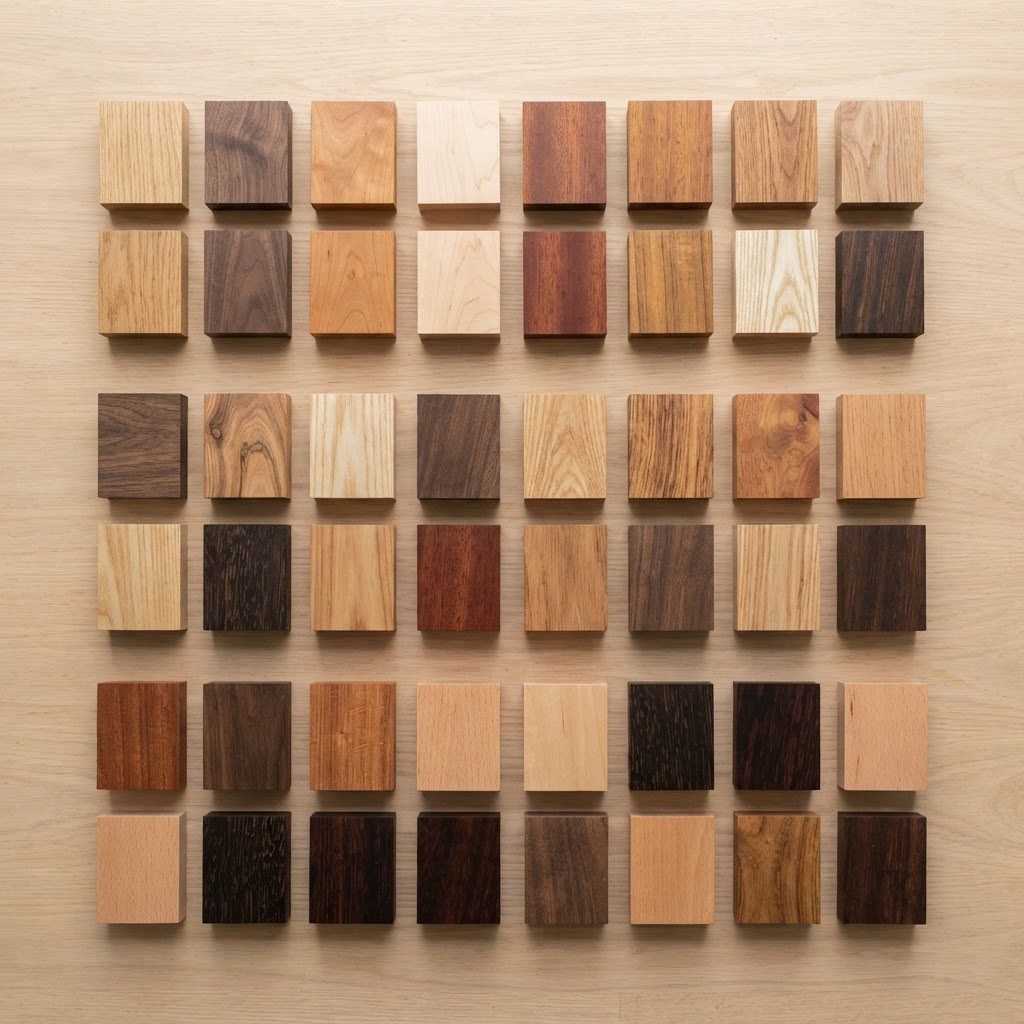
Cedar: Ranges from reddish-brown heartwood to cream-colored sapwood. Straight, fine grain. Subtle, warm appearance. Weathers to a uniform silver-gray if left unfinished.
Redwood: Richer, deeper red-brown color than cedar. More dramatic and striking appearance. The color is unmistakable — nothing else looks quite like fresh-cut redwood. Also weathers to gray but retains more warmth than cedar's gray.
Both are beautiful. Redwood is more visually striking; cedar is more subtle and versatile.
Availability and Cost
Cedar: Available nationwide at home centers and lumberyards. $3-$6/BF for boards and decking. Readily available in dimensional sizes (2x4, 2x6, 4x4, etc.) and fence pickets. The practical choice for most projects.
Redwood: Limited availability east of the Rockies. Available on the West Coast but increasingly expensive even there. $6-$15/BF for heartwood grades. Must be special-ordered in most eastern markets. Premium pricing reflects limited supply from California's managed forests.
Cedar wins on availability and price by a wide margin in most of the country.
Best Use Cases
Decking: Cedar is the practical choice nationwide (available, affordable, plenty durable). Redwood is the premium choice on the West Coast where it's locally available. For most homeowners, cedar at $3-$6/BF is the better value compared to redwood at $8-$15/BF for decking.
Fences: Cedar wins. It's the #1 natural fence material in America — affordable, beautiful, and widely available in pre-cut fence boards. Redwood fencing is a luxury choice.
Outdoor furniture: Either works beautifully. Redwood's deeper color and slightly harder surface give it a slight edge for premium outdoor furniture. Cedar's lighter weight makes it easier to move furniture around.
Siding: Cedar shingles and shakes are the classic New England siding. Cedar clapboard is also widely used. Redwood siding is popular on the West Coast. Both last 30-50 years as siding with proper installation.
Raised garden beds: Cedar is the standard. Redwood is overkill (and overpriced) for garden beds in most markets.
Hot tubs and saunas: Western red cedar is THE material for hot tubs and saunas — it handles constant heat and moisture beautifully and has a pleasant aroma. Redwood also works but cedar is preferred for this specific application.
The Verdict
For most people in most situations, cedar is the better choice — it's available, affordable, and plenty durable. Redwood is the premium option for West Coast homeowners who want the deepest color and hardest natural softwood. Both are excellent woods that will last decades outdoors with minimal maintenance.
Frequently Asked Questions
Lumberama Editorial Team
Outdoor Lumber & Natural Wood Specialists
Contributor to Lumberama’s reference library. Read our editorial standards and source methodology.
Continue researching decking
Where readers of this article usually go next.
Related Articles

Tree Removal Guide: Cost, When to Remove & DIY vs Pro
Make safe and informed tree removal decisions.

Countertop Guide: Granite vs Quartz vs Marble and More
Choose the right kitchen or bathroom countertop with this comprehensive comparison.

Pool Guide: Above Ground vs In-Ground Cost and Types
Learn about costs, types, and which pool is right for your home.