Reclaimed Wood Guide: Where to Find It and How to Use It Safely
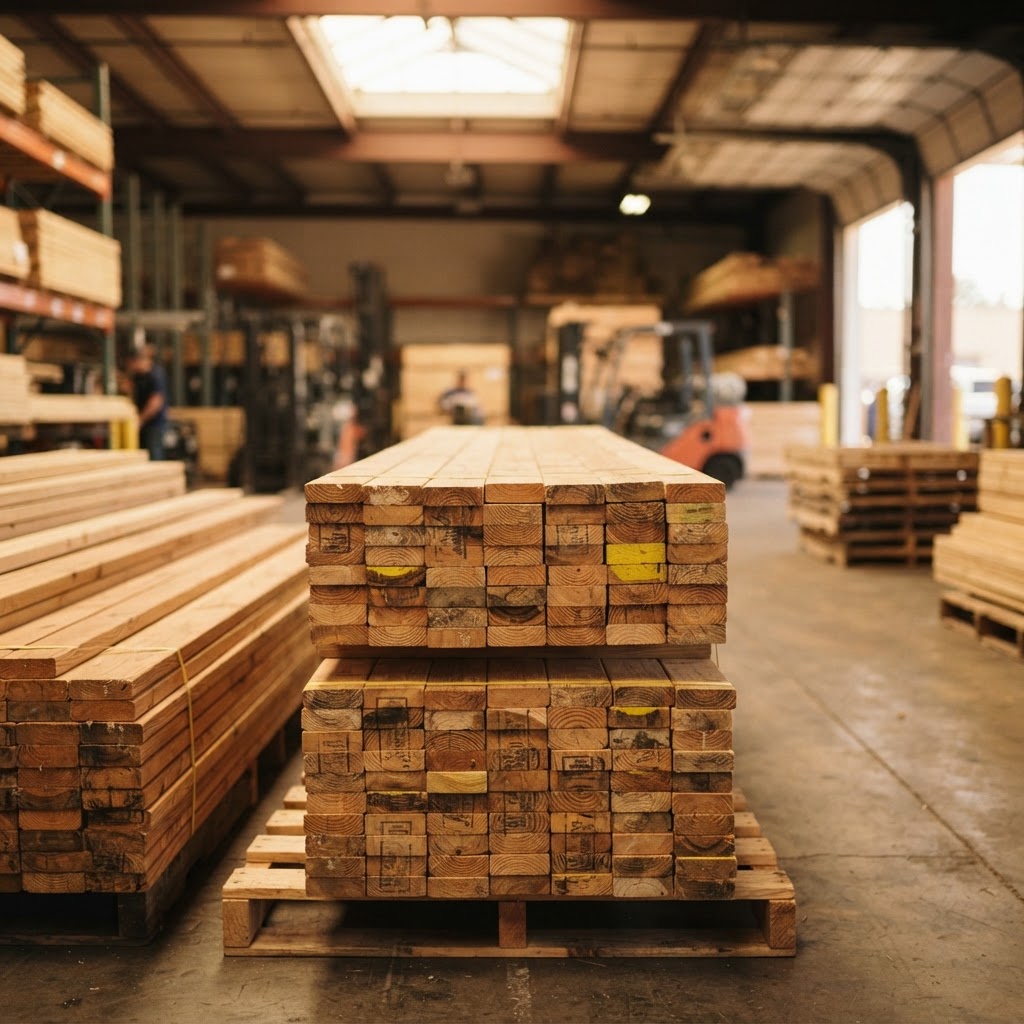
Reclaimed Wood Guide: Where to Find It and How to Use It Safely
Reclaimed wood — lumber salvaged from old buildings, barns, factories, or urban trees — is experiencing sustained demand for interior design, furniture making, and specialty construction. It's ecologically responsible, visually distinctive, and often structurally superior to modern lumber.
Why Reclaimed Wood is Different
Old-growth density: Most reclaimed wood comes from buildings constructed 50–150 years ago, when old-growth timber was the norm. Old-growth wood has:
- Tighter rings (40–100 rings per inch vs. 10–20 in modern lumber)
- Higher density and hardness
- More extractives (natural rot resistance)
- Greater stability (it's already cycled through decades of moisture variation)
A reclaimed Douglas fir beam from a 1920s warehouse is significantly harder, denser, and more stable than a new Douglas fir 2x12 from a second-growth forest.
Character: Saw marks, nail holes, weathering, paint layers, and checking are the visible history of the wood. These features are prized in modern design precisely because they can't be perfectly replicated in new wood.
Ecological benefit: Using wood that already exists avoids new harvesting. Reclaimed wood has no embodied energy cost for lumber manufacturing.
Best Sources for Reclaimed Wood
Architectural Salvage Dealers
The most reliable source for curated, sorted material. Salvage dealers acquire wood from building demolitions and disassemblies, sort by species, clean the material, and often remove metal before selling.
Cost: $4–15 per board foot depending on species, grade, and how much prep work has been done
What you get: Known species, sorted quality, often de-nailed
Finding them: Search "architectural salvage [your city]" or visit the Building Materials Reuse Association directory.
Craigslist and Facebook Marketplace
Homeowners demolishing outbuildings, contractors clearing sites, and farmers with collapsing barns regularly post free or inexpensive lumber.
Cost: Free to $1/board foot for raw barn wood; you often haul yourself
What you get: Unknown species, full of nails, requires significant prep
Best for: Large quantities for texture-focused applications (accent walls, rustic furniture)
Building Deconstruction Projects
Some demolition contractors specialize in deconstruction rather than demolition — they carefully disassemble buildings to recover reusable materials. Contacting local contractors directly can yield large quantities of specific materials.
Urban Forestry Programs
Many cities have programs that salvage trees removed for utility work, disease, or development. Freshly sawn urban lumber includes elm, oak, walnut, cherry, and other species in urban environments.
Cost: Often free or very low cost; frequently needs air-drying
Best for: Slabs, specialty furniture lumber, turning blanks
Finding them: Contact your city parks or urban forestry department; search "urban forestry lumber" or "urban sawmill" in your area.
Estate Sales and Auctions
Old homes being cleared out sometimes include stored lumber in attics and barns — material that's been sitting for 50+ years is often beautifully dry and stable.
Safety Testing: Critical Before Indoor Use
Lead Paint Test
Buildings constructed before 1978 may have lead-based paint on wood surfaces. If you're using reclaimed wood indoors (especially where children will be present), test before using.
Testing kits: LeadCheck Swabs or 3M LeadCheck kits ($10–15 at hardware stores)
Positive result: Lead-positive wood should not be used for applications where it will be sanded (sanding creates hazardous dust), used by children, or used in living spaces without remediation
Note: Lead-positive reclaimed wood is often fine for exterior landscaping applications far from the house, or for structural uses where it won't be cut or sanded
Creosote and Chemical Treatment
Old railroad ties, telephone poles, and industrial timbers may be treated with creosote (a coal tar derivative) or other industrial preservatives that are not safe for indoor use.
Identification: Creosote-treated wood has a distinctive petroleum smell and often shows black residue. Old railway ties are almost always creosote-treated.
Use: Creosote-treated wood should stay outdoors, away from food gardens, and never used where skin contact is regular.
Metal Detection
Reclaimed wood is full of hidden fasteners — nails, screws, staples, wire. Before any power tool use:
- Run a handheld metal detector over all faces
- Probe with a rare-earth magnet
- Use a metal detector wand (can be rented or purchased for $30–80)
A hidden nail can destroy a saw blade instantly and potentially cause injury.
Preparing Reclaimed Wood for Use
De-Nailing
Remove all visible nails and staples with a cat's paw pry bar and pliers. Drive old nails all the way through (from the pointed end) rather than pulling them back through — this avoids tearing the wood fiber.
Moisture Content Check
Reclaimed wood from a covered building may be very dry (6–9% MC) — ideal for interior furniture. Outdoor barn wood may be much wetter. Check with a moisture meter and allow acclimation in your shop before milling.
Milling and Surfacing
For furniture use, reclaimed wood typically needs to be:
1. Metal detected
2. Rough-planed to remove surface contamination (carbide planer knives are essential — hidden nails destroy standard HSS knives)
3. Jointed for a flat reference face
4. Planed to final thickness
5. Ripped to consistent width
Many hardwood dealers and sawmills offer milling services for reclaimed material. Given the tool-risk and labor, this is often worth paying for.
Best Applications for Reclaimed Wood
Excellent:
- Accent walls and paneling (barn wood, shiplap)
- Dining tables and desks (solid slabs)
- Floating shelves (character is a feature)
- Mantels and hearth surrounds
- Custom furniture where old-growth density matters
- Exterior siding (properly maintained)
Acceptable with prep:
- Flooring (must be properly dried and milled)
- Cabinetry (needs square, consistent material)
Not recommended:
- Food contact surfaces (unknown chemical history)
- Structural applications without professional assessment of species and condition
- Children's furniture made from lead-paint-positive material
Frequently Asked Questions
David Kim
Sustainability Expert
Contributor to Lumberama’s reference library. Read our editorial standards and source methodology.
Explore related resources
Where readers of this article usually go next.
Related Articles

Wainscoting Guide: Types, Cost & Installation Ideas
Add classic charm and protection to your walls.

Trim & Baseboard Guide: Types, Cost & Installation
Finish your rooms with the perfect trim.

Crown Molding Guide: Types, Cost & Installation
Add elegance to any room with crown molding.