Article
Woodworking & Lumber
Generator Installation Guide: Types, Cost & Sizing for Your Home
Lumberama Editorial Team, Emergency Power & Electrical Systems Specialists Mar 1, 2026 9 min read
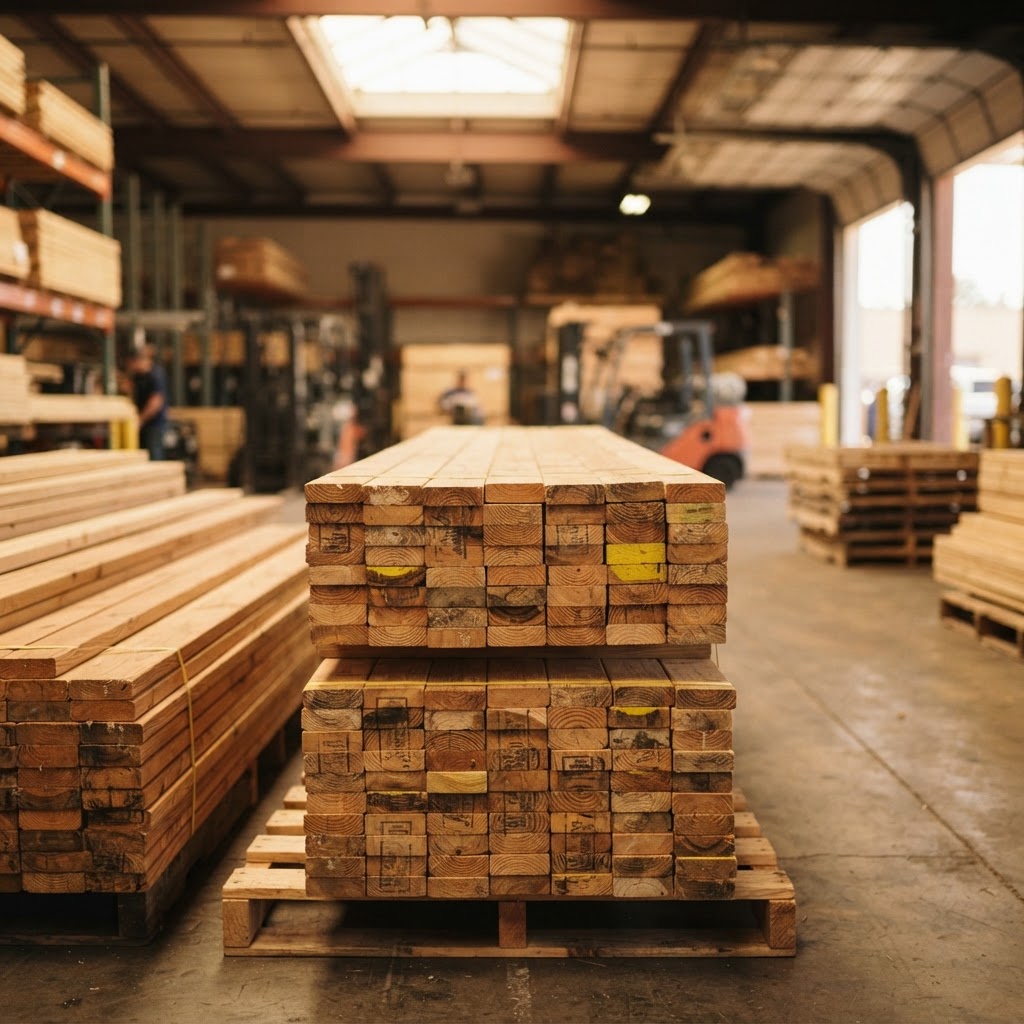
Types of Generators
Portable generators: Moved manually (60-200+ lbs). Powered by gasoline (most common), propane, or dual-fuel. Power output: 2,000-12,000+ watts. Cost: $300-$2,500 (unit only). Must be started manually. Run outside only (carbon monoxide danger). Connected via extension cords or a manual transfer switch. Best for: occasional use, powering essentials, budget-conscious.
Inverter generators: A type of portable generator. Produces cleaner power (safe for electronics, computers). Quieter than conventional portable generators. More fuel-efficient. More expensive: $500-$4,000. Best for: camping, RVs, and home backup where clean power matters.
Standby generators (whole house): Permanently installed outside the home (like an AC unit). Connected to the home's electrical system via an automatic transfer switch. Powered by natural gas or propane (no refueling needed). Turn on automatically within seconds of a power outage. Power output: 7,000-150,000+ watts (residential typically 10,000-24,000). Cost: $2,000-$6,000 (unit) + $3,000-$6,000 (installation). Best for: homes with frequent outages, medical equipment needs, home offices.
Solar + battery backup: Solar panels + battery storage (Tesla Powerwall, Enphase, etc.). No fuel, no emissions, silent operation. Limited capacity (typically powers essentials for 8-12 hours). Cost: $10,000-$30,000+. Best for: eco-conscious homeowners, areas with frequent but short outages.
Sizing
How to size a generator: List every appliance and system you want to power during an outage. Note each item's wattage (running watts and starting watts). Running watts: continuous power needed. Starting watts: surge needed when the motor kicks on (typically 2-3x running watts). Add up all running watts for your total load. Ensure the generator can handle the highest starting watt surge.
Common wattage requirements: Refrigerator: 100-400 running / 1,200-2,000 starting. Sump pump (1/2 HP): 800 running / 1,300-2,000 starting. Central AC (3-ton): 3,500 running / 4,500 starting. Window AC: 500-1,500 running / 800-2,500 starting. Electric water heater: 4,000-5,500 running. Gas furnace (blower): 500-700 running / 1,000-1,500 starting. Well pump (1/2 HP): 1,000 running / 2,000 starting. Lights: 60-200 total (LED). Microwave: 1,000-1,500.
Sizing guidelines: Essential circuits only: 5,000-7,500 watts (portable). Most circuits: 10,000-16,000 watts (mid-range standby). Whole house: 16,000-24,000 watts (large standby). A typical 2,000 sq ft home with central AC needs about 16,000-22,000 watts for whole-house backup.
Cost
Portable generators: 2,000-3,500 watts: $300-$800. 5,000-7,500 watts: $700-$1,500. 10,000+ watts: $1,000-$2,500. Manual transfer switch installation: $300-$800.
Standby generators (installed): 10-14 kW (essential circuits): $3,000-$6,000 (unit). 16-22 kW (whole house): $4,000-$8,000 (unit). 24+ kW (large homes): $6,000-$15,000 (unit). Installation cost: $3,000-$6,000 (includes automatic transfer switch, concrete pad, gas line, electrical, and permits). Total installed: 10-14 kW: $6,000-$12,000. 16-22 kW: $7,000-$14,000. 24+ kW: $9,000-$20,000+.
Top brands: Generac: market leader (70%+ market share). Widest range. Good value. Kohler: premium quality, quieter. More expensive. Briggs & Stratton: mid-range, good value. Cummins: premium, commercial-grade reliability. Champion: budget-friendly, good for portables.
Transfer Switches
Manual transfer switch: You physically flip the switch to transfer power from utility to generator. Cost: $200-$500 (installed: $500-$1,200). Used with portable generators. Requires you to be home during an outage.
Automatic transfer switch (ATS): Detects a power outage and automatically starts the generator and transfers the load. Cost: $500-$2,000 (typically included with standby generator installation). Required for standby generators. Works while you're away. Transfers back to utility power automatically when power is restored.
Why a transfer switch is necessary: Connecting a generator directly to your home's wiring without a transfer switch creates "backfeed" — electricity flows back through the meter onto the utility lines. This can kill utility workers repairing the lines. It's illegal in every jurisdiction. A transfer switch isolates your home from the grid when the generator is running.
Fuel and Maintenance
Fuel options: Gasoline: most available, cheapest generators. Must store fuel (goes stale in 1-3 months without stabilizer). Must refuel manually. Risk of running out during extended outages. Propane (LP): stores indefinitely. Clean burning. Available in tanks (500-1,000 gallon). Slightly less energy per gallon than gasoline. Natural gas: unlimited supply (as long as gas utility is running). Lowest cost per hour. No storage needed. Slightly less power output than propane. Best for standby generators. Dual-fuel: runs on gasoline or propane (flexibility).
Maintenance: Portable generators: change oil every 50-200 hours. Check spark plug annually. Run the generator every 1-3 months (prevents stale fuel and ensures it starts when needed). Use fuel stabilizer for stored gasoline. Standby generators: automatic weekly self-test (runs for a few minutes). Professional maintenance annually ($150-$300). Oil and filter change every 200 hours or annually. Air filter replacement. Spark plug replacement. Battery check (they have a battery for the starter). Coolant check (liquid-cooled units).
Placement: Portable: outside only, at least 20 feet from windows, doors, and vents. Carbon monoxide kills — NEVER run indoors, in a garage, or in an enclosed space. Standby: installed on a concrete or gravel pad, at least 5 feet from windows and doors (local codes vary). Standby generators run on natural gas or propane, so CO risk is managed by outdoor placement and distance requirements.
Frequently Asked Questions
A standby (whole house) generator costs $6,000-$20,000+ fully installed. Breakdown: generator unit $3,000-$15,000 (depending on size), installation $3,000-$6,000 (includes automatic transfer switch, concrete pad, gas line connection, electrical work, and permits). Most common size for a typical home: 16-22 kW at $7,000-$14,000 total installed. Generac is the most popular brand (70%+ market share) with the widest selection and best value. Portable generators for essential circuits cost much less: $500-$2,500 for the generator plus $500-$1,200 for a manual transfer switch installation. What size generator do I need for my house?
For essential circuits only (refrigerator, sump pump, furnace, lights, a few outlets): 5,000-7,500 watts (a large portable generator). For most circuits including AC: 10,000-16,000 watts (mid-range standby). For whole-house backup including central AC: 16,000-24,000 watts (large standby). A typical 2,000 sq ft home with 3-ton central AC needs about 16,000-22,000 watts for full coverage. To size precisely: list all appliances you want to power, note their running and starting wattages, and add them up. The generator must handle the total running watts plus the highest starting surge. Do I need a transfer switch for a generator?
Yes, absolutely. A transfer switch is required by code for any generator connected to your home's electrical system. Without one, electricity from the generator can "backfeed" through the meter onto the utility lines, which can electrocute utility workers repairing the lines. It's illegal everywhere. For portable generators: a manual transfer switch ($500-$1,200 installed) lets you safely switch selected circuits to generator power. For standby generators: an automatic transfer switch (typically included in installation) detects outages, starts the generator, transfers the load, and reverses everything when utility power returns. Even if you only use extension cords from a portable generator, a transfer switch is still recommended for convenience and safety. How often should a standby generator be serviced?
Standby generators should be professionally serviced once a year ($150-$300). Annual service includes: oil and filter change, air filter replacement, spark plug inspection/replacement, battery check, coolant check (liquid-cooled units), and operational test. Most standby generators run a brief automatic self-test weekly (you can hear it run for a few minutes). Between annual services: check the area around the generator for debris, verify the oil level periodically, and ensure the gas supply is connected. Replace the battery every 3-5 years. Well-maintained standby generators last 15-30 years.
Lumberama Editorial Team
Emergency Power & Electrical Systems Specialists
Contributor to Lumberama’s reference library. Read our editorial standards and source methodology.
Explore related resources
Where readers of this article usually go next.
Related Articles
Woodworking & Lumber
Wainscoting Guide: Types, Cost & Installation Ideas
Add classic charm and protection to your walls.
Lumberama Editorial Team Nov 28, 2026 7 min

Woodworking & Lumber
Trim & Baseboard Guide: Types, Cost & Installation
Finish your rooms with the perfect trim.
Lumberama Editorial Team Nov 28, 2026 7 min
Woodworking & Lumber
Crown Molding Guide: Types, Cost & Installation
Add elegance to any room with crown molding.
Lumberama Editorial Team Nov 27, 2026 7 min